


 +86 18920794106
Leave Your Message
-
Contact WhatsApp
-
 Contact Phone
-
 Contact Email
The United States material handling industry is experiencing a significant transformation with the increasing adoption of tubular conveyor belts. These innovative conveying systems have become essential infrastructure across diverse American industries, from mining operations in Wyoming and Nevada to agricultural processing facilities in the Midwest, and from port terminals in California to manufacturing plants in the industrial heartland.
Tubular conveyor belts represent a revolutionary approach to material transportation, offering enclosed conveying that protects materials from environmental contamination while preventing spillage and dust emissions. In an era where American industries face stringent environmental regulations and increasing operational efficiency demands, tubular conveyor technology provides a sustainable solution that addresses both productivity and compliance requirements.
The U.S. conveyor belt market, valued at over $1.8 billion annually, is witnessing robust growth in the tubular conveyor segment, driven by industries seeking to modernize their material handling infrastructure. From the coal mines of Appalachia to the grain elevators of Kansas, from the cement plants of Texas to the recycling facilities of the Northeast, tubular conveyor belts are becoming the preferred choice for businesses committed to operational excellence and environmental stewardship.
The American tubular conveyor belt industry has evolved significantly over the past decade, driven by technological innovation and changing market demands. The United States, with its vast industrial infrastructure and commitment to technological advancement, has emerged as one of the leading markets for advanced conveyor systems globally.
Market Size and Growth: The tubular conveyor belt market in the United States is experiencing compound annual growth rates of 6-8%, significantly outpacing traditional flat belt conveyors. This growth is fueled by replacement of aging infrastructure, expansion of mining and agricultural operations, and increasing environmental compliance requirements. Industry analysts project the U.S. market for specialized conveyor systems, including tubular designs, will exceed $2.5 billion by 2028.
Regional Distribution: Tubular conveyor belt installations are concentrated in key industrial regions. The Mountain West states (Colorado, Wyoming, Montana) lead in mining applications, while the Midwest (Illinois, Iowa, Kansas, Nebraska) dominates agricultural and grain handling installations. The Gulf Coast region (Texas, Louisiana) shows strong growth in petrochemical and port applications, and the Rust Belt states are investing heavily in manufacturing modernization projects incorporating tubular conveyor technology.
Regulatory Environment: The U.S. regulatory framework significantly influences tubular conveyor belt adoption. MSHA (Mine Safety and Health Administration) regulations drive mining industry upgrades, while EPA (Environmental Protection Agency) standards regarding fugitive dust emissions make enclosed tubular systems increasingly attractive. OSHA workplace safety requirements also favor enclosed conveying systems that reduce worker exposure to hazardous materials.
Competitive Landscape: The U.S. market features both domestic manufacturers and international suppliers competing for market share. American companies emphasize rapid service response, customization capabilities, and compliance with U.S. standards, while international manufacturers offer competitive pricing and proven global technology. The market trend favors suppliers who can provide comprehensive solutions including design, installation, and long-term maintenance support.
Fully enclosed design prevents material spillage and dust emissions, ensuring compliance with strict EPA regulations while protecting surrounding communities and ecosystems across American industrial sites.
Tubular conveyors navigate complex three-dimensional paths, making them ideal for space-constrained U.S. facilities where horizontal and vertical curves are necessary to bypass existing infrastructure.
Gentle handling preserves product quality for sensitive materials common in American agriculture and food processing, reducing degradation and maintaining premium product grades.
Enclosed design protects materials from extreme American weather conditions—from Arizona desert heat to Minnesota winter cold—ensuring year-round operational reliability.
Reduced worker exposure to moving parts and hazardous materials aligns with OSHA safety standards, lowering workplace injury risks and insurance costs for American operations.
Lower maintenance requirements, reduced material loss, and decreased cleanup costs deliver superior total cost of ownership compared to traditional conveyor systems in U.S. facilities.
In the mining-rich states of Nevada, Arizona, Wyoming, and Montana, tubular conveyor belts transport coal, copper ore, phosphate, and other minerals across challenging terrain. These systems navigate steep grades and long distances while containing fugitive dust—critical for operations near residential areas and sensitive ecosystems. Major installations include coal operations in the Powder River Basin and copper mines in Arizona's mining districts.
The American heartland relies on tubular conveyors for grain elevator operations, processing facilities, and agricultural cooperatives throughout Iowa, Kansas, Nebraska, and Illinois. These systems gently handle corn, soybeans, wheat, and specialty crops while preventing weather exposure and contamination. The enclosed design is particularly valuable for organic and identity-preserved grain handling where product purity commands premium prices.
Texas, California, and Arizona cement plants utilize tubular conveyors for clinker, limestone, and finished cement transport. The dust-free operation is essential for meeting air quality standards in regions with strict environmental regulations. These installations often feature extended lengths connecting quarries to processing facilities across desert landscapes.
Coal-fired and biomass power plants across the United States employ tubular conveyors for fuel handling and ash removal. From Pennsylvania to North Dakota, these systems transport materials while minimizing environmental impact and meeting stringent utility industry standards. The enclosed design prevents coal dust emissions that traditional conveyors struggle to control.
Major U.S. ports in California, Texas, Louisiana, and the East Coast use tubular conveyors for bulk material handling at marine terminals. These systems transfer grain, minerals, and industrial materials between ships and storage facilities while preventing harbor water contamination and meeting coastal zone environmental requirements.
American recycling facilities in metropolitan areas utilize tubular conveyors for processing recyclable materials, industrial byproducts, and waste streams. The enclosed design contains odors and prevents litter, making these systems ideal for facilities operating near residential neighborhoods in cities like Chicago, Los Angeles, and New York.
Smart Conveyor Technology Integration: American industries are increasingly adopting Industry 4.0 principles, integrating IoT sensors, predictive maintenance systems, and real-time monitoring into tubular conveyor installations. U.S. facilities are implementing condition monitoring systems that track belt wear, bearing temperature, and motor performance, enabling predictive maintenance that reduces unplanned downtime by up to 40%. Major installations now feature SCADA integration and remote monitoring capabilities accessible via cloud platforms.
Sustainability and Carbon Footprint Reduction: With growing corporate sustainability commitments across American industry, tubular conveyors are valued for their energy efficiency and environmental benefits. The enclosed design reduces energy consumption compared to pneumatic systems, while preventing material spillage eliminates waste. U.S. companies are increasingly selecting tubular conveyors as part of ESG (Environmental, Social, and Governance) initiatives, with some installations achieving 30% energy savings compared to legacy systems.
Customization for Specialized Applications: The diverse American industrial landscape demands highly customized conveyor solutions. Manufacturers are developing specialized tubular belt designs for unique applications—high-temperature resistant belts for cement plants, food-grade materials for agricultural processing, and abrasion-resistant compounds for mining operations. This trend toward application-specific engineering ensures optimal performance in demanding U.S. operating environments.
Modular and Scalable Designs: American businesses increasingly prefer modular tubular conveyor systems that can be expanded or reconfigured as operations evolve. This flexibility is particularly valuable in industries experiencing rapid growth or seasonal variations. Modular designs also simplify installation and reduce project timelines—critical factors for U.S. operations where downtime directly impacts profitability.
Domestic Manufacturing and Supply Chain Resilience: Recent supply chain disruptions have heightened interest in domestic manufacturing and local supplier relationships. U.S. industrial buyers increasingly prioritize suppliers with North American production capabilities, local inventory, and rapid response service networks. This trend is driving investment in U.S.-based manufacturing facilities and regional distribution centers to serve the American market more effectively.
Regulatory Compliance and Safety Innovation: Evolving U.S. regulations continue shaping tubular conveyor design and adoption. Enhanced safety features including emergency stop systems, fire suppression integration, and explosion-proof designs for hazardous environments are becoming standard. Manufacturers serving the U.S. market must maintain compliance with MSHA, OSHA, EPA, and industry-specific standards, driving continuous innovation in safety technology.
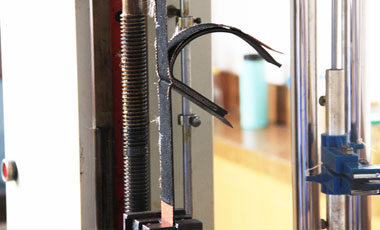
Peeling Test
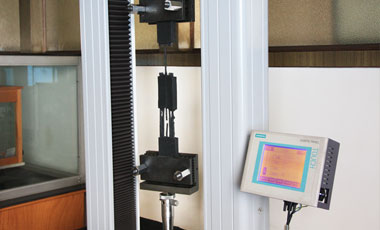
Steel Cord Pull-out Machine
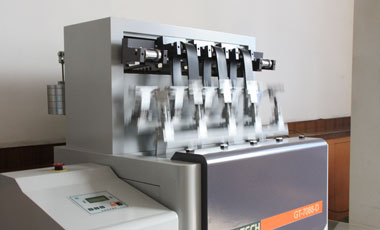
Dynamic Fatigue Tester
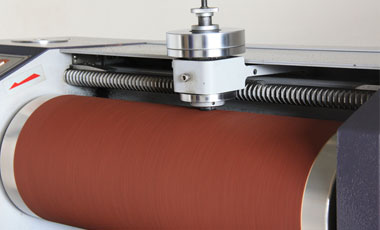
Abrasion Tester
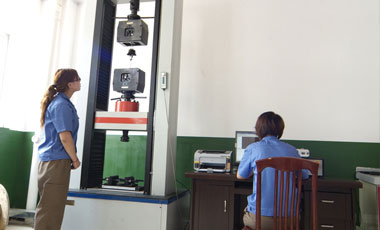
Abrasion Tester
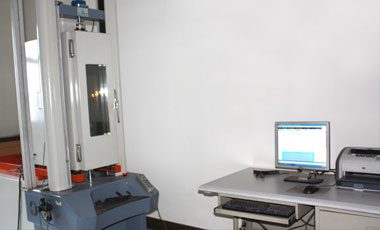
Physical Properties Testing
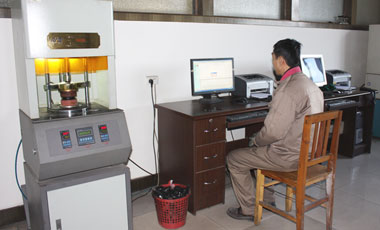
Test
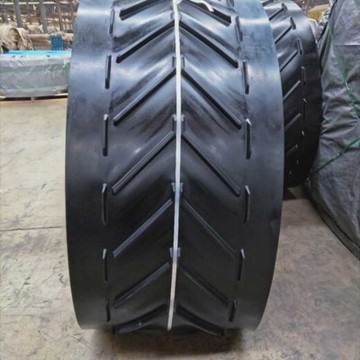 Patterned Rubber Conveyor Belt
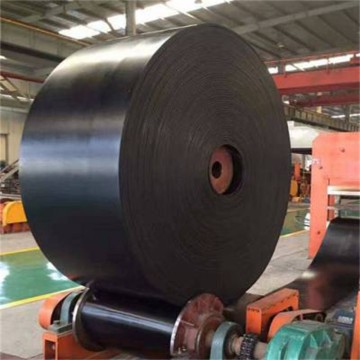 Nylon rubber Conveyor Belt / Polyamide (NN) Conveyor Belt
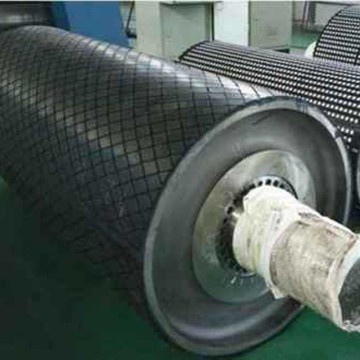 Conveyor Trough-Type Idler Rollers
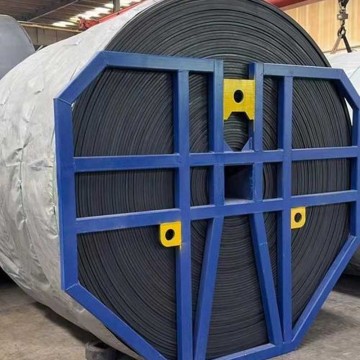 Anti Tear Steel Wire Rope Core Conveyor Belt
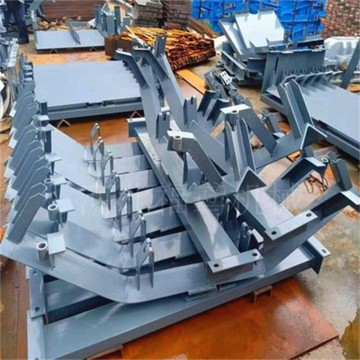 Conveyor Belt Idler Roller
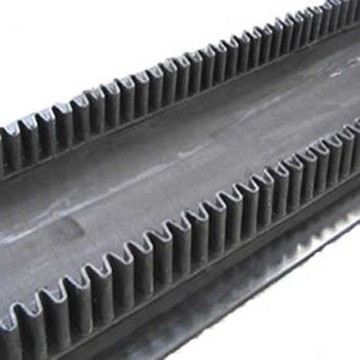 Edge-Reinforced Rubber Conveyor Belt
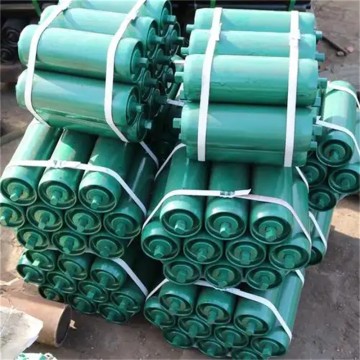 Suspended Rollers Of The Conveyor Belt Machine In A Trough Shape
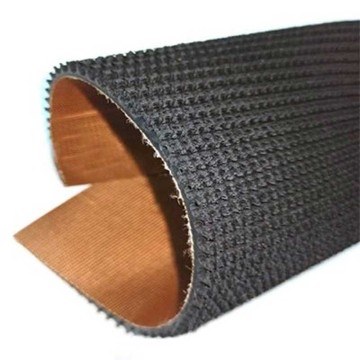 Patterned Conveyor Belt