


 +86 18920794106
Leave Your Message
-
Contact WhatsApp
-
 Contact Phone
-
 Contact Email
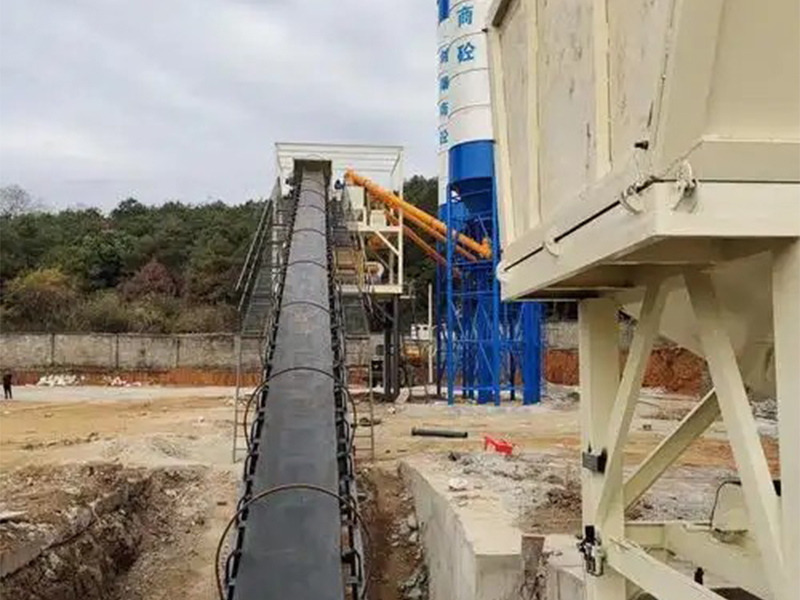
Arctic Mining Operations

Cold-Climate Cement Production
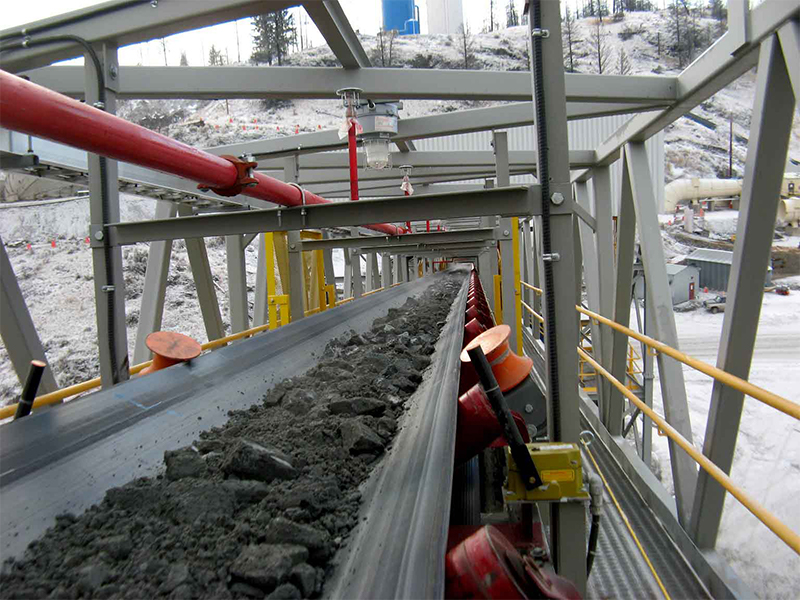
Sub-Zero Coal Transport Systems
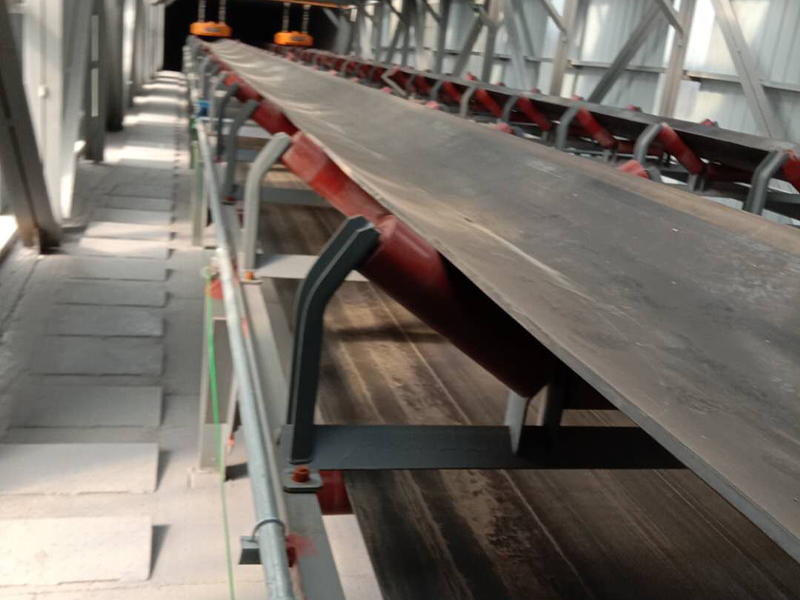
Winter Steel Industry Conveyors
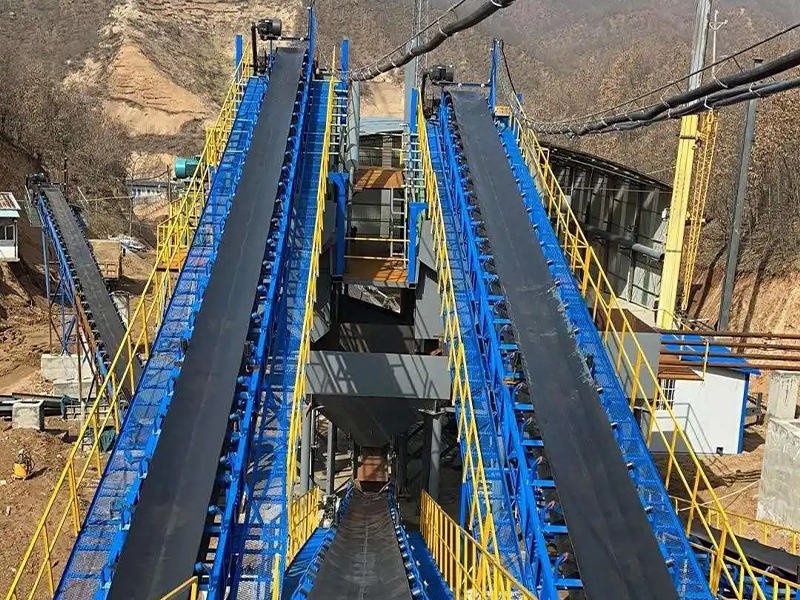
In the demanding world of outdoor material handling, troughing idlers represent a critical component that often determines the success or failure of operations in extreme cold-weather conditions. When temperatures plummet below freezing, conventional conveyor systems face unprecedented challenges that can halt production, damage equipment, and create dangerous working conditions. Troughing idlers specifically engineered for extreme cold-weather outdoor hauling have become indispensable in industries ranging from mining and quarrying to cement production and steel manufacturing in arctic and sub-arctic regions.
The global market for cold-weather conveyor components has experienced significant growth over the past decade, driven by expanding operations in northern territories, increased mining activities in cold climates, and the growing demand for year-round material handling capabilities. Industry analysts project that the specialized troughing idler market for extreme conditions will continue expanding at a compound annual growth rate of 7.2% through 2030, reflecting the increasing industrialization of cold-climate regions and the imperative for reliable material transport solutions regardless of weather conditions.
Traditional troughing idlers experience bearing seizure, seal failure, and structural brittleness when operating below -20°C (-4°F). Specialized cold-weather idlers incorporate low-temperature grease formulations, enhanced sealing systems, and materials engineered to maintain flexibility and strength in temperatures as low as -50°C (-58°F).
Precision-engineered bearings with specialized synthetic lubricants that maintain viscosity and performance from -50°C to +40°C, ensuring smooth rotation in the harshest conditions.
Multi-stage labyrinth seals combined with cold-resistant elastomers prevent moisture ingress and contamination while maintaining flexibility at extreme temperatures.
Shell components manufactured from impact-modified steel alloys that resist embrittlement and maintain structural integrity throughout freeze-thaw cycles.
Reinforced roller designs with increased wall thickness to handle the additional stresses imposed by cold-weather material characteristics and ice accumulation.
Multi-layer coating systems including zinc-rich primers and epoxy topcoats specifically formulated to withstand de-icing chemicals and salt exposure.
Engineering optimizations that deliver 40-60% longer operational life compared to standard idlers when deployed in cold-weather applications.
Arctic Mining Operations: The mining sector represents the largest consumer of extreme cold-weather troughing idlers, with operations in Canada, Russia, Alaska, and Scandinavia requiring conveyor systems capable of handling ore, overburden, and tailings in temperatures that routinely drop below -40°C. Modern arctic mines operate 24/7 throughout winter months, making reliable material transport essential. Troughing idler failures in these environments can result in production losses exceeding $500,000 per day, making the investment in specialized cold-weather components a critical operational necessity rather than an optional upgrade.
Cold-Climate Aggregate and Cement Production: Quarries and cement plants in northern regions face unique challenges during winter operations. Frozen aggregates increase material weight and impact forces on conveyor systems, while moisture freeze-thaw cycles create additional stress on idler components. Specialized troughing idlers for these applications incorporate enhanced impact resistance and accommodate the variable loading conditions characteristic of cold-weather aggregate handling. The cement industry in regions like Northern Europe and Canada has increasingly adopted cold-weather idler specifications as standard, recognizing the total cost of ownership benefits despite higher initial investment.
Winter Port and Terminal Operations: Bulk material handling facilities in cold-climate ports must maintain throughput capacity regardless of weather conditions. Ship loading and unloading operations cannot be postponed due to cold weather, making reliable conveyor systems essential. Troughing idlers in these applications face additional challenges from salt air corrosion combined with extreme cold, requiring specialized coating systems and enhanced sealing to deliver acceptable service life. Major ports in the Baltic Sea region, Great Lakes, and northern Pacific have established rigorous specifications for cold-weather idlers based on decades of operational experience.
Smart Monitoring Integration: The next generation of cold-weather troughing idlers incorporates embedded sensor technology that monitors bearing temperature, vibration levels, and rotational performance in real-time. These smart idlers communicate with centralized monitoring systems via industrial IoT networks, enabling predictive maintenance strategies that prevent failures before they occur. In extreme cold environments where manual inspection is challenging and potentially dangerous, this technology provides operators with unprecedented visibility into system health and performance trends.
Advanced Material Science: Ongoing research into polymer composites and advanced alloys promises to deliver the next breakthrough in cold-weather idler performance. Nano-enhanced polymers demonstrate superior low-temperature impact resistance while reducing weight compared to traditional steel shells. These materials also offer inherent corrosion resistance, eliminating the need for protective coatings and their associated maintenance requirements. Several major manufacturers have announced development programs targeting commercial introduction of composite cold-weather idlers within the next three years.
Modular Design Philosophy: Modern cold-weather troughing idler designs increasingly embrace modularity, allowing rapid field replacement of individual components rather than complete idler assemblies. This approach significantly reduces maintenance downtime in remote cold-climate locations where logistics challenges can delay component delivery for weeks. Modular bearing cartridges, snap-in sealing systems, and quick-change shell designs enable maintenance crews to perform repairs in minutes rather than hours, maximizing system availability during critical production periods.
Environmental Sustainability: The conveyor industry faces growing pressure to reduce environmental impact, driving innovation in cold-weather idler design. Manufacturers are developing bearing lubrication systems using biodegradable synthetic oils that maintain low-temperature performance while minimizing environmental risk in sensitive arctic ecosystems. Extended service life designs reduce replacement frequency, decreasing both operational costs and the environmental footprint associated with manufacturing, transportation, and disposal of conveyor components.
Industry forecasts indicate that demand for specialized cold-weather conveyor components will grow substantially as mining operations expand into increasingly remote northern territories and climate change creates more extreme winter weather patterns in traditionally temperate regions. This growth trajectory presents significant opportunities for manufacturers who invest in research and development of next-generation cold-weather technologies.
Specifying appropriate troughing idlers for extreme cold-weather applications requires careful consideration of multiple factors beyond simple temperature ratings. Operating environment characteristics including minimum expected temperature, temperature cycling frequency, exposure to moisture and precipitation, and the presence of corrosive substances all influence component selection. Material characteristics also play a crucial role—handling frozen ore presents different challenges than transporting coal or aggregates at the same temperature.
Load analysis must account for the increased material density and reduced belt flexibility characteristic of cold-weather operations. Conveyor speeds, belt tension, and troughing angles may require adjustment for winter operations, affecting idler spacing and load ratings. Maintenance accessibility represents another critical consideration, as remote cold-climate installations may have limited access during winter months, making reliability and extended service intervals essential.
Working with experienced conveyor system engineers and idler manufacturers who understand cold-climate applications ensures proper component selection and system design. Many operators have learned through costly experience that standard idlers with supposed "cold-weather" ratings often fail to deliver acceptable performance in truly extreme conditions. Proven performance in similar applications and comprehensive technical support throughout the equipment lifecycle should weigh heavily in procurement decisions.
Proper installation of cold-weather troughing idlers significantly impacts operational performance and service life. Installation should ideally occur during warmer months when materials and components are at moderate temperatures, allowing proper torque application and alignment. When winter installation is unavoidable, components should be stored in heated facilities and allowed to reach appropriate temperatures before installation. Bearing pre-loading and seal compression must be verified according to manufacturer specifications, as these parameters directly affect performance in extreme cold.
Maintenance programs for cold-weather conveyor systems require adaptation from standard practices. Inspection intervals should increase during extreme cold periods, with particular attention to ice buildup on idler shells, belt tracking, and bearing performance. Vibration analysis provides valuable early warning of bearing degradation, allowing planned replacement before catastrophic failure. Many operations implement thermal imaging surveys during cold weather to identify idlers with bearing problems indicated by abnormal temperature patterns.
Lubrication management represents a critical maintenance consideration. Even cold-weather rated greases may require supplemental lubrication during extended periods of extreme cold. However, over-greasing can be equally problematic, as excess lubricant may migrate into seal areas and attract contamination. Following manufacturer recommendations and maintaining detailed maintenance records enables continuous improvement of maintenance practices based on actual field experience.
Arctic Railway Infrastructure
Northern Cement Operations
Cold-Climate Coal Mining
Winter Steel Production
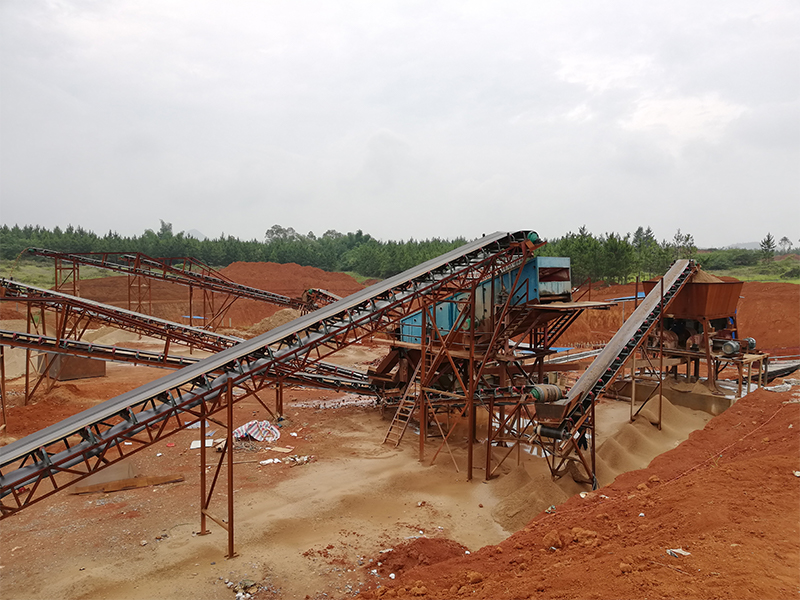
Sub-Zero Metal Processing
Arctic Mining Conveyors
Extreme Cold Hauling Systems
Winter Material Handling
As industrial operations continue expanding into cold-climate regions and extreme weather events become more frequent due to climate change, the importance of reliable cold-weather conveyor components will only increase. Troughing idlers specifically engineered for extreme cold-weather outdoor hauling represent a critical enabling technology that allows operations to maintain productivity and safety regardless of environmental conditions.
The convergence of advanced materials science, smart sensor technology, and decades of field experience is driving unprecedented innovation in cold-weather idler design. Modern solutions deliver reliability and performance that would have been impossible just a decade ago, while emerging technologies promise even greater capabilities in the years ahead. For operations in cold climates, investing in proven cold-weather troughing idlers represents not just a technical decision but a strategic imperative that directly impacts operational success, worker safety, and long-term profitability.
Organizations that prioritize proper component selection, follow installation and maintenance best practices, and partner with experienced manufacturers position themselves for success in the challenging environment of extreme cold-weather material handling. As the technology continues evolving and the operational envelope expands, troughing idlers will remain at the foundation of reliable conveyor system performance in the world's harshest operating environments.