+86 18920794106
Leave Your Message
-
Contact WhatsApp
-
 Contact Phone
-
 Contact Email
In today's rapidly evolving industrial landscape, rubber conveyor belts designed specifically for food-grade applications and light-duty sorting operations have become indispensable components of modern material handling systems. These specialized conveyor belts represent a critical intersection of food safety compliance, operational efficiency, and technological innovation that continues to shape industries worldwide.
The global market for food-grade rubber conveyor belts has experienced substantial growth over the past decade, driven by increasingly stringent food safety regulations, automation trends in the food processing industry, and the exponential growth of e-commerce logistics requiring sophisticated sorting systems. According to recent market research, the food-grade conveyor belt segment is projected to reach unprecedented levels by 2030, with compound annual growth rates exceeding industry averages.
Food-grade rubber conveyor belts must meet rigorous standards that go far beyond conventional industrial belt specifications. These specialized belts are engineered to comply with international food safety regulations including FDA (Food and Drug Administration) standards, EU regulations 1935/2004 and 10/2011, and various other regional certifications that ensure materials coming into contact with food products are safe, non-toxic, and non-contaminating.
Modern food-grade rubber conveyor belts utilize advanced polymer compounds specifically formulated to resist oils, fats, and various food substances while maintaining complete chemical inertness. These materials undergo extensive testing to ensure they do not leach harmful substances, impart odors, or alter the taste of food products during transportation. The rubber compounds typically incorporate synthetic materials such as nitrile rubber, silicone, or specialized polyurethane formulations that offer superior resistance to bacterial growth and facilitate easy cleaning protocols.
Light-duty sorting operations represent one of the fastest-growing applications for specialized rubber conveyor belts. These systems are integral to numerous industries including food processing, pharmaceutical packaging, electronics manufacturing, and postal services. The term "light-duty" refers not to inferior quality but rather to the specific load characteristics and operational parameters these belts are optimized to handle.
In fresh produce handling facilities, rubber conveyor belts for light-duty sorting must delicately balance durability with gentleness. These belts transport fruits, vegetables, and other delicate items through washing, sorting, grading, and packaging operations without causing bruising or damage. Advanced surface textures and cushioning properties help maintain product integrity while specialized drainage patterns facilitate water removal during washing processes.
Bakery operations require conveyor belts that can withstand elevated temperatures while maintaining food-safe properties. These belts must resist flour accumulation, facilitate easy cleaning, and provide stable transport for products ranging from delicate pastries to dense bread loaves. Temperature resistance becomes particularly critical in operations involving cooling tunnels or proximity to ovens where belt materials must maintain structural integrity and food-safe characteristics at temperature extremes.
Meat processing facilities demand rubber conveyor belts with exceptional resistance to animal fats, blood, and cleaning chemicals. These environments require belts that can withstand frequent high-pressure washing, exposure to sanitizing agents, and operation in refrigerated conditions. Modern food-grade belts for meat processing incorporate antimicrobial additives and feature smooth, non-porous surfaces that prevent bacterial colonization and facilitate thorough sanitation.
The rubber conveyor belt industry for food-grade and light-duty sorting applications continues to benefit from remarkable technological advancements that enhance performance, safety, and operational efficiency.
The integration of IoT (Internet of Things) sensors and monitoring systems into conveyor belt infrastructure represents a paradigm shift in predictive maintenance and operational optimization. Modern food-grade rubber conveyor belts can now be equipped with embedded sensors that monitor belt tension, track wear patterns, detect contamination, and predict maintenance requirements before failures occur. This predictive capability significantly reduces unplanned downtime and enhances food safety by identifying potential contamination risks in real-time.
Research and development in polymer chemistry continues to yield new rubber compounds with enhanced properties specifically tailored for food-grade applications. Recent innovations include self-cleaning surface treatments that reduce bacterial adhesion, enhanced abrasion resistance that extends belt lifespan, and improved flexibility that allows for tighter radius turns in compact facility layouts. Nanotechnology applications are introducing materials with unprecedented strength-to-weight ratios and chemical resistance profiles.
Navigating the complex regulatory environment surrounding food-grade conveyor belts requires comprehensive understanding of multiple certification frameworks and standards organizations. Manufacturers and end-users must ensure compliance with FDA Title 21 CFR regulations, European Union food contact materials directives, and industry-specific standards such as those established by the National Sanitation Foundation (NSF) and the British Retail Consortium (BRC).
International standards organizations are working toward greater harmonization of food safety requirements, simplifying compliance for manufacturers operating in multiple markets. This trend toward standardization benefits the entire industry by reducing testing redundancy and facilitating international trade while maintaining rigorous safety standards that protect consumer health.
Environmental sustainability has emerged as a critical consideration in the design, manufacturing, and lifecycle management of rubber conveyor belts. The industry is experiencing a fundamental shift toward circular economy principles that emphasize resource efficiency, recyclability, and reduced environmental impact throughout the product lifecycle.
Manufacturers are increasingly incorporating bio-based materials and recycled content into rubber compound formulations without compromising food safety or performance characteristics. Natural rubber from sustainable plantations, recycled synthetic rubber, and bio-based plasticizers represent growing material sources that reduce dependence on petroleum-derived ingredients while maintaining the technical performance required for demanding food processing applications.
Modern rubber conveyor belt designs emphasize reduced rolling resistance, which translates directly into lower energy consumption for conveyor drive systems. Advanced belt constructions utilizing low-friction backing materials and optimized carcass designs can reduce energy requirements by up to 30% compared to conventional belts, delivering substantial operational cost savings while reducing carbon footprint.
Maximizing the performance and lifespan of food-grade rubber conveyor belts requires adherence to established best practices throughout installation, operation, and maintenance phases.
Correct belt installation forms the foundation for optimal performance and longevity. This includes precise alignment of conveyor frames, proper tensioning to manufacturer specifications, and careful attention to splice quality. Vulcanized splices remain the gold standard for food-grade applications, providing seamless joints that eliminate contamination harboring points and ensure consistent belt strength throughout the entire length.
Establishing and maintaining rigorous cleaning protocols is essential for food safety compliance and operational efficiency. Food-grade rubber conveyor belts should be cleaned according to manufacturer recommendations using approved sanitizing agents that effectively eliminate microbial contamination without degrading belt materials. Many modern facilities implement Clean-In-Place (CIP) systems that automate belt cleaning, ensuring consistency and reducing labor requirements.
Comprehensive preventive maintenance programs significantly extend belt life and reduce unexpected failures. Regular inspections should assess belt condition including surface wear, edge damage, splice integrity, and tracking alignment. Documentation of inspection findings enables trend analysis that can identify developing issues before they result in costly failures or food safety incidents.
The future of rubber conveyor belts for food-grade and light-duty sorting applications promises continued innovation driven by technological advancement, regulatory evolution, and changing market demands.
The accelerating adoption of automated sorting systems and robotic handling equipment is creating new requirements for conveyor belt performance. Belts must now interface seamlessly with vision systems, robotic pick-and-place units, and automated quality control equipment. This integration demands precise dimensional stability, consistent surface properties, and compatibility with advanced sensor technologies.
Market trends indicate growing demand for highly customized conveyor belt solutions tailored to specific application requirements. Manufacturers are responding by offering extensive customization options including specialized surface textures, integrated guide systems, custom widths and lengths, and application-specific material formulations. This trend toward customization enables end-users to optimize system performance for their unique operational requirements.
Digital technologies are revolutionizing how conveyor systems are designed, monitored, and maintained. Digital twin technology enables virtual modeling and simulation of conveyor systems before physical installation, optimizing design parameters and predicting performance. Cloud-based monitoring platforms aggregate data from multiple facilities, enabling enterprise-wide performance analysis and best practice sharing.
Rubber conveyor belts for food-grade and light-duty sorting applications represent a sophisticated convergence of material science, engineering excellence, and food safety compliance. As industries continue to evolve toward greater automation, enhanced sustainability, and stricter regulatory requirements, these specialized conveyor belts will remain central to efficient and safe material handling operations. Investment in quality conveyor belt systems, adherence to best practices, and engagement with ongoing technological innovation will position organizations for success in an increasingly competitive global marketplace.
The continued evolution of this industry promises exciting developments that will further enhance food safety, operational efficiency, and environmental sustainability. Organizations that embrace these innovations while maintaining unwavering commitment to quality and safety standards will be best positioned to thrive in the dynamic landscape of modern food processing and light-duty sorting operations.
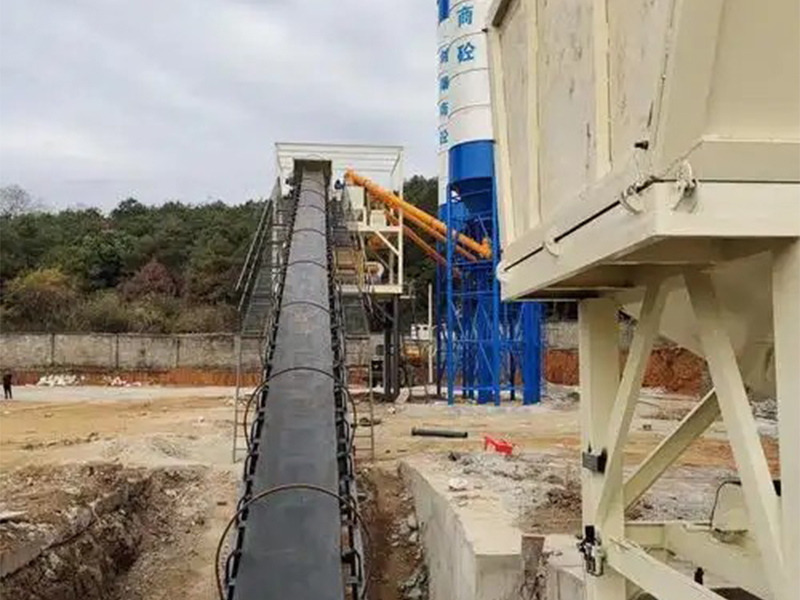
China Railway Group Mixing Plant

Conch Cement
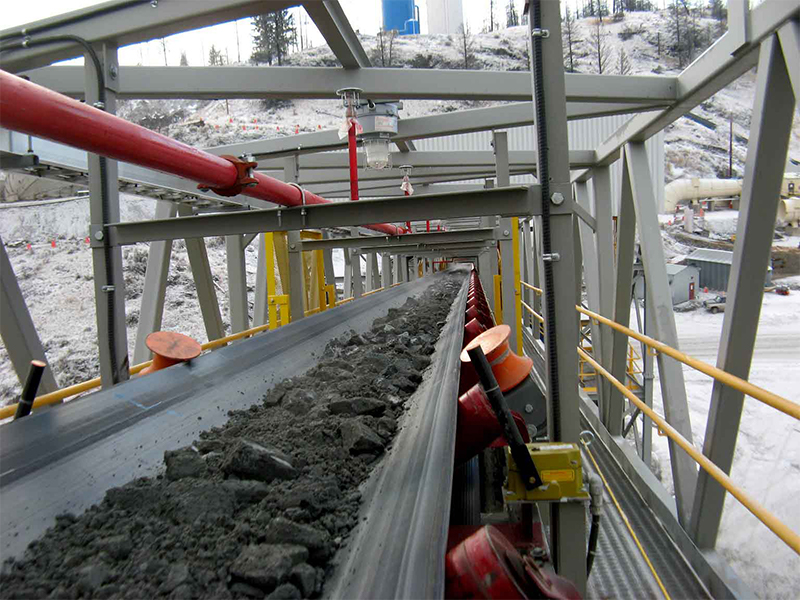
Datong Coal Group
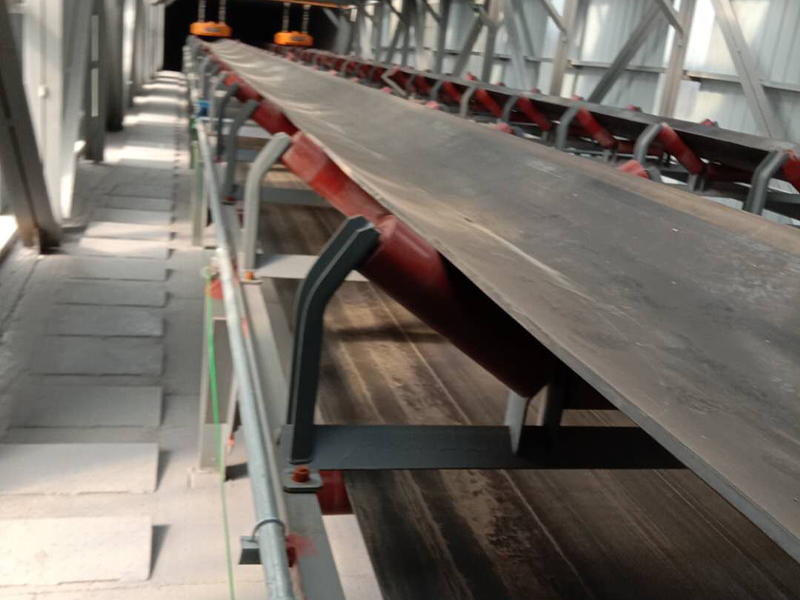
Taihang Steel
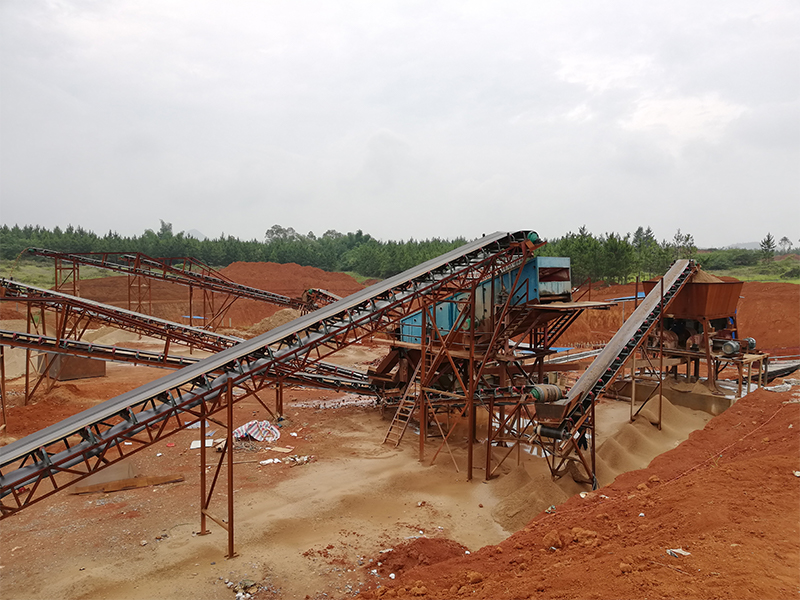
Tsingshan Group
Zijin Mining