+86 18920794106
Leave Your Message
-
Contact WhatsApp
-
 Contact Phone
-
 Contact Email
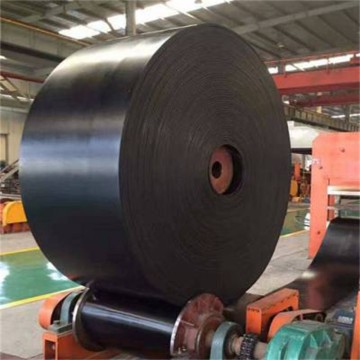
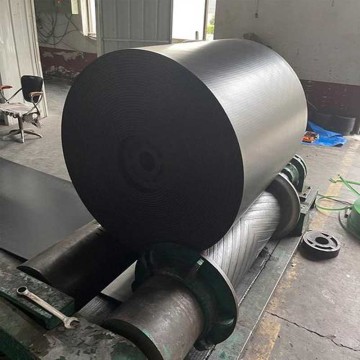
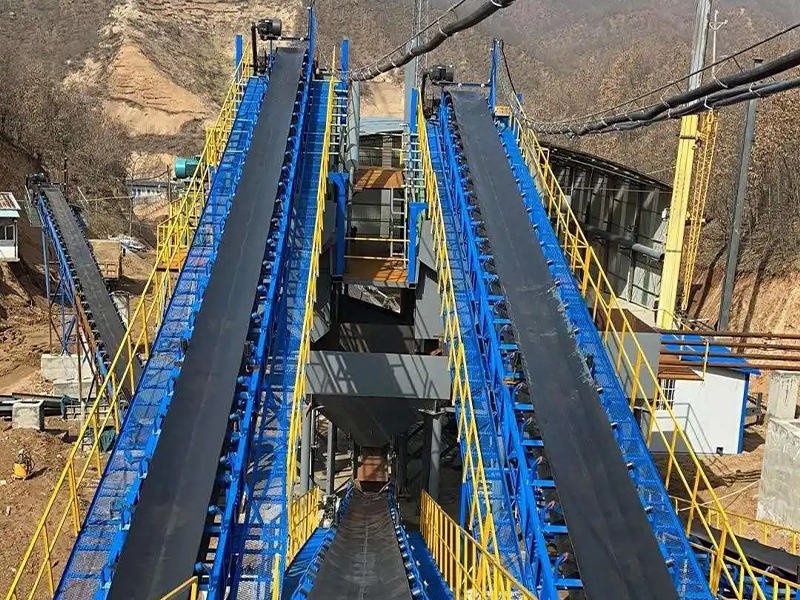
In the modern industrial landscape, rubber conveyor belts have become the backbone of material handling operations across diverse sectors. The demand for long-distance high-tension load bearing rubber belts has experienced exponential growth, driven by the expansion of mining operations, port facilities, power generation plants, and bulk material processing industries. These sophisticated conveyor systems now routinely span distances exceeding 10 kilometers, carrying loads of thousands of tons per hour under extreme tension conditions.
The technological advancement in rubber belt manufacturing has revolutionized how industries approach material transportation challenges. Contemporary long-distance conveyor systems must withstand tensile forces exceeding 5000 N/mm while maintaining operational efficiency across varied environmental conditions, from arctic mining operations to tropical port facilities. The integration of advanced polymer compounds, reinforced fabric layers, and steel cord constructions has enabled these belts to achieve unprecedented levels of performance, durability, and reliability.
Long-distance high-tension rubber belts must meet stringent performance criteria including tensile strength ratings from ST630 to ST7500, elongation control under 0.2% at working tension, excellent impact resistance for heavy material loading, superior fatigue resistance for continuous operation cycles, and environmental adaptability ranging from -50°C to +200°C operating temperatures.
The global market for high-tension rubber conveyor belts has witnessed remarkable growth, with the mining sector representing the largest application segment. Open-pit mining operations increasingly rely on overland conveyor systems that transport ore across distances of 5-15 kilometers, eliminating the need for costly truck haulage. These systems feature belt widths ranging from 1200mm to 2400mm, operating at speeds of 4-7 meters per second, and carrying capacities exceeding 10,000 tons per hour.
Port and terminal operations constitute another critical application domain, where rubber belts facilitate the rapid transfer of bulk commodities including coal, iron ore, grain, and containerized materials. Modern port conveyor systems integrate automated loading and unloading mechanisms, requiring belts with exceptional dimensional stability and precise tracking characteristics. The cement and construction materials industry has also embraced long-distance conveyor technology, with systems connecting quarries to processing plants over distances of 3-8 kilometers.
Recent innovations in rubber belt technology have focused on enhancing load-bearing capacity while reducing operational costs. Steel cord reinforced belts now incorporate ultra-high-strength steel wires with breaking strengths exceeding 3000 MPa, embedded in specially formulated rubber compounds that provide superior adhesion and fatigue resistance. The development of low rolling resistance rubber formulations has achieved energy savings of 20-30% compared to conventional belts, significantly reducing operational expenses for long-distance systems.
Next-generation polymer compounds with enhanced tensile strength and abrasion resistance for extended service life
Integrated sensor technology for real-time condition monitoring and predictive maintenance capabilities
Eco-friendly manufacturing processes and recyclable materials reducing environmental impact
Engineering long-distance high-tension conveyor systems requires comprehensive analysis of multiple factors. Belt selection must account for maximum tension at the drive pulley, typically calculated using the Euler equation with consideration for wrap angle and friction coefficients. The number and placement of intermediate drives become critical for systems exceeding 3 kilometers, with regenerative drive technology increasingly employed to recover energy from downhill sections.
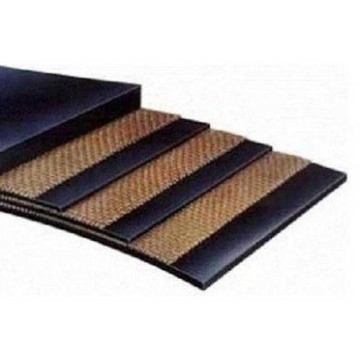
Carcass construction represents a fundamental design parameter, with options including multi-ply fabric belts (EP, NN) for medium-tension applications and steel cord belts for high-tension installations. Fabric belts utilize polyester warp yarns combined with polyamide weft yarns, providing excellent impact resistance and flexibility. Steel cord belts feature longitudinal steel cables with diameters of 3-7mm, offering superior tensile strength and minimal elongation characteristics essential for long-distance applications.
Long-distance conveyor systems face numerous operational challenges that demand innovative solutions. Belt tracking issues, caused by misaligned idlers, uneven loading, or structural settlement, can lead to edge wear and catastrophic failure. Modern systems employ automatic tracking stations utilizing hydraulic or pneumatic actuators that maintain belt alignment within ±25mm tolerances. Advanced monitoring systems incorporate laser scanners and ultrasonic sensors to detect tracking deviations before they cause damage.
Material spillage and carryback represent significant maintenance concerns, particularly in mining applications handling sticky or moisture-laden materials. Primary and secondary belt cleaners, strategically positioned at discharge points, remove adhered material with efficiencies exceeding 95%. Skirting systems with adjustable sealing elements contain material on the belt while minimizing friction and wear. The implementation of air knife cleaning systems has proven effective for fine material removal without physical contact.
Successful operation of long-distance high-tension belt systems requires comprehensive maintenance programs including regular visual inspections for cover damage and splice integrity, ultrasonic testing for steel cord condition assessment, thermographic monitoring to identify bearing failures and misaligned idlers, vibration analysis for rotating equipment diagnostics, and scheduled replacement of wear components before critical failure occurs.
The capital investment required for long-distance conveyor systems typically ranges from $1,500 to $5,000 per linear meter, depending on belt width, terrain complexity, and required infrastructure. Despite substantial initial costs, these systems deliver compelling economic advantages over truck haulage alternatives. Operational cost analyses demonstrate savings of 40-60% compared to conventional transportation methods, with payback periods typically ranging from 3-7 years depending on material volumes and haulage distances.
Energy efficiency represents a critical economic factor, with modern belt systems consuming 0.5-1.5 kWh per ton-kilometer compared to 2-4 kWh for truck transport. The environmental benefits extend beyond energy consumption, including elimination of diesel emissions, reduction in dust generation, and minimization of road maintenance requirements. Labor cost reductions prove substantial, as automated conveyor systems require minimal operational personnel compared to truck fleets.
The rubber belt conveyor industry stands at the threshold of transformative change driven by digitalization and automation technologies. Industry 4.0 concepts are being integrated into conveyor systems through IoT-enabled sensors that monitor belt condition, material flow, and equipment performance in real-time. Artificial intelligence algorithms analyze operational data to predict maintenance requirements, optimize energy consumption, and maximize system availability.
Sustainable manufacturing practices are reshaping belt production, with increased utilization of recycled rubber compounds and bio-based materials. Research into self-healing rubber formulations promises to extend belt service life by autonomously repairing minor damage. The development of conductive rubber compounds enables static electricity dissipation, critical for handling explosive materials in mining and grain handling applications.
Arctic mining operations present unique challenges for rubber belt systems, requiring specialized cold-resistant compounds that maintain flexibility at temperatures below -40°C. These formulations incorporate synthetic rubbers such as EPDM and specialized plasticizers that prevent crystallization. Heated idlers and enclosed galleries protect belts from ice accumulation and wind-driven snow, ensuring continuous operation throughout harsh winter conditions.
Desert environments demand equally specialized solutions, with heat-resistant compounds withstanding surface temperatures exceeding 80°C under direct solar exposure. UV-stabilized cover compounds prevent surface cracking and degradation from intense sunlight. Dust suppression systems become critical in arid climates, utilizing water sprays, chemical suppressants, and enclosed transfer points to minimize airborne particulate generation.
International standards govern the design, manufacturing, and testing of rubber conveyor belts for high-tension applications. ISO 15236 specifies requirements for steel cord conveyor belts, including minimum breaking strength, adhesion between steel cords and rubber, and resistance to impact and gouging. DIN 22131 establishes classification systems for belt strength ratings and construction specifications. MSHA and ATEX certifications ensure compliance with safety requirements for underground mining and explosive atmosphere applications.
Comprehensive testing protocols verify belt performance under simulated operational conditions. Tensile testing machines apply forces exceeding 1000 kN to validate breaking strength and elongation characteristics. Drum friction testing evaluates cover rubber abrasion resistance through standardized volume loss measurements. Fatigue testing subjects belt samples to millions of flexing cycles, simulating years of operational stress to predict service life.
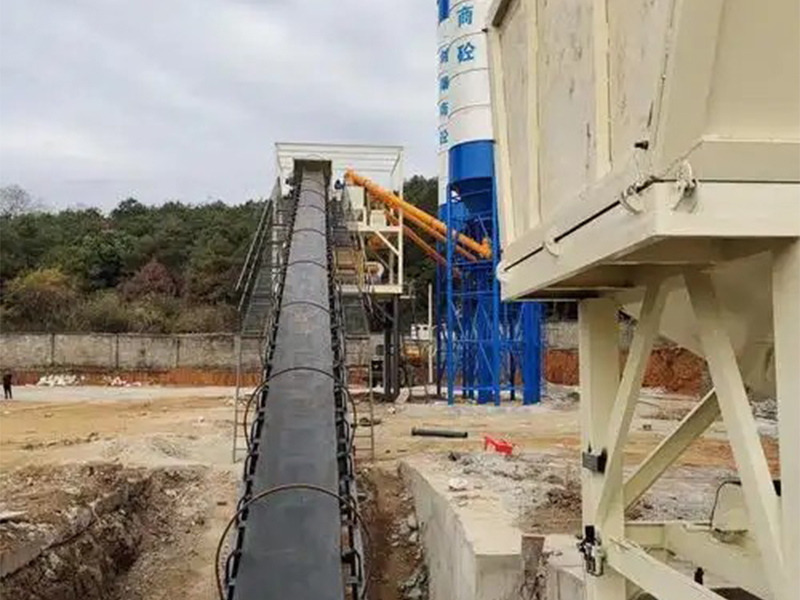
China Railway Group Mixing Plant

Conch Cement
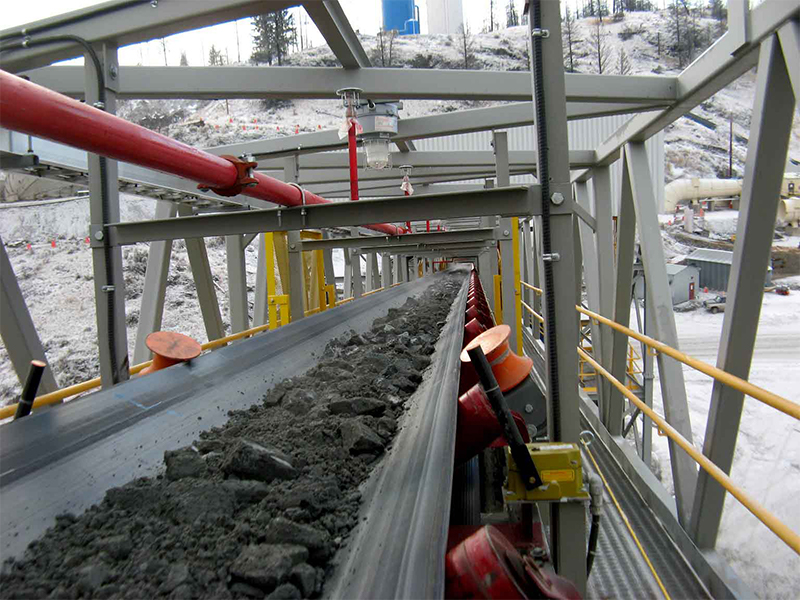
Datong Coal Group
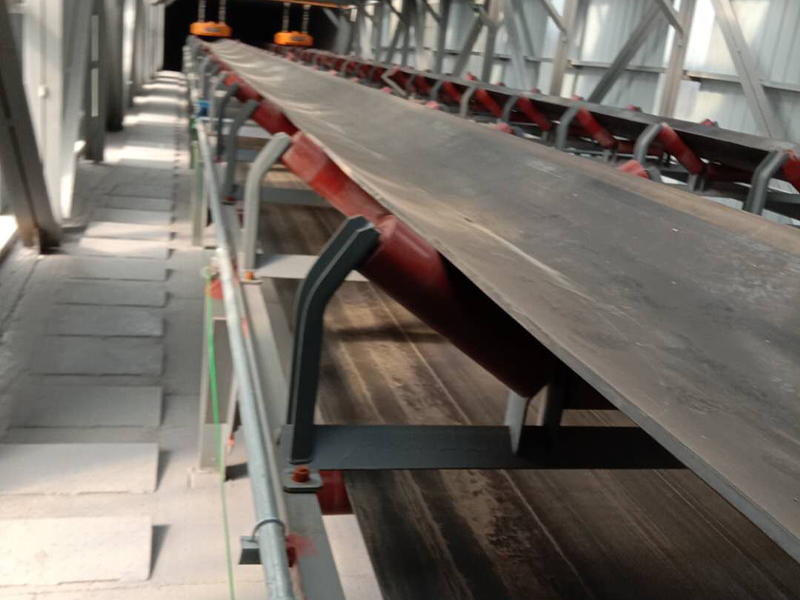
Taihang Steel
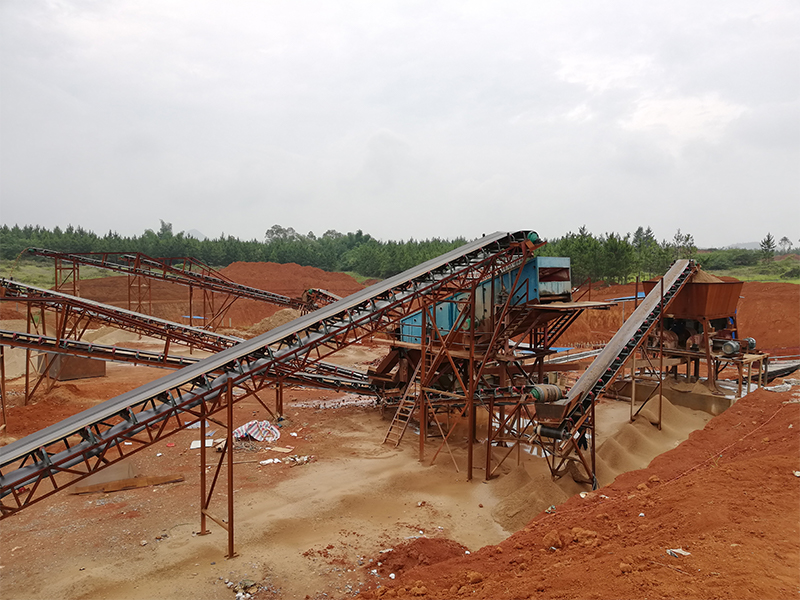
Tsingshan Group
Zijin Mining
Successful deployment of long-distance high-tension rubber belt systems requires strategic planning encompassing site assessment, system design, installation methodology, and long-term maintenance protocols. Geotechnical surveys identify optimal conveyor routes, minimizing elevation changes and avoiding unstable terrain. Computational modeling simulates belt behavior under various loading conditions, optimizing drive placement and tension distribution.
The selection of appropriate belt construction depends on specific application requirements. Mining operations handling abrasive materials benefit from thick top cover compounds (12-20mm) with high abrasion resistance ratings. Facilities processing corrosive chemicals require acid-resistant or oil-resistant rubber formulations. Underground installations mandate flame-retardant specifications meeting stringent safety standards.
Installation quality directly impacts system performance and longevity. Precision alignment of support structures maintains belt tracking within design tolerances. Proper splice installation, whether mechanical fasteners or vulcanized joints, ensures full strength transmission across connection points. Commissioning procedures verify all safety systems, emergency stops, and monitoring equipment function correctly before operational handover.
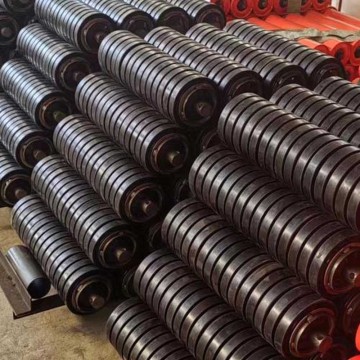
Optimization strategies for long-distance conveyor systems include variable frequency drives that adjust belt speed based on material flow rates, reducing energy consumption during low-volume periods. Idle mode operation minimizes power draw during extended stoppages while maintaining system readiness. Regenerative drives capture energy from loaded downhill sections, feeding power back into the electrical grid. Proper idler spacing and low-friction bearing selection minimize rolling resistance, directly reducing drive power requirements.
Rubber belts for long-distance high-tension load bearing represent a mature yet continuously evolving technology that forms the foundation of modern bulk material handling. As industries demand greater efficiency, reliability, and sustainability, conveyor belt manufacturers respond with innovative materials, intelligent monitoring systems, and optimized designs. The integration of digital technologies promises to transform conveyor operations from reactive maintenance models to predictive, self-optimizing systems that maximize uptime and minimize operational costs.
Investment in high-quality rubber belt systems delivers substantial returns through reduced operational expenses, improved safety performance, and enhanced environmental stewardship. Organizations that embrace advanced conveyor technologies position themselves competitively in increasingly demanding global markets. The continued evolution of materials science, automation, and data analytics ensures that long-distance high-tension rubber belt systems will remain the preferred solution for efficient, economical, and environmentally responsible bulk material transportation for decades to come.