


 +86 18920794106


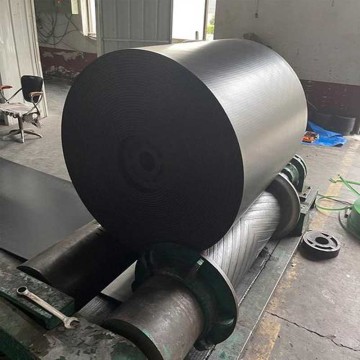 Flame Retardant Rubber Conveyor Belt
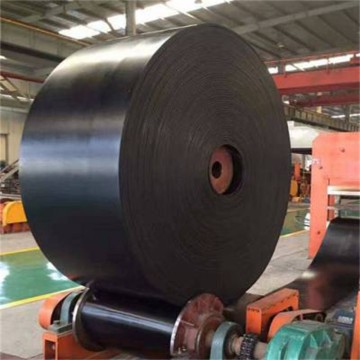 Nylon Rubber Conveyor Belt / Polyamide (NN) Conveyor Belt
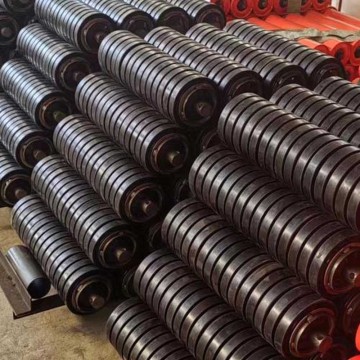 Rubber Buffer Idler Roller
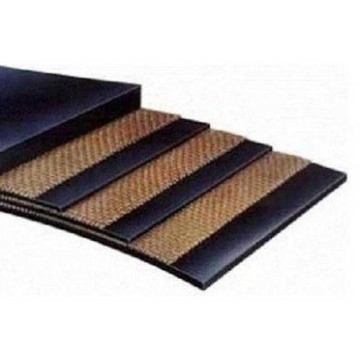 General-Purpose Rubber Conveyor Belt
⚙Industrial Applications and Current Market Landscape
Rubber belts used for industrial pulley and drum redirection have become indispensable components in manufacturing, mining, steel production, construction, and logistics industries worldwide. They serve the critical function of redirecting force and motion efficiently between shafts, drums, and pulleys, enabling smooth transfer of mechanical power and material handling operations.
The industrial sector demands belts with outstanding resistance to abrasion, temperature fluctuations, oil exposure, and mechanical stress. Such conditions require precision-engineered rubber compounds that maintain flexibility while providing excellent durability. Key market sectors driving demand include bulk material transport conveyors in mining and cement, automotive assembly lines, agricultural machinery, and heavy-duty conveyor systems.
🧬Technological Advancements and Industry Trends
Recent technological progress in the rubber belt industry focuses on enhancing performance through innovative materials such as flame-retardant rubber, silicone blends for temperature resistance, and anti-static compounds for safe operation in explosive environments.
Developments in reinforcement technology—embedding steel cords, nylon fabrics, or aramid fibers—have improved belt strength and longevity considerably. Moreover, advances like predictive maintenance using IoT sensors integrated into belt systems allow operators to monitor wear and stress in real-time, significantly reducing downtime.
Sustainability is another central theme shaping development. Manufacturers increasingly seek eco-friendly, recyclable materials and processes that conform to environmental regulations and reduce industrial carbon footprints without compromising belt quality.
🔍In-Depth Analysis of Application Scenarios
The complexity of industrial pulley and drum systems means rubber belts must cater to specialized operation conditions:
- High-Temperature Environments: Steel mills and foundries utilize heat-resistant rubber belts that withstand temperatures exceeding 150°C, preventing degradation and abnormal wear.
- Cold and Harsh Outdoor Conditions: Mining operations often expose belts to freezing temperatures. Cold-resistant rubber compounds maintain flexibility and integrity to prevent cracking.
- Chemical Exposure: Acid and alkali resistant conveyor belts enable safe material transport in chemical plants by resisting corrosion and breakdown due to harsh substances.
- Heavy Load Handling: Reinforced belts with steel wire rope cores ensure reliability for handling heavy bulk goods in cement production, coal transport, and aggregate handling.
- Specialty Conveyors: Lifting and incline conveyor belts with high grip patterns optimize belt-to-pulley friction and prevent load slippage across steep angles.
Additionally, belt surface design including patterned and anti-tear technologies extends operational safety and reduces maintenance frequency in high-impact zones of the machinery.
💼Commercial Outlook and Industry Opportunities
The global industrial rubber belt market continues to grow steadily due to increased infrastructure development, expanding manufacturing sectors, and modernization of existing conveyor systems. Customized solutions tailored to client-specific operational environments stand out as a competitive differentiator for manufacturers.
With ongoing industrial automation, integrating smart belts equipped with embedded sensors offers new revenue streams and partnerships with technology providers. Moreover, regions investing heavily in mining, steel, and coastal logistics hubs present promising markets for specialized industrial rubber belt products.
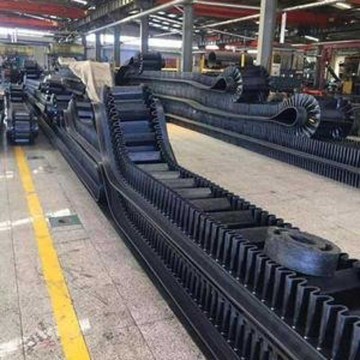 Edge-Reinforced Rubber Conveyor Belt
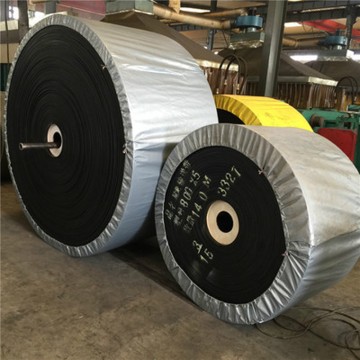 Heat-Resistant Rubber Conveyor Belt
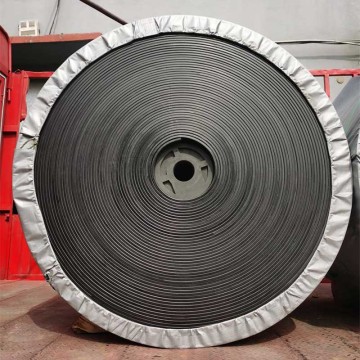 Cold Resistant Rubber Conveyor Belt
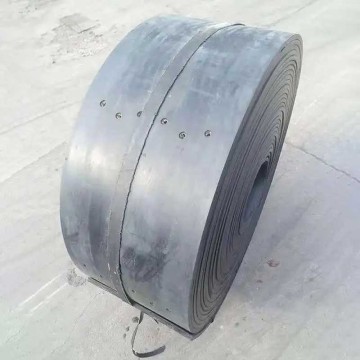 Rubber Lifting Conveyor Belt
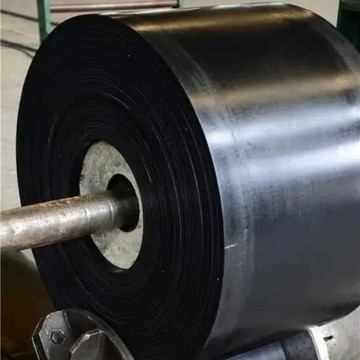 Acid and Alkali Resistant Conveyor Belt
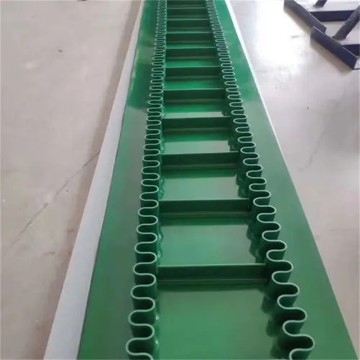 PVC-PU Lightweight Conveyor Belt
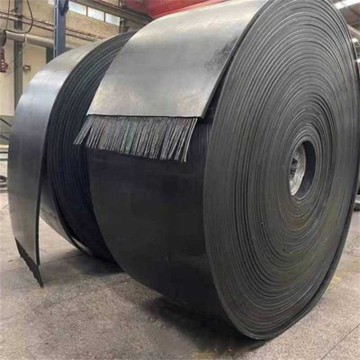 Steel Wire Rope Core Conveyor Belt
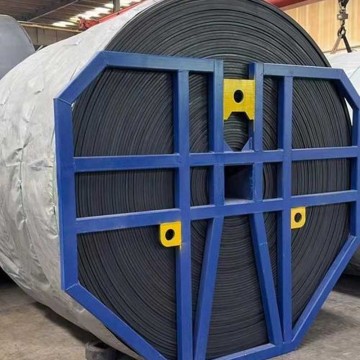 Anti Tear Steel Wire Rope Core Conveyor Belt