


 +86 18920794106
Leave Your Message
-
Contact WhatsApp
-
 Contact Phone
-
 Contact Email
In the modern industrial landscape, redirecting drums have emerged as critical components in heavy-duty bulk material transport systems. These sophisticated mechanical devices play a pivotal role in changing the direction of conveyor belts, ensuring smooth material flow, and maintaining operational efficiency across diverse industrial applications. As global industries continue to demand higher throughput rates and more reliable material handling solutions, redirecting drums have evolved from simple mechanical components into precision-engineered systems that incorporate advanced materials, intelligent design, and cutting-edge manufacturing technologies.
The significance of redirecting drums extends far beyond their basic function of belt direction change. They serve as crucial load-bearing components that must withstand extreme operational conditions, including heavy loads, high speeds, abrasive materials, and harsh environmental factors. In mining operations, power plants, cement factories, steel mills, and port facilities, redirecting drums operate continuously under demanding conditions, making their reliability and durability paramount to overall system performance and operational continuity.
✓ Load Capacity: Up to 5000 tons per hour material handling capability
✓ Operational Speed: Supporting belt speeds up to 8 meters per second
✓ Service Life: Extended operational lifespan exceeding 50,000 hours
✓ Efficiency: Reduced friction coefficients and energy consumption by 30%
The global market for heavy-duty bulk material transport equipment, including redirecting drums, has experienced substantial growth over the past decade. Industry analysts project the market to reach approximately $8.5 billion by 2028, with a compound annual growth rate (CAGR) of 5.2%. This growth trajectory is driven by increasing industrialization in emerging economies, expansion of mining operations, modernization of existing infrastructure, and the growing emphasis on automation and efficiency in material handling processes.
Asia-Pacific regions, particularly China, India, and Southeast Asian countries, dominate the market demand due to rapid infrastructure development and expanding mining and manufacturing sectors. North America and Europe maintain significant market shares, focusing on equipment replacement, technological upgrades, and compliance with stringent environmental and safety regulations. The Middle East and Africa regions show promising growth potential, driven by mining sector expansion and infrastructure development projects.
Redirecting drums find extensive applications across multiple industrial sectors. In the mining industry, they facilitate the transport of extracted ores, coal, and minerals over long distances and varying terrains. The cement industry relies on redirecting drums for handling raw materials, clinker, and finished products throughout production facilities. Steel manufacturing plants utilize these components for transporting iron ore, coke, limestone, and other materials essential to steel production processes.
Power generation facilities, particularly coal-fired power plants, depend on redirecting drums for coal handling systems that transport fuel from storage areas to boilers. Port and terminal operations employ large-scale redirecting drum systems for loading and unloading bulk materials from ships. Agricultural processing facilities use these components for grain handling, while the chemical industry implements them in various material transport applications requiring specific material compatibility and safety considerations.
Precision-engineered components designed for optimal performance under extreme conditions with minimal maintenance requirements
Constructed with high-grade materials to ensure extended service life and consistent performance in demanding environments
Manufactured to meet international quality standards and certifications for worldwide industrial applications
Recent advancements in material science have revolutionized redirecting drum design and performance. Modern drums incorporate high-strength steel alloys with enhanced wear resistance, fatigue strength, and corrosion protection. The development of specialized rubber compounds for lagging materials has significantly improved friction characteristics, reduced belt wear, and extended operational life. Composite materials are increasingly being explored for specific applications where weight reduction and corrosion resistance are critical factors.
Advanced surface treatment technologies, including ceramic coating, plasma spraying, and laser cladding, have enhanced drum surface properties, providing superior wear resistance and reduced maintenance requirements. These treatments enable drums to withstand abrasive materials and harsh operating conditions while maintaining optimal performance characteristics throughout their service life.
The integration of smart technologies represents a transformative trend in redirecting drum systems. Modern installations increasingly incorporate sensor technologies that monitor critical parameters such as bearing temperature, vibration levels, rotational speed, and alignment accuracy. These sensors provide real-time data to control systems, enabling predictive maintenance strategies that prevent unexpected failures and optimize maintenance scheduling.
Internet of Things (IoT) connectivity allows remote monitoring and diagnostics, enabling operators to track equipment performance across multiple facilities from centralized control centers. Advanced analytics and machine learning algorithms process operational data to identify patterns, predict potential failures, and recommend optimal maintenance interventions. This digital transformation enhances operational efficiency, reduces downtime, and extends equipment service life.
Environmental sustainability and energy efficiency have become paramount considerations in redirecting drum design. Manufacturers focus on reducing rotational resistance through optimized bearing designs, improved lubrication systems, and enhanced surface finishes. Low-friction bearing technologies, including ceramic bearings and advanced sealing systems, minimize energy losses and reduce operational costs.
The industry increasingly emphasizes recyclability and environmental responsibility in material selection and manufacturing processes. Manufacturers implement sustainable practices including waste reduction, energy-efficient production methods, and the use of recyclable materials. Life cycle assessment methodologies guide design decisions to minimize environmental impact throughout the product lifecycle from manufacturing through disposal or recycling.
In underground mining environments, redirecting drums face unique challenges including limited space, high humidity, corrosive conditions, and the need for explosion-proof designs in certain applications. These drums must redirect conveyor belts through complex routing paths while maintaining reliability in environments where maintenance access is limited and downtime is extremely costly. Surface mining operations require drums capable of handling massive material volumes with high abrasion resistance, as transported materials often contain sharp rocks and abrasive particles.
Modern mining installations increasingly implement intelligent monitoring systems that track drum performance parameters, enabling predictive maintenance strategies that minimize production interruptions. The integration of automated lubrication systems reduces maintenance requirements and extends bearing life in remote or difficult-to-access locations. Specialized drum designs accommodate extreme temperature variations, from freezing conditions in northern climates to intense heat in tropical and desert environments.
Port facilities handling bulk materials such as coal, iron ore, grain, and other commodities require redirecting drum systems capable of processing enormous material volumes with maximum efficiency. These installations often feature multiple conveyor systems with numerous redirecting points, each requiring precisely engineered drums that maintain alignment accuracy and minimize belt wear despite continuous operation and varying load conditions.
Coastal environments present additional challenges including salt-laden air, high humidity, and potential exposure to seawater, necessitating enhanced corrosion protection measures. Modern port installations implement automated material handling systems where redirecting drums integrate with sophisticated control systems that optimize material flow, balance loads across multiple conveyor lines, and maximize throughput while minimizing energy consumption.
Coal-fired power plants rely on extensive conveyor systems equipped with redirecting drums to transport fuel from storage facilities to boilers. These systems must operate continuously with minimal interruptions, as any disruption in coal supply directly impacts power generation capacity. Redirecting drums in power plant applications face challenges from coal dust, varying material moisture content, and the need for fire safety considerations.
Advanced drum designs incorporate features such as dust-sealed bearings, fire-resistant materials, and temperature monitoring systems that detect abnormal heating conditions. Integration with plant control systems enables coordinated operation with other coal handling equipment, optimizing fuel delivery rates based on boiler demand and storage inventory levels.
Cement production involves handling highly abrasive materials including limestone, clay, and clinker at various stages of the manufacturing process. Redirecting drums in cement plants must withstand extreme wear conditions while maintaining performance reliability. The combination of abrasive materials, high operating temperatures, and dusty environments demands specialized drum designs with enhanced wear protection and robust sealing systems.
Modern cement plants implement comprehensive monitoring systems that track drum wear patterns, enabling proactive replacement scheduling that prevents unexpected failures. Advanced lagging materials specifically formulated for cement industry applications provide superior abrasion resistance while maintaining adequate friction characteristics for effective belt tracking and drive performance.
✓ Mining: Explosion-proof designs with enhanced corrosion resistance for underground applications
✓ Ports: Heavy-duty drums engineered for high-volume continuous operation in marine environments
✓ Power Plants: Temperature-monitored systems with fire-resistant materials and dust protection
✓ Cement: Ultra-wear-resistant designs with specialized lagging for abrasive material handling
The future of redirecting drum technology lies in increased automation and artificial intelligence integration. Emerging systems will feature self-diagnosing capabilities that automatically detect performance degradation, predict maintenance requirements, and communicate with automated maintenance systems. AI algorithms will optimize drum operation parameters in real-time, adjusting to varying load conditions, material characteristics, and environmental factors to maximize efficiency and minimize wear.
Autonomous inspection systems utilizing drones, robots, and advanced imaging technologies will enable continuous condition monitoring without human intervention, particularly valuable in hazardous or difficult-to-access environments. These systems will provide detailed performance analytics, enabling data-driven decision-making for maintenance planning and equipment replacement strategies.
Ongoing research in advanced materials promises revolutionary improvements in redirecting drum performance. Nanomaterial-enhanced composites offer potential for dramatically improved wear resistance, reduced weight, and enhanced mechanical properties. Additive manufacturing technologies enable production of complex drum geometries optimized for specific applications, incorporating internal structures that enhance strength while reducing weight and material consumption.
Self-healing materials under development could extend drum service life by automatically repairing minor surface damage, while smart materials that adapt their properties in response to operating conditions may enable drums that optimize performance across varying operational parameters.
Environmental sustainability will increasingly drive redirecting drum design and manufacturing decisions. The industry is moving toward circular economy principles emphasizing product longevity, repairability, and recyclability. Modular drum designs that facilitate component replacement rather than complete drum replacement will reduce waste and resource consumption. Manufacturers will increasingly implement take-back programs for end-of-life drums, ensuring proper recycling and material recovery.
Energy efficiency improvements will continue as a primary focus, with innovations in bearing technologies, lubrication systems, and surface treatments contributing to reduced power consumption. Life cycle assessment methodologies will guide design decisions to minimize environmental impact throughout the product lifecycle.
The trend toward customization and application-specific drum designs will accelerate as industries demand solutions optimized for their unique operational requirements. Advanced simulation and modeling tools enable precise drum design tailored to specific material characteristics, operating conditions, and performance requirements. Manufacturers increasingly offer comprehensive engineering services that analyze customer applications and recommend optimized drum specifications.
Flexible manufacturing systems enable economic production of customized drums even in smaller quantities, making specialized solutions accessible to a broader range of customers. This customization extends beyond basic dimensional specifications to include specialized materials, coatings, bearing configurations, and monitoring systems precisely matched to application requirements.
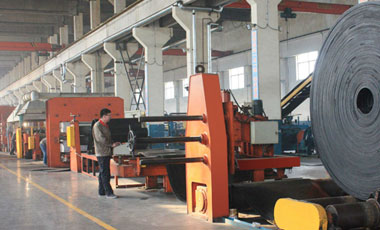
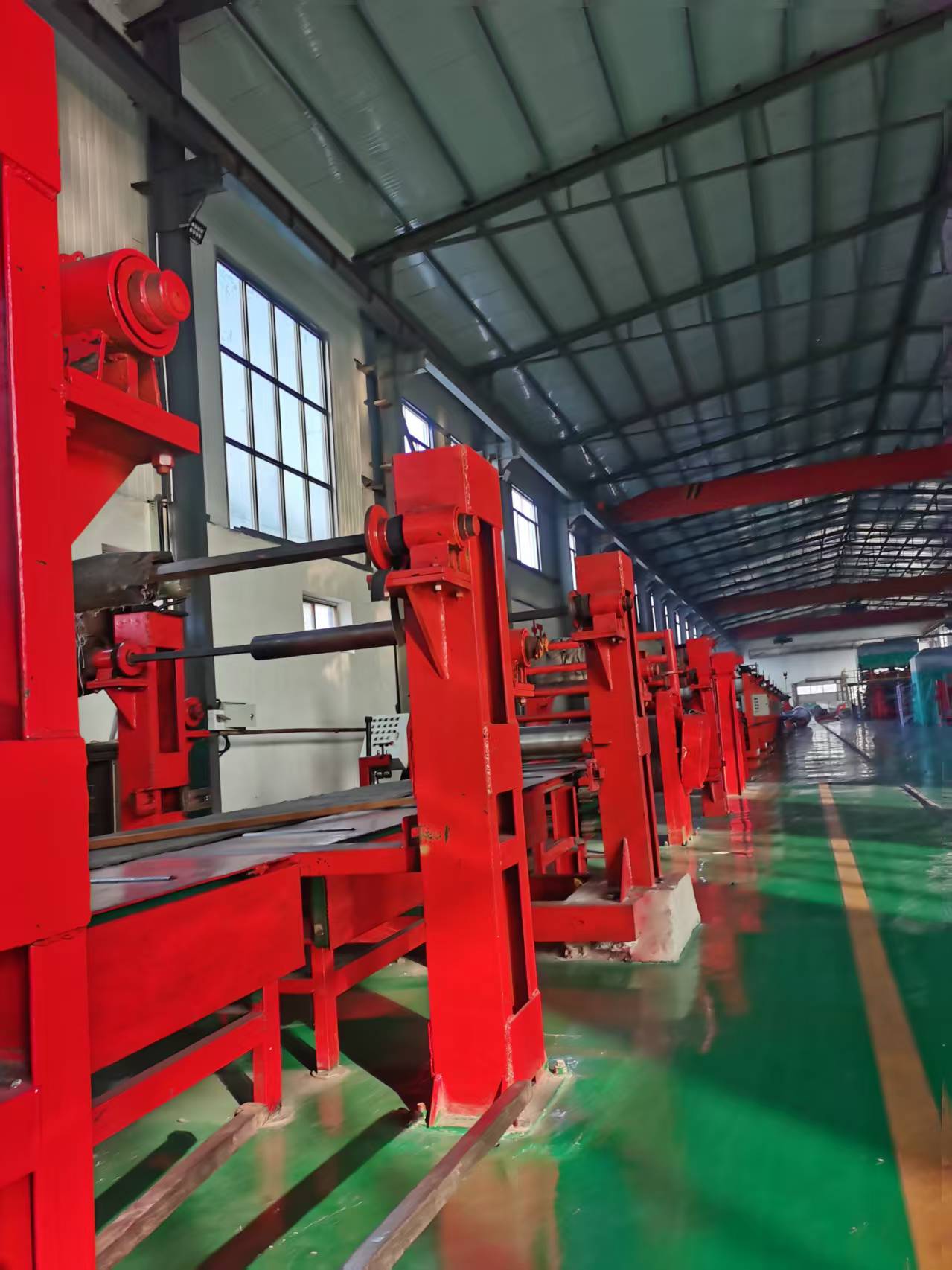
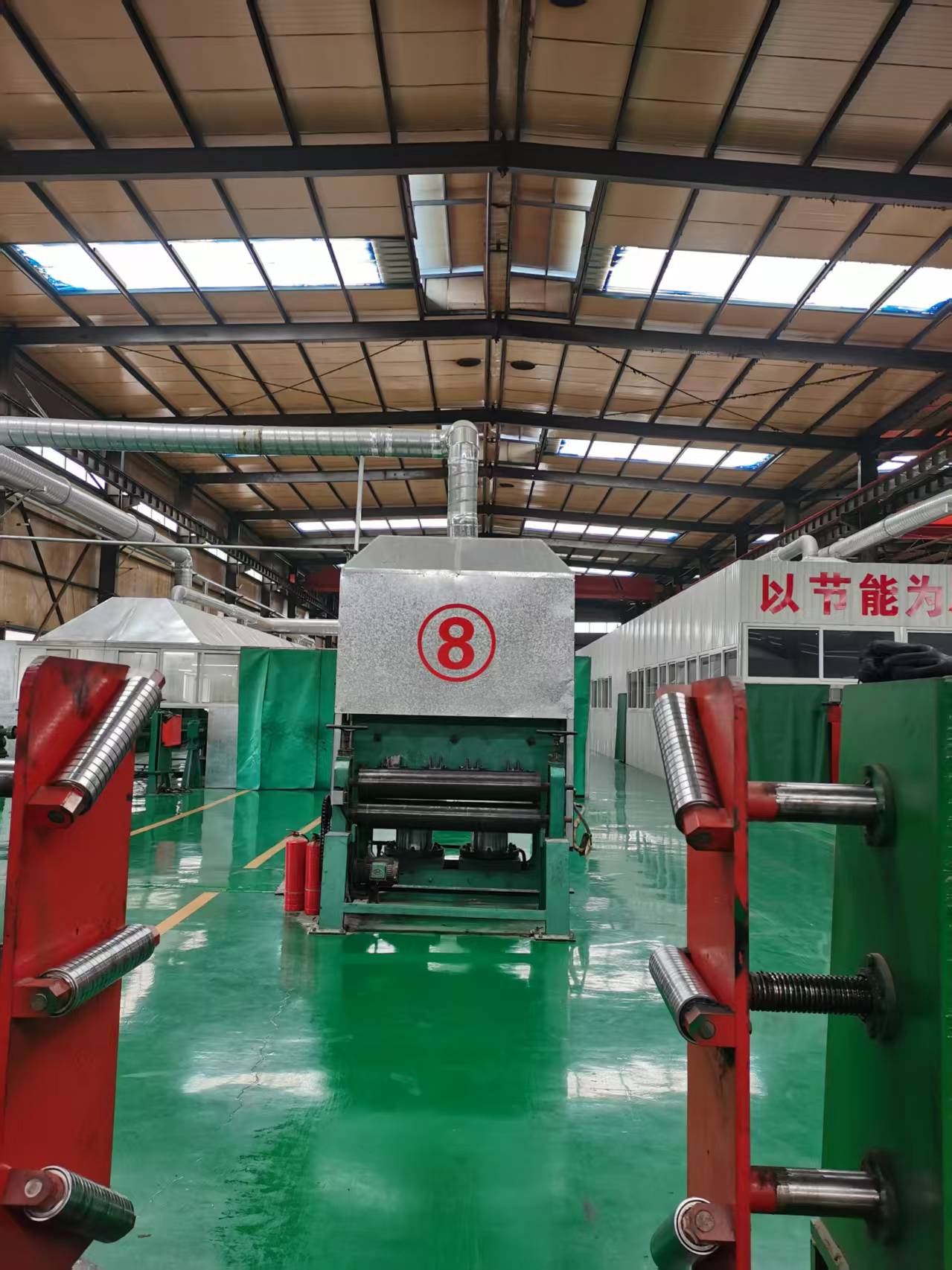
Production Line of Fabric Conveyor Belt
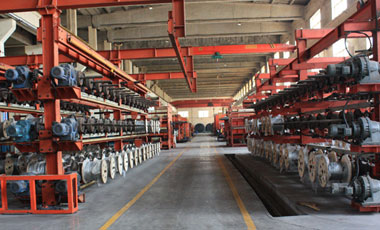
Production Equipment of Steel Cord Conveyor Belt
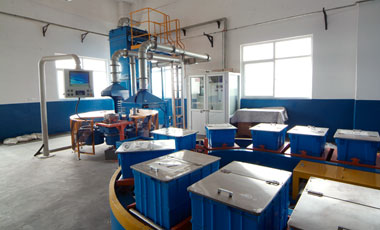
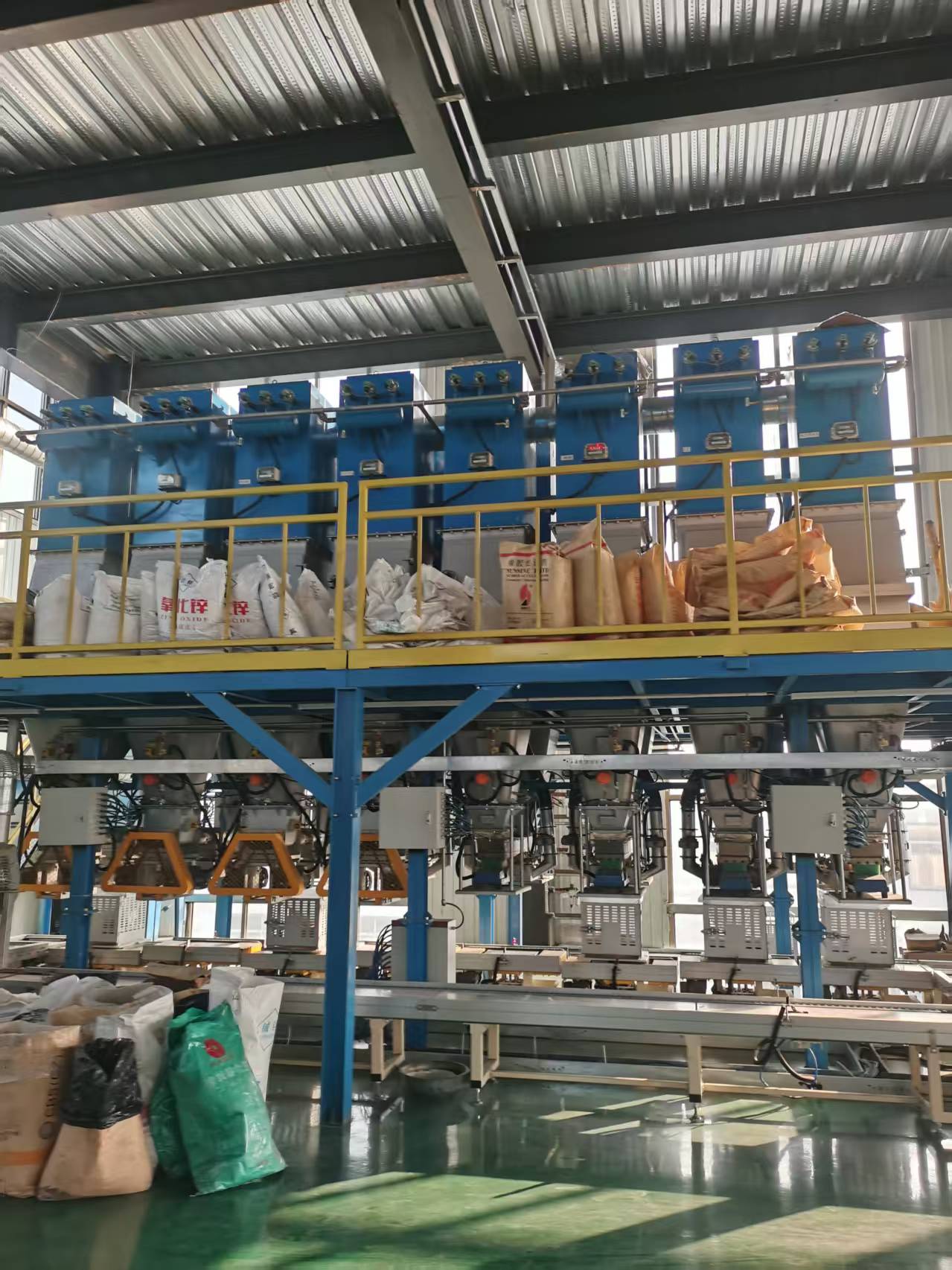
Proportioning Room of Mixing Center
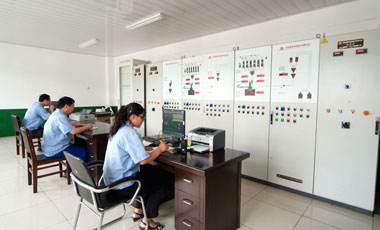
Proportioning System of Mixing Center
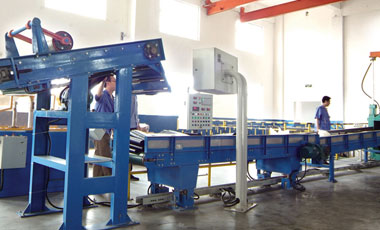
Feeding Device
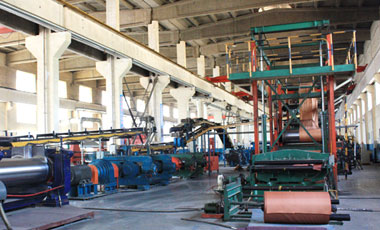
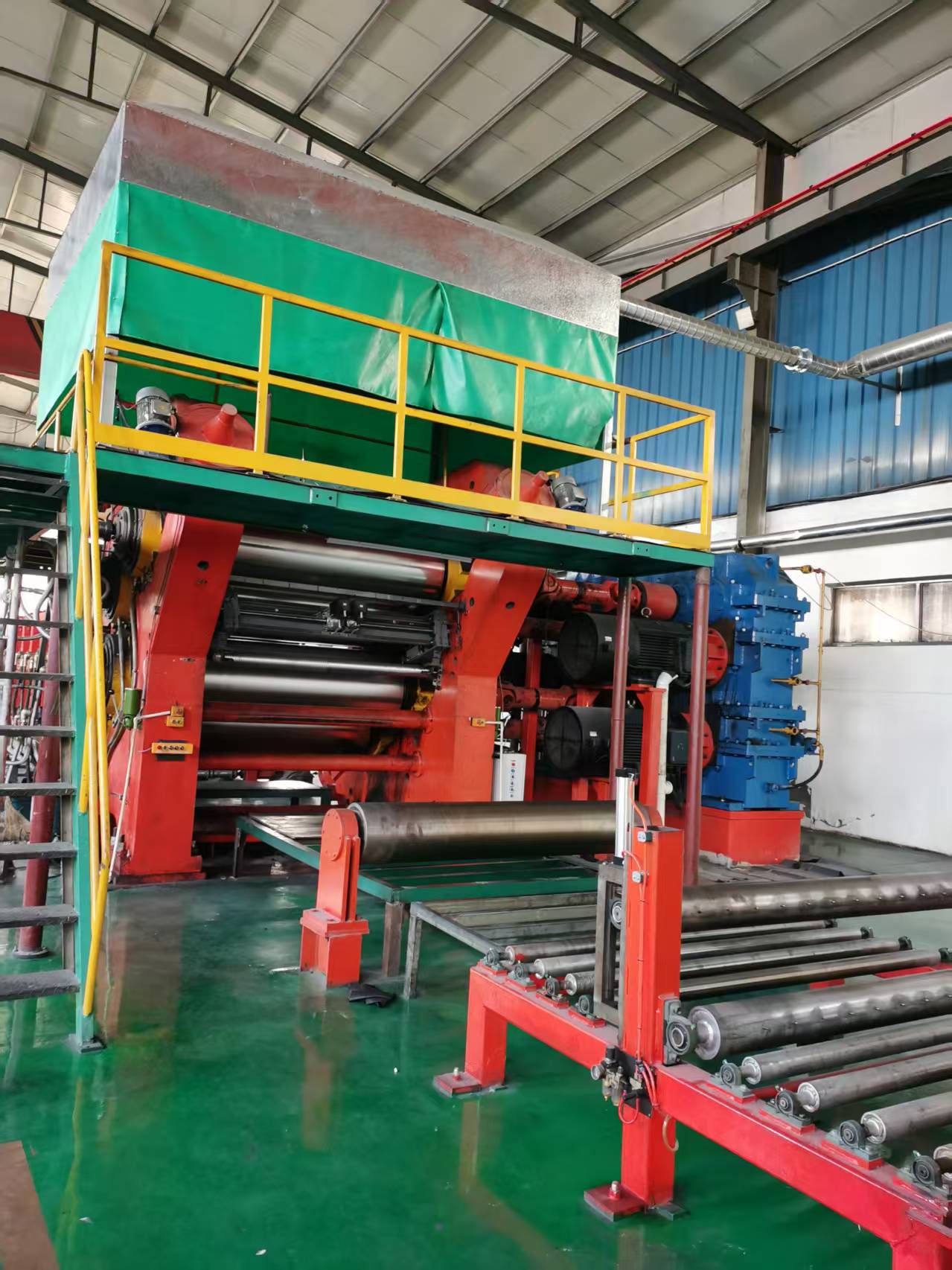
Calendering & Shaping Machine
Redirecting drums represent essential components in the infrastructure of modern heavy-duty bulk material transport systems. Their evolution from simple mechanical devices to sophisticated, technology-integrated systems reflects the broader transformation of industrial material handling. As industries continue to demand higher efficiency, greater reliability, and improved sustainability, redirecting drum technology advances to meet these challenges through innovative materials, intelligent monitoring systems, and optimized designs.
The future promises continued innovation driven by automation, artificial intelligence, advanced materials, and sustainability imperatives. Industries that invest in modern redirecting drum systems benefit from improved operational efficiency, reduced maintenance costs, extended equipment life, and enhanced safety. As global industrial activity continues to expand, particularly in emerging economies, the demand for high-performance redirecting drums will grow, driving further technological advancement and market development.
Success in implementing redirecting drum systems requires careful consideration of application-specific requirements, proper equipment selection, professional installation, and comprehensive maintenance programs. Partnering with experienced manufacturers who offer engineering expertise, quality products, and ongoing technical support ensures optimal system performance and long-term operational success in the demanding environment of heavy-duty bulk material transport.
Comprehensive Solutions for Heavy-Duty Bulk Material Transport Systems