


 +86 18920794106
Leave Your Message
-
Contact WhatsApp
-
 Contact Phone
-
 Contact Email
Underground mining operations, tunneling projects, and subterranean industrial facilities present unique challenges that demand specialized material handling solutions. Fire-risk underground environments are characterized by limited ventilation, confined spaces, potential accumulation of combustible gases, and restricted emergency evacuation routes. In these critical settings, the selection of appropriate conveyor belt systems becomes not just a matter of operational efficiency, but a fundamental safety imperative that can mean the difference between routine operations and catastrophic incidents.
PVC light-duty conveyor belts have emerged as the preferred solution for fire-risk underground environments due to their exceptional combination of flame-retardant properties, lightweight construction, and operational versatility. These specialized belts are engineered to meet stringent international safety standards while maintaining the flexibility and durability required for demanding underground applications. The global market for fire-resistant conveyor belts in underground operations has experienced significant growth, with industry analysts projecting a compound annual growth rate (CAGR) of 6.8% through 2030, driven by increasingly stringent safety regulations and expanding underground mining activities worldwide.
Self-extinguishing properties that prevent flame propagation in underground environments
Reduced energy consumption and easier installation in confined spaces
Prevents spark generation that could ignite combustible materials
The underground mining and construction industries are experiencing a technological renaissance, with safety equipment and material handling systems at the forefront of innovation. PVC light-duty conveyor belts specifically designed for fire-risk environments have become indispensable in coal mines, metal ore extraction facilities, underground storage facilities, and subway construction projects. The current market landscape is characterized by increasing regulatory pressure, with organizations such as the Mine Safety and Health Administration (MSHA) in the United States, the European Union's ATEX directives, and similar regulatory bodies worldwide implementing progressively stricter requirements for flame-resistant materials in underground operations.
Major industrial players have responded to these market dynamics by investing heavily in research and development of advanced PVC compounds that incorporate halogen-free flame retardants, improved anti-static additives, and enhanced mechanical properties. The shift toward sustainable and environmentally responsible materials has also influenced product development, with manufacturers exploring bio-based plasticizers and recyclable PVC formulations that maintain critical safety performance characteristics while reducing environmental impact.
The adoption and specification of PVC light-duty conveyor belts for fire-risk underground environments varies significantly across geographical regions, reflecting differences in mining practices, regulatory frameworks, and industrial development stages. Asia-Pacific markets, particularly China, India, and Australia, represent the largest consumers of these specialized belts, driven by extensive coal mining operations and rapid infrastructure development. North American and European markets demonstrate higher emphasis on premium safety features and compliance with stringent environmental regulations, often specifying belts with enhanced low-smoke and low-toxicity properties.
The evolution of PVC light-duty conveyor belts for fire-risk underground environments is being shaped by several converging technological and operational trends. Smart conveyor systems incorporating Internet of Things (IoT) sensors, predictive maintenance capabilities, and real-time monitoring of belt conditions are becoming increasingly prevalent. These intelligent systems can detect early signs of belt degradation, monitor temperature fluctuations that might indicate fire risk, and provide automated alerts to prevent catastrophic failures before they occur.
Nanotechnology is revolutionizing the performance characteristics of PVC conveyor belts, with nanoparticle additives enhancing flame retardancy, mechanical strength, and abrasion resistance while maintaining the lightweight properties essential for underground applications. Advanced polymer blending techniques are enabling the development of hybrid materials that combine the best properties of PVC with other polymers, creating belts with unprecedented performance profiles. Additionally, the integration of conductive carbon nanotubes is improving anti-static properties beyond what traditional carbon black additives can achieve, providing superior protection against electrostatic discharge in environments with explosive atmospheres.
Automation and robotics are transforming how conveyor systems are installed, maintained, and operated in underground environments. Remote monitoring systems allow operators to supervise multiple conveyor installations from centralized control rooms, reducing the need for personnel to work in hazardous areas. Automated belt inspection systems using machine vision and artificial intelligence can detect surface defects, splice integrity issues, and wear patterns with greater accuracy and consistency than manual inspection methods, significantly enhancing operational safety and reliability.
Environmental sustainability is becoming a critical consideration in the specification and lifecycle management of conveyor belts for underground operations. Manufacturers are developing recycling programs for end-of-life belts, implementing closed-loop material recovery systems, and designing products for easier disassembly and material separation. Bio-based plasticizers derived from renewable resources are replacing traditional phthalate plasticizers, addressing both environmental concerns and evolving regulatory restrictions on hazardous substances.
Coal mining represents one of the most demanding applications for fire-resistant conveyor belts due to the inherent combustibility of coal dust and the presence of methane gas in many underground coal seams. PVC light-duty conveyor belts in these environments must meet rigorous flame propagation testing standards while providing reliable material transport in conditions characterized by high humidity, abrasive coal particles, and potential impact from falling material. Modern coal mining operations increasingly utilize multiple conveyor systems in series, creating complex material handling networks where belt selection must consider not only individual performance but also system-wide safety and efficiency.
In longwall mining operations, where continuous miners extract coal across extensive working faces, conveyor belts must handle variable loading conditions and frequent repositioning as the mining face advances. PVC light-duty belts excel in these applications due to their flexibility, which facilitates installation around tight curves and through restricted access points common in underground coal mines. The anti-static properties of properly formulated PVC belts are particularly critical in coal mining, where the accumulation of static electricity could ignite coal dust or methane, triggering devastating explosions.
Underground metal mining operations, including gold, copper, zinc, and rare earth element extraction, present different challenges than coal mining but equally demanding fire safety requirements. While methane is typically not a concern in metal mines, other hazards including diesel equipment exhaust, hydraulic fluid leaks, and electrical equipment create potential ignition sources. PVC light-duty conveyor belts in these applications must resist degradation from exposure to various chemicals and oils while maintaining flame-resistant properties. The trend toward deeper mining operations, with some mines now exceeding 4,000 meters depth, introduces additional challenges including higher ambient temperatures and increased rock pressure that can affect conveyor system design and belt selection.
The construction of transportation tunnels, utility corridors, and underground storage facilities relies heavily on conveyor systems for debris removal and material transport during excavation phases. These temporary installations require conveyor belts that can be quickly deployed, easily reconfigured as the tunnel advances, and reliably operated in environments with limited ventilation and high dust concentrations. PVC light-duty belts are ideal for these applications due to their relatively low cost, ease of handling, and sufficient durability for temporary installations. Fire safety remains paramount, as tunnel construction sites often house fuel storage, welding operations, and electrical equipment that present fire risks in confined spaces with limited evacuation routes.
The growing trend toward underground storage facilities for everything from strategic petroleum reserves to data centers and agricultural products has created new applications for fire-resistant conveyor systems. These facilities often store combustible materials in atmospheres with controlled temperature and humidity, where conveyor systems must operate reliably for extended periods with minimal maintenance access. PVC light-duty conveyor belts in these applications benefit from their resistance to microbial growth, low moisture absorption, and stable performance across wide temperature ranges. The fire-resistant properties provide essential protection for valuable stored materials and critical infrastructure in environments where fire suppression can be challenging.
PVC light-duty conveyor belts designed for fire-risk underground environments must meet comprehensive technical specifications that address multiple performance dimensions. Flame resistance testing typically follows standardized protocols such as the ISO 340 test for underground mining, which measures flame propagation characteristics, or the EN 12882 standard for general conveyor belt applications. These tests evaluate parameters including ignition temperature, flame spread rate, self-extinguishing time, and smoke generation characteristics. Premium fire-resistant PVC belts achieve K category ratings under ISO 340, indicating superior resistance to flame propagation even under severe test conditions.
The fabric reinforcement structure significantly influences belt performance characteristics and suitability for specific applications. Polyester-polyamide (EP) fabric constructions provide excellent dimensional stability and impact resistance, making them ideal for applications with heavy loading or sharp material edges. Polyamide-polyamide (NN) fabrics offer superior flexibility and troughability, beneficial for installations with tight curves or small pulley diameters. Recent innovations include hybrid fabric structures incorporating aramid fibers for enhanced cut resistance or glass fibers for improved dimensional stability under tension.
Proper installation and ongoing maintenance are critical factors in maximizing the safety and operational lifespan of PVC light-duty conveyor belts in fire-risk underground environments. Installation procedures must account for the unique characteristics of underground settings, including limited access for equipment, environmental conditions affecting material handling, and the need to minimize operational disruptions during installation or replacement activities. Belt storage prior to installation requires controlled conditions to prevent moisture absorption or premature aging, with manufacturers typically recommending storage temperatures between 10°C and 25°C and relative humidity below 65%.
The integrity of belt splices is particularly critical in underground applications where splice failures can result in extended downtime and safety hazards. PVC light-duty belts can be joined using several methods, each with specific advantages and limitations. Hot vulcanized splices provide the strongest and most durable joints, typically achieving 90% or greater of belt breaking strength, but require specialized equipment and skilled technicians. Cold bonding systems using two-part polyurethane adhesives offer faster installation times and acceptable strength for many light-duty applications, though splice efficiency is generally lower than vulcanized joints. Mechanical fasteners provide the quickest installation method and allow for easy belt replacement but create stress concentration points that can reduce belt lifespan and are generally not recommended for permanent installations in critical fire-risk environments.
Preventive maintenance programs for underground conveyor systems should incorporate regular visual inspections, belt tension monitoring, tracking alignment verification, and periodic testing of anti-static properties. Advanced maintenance approaches utilize condition monitoring systems with sensors measuring belt temperature, vibration signatures, and electrical conductivity to detect developing problems before they result in failures. Thermal imaging cameras can identify hot spots indicating bearing failures or material buildup, while ultrasonic thickness gauges track cover wear to schedule proactive belt replacement before cover penetration exposes the fabric reinforcement.
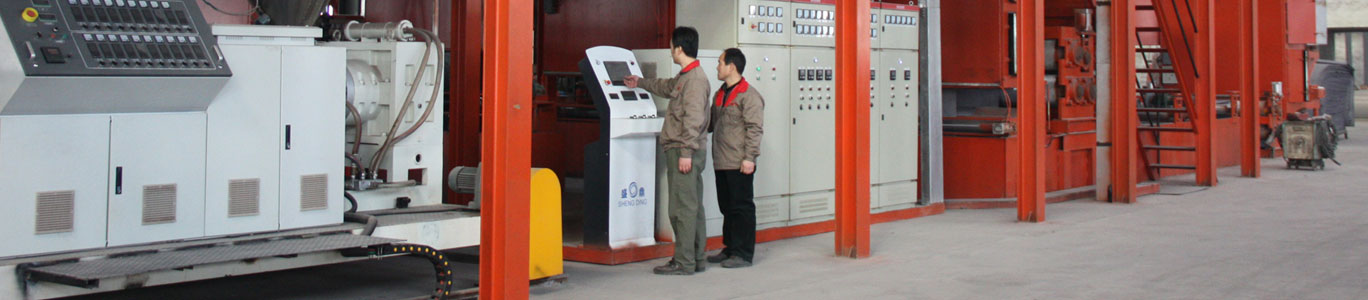
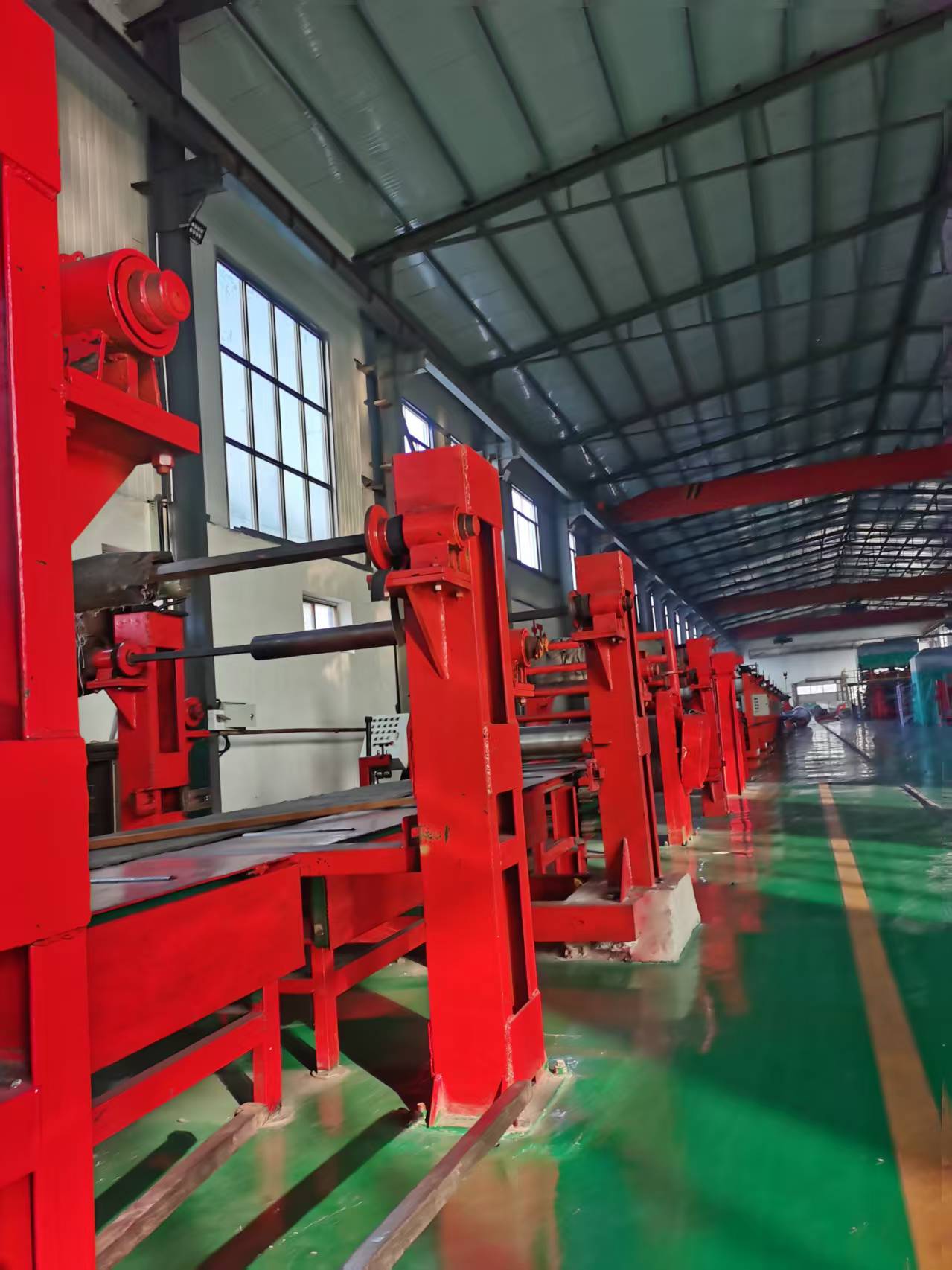
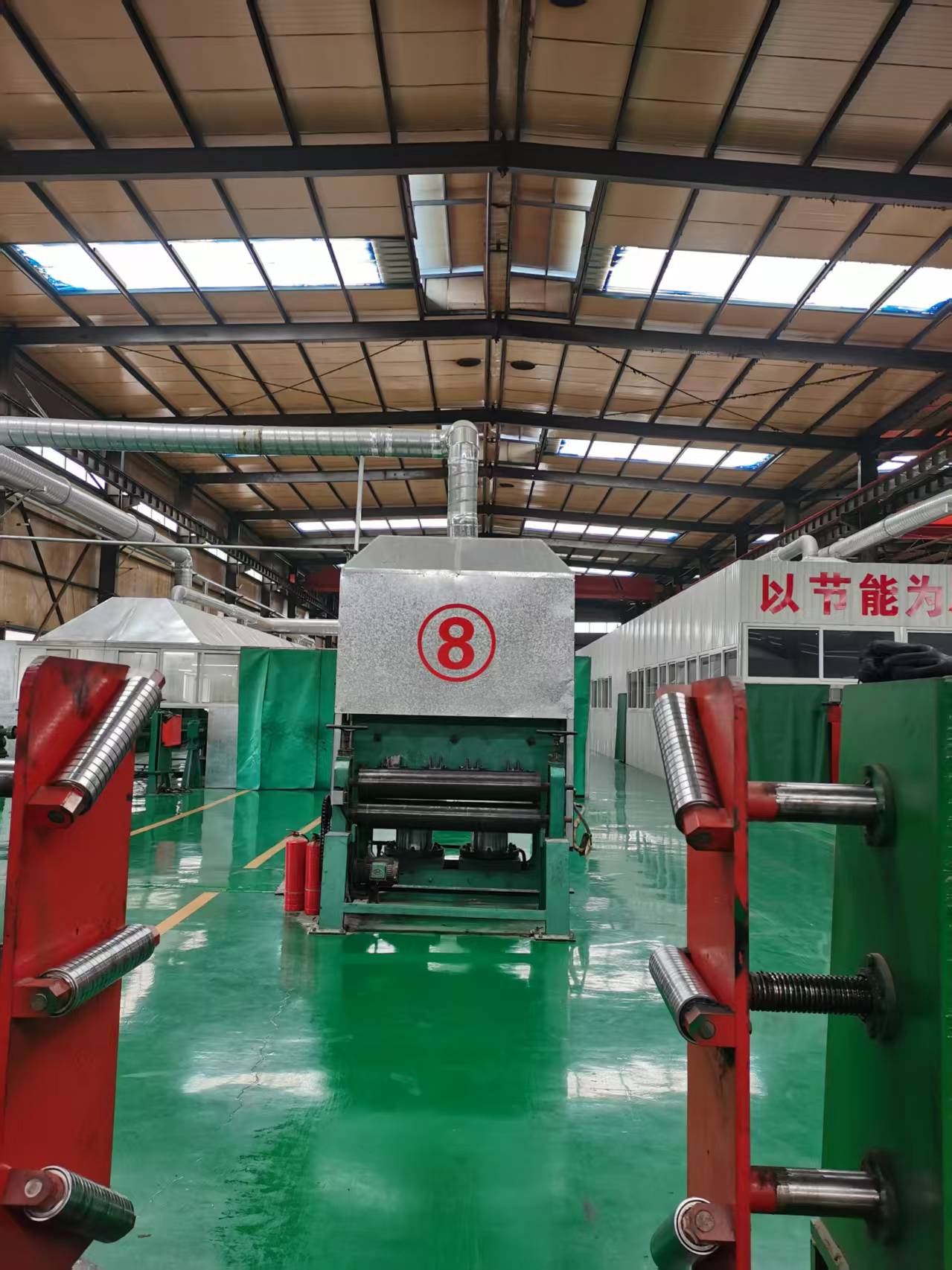
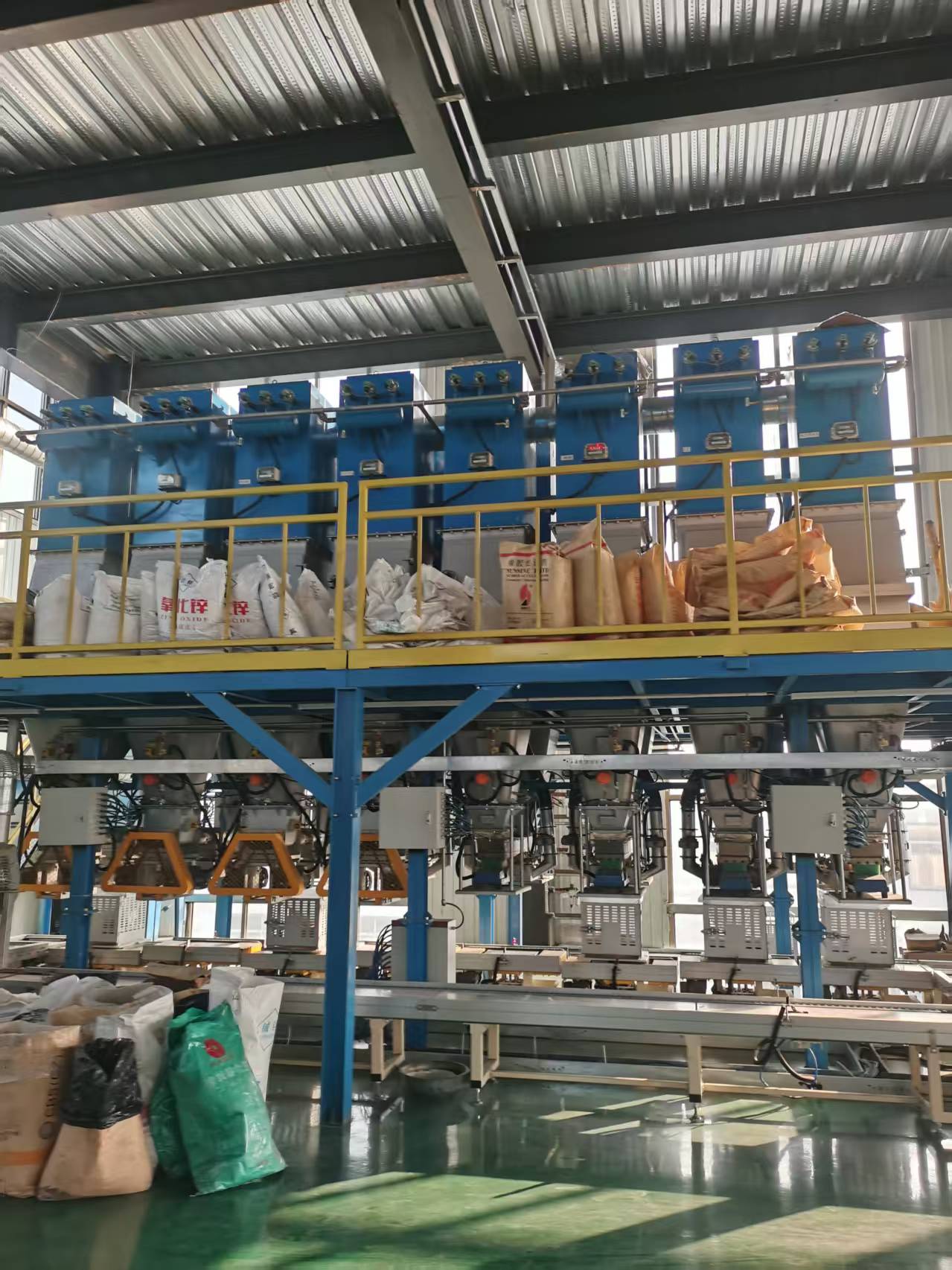
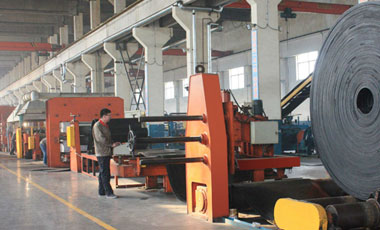
Production Line of Fabric Conveyor Belt
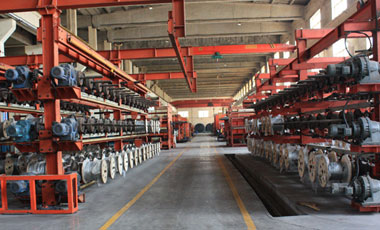
Production Equipment of Steel Cord Conveyor Belt
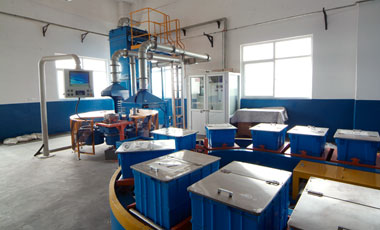
Proportioning Room of Mixing Center
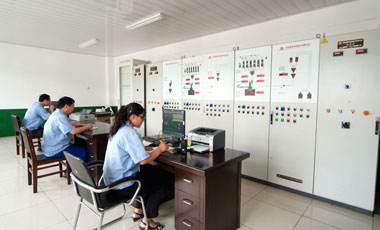
Proportioning System of Mixing Center
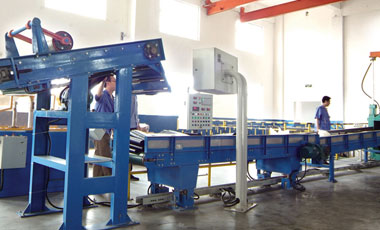
Feeding Device
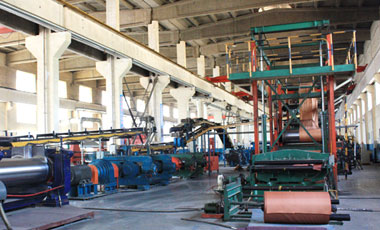
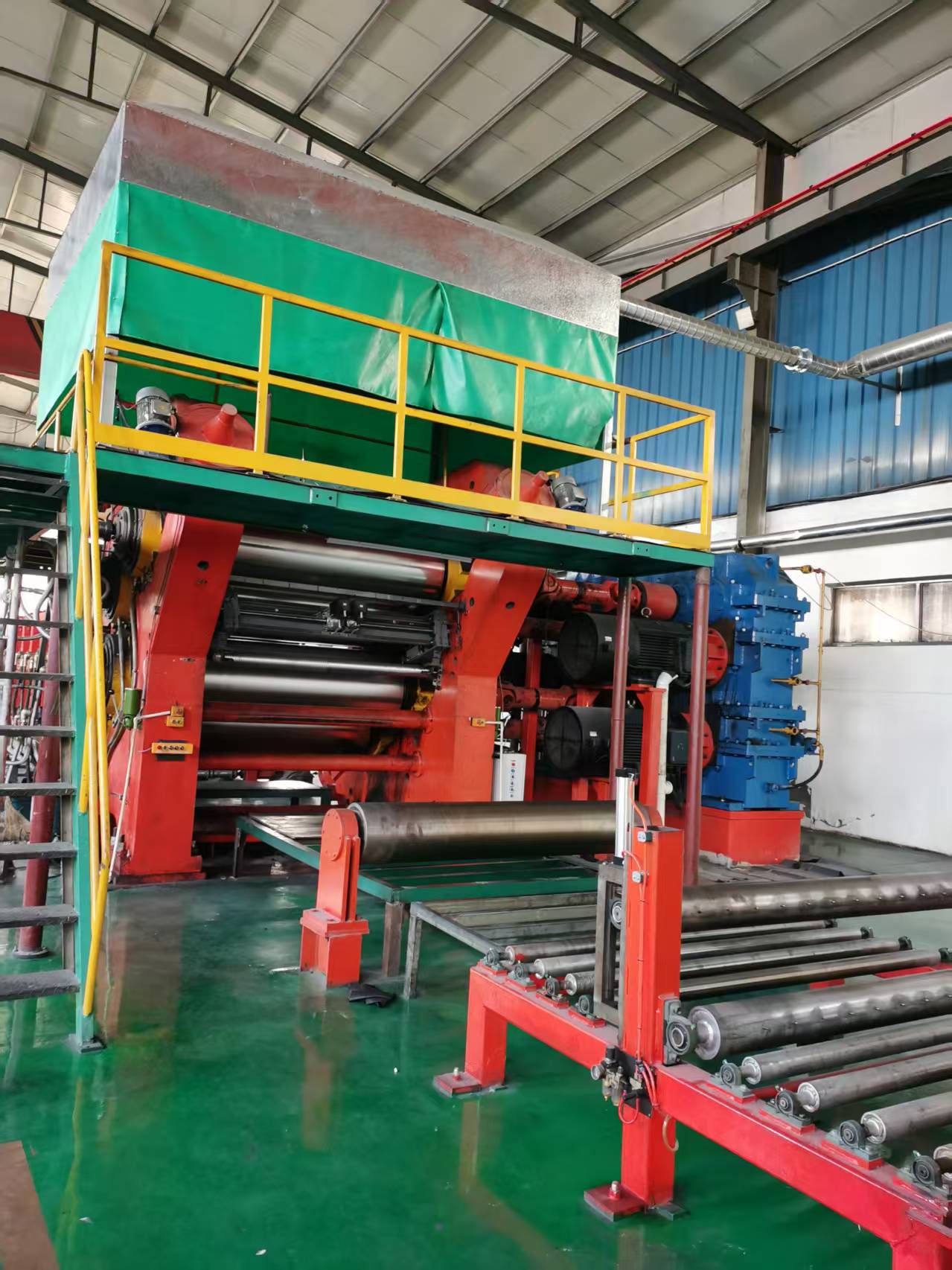
Calendering & Shaping Machine
The production of high-quality PVC light-duty conveyor belts for fire-risk underground environments requires sophisticated manufacturing facilities equipped with precision calendering equipment, automated fabric feeding systems, and controlled curing processes. State-of-the-art mixing centers utilize computerized proportioning systems to ensure consistent formulation of PVC compounds with precise ratios of flame retardants, anti-static additives, plasticizers, and stabilizers. The calendering process must maintain tight tolerances on cover thickness uniformity and fabric-to-cover adhesion to ensure consistent performance across the entire belt length.
Quality assurance protocols for fire-resistant conveyor belts encompass both in-process monitoring and final product testing. Raw material verification ensures that all components meet specifications before production begins. In-line measurement systems monitor belt thickness, width, and straightness during manufacturing. Post-production testing includes comprehensive evaluation of mechanical properties, flame resistance characteristics, electrical conductivity, and dimensional accuracy. Leading manufacturers maintain accredited testing laboratories capable of performing all required certification tests, providing customers with documented assurance of product compliance with applicable standards.
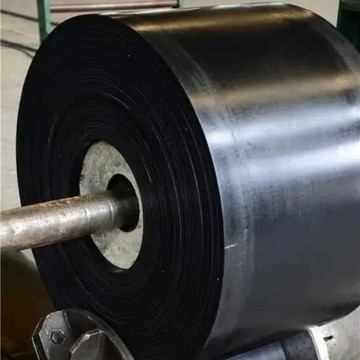 Acid and Alkali Resistant Conveyor Belt
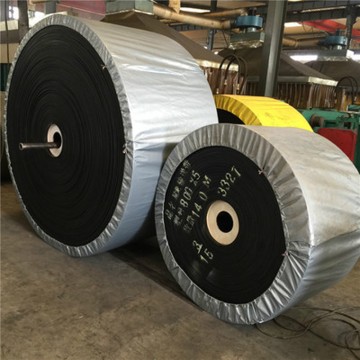 Heat-Resistant Rubber Conveyor Belt
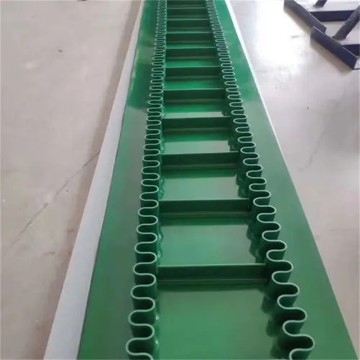 PVC-PU Lightweight Conveyor Belt
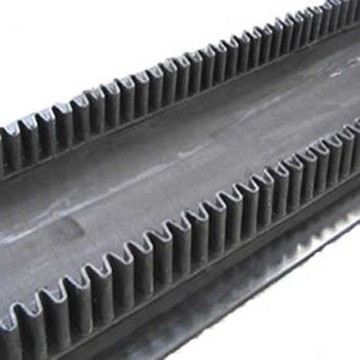 Edge-Reinforced Rubber Conveyor Belt
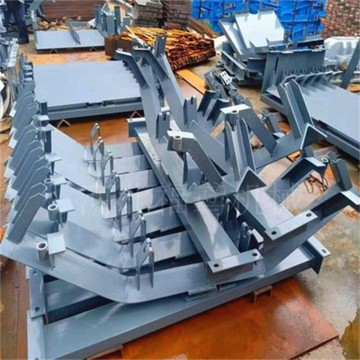 Conveyor Belt Idler Roller
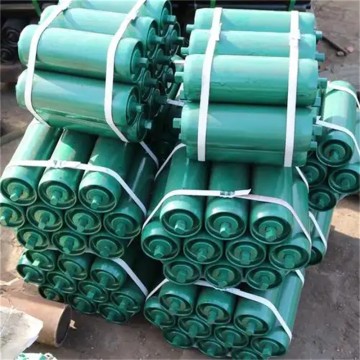 Suspended Rollers Of The Conveyor Belt Machine In A Trough Shape
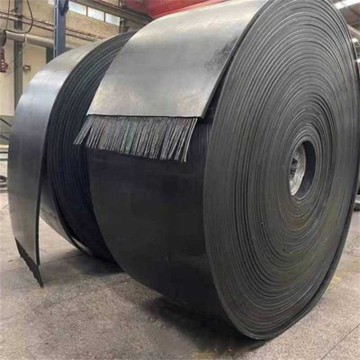 Steel Wire Rope Core Conveyor Belt
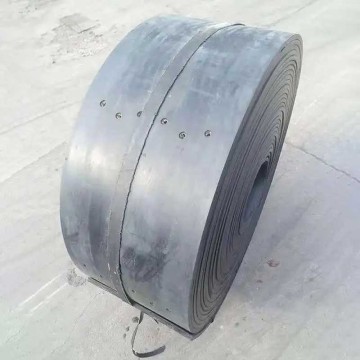 Rubber Lifting Conveyor Belt
PVC light-duty conveyor belts specifically engineered for fire-risk underground environments represent a critical intersection of materials science, safety engineering, and operational efficiency. As underground operations continue to expand in depth and complexity, the demands placed on these essential components will only intensify. The ongoing evolution of PVC formulations, manufacturing technologies, and monitoring systems promises to deliver even safer and more reliable solutions for protecting workers and assets in hazardous underground environments.
The commitment to continuous improvement in fire-resistant conveyor belt technology reflects the broader industry dedication to zero-harm safety cultures and sustainable operational practices. By selecting appropriate PVC light-duty conveyor belts, implementing rigorous maintenance programs, and staying informed about emerging technologies and best practices, operators of underground facilities can significantly enhance safety while optimizing operational performance. The future of underground material handling lies in intelligent, adaptive systems that not only meet current safety standards but anticipate and prevent potential hazards before they materialize, ensuring that every worker returns home safely at the end of each shift.