Leave Your Message

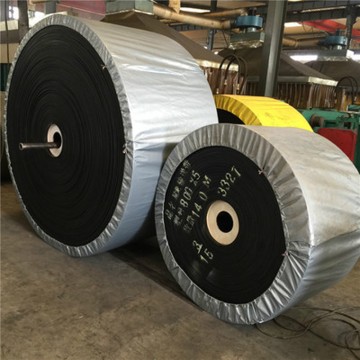
PU Light-Duty Conveyor Belts For Heavy-Duty Bulk Material Transport

Advanced Solutions for Industrial Material Handling Excellence

Revolutionizing Heavy-Duty Bulk Material Transport with PU Light-Duty Conveyor Belts

In the rapidly evolving landscape of industrial material handling, PU (polyurethane) light-duty conveyor belts have emerged as a transformative solution for heavy-duty bulk material transport applications. Despite their classification as "light-duty," these advanced conveyor systems have proven remarkably effective in handling substantial volumes of bulk materials across diverse industrial sectors. This paradoxical combination of lightweight design and heavy-duty performance represents a significant breakthrough in conveyor belt technology, offering unprecedented efficiency, durability, and cost-effectiveness.

1The Current Industrial Landscape

The global conveyor belt market has experienced substantial growth, with projections indicating continued expansion through 2030. Within this broader market, PU conveyor belts have carved out a significant niche, particularly in applications requiring precise material handling, food-grade compliance, and resistance to various environmental factors. The heavy-duty bulk material transport sector, traditionally dominated by rubber and fabric-reinforced belts, is increasingly recognizing the advantages of PU technology.
Market Dynamics: The shift toward PU light-duty conveyor belts in heavy-duty applications reflects broader industry trends emphasizing sustainability, operational efficiency, and total cost of ownership rather than initial capital expenditure alone. Industries ranging from mining and agriculture to manufacturing and logistics are reconsidering their material handling strategies to incorporate these advanced solutions.
Modern manufacturing facilities, distribution centers, and processing plants face mounting pressure to increase throughput while reducing energy consumption and maintenance downtime. PU light-duty conveyor belts address these challenges through their unique material properties, which combine flexibility with exceptional tensile strength, abrasion resistance, and chemical stability. These characteristics enable them to handle bulk materials such as grains, minerals, aggregates, and manufactured goods with remarkable efficiency.

2Technical Advantages and Material Innovation

Polyurethane's molecular structure provides PU conveyor belts with distinctive advantages over traditional materials. The polymer chains can be engineered to achieve specific hardness levels, flexibility ratings, and surface characteristics, allowing manufacturers to customize belts for particular applications. In heavy-duty bulk material transport, this customization capability proves invaluable.
The tensile strength of PU belts, despite their lighter weight compared to conventional heavy-duty options, often matches or exceeds that of traditional materials. This is achieved through advanced reinforcement techniques, including the integration of synthetic fabrics, aramid fibers, or even steel cord reinforcement in specialized applications. The result is a conveyor belt that can handle significant load capacities while maintaining the flexibility necessary for efficient operation around pulleys and rollers.
Key Performance Characteristics: PU conveyor belts demonstrate exceptional resistance to cutting, tearing, and abrasion—critical factors in bulk material transport where sharp-edged materials or continuous friction can rapidly degrade inferior belting. Additionally, their resistance to oils, chemicals, and various temperature ranges makes them suitable for diverse industrial environments.

Core Features and Benefits

⚡

Superior Durability

Enhanced resistance to wear, tear, and abrasion ensures extended service life even in demanding bulk material transport applications.

🔧

Low Maintenance

Reduced friction coefficients and self-lubricating properties minimize maintenance requirements and operational downtime.

💰

Cost Efficiency

Lower energy consumption and extended lifespan result in significantly reduced total cost of ownership over the belt's operational life.

🌡️

Temperature Resistance

Exceptional performance across wide temperature ranges from -40°C to +90°C, suitable for diverse industrial environments.

🛡️

Chemical Resistance

Outstanding resistance to oils, greases, and various chemicals commonly encountered in industrial material handling.

♻️

Environmental Compliance

FDA-approved materials available for food-grade applications, with recyclable options supporting sustainability initiatives.

Deep-Dive Application Analysis

The versatility of PU light-duty conveyor belts has enabled their adoption across numerous industrial sectors, each presenting unique challenges and requirements for bulk material transport.
01

Mining and Quarrying Operations

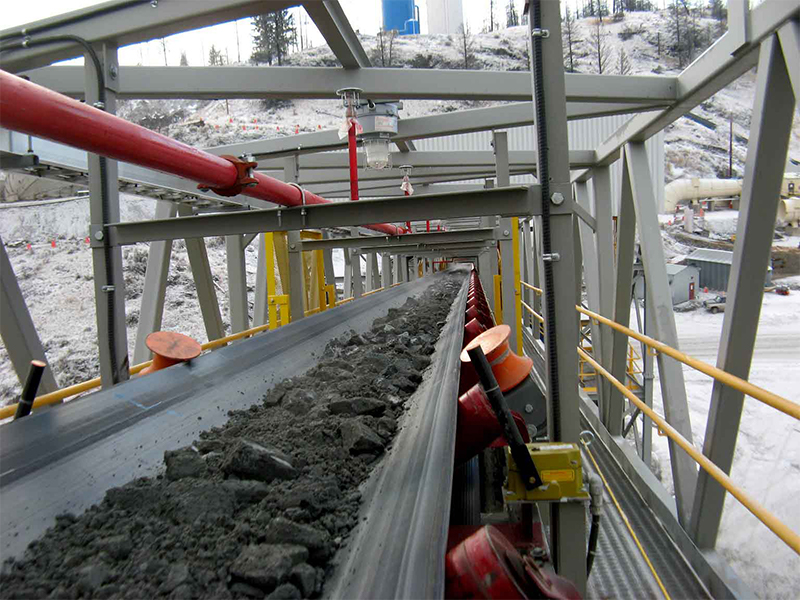
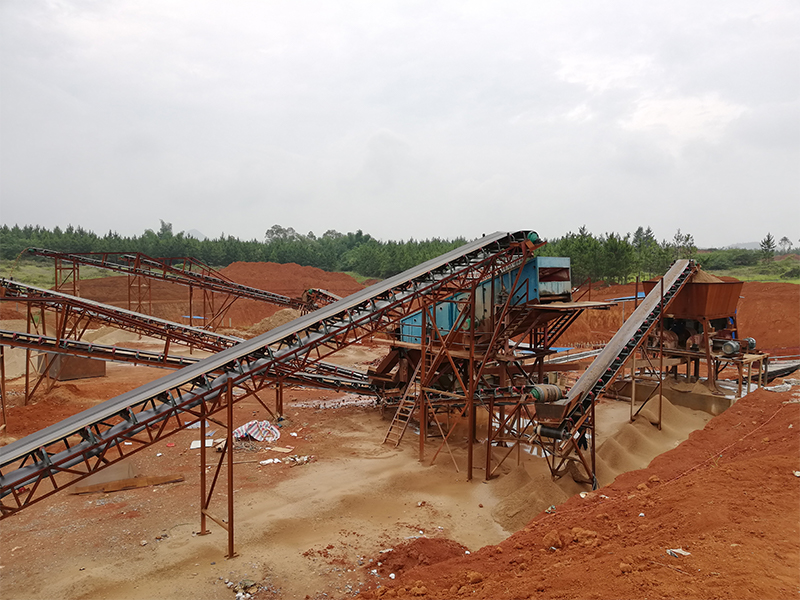
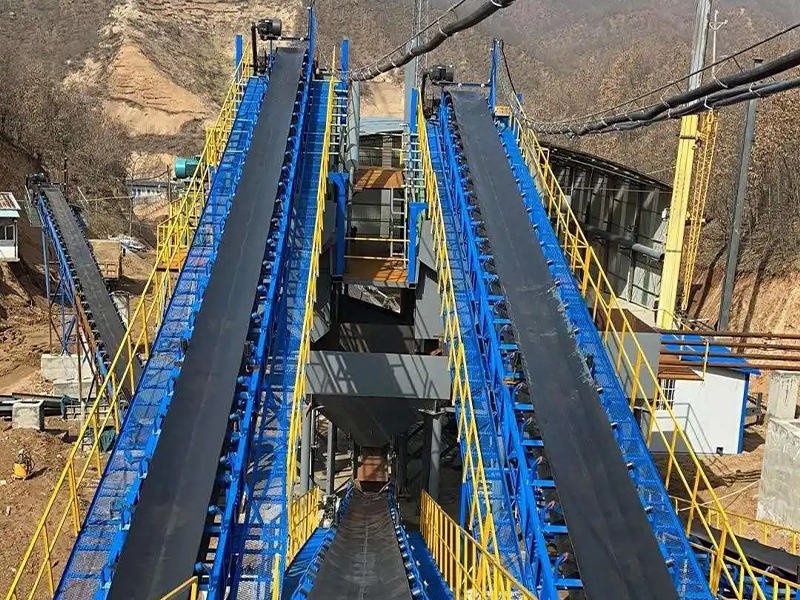
In mining operations, PU conveyor belts handle crushed ore, aggregates, and minerals with exceptional efficiency. Their abrasion resistance proves critical when transporting sharp-edged materials, while their flexibility allows for complex conveyor configurations navigating challenging terrain.

02

Agricultural Processing

Agricultural facilities utilize PU belts for grain handling, seed processing, and fertilizer distribution. The food-grade variants ensure compliance with safety regulations while maintaining the durability necessary for continuous operation during harvest seasons.

03

Cement and Building Materials

Cement plants and building material facilities benefit from PU belts' resistance to abrasive materials and their ability to operate in dusty environments. Their low-friction characteristics reduce energy consumption in systems running continuously.

04

Recycling and Waste Management

Recycling facilities handling mixed materials appreciate PU belts' resistance to cuts and punctures. Their easy-clean surfaces facilitate maintenance in environments where contamination control is essential.

05

Chemical and Pharmaceutical Industries

Industries requiring stringent hygiene standards and chemical resistance rely on PU conveyor belts for transporting powders, granules, and packaged materials. Their non-porous surfaces prevent bacterial growth and contamination.

06

Port and Logistics Operations

Port facilities and logistics centers use PU belts for efficient cargo handling, benefiting from their ability to withstand weather exposure while maintaining consistent performance in high-throughput operations.

3Development Trends and Future Outlook

The conveyor belt industry is experiencing transformative changes driven by technological advancement, environmental consciousness, and the push toward Industry 4.0 integration. PU light-duty conveyor belts are at the forefront of several key trends shaping the future of bulk material transport.
Smart Conveyor Systems: Integration of IoT sensors and monitoring systems into PU conveyor belts enables predictive maintenance, real-time performance tracking, and automated adjustments. These smart systems can detect wear patterns, tension variations, and potential failures before they result in costly downtime, representing a significant advancement in operational efficiency.
Manufacturers are developing PU formulations with enhanced properties, including improved heat resistance for high-temperature applications, increased load-bearing capacity through advanced reinforcement technologies, and specialized surface treatments for specific material handling requirements. These innovations continue to expand the applicable range of PU light-duty belts into traditionally heavy-duty domains.
Sustainability considerations are driving the development of bio-based polyurethanes and recyclable belt designs. As industries face increasing pressure to reduce their environmental footprint, PU conveyor belts offer advantages through their energy efficiency, longevity, and potential for end-of-life recycling. Some manufacturers are exploring closed-loop recycling systems where worn belts can be reprocessed into new products.

4Installation and Operational Considerations

Successful implementation of PU light-duty conveyor belts in heavy-duty bulk material transport requires careful consideration of system design, installation procedures, and operational parameters. Proper belt selection involves analyzing material characteristics, conveyor geometry, operating environment, and throughput requirements.
Belt tensioning represents a critical factor in performance and longevity. PU belts typically require lower tension than traditional rubber belts due to their superior flexibility and lower elongation characteristics. This reduced tension requirement translates to decreased stress on conveyor components, lower energy consumption, and extended equipment life.
Maintenance Best Practices: Regular inspection protocols should focus on edge wear, surface damage, and splice integrity. PU belts' resistance to common contaminants simplifies cleaning procedures, often requiring only water or mild detergents. The non-porous surface prevents material buildup and bacterial growth, critical in food-grade and pharmaceutical applications.

5Economic Analysis and ROI

While PU light-duty conveyor belts may present higher initial costs compared to conventional alternatives, comprehensive total cost of ownership analysis consistently demonstrates their economic advantages. Extended service life, reduced maintenance requirements, lower energy consumption, and decreased downtime contribute to attractive return on investment timelines, typically ranging from 18 to 36 months depending on application intensity.
Energy savings alone can be substantial. The lower coefficient of friction between PU belts and support surfaces reduces drive power requirements by 10-30% compared to traditional rubber belts. In large-scale operations running multiple conveyors continuously, these energy savings translate to significant annual cost reductions and contribute to corporate sustainability goals.

Industry Case Studies

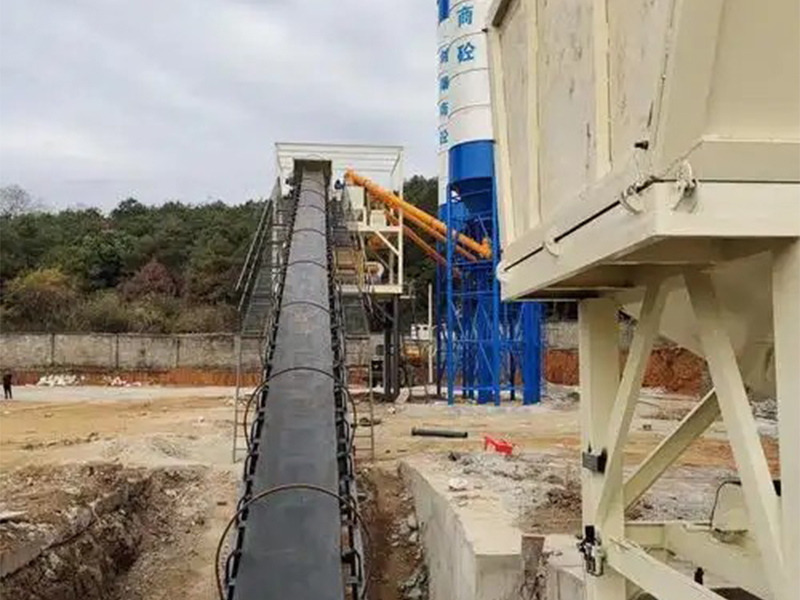
China Railway Group Mixing Plant

China Railway Group Mixing Plant

Conch Cement

Conch Cement

Datong Coal Group

Datong Coal Group

Taihang Steel

Taihang Steel

Tsingshan Group

Tsingshan Group

Zijin Mining

Zijin Mining

6Conclusion: The Future of Material Handling

PU light-duty conveyor belts represent a paradigm shift in heavy-duty bulk material transport, challenging traditional assumptions about the relationship between belt weight and load-bearing capacity. Through advanced material science, innovative design, and continuous technological refinement, these conveyor systems deliver exceptional performance across diverse industrial applications.
As industries continue to prioritize efficiency, sustainability, and operational reliability, PU conveyor belt technology is positioned for continued growth and innovation. The convergence of smart manufacturing, advanced materials, and environmental consciousness creates an ideal environment for expanded adoption of these versatile material handling solutions.
Looking Ahead: The next generation of PU conveyor belts will likely incorporate self-healing materials, embedded sensors for continuous monitoring, and artificial intelligence-driven optimization systems. These advancements will further enhance the already impressive capabilities of PU light-duty belts, solidifying their position as the preferred solution for modern heavy-duty bulk material transport applications.
For operations managers, engineers, and decision-makers evaluating conveyor system upgrades or new installations, PU light-duty conveyor belts merit serious consideration. Their proven track record across demanding applications, combined with ongoing technological advancement and comprehensive economic benefits, makes them an intelligent choice for organizations committed to operational excellence and long-term competitiveness in today's challenging industrial landscape.