+86 18920794106
Leave Your Message
-
Contact WhatsApp
-
 Contact Phone
-
 Contact Email
Our specialized PU light-duty conveyor belts are engineered to perform reliably in extreme cold-weather conditions, ensuring continuous operation in the harshest outdoor environments.
The global material handling industry faces unprecedented challenges in extreme cold-weather environments, where temperatures can plummet to -40°C or lower. Traditional conveyor belt materials often fail under such conditions, experiencing brittleness, cracking, and reduced flexibility that can halt operations and lead to costly downtime. PU (Polyurethane) light-duty conveyor belts have emerged as the optimal solution for these demanding applications, offering superior cold-weather performance that maintains operational efficiency even in the harshest climates.
The market for cold-resistant conveyor systems has experienced significant growth, driven by expanding operations in Arctic regions, increased mining activities in northern territories, and the growth of cold storage logistics facilities. According to industry analysis, the global cold-resistant conveyor belt market is projected to reach $2.8 billion by 2028, with a compound annual growth rate (CAGR) of 5.7%. This growth is particularly pronounced in sectors such as mining, construction, logistics, and food processing, where outdoor operations must continue regardless of weather conditions.
PU light-duty conveyor belts maintain flexibility and tensile strength at temperatures as low as -50°C, significantly outperforming traditional rubber compounds that become brittle and crack at -20°C. This exceptional cold-weather performance ensures continuous operation in Arctic mining operations, outdoor material handling facilities, and cold storage logistics centers where temperature extremes are routine.
The application of PU light-duty conveyor belts in extreme cold-weather outdoor hauling spans multiple industries, each with unique requirements and operational challenges. The mining sector represents the largest market segment, particularly in northern regions where operations continue year-round despite sub-zero temperatures. Open-pit mines in Canada, Russia, Scandinavia, and Alaska rely on cold-resistant conveyor systems to transport ore, overburden, and processed materials across vast distances in temperatures that regularly drop below -30°C.
Construction and infrastructure projects in cold climates have increasingly adopted PU conveyor technology for material handling. Large-scale projects such as highway construction, pipeline installation, and building development in northern territories require reliable material transport systems that can operate continuously through winter months. The lightweight nature of PU belts, combined with their cold-weather resilience, makes them ideal for temporary installations and mobile conveyor systems used in construction applications.
The logistics and warehousing industry has witnessed rapid adoption of cold-resistant PU conveyor belts, particularly in cold storage facilities and refrigerated distribution centers. The global cold chain logistics market, valued at over $250 billion, relies heavily on conveyor systems that can operate efficiently in controlled low-temperature environments ranging from -25°C to -30°C. PU belts offer significant advantages in these applications, including resistance to moisture absorption, easy cleaning, and compliance with food safety standards.
PU material maintains exceptional flexibility at extremely low temperatures, preventing the brittleness and cracking common in traditional rubber belts. This ensures smooth operation around pulleys and idlers even in -40°C conditions.
Advanced polyurethane compounds offer superior abrasion resistance and tear strength, extending belt life by up to 300% compared to conventional materials in cold-weather applications.
Lower rolling resistance and reduced weight compared to traditional rubber belts result in decreased power consumption, delivering energy savings of 15-25% in typical cold-weather operations.
Excellent resistance to oils, greases, and de-icing chemicals commonly used in cold-weather operations, maintaining belt integrity and performance throughout the operational lifecycle.
Non-porous PU surface prevents water absorption and ice formation, eliminating the weight gain and performance degradation that affects traditional fabric-reinforced belts in cold, wet conditions.
Extended service life, recyclability, and reduced energy consumption contribute to lower environmental impact, aligning with corporate sustainability goals and environmental regulations.
In remote Arctic mining facilities, PU conveyor belts transport ore and waste material across distances exceeding 10 kilometers in temperatures reaching -45°C. The belts' flexibility prevents damage to expensive drive systems and maintains consistent material flow despite extreme temperature fluctuations between day and night operations.
Mobile conveyor systems equipped with PU belts enable continuous concrete aggregate handling and material distribution on construction sites throughout winter months. The lightweight design facilitates rapid deployment and repositioning, while cold-weather performance ensures uninterrupted project progress.
Coastal ports in northern regions utilize PU conveyor systems for bulk material handling in conditions combining extreme cold with high humidity and salt exposure. The belts' resistance to moisture and corrosive environments ensures reliable operation for loading and unloading vessels year-round.
Grain handling facilities and agricultural processing plants in cold climates depend on PU conveyor belts that meet food-grade standards while operating efficiently in unheated storage areas and outdoor transfer points where temperatures regularly drop below -20°C.
Outdoor recycling facilities processing materials year-round require conveyor systems that can handle diverse materials in freezing conditions. PU belts provide the necessary durability and cold-weather performance while resisting cuts and tears from sharp materials.
Automated distribution centers and cold storage warehouses maintain temperatures between -25°C and -30°C for frozen food storage. PU conveyor belts ensure smooth product flow, meet stringent hygiene requirements, and resist ice buildup that can compromise operations.
The evolution of PU light-duty conveyor belt technology continues to accelerate, driven by advancing material science and increasing demand for reliable cold-weather solutions. Recent innovations include the development of hybrid PU formulations that incorporate graphene and carbon nanotubes, enhancing strength and conductivity while maintaining cold-weather flexibility. These advanced materials are enabling new applications in automated systems where static discharge control is critical.
Smart conveyor technology integration represents a significant trend, with sensors embedded in PU belts monitoring temperature, tension, wear, and operational parameters in real-time. This data enables predictive maintenance strategies that reduce unexpected downtime and optimize belt replacement schedules. In extreme cold-weather applications, where access for inspection may be limited by weather conditions, remote monitoring capabilities provide invaluable operational insights.
Sustainability considerations are driving innovation in PU belt manufacturing, with increased use of bio-based polyols derived from renewable sources. These environmentally friendly formulations maintain the performance characteristics required for cold-weather applications while reducing the carbon footprint of production. Industry leaders are targeting 30-50% bio-based content in next-generation PU conveyor belts without compromising cold-weather performance.
The superior performance of PU light-duty conveyor belts in extreme cold-weather conditions stems from the unique molecular structure of polyurethane elastomers. Unlike conventional rubber compounds that rely on sulfur cross-linking, PU materials utilize urethane linkages that maintain flexibility and strength across a broader temperature range. The glass transition temperature (Tg) of specialized cold-weather PU formulations typically falls between -60°C and -70°C, well below the operating temperatures encountered in most extreme cold-weather applications.
Advanced PU compounds incorporate polyether or polyester soft segments that provide flexibility, combined with hard segments derived from diisocyanates and chain extenders that contribute strength and abrasion resistance. The ratio and molecular weight of these segments can be precisely controlled during manufacturing to optimize performance for specific applications. Cold-weather formulations typically employ polyether soft segments, which resist hydrolysis and maintain flexibility at low temperatures better than polyester alternatives.
Reinforcement materials play a crucial role in PU light-duty conveyor belt construction. High-tenacity polyester fabrics provide dimensional stability and tensile strength, while aramid fibers may be incorporated in applications requiring enhanced tear resistance. The PU coating fully encapsulates these reinforcement layers, preventing moisture ingress and ice formation within the belt structure—a common failure mode in traditional fabric-reinforced rubber belts exposed to cold, humid conditions.
Successful implementation of PU conveyor belts in extreme cold-weather applications requires careful attention to installation procedures and ongoing maintenance protocols. Belt tensioning is particularly critical, as PU materials exhibit different elastic properties compared to traditional rubber. Initial tension should be set according to manufacturer specifications, with adjustments made after a brief break-in period to account for initial elongation. In cold-weather applications, tension monitoring becomes even more important, as temperature fluctuations can affect belt length and tracking.
Splice quality directly impacts belt reliability in demanding cold-weather operations. Mechanical fasteners offer quick installation and easy repair but may create stress concentration points in cold temperatures. Finger splices and welded joints provide superior strength and flexibility, making them the preferred choice for permanent installations in extreme cold-weather environments. Advanced hot-melt welding techniques create molecular bonds between belt ends that approach the strength of the parent material, ensuring splice integrity even at -40°C.
Preventive maintenance programs for cold-weather conveyor systems should include regular inspection of belt surfaces for signs of wear, cuts, or damage that could propagate in low temperatures. Idler roller condition is equally important, as frozen or damaged rollers can cause excessive belt wear and tracking problems. Modern condition monitoring systems utilizing thermal imaging, vibration analysis, and belt speed sensors enable early detection of potential issues before they result in costly failures.
Leading operators of cold-weather conveyor systems report availability rates exceeding 99% through implementation of comprehensive maintenance programs, proper belt selection, and investment in quality components. The total cost of ownership for PU light-duty conveyor belts in extreme cold-weather applications is typically 30-40% lower than traditional alternatives when considering extended service life, reduced energy consumption, and decreased maintenance requirements.
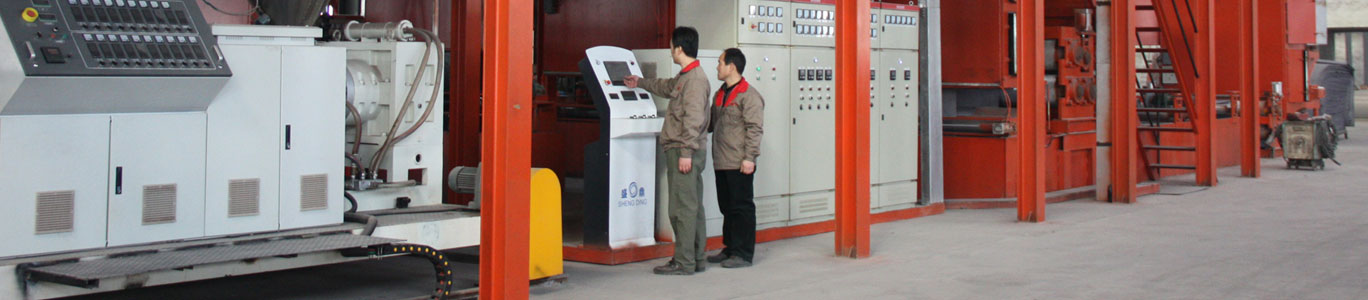
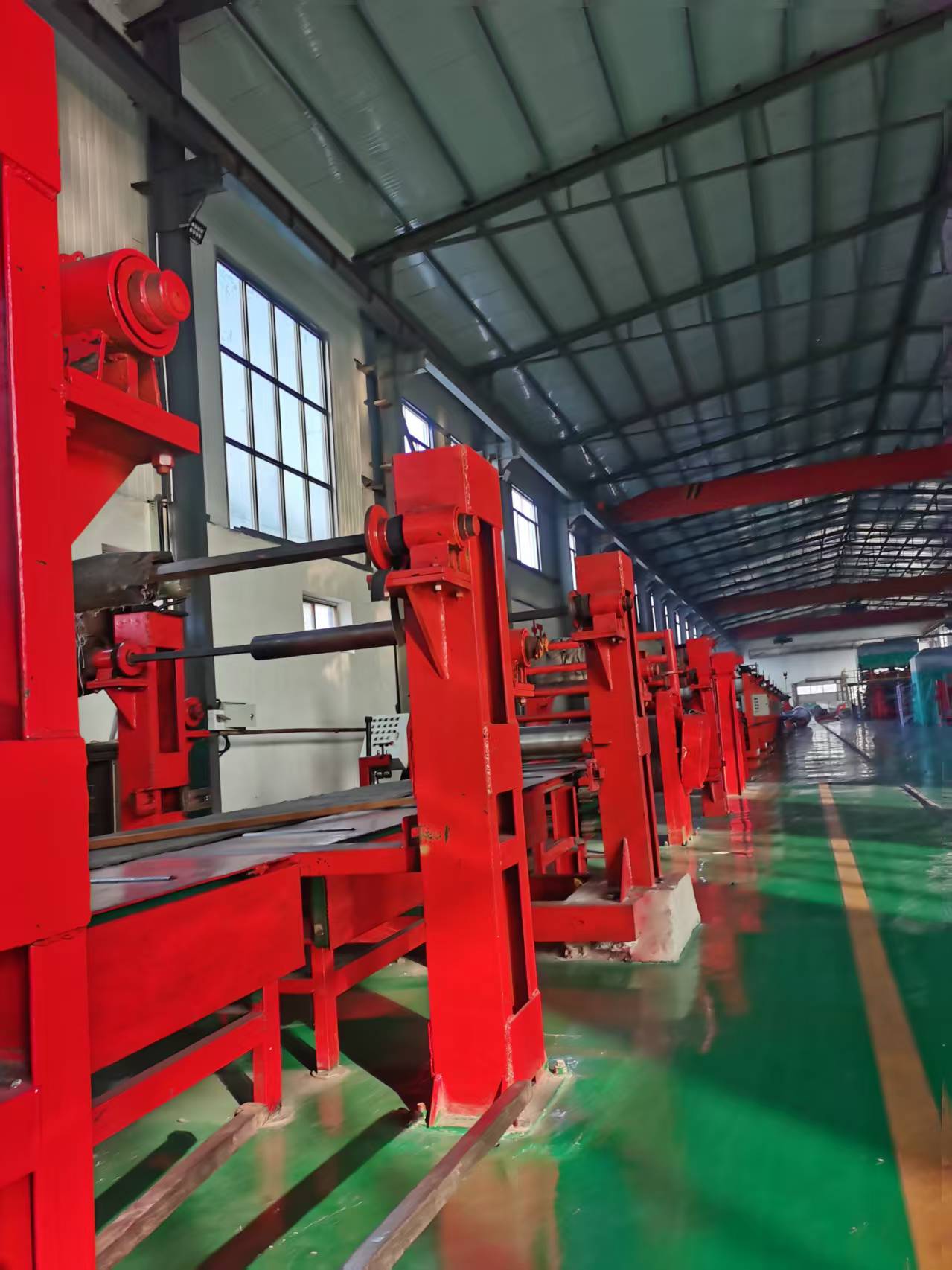
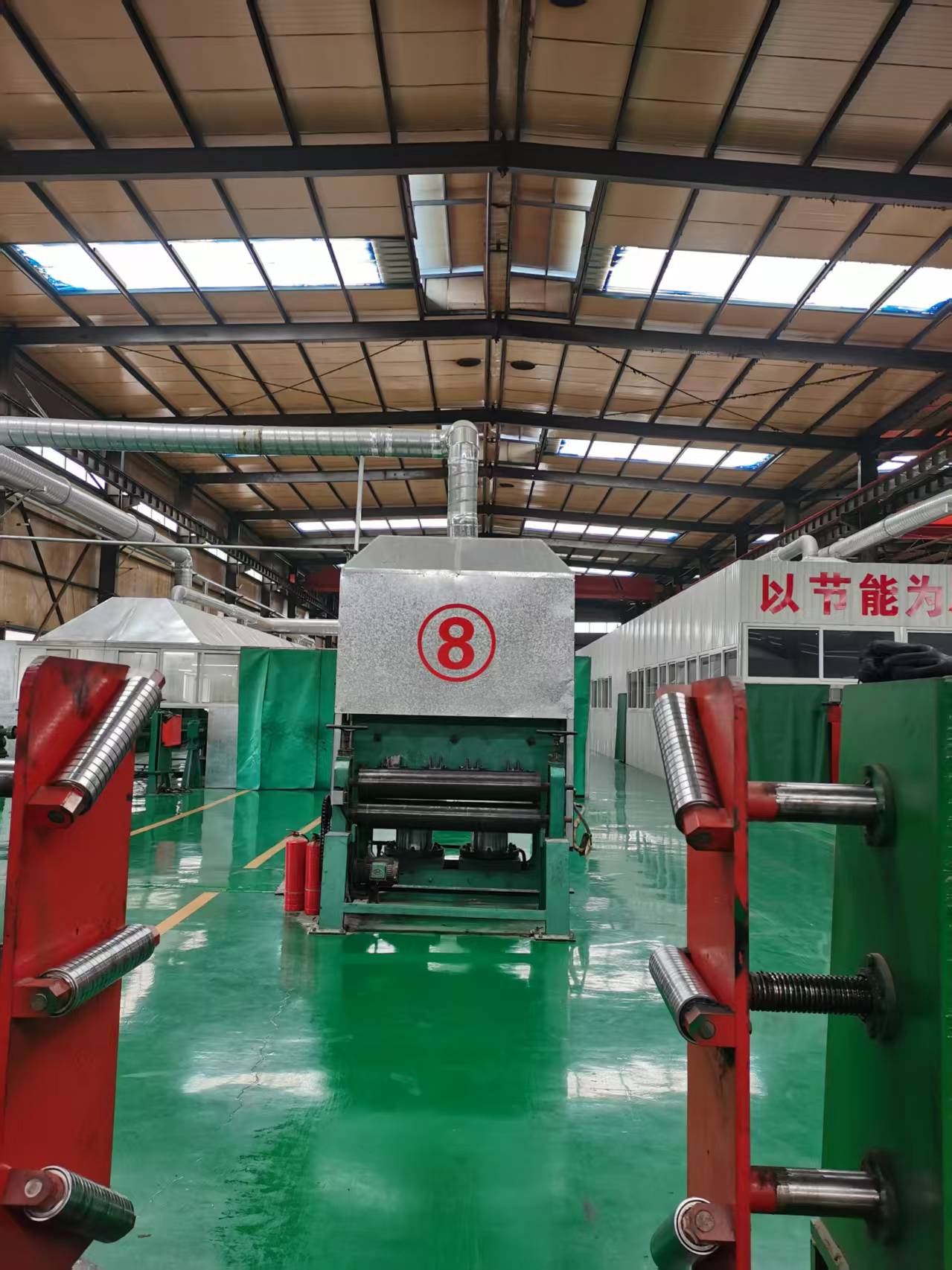
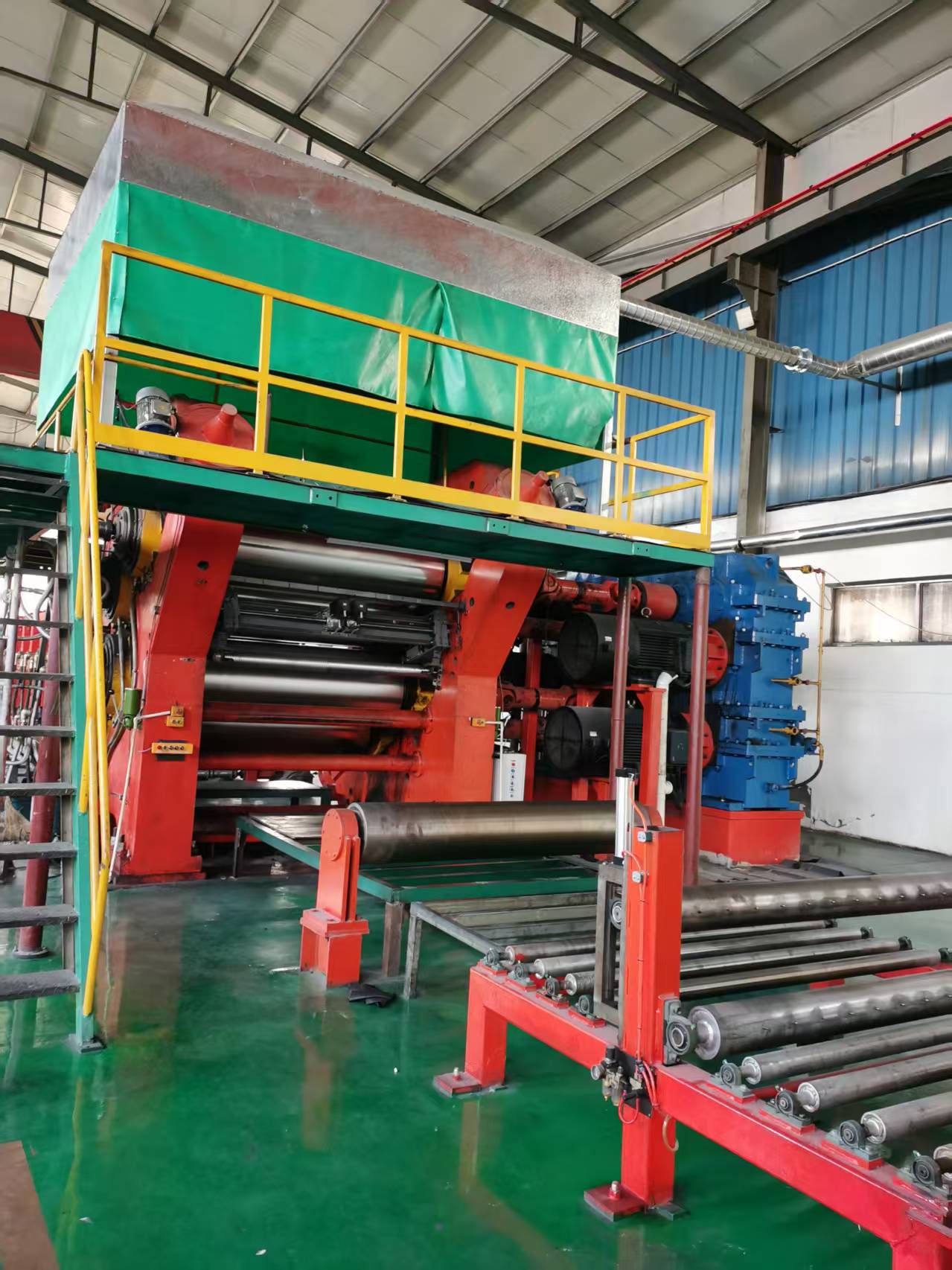
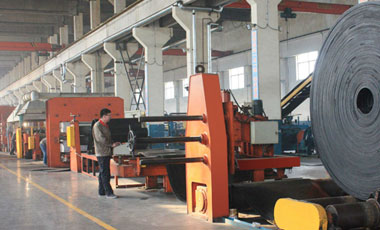
Production Line of Fabric Conveyor Belt
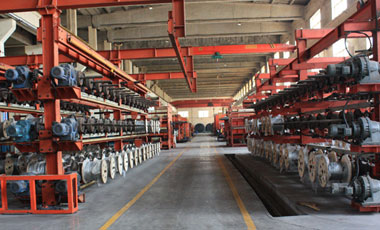
Production Equipment of Steel Cord Conveyor Belt
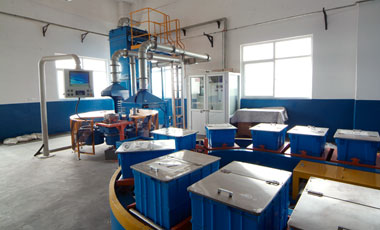
Proportioning Room of Mixing Center
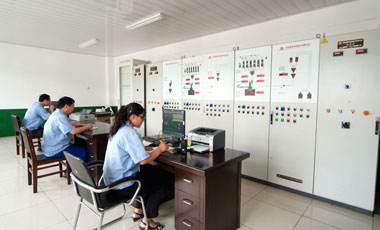
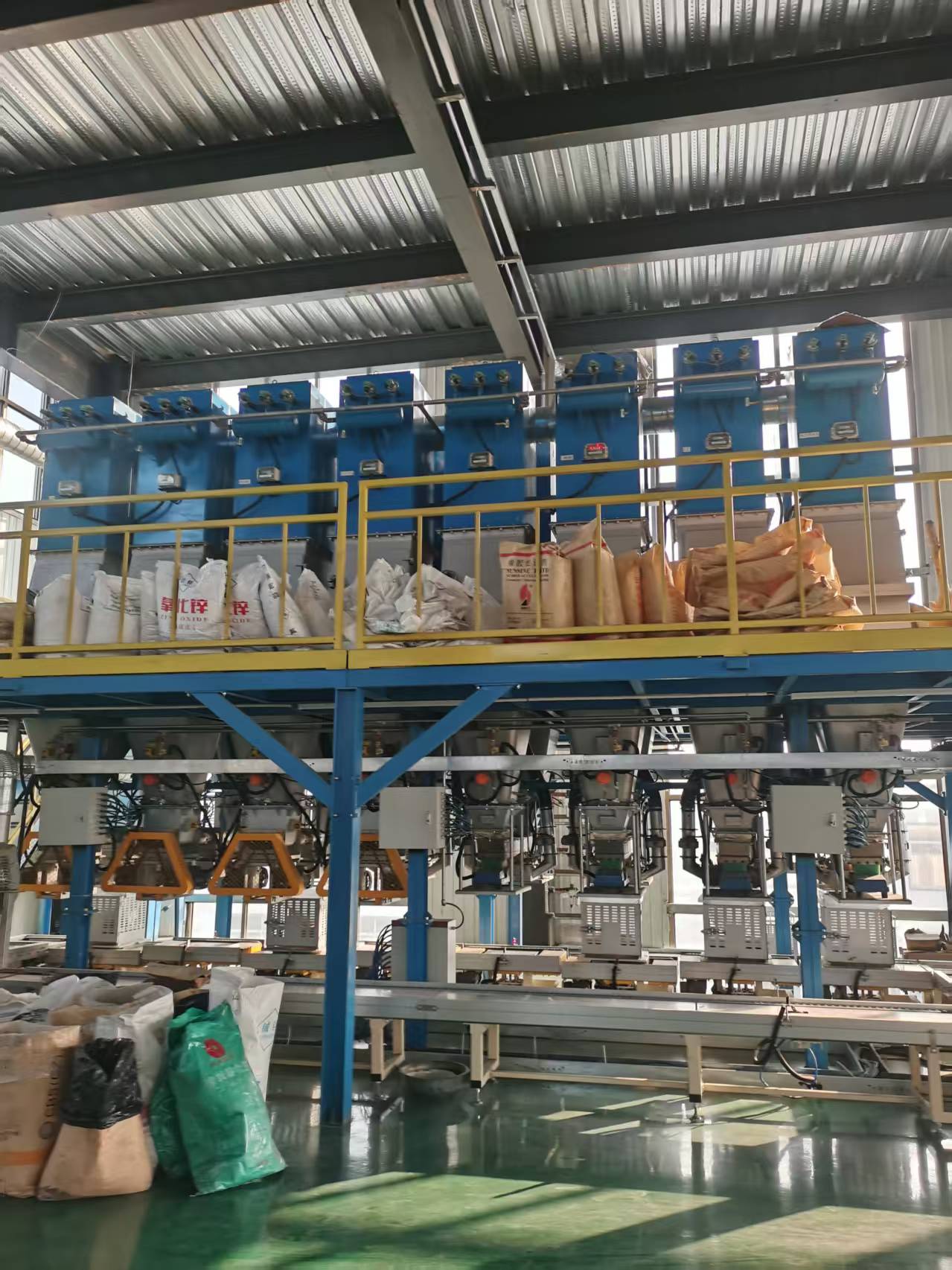
Proportioning System of Mixing Center
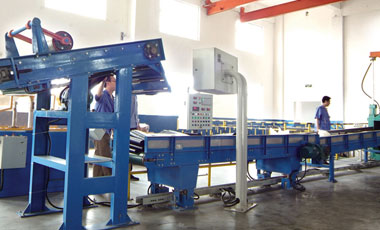
Feeding Device
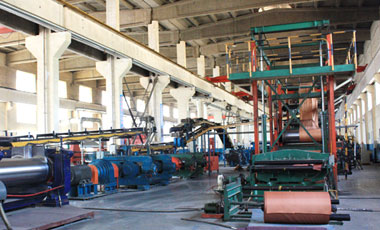
Calendering & Shaping Machine
Our state-of-the-art testing facilities ensure every conveyor belt meets the highest quality standards for extreme cold-weather performance, including low-temperature flexibility testing, tensile strength analysis, and abrasion resistance evaluation.
Comprehensive conveyor belt solutions engineered for demanding industrial applications across all temperature ranges and operating conditions.