+86 18920794106
Leave Your Message
-
Contact WhatsApp
-
 Contact Phone
-
 Contact Email
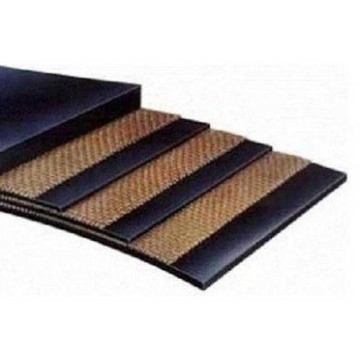
In modern material handling systems, preventing material slippage on inclined conveyor belts represents one of the most critical engineering challenges. Polyester rubber conveyor belts have emerged as the industry-leading solution for slope applications, combining exceptional tensile strength with superior friction characteristics. These specialized belts utilize polyester fabric as the reinforcement layer, bonded with high-grade rubber compounds specifically formulated to resist slippage while maintaining flexibility and durability under demanding operational conditions.
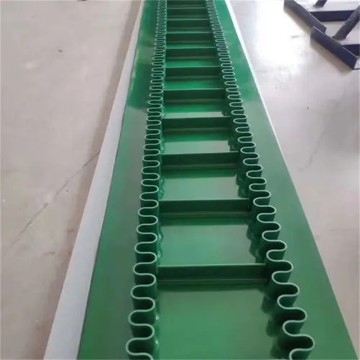
Polyester rubber conveyor belts incorporate advanced surface patterns and rubber compounds that significantly increase the coefficient of friction between the belt surface and transported materials. This enhanced grip prevents material rollback on slopes up to 30 degrees, ensuring continuous and efficient material flow even in challenging inclined applications.
The polyester fabric reinforcement provides outstanding tensile strength ranging from 400 N/mm to 2500 N/mm, enabling these belts to handle heavy loads on steep inclines without stretching or deformation. This structural integrity is crucial for maintaining consistent material positioning and preventing slippage during uphill transportation.
Engineered with premium rubber compounds, these belts demonstrate remarkable resistance to abrasion, cutting, and impact damage. The polyester core maintains dimensional stability even under high tension and variable loading conditions, extending operational life by 40-60% compared to conventional belting materials in slope applications.
The low elongation characteristics of polyester fabric minimize belt stretch and maintain precise tracking on inclined conveyors. This results in reduced maintenance requirements, lower energy consumption, and improved overall system efficiency, making them ideal for continuous operation in demanding industrial environments.
The global market for polyester rubber conveyor belts in slope applications has experienced substantial growth, driven by expanding mining operations, port facilities, and bulk material handling sectors. Industry analysis indicates a compound annual growth rate of 5.8% from 2023 to 2030, with particular emphasis on belts designed for preventing material slippage on inclined surfaces.
Manufacturing innovations have introduced enhanced polyester weaving techniques and specialized rubber formulations that provide superior performance in slope applications. Leading manufacturers now offer customized solutions with varying degrees of friction enhancement, from standard textured surfaces to advanced chevron patterns and cleated designs. The integration of smart monitoring systems enables real-time tracking of belt performance, predicting maintenance needs and preventing unexpected failures in critical slope conveying operations.
In underground and open-pit mining, polyester rubber conveyor belts transport ore, coal, and aggregates up steep inclines from extraction points to processing facilities. These belts handle materials with varying moisture content and particle sizes while maintaining grip on slopes ranging from 18° to 30°. The belts' resistance to abrasive materials and ability to operate in harsh environmental conditions make them indispensable for continuous mining operations, where material slippage could result in significant productivity losses and safety hazards.
Modern port operations utilize inclined conveyor systems to transfer bulk materials from ships to storage facilities or transportation vehicles. Polyester rubber belts with enhanced friction properties prevent slippage of materials such as grain, coal, iron ore, and fertilizers during uphill transportation. The belts must withstand outdoor exposure, salt air corrosion, and variable loading patterns while maintaining consistent performance across temperature fluctuations and weather conditions. Advanced chevron patterns provide additional grip for loose materials prone to rollback.
Concrete batching plants, asphalt production facilities, and aggregate processing operations depend on inclined conveyors to elevate sand, gravel, crushed stone, and recycled materials. Polyester rubber belts designed for these applications feature reinforced edges and specialized cover compounds that resist impact damage from falling materials. The belts' dimensional stability ensures accurate material metering and consistent feed rates to downstream processes, while their anti-slip properties prevent material backflow during equipment stops or power interruptions.
Grain elevators, feed mills, and food processing facilities employ inclined polyester rubber conveyor belts to transport agricultural products vertically or at steep angles. These food-grade belts combine anti-slip properties with FDA-approved materials, ensuring both product safety and efficient transportation. The smooth yet grippy surface prevents grain rollback while facilitating easy cleaning and maintenance. Temperature-resistant formulations accommodate hot products from drying processes without compromising material grip or belt integrity.
Recycling facilities and waste processing plants utilize inclined conveyor belts to sort and transport various materials including plastics, paper, metals, and construction debris. The polyester rubber belts must handle diverse material types with varying weights, shapes, and surface characteristics while preventing slippage on sorting line inclines. Enhanced durability protects against sharp objects and abrasive materials common in waste streams, while easy-clean surfaces facilitate sanitation and reduce contamination between different material batches.
Power plants and cement manufacturing facilities require robust inclined conveyor systems to transport coal, limestone, clinker, and other raw materials from storage areas to processing equipment. Polyester rubber belts in these applications must withstand high temperatures, abrasive materials, and continuous operation under heavy loads. Specialized heat-resistant compounds maintain grip characteristics even when transporting materials at elevated temperatures, while reinforced construction prevents belt failure under the demanding conditions typical of heavy industrial environments.
Integration of IoT sensors and RFID tags enables real-time monitoring of belt condition, tension, and wear patterns. Predictive maintenance algorithms analyze data to forecast potential failures before they occur, reducing downtime by up to 45% and optimizing replacement schedules for slope conveyor applications.
Development of nano-composite rubber compounds and high-modulus polyester fabrics enhances both grip and durability. New formulations incorporate graphene and carbon nanotubes to improve tensile strength by 30% while reducing weight, enabling steeper incline angles and higher capacity material transport.
Environmental consciousness drives innovation in eco-friendly belt manufacturing. Recycled rubber compounds, bio-based polymers, and energy-efficient production processes reduce carbon footprint by 40%. End-of-life recycling programs transform worn belts into new products, supporting circular economy principles in industrial material handling.
Advanced CAD software and 3D printing technology enable rapid prototyping of custom belt patterns optimized for specific materials and slope angles. Computer simulation predicts performance characteristics before manufacturing, reducing development time and ensuring optimal anti-slip properties for unique applications.
The convergence of material science, digital technology, and automation is revolutionizing polyester rubber conveyor belt design for slope applications. Artificial intelligence optimizes belt configuration based on material characteristics, environmental conditions, and operational parameters. Self-adjusting tension systems automatically compensate for load variations and thermal expansion, maintaining optimal grip throughout operational cycles. These innovations position polyester rubber conveyor belts as increasingly sophisticated solutions for preventing material slippage in ever more demanding industrial applications.
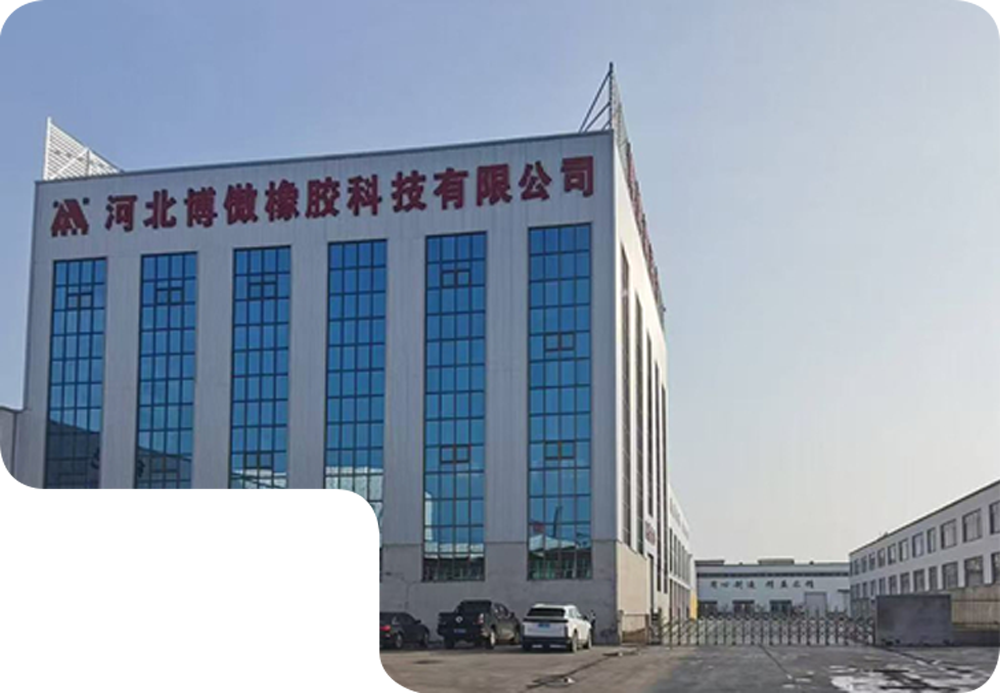
The company has an independent chemical analysis room and physics laboratory, which can ensure timely monitoring of every link from raw material procurement to product delivery. It strictly follows the principle of not entering the site for unqualified products and not leaving the site for products that do not meet standards.
Professional quality inspectors, sophisticated experimental testing equipment, and advanced testing methods ensure the quality of the company's products.
With strong technical strength and a comprehensive after-sales system, our products are exported to various parts of the country. Widely used in industries such as steel, metallurgy, coal, cement, power generation, fertilizers, grain depots, ports, etc.
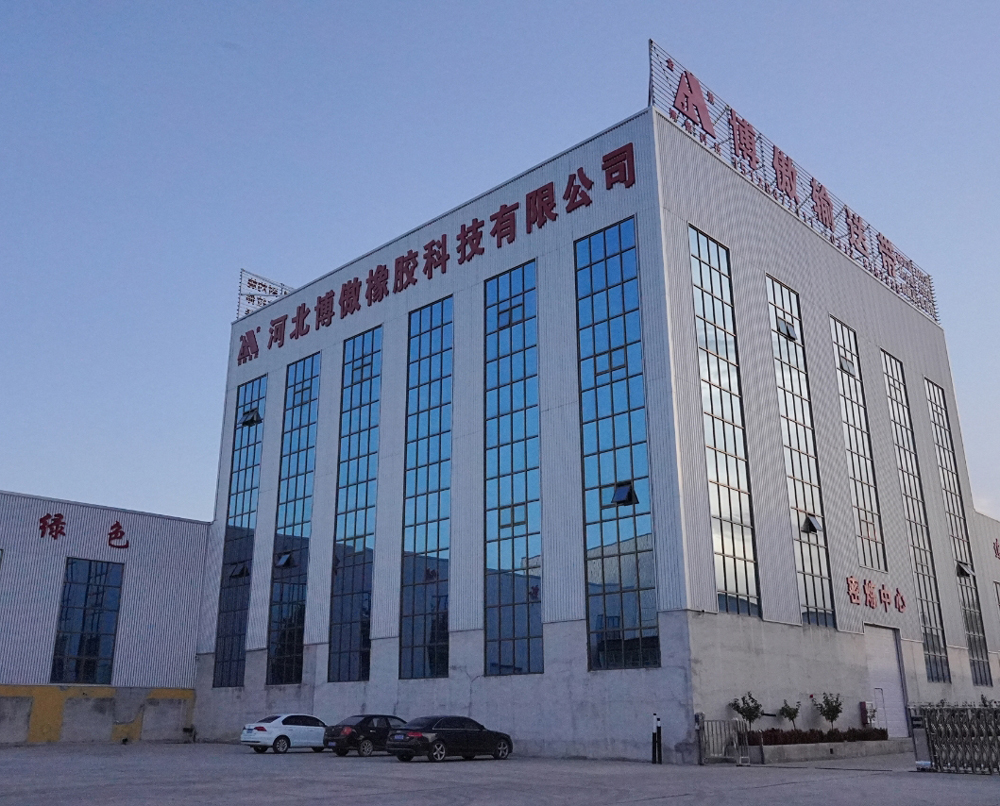
Today, Hebei Boao Rubber Technology Co., Ltd. will be built into a domestic production-oriented enterprise with modern equipment, diversified products, and international market, and will present itself in the new century with a brand new attitude.
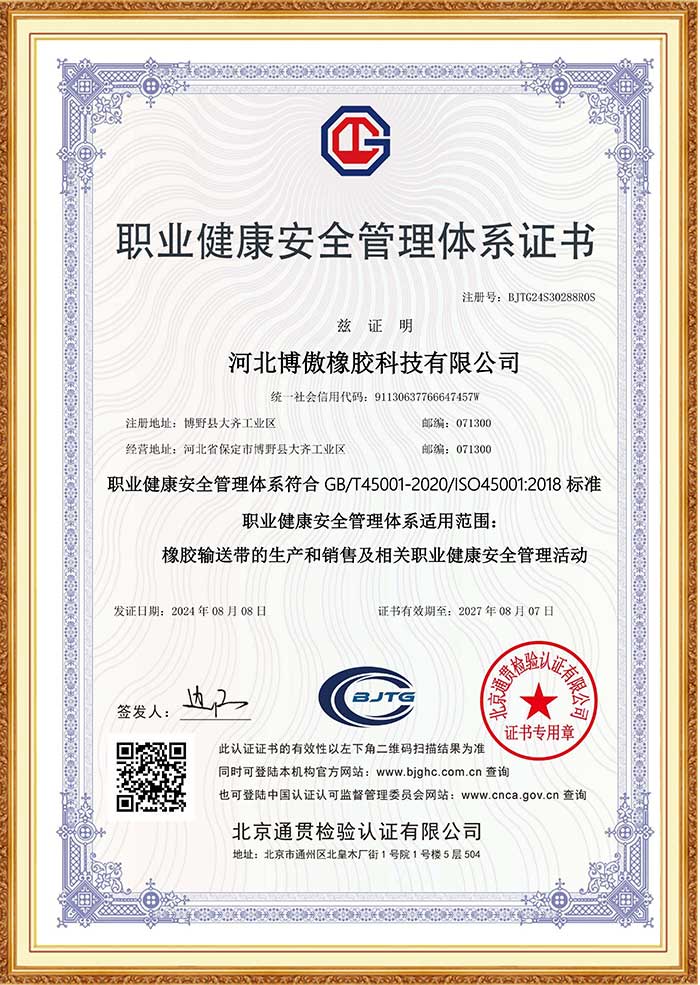

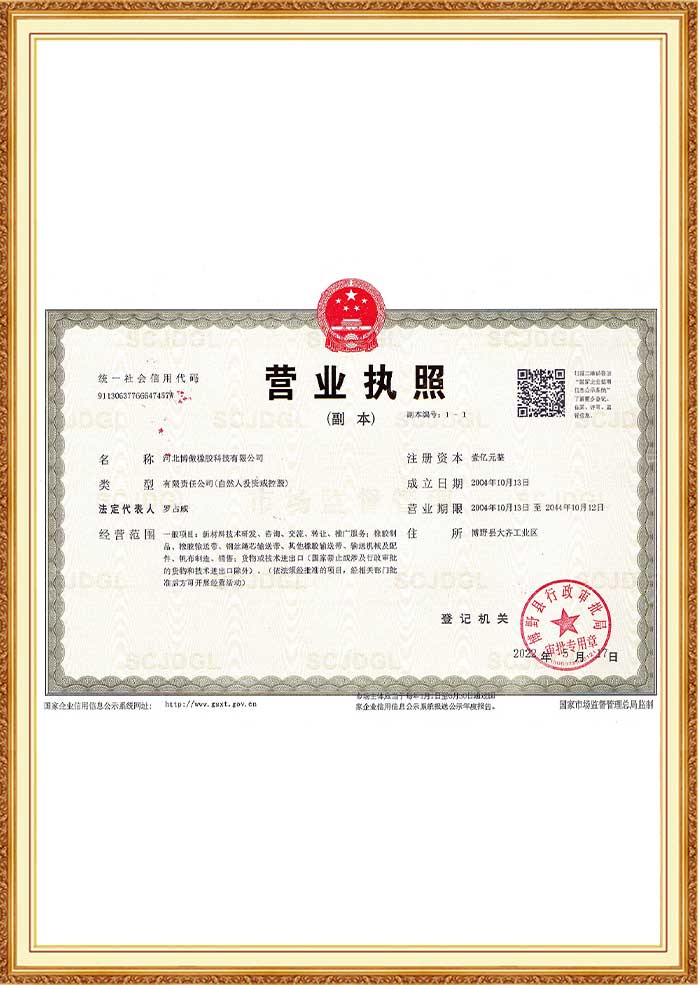
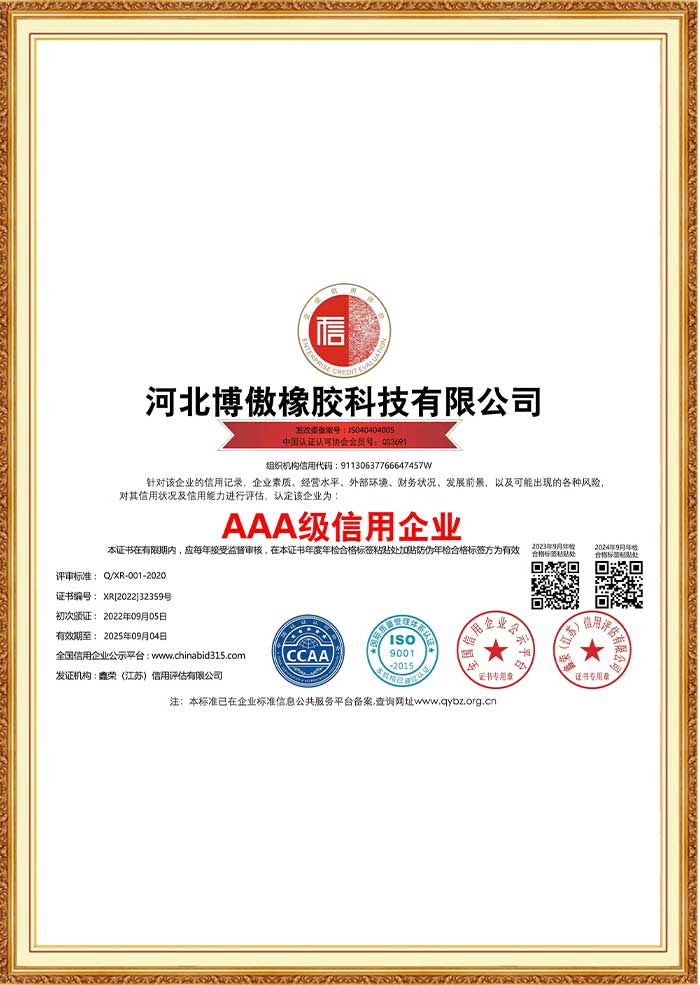
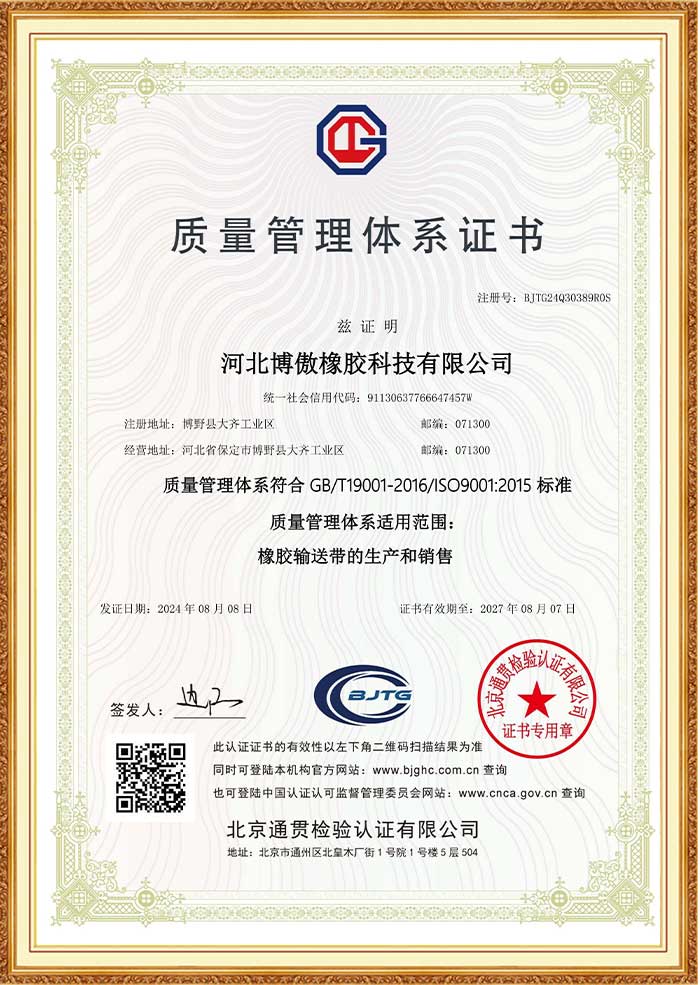
We are committed to providing you with the highest quality products and excellent services. If you have any questions or need assistance with our products, please feel free to contact us and we will be happy to serve you.