+86 18920794106
Leave Your Message
-
Contact WhatsApp
-
 Contact Phone
-
 Contact Email
In today's rapidly evolving industrial landscape, nylon conveyor belts have emerged as a cornerstone technology for food-grade processing and light-duty sorting operations. These specialized conveyor systems combine the inherent strength and flexibility of nylon (polyamide) materials with advanced manufacturing techniques to deliver exceptional performance in environments where hygiene, precision, and reliability are paramount.
The global conveyor belt market has witnessed significant transformation over the past decade, with nylon-based solutions capturing an increasingly substantial market share in food processing, pharmaceutical packaging, and light manufacturing sectors. Industry analysts project the food-grade conveyor belt segment to grow at a compound annual growth rate (CAGR) of 4.8% through 2030, driven primarily by stringent food safety regulations, automation trends, and the expansion of e-commerce fulfillment centers requiring sophisticated sorting systems.
Regulatory Compliance: Increasingly stringent FDA, USDA, and EU food safety regulations mandate the use of certified food-grade materials in direct contact with consumables. Nylon conveyor belts manufactured to meet FDA 21 CFR standards and EU Regulation 1935/2004 have become essential infrastructure components.
Automation & Industry 4.0: The integration of smart sensors, IoT connectivity, and predictive maintenance systems with nylon conveyor installations enables real-time monitoring, reducing downtime and optimizing operational efficiency.
Nylon, scientifically known as polyamide (PA), possesses a unique molecular structure that makes it exceptionally suitable for food-grade and light-duty sorting applications. The polymer chains in nylon exhibit remarkable tensile strength, abrasion resistance, and chemical stability—properties that translate directly into extended service life and reduced maintenance requirements.
Unlike traditional rubber or cotton-based conveyor belts, nylon surfaces present a non-porous structure that resists bacterial colonization and facilitates thorough cleaning protocols. This inherent antimicrobial property, combined with resistance to moisture absorption, makes nylon conveyor belts ideal for wet processing environments common in food production facilities. The material's smooth surface texture prevents food particle entrapment, significantly reducing cross-contamination risks and simplifying sanitation procedures required by HACCP (Hazard Analysis and Critical Control Points) protocols.
Modern nylon conveyor belts designed for food-grade applications often incorporate antimicrobial additives during the manufacturing process. These additives, typically silver-ion based or zinc-pyrithione compounds, provide an additional layer of protection against microbial growth without compromising the material's FDA compliance status. Research conducted by leading food safety institutions demonstrates that properly maintained nylon conveyor systems can reduce bacterial load by up to 99.9% compared to conventional belt materials.
The bakery industry represents one of the largest application segments for nylon conveyor belts. In automated bread production lines, nylon belts transport dough through various processing stages—from mixing and proofing to baking and cooling. The material's ability to withstand temperature fluctuations (typically ranging from -20°C in freezer tunnels to 150°C near baking ovens) without degradation makes it indispensable. Confectionery manufacturers particularly value nylon's release properties; chocolate and candy products separate cleanly from the belt surface without leaving residues that could compromise subsequent batches.
A case study from a major European biscuit manufacturer documented a 35% reduction in production downtime after transitioning from traditional rubber belts to food-grade nylon systems. The improved dimensional stability of nylon prevented the belt tracking issues that had previously necessitated frequent manual adjustments, while the material's resistance to oils and fats extended replacement intervals from 18 months to over 4 years.
Modern agricultural processing facilities employ sophisticated optical sorting systems that rely on precision conveyor transport to position fruits and vegetables for automated inspection. Nylon conveyor belts provide the dimensional accuracy required for these high-speed sorting operations, maintaining consistent tracking even at speeds exceeding 200 meters per minute. The material's low friction coefficient ensures gentle handling of delicate produce items, minimizing bruising and extending shelf life.
In apple packing facilities, for example, nylon belts with specialized surface textures prevent rolling while allowing individual fruit rotation for 360-degree camera inspection. The belts' resistance to organic acids naturally present in fruits prevents premature degradation—a common failure mode with alternative materials. Leading produce processors report that nylon conveyor implementations have contributed to 15-20% reductions in product damage rates during sorting operations.
The pharmaceutical industry demands conveyor solutions that meet even more stringent standards than food processing applications. Nylon belts used in tablet coating, capsule filling, and packaging lines must comply with cGMP (current Good Manufacturing Practices) requirements and demonstrate complete traceability. The material's inherent cleanliness, combined with validation-friendly design features, makes nylon the preferred choice for these critical applications.
Nutraceutical manufacturers processing vitamins, supplements, and functional food products face unique challenges related to ingredient sensitivity and cross-contamination prevention. Nylon conveyor systems designed for these applications often incorporate color-coded belts to facilitate visual product segregation and quick-release mechanisms that enable rapid changeovers between production runs. Industry data indicates that properly specified nylon conveyor installations can reduce changeover times by up to 40% compared to traditional belt systems.
The explosive growth of e-commerce has created unprecedented demand for high-efficiency sorting systems capable of handling millions of packages daily. Nylon conveyor belts play a crucial role in automated distribution centers, where they transport lightweight parcels through complex sorting matrices equipped with barcode scanners, weight scales, and diverter mechanisms. The material's excellent fatigue resistance ensures reliable operation despite the continuous start-stop cycles characteristic of modern sortation systems.
A major logistics provider operating one of the world's largest automated sorting facilities reported that nylon conveyor belts demonstrated 60% longer service life than polyester alternatives in their high-throughput environment. The belts maintained dimensional stability despite processing over 50,000 packages per hour, contributing to the facility's industry-leading 99.8% sorting accuracy rate.
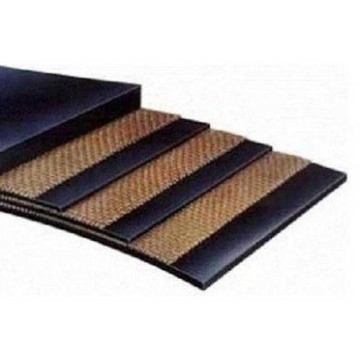
Selecting the appropriate nylon conveyor belt for food-grade and light-duty sorting applications requires careful consideration of multiple technical parameters. Belt thickness typically ranges from 0.8mm to 3.0mm for light-duty applications, with thicker constructions reserved for heavier loads or abrasive materials. The nylon carcass construction—usually specified as NN (nylon-nylon) with numbers indicating ply count and breaking strength—determines the belt's load-bearing capacity and resistance to impact damage.
Nylon conveyor belts exhibit tensile strengths ranging from 100 N/mm to 400 N/mm depending on carcass construction. This parameter directly influences the belt's ability to handle load stress without excessive stretching. Elongation at break, typically 15-25% for nylon materials, provides a safety margin against sudden overload conditions while maintaining dimensional stability during normal operation. The material's elastic recovery properties ensure that temporary stretching during peak loads doesn't result in permanent deformation that would compromise tracking accuracy.
The working surface of nylon conveyor belts can be enhanced with various treatments to optimize performance for specific applications. Textured surfaces improve product grip and prevent slippage on inclined conveyors, while ultra-smooth finishes facilitate easy release of sticky materials. Antimicrobial coatings incorporating silver nanoparticles or other biocidal agents provide additional protection in high-risk food processing environments. Some manufacturers offer belts with integrated RFID tags or conductive elements that enable real-time tracking and static dissipation respectively.
Temperature Tolerance: Operational range from -40°C to +150°C accommodates diverse processing environments from blast freezers to heat treatment zones.
Chemical Resistance: Stable against common food processing chemicals including sodium hypochlorite sanitizers, peracetic acid, and quaternary ammonium compounds at recommended concentrations.
Abrasion Resistance: Superior wear characteristics extend belt life 2-3 times compared to conventional materials in high-cycle applications.
Proper installation and maintenance protocols are essential to maximizing the service life and performance of nylon conveyor belts. Initial installation should be performed by trained technicians following manufacturer specifications for tension, tracking, and splice integrity. Belt tension must be carefully calibrated—insufficient tension causes slippage and tracking problems, while excessive tension accelerates wear and increases energy consumption. Modern tension monitoring systems using ultrasonic or laser measurement provide real-time feedback to maintain optimal conditions.
Food-grade nylon conveyor belts require regular cleaning to maintain hygiene standards and prevent product contamination. Most installations implement clean-in-place (CIP) systems that automatically apply cleaning solutions during production breaks. The cleaning protocol typically involves pre-rinsing to remove gross debris, application of alkaline or enzymatic cleaners to dissolve organic residues, thorough rinsing, and final sanitization with approved antimicrobial agents. The cleaning cycle duration and chemical concentrations must be validated to ensure effectiveness without degrading the belt material.
Leading food processors have adopted automated cleaning verification systems that use ATP (adenosine triphosphate) bioluminescence testing or fluorescent marker techniques to confirm sanitation efficacy. These technologies provide objective evidence of cleanliness, supporting FSMA (Food Safety Modernization Act) compliance documentation requirements.
Advanced maintenance approaches leverage sensor technology and data analytics to predict belt failure before it occurs. Vibration sensors detect developing tracking issues, thermal imaging identifies overheated bearings or drive components, and machine vision systems monitor belt surface condition for signs of wear or damage. Integration of these data streams into predictive maintenance platforms enables condition-based replacement scheduling that minimizes unplanned downtime while avoiding premature belt changes.
A comprehensive study of predictive maintenance implementation across 50 food processing facilities found that companies adopting these technologies reduced conveyor-related production interruptions by an average of 47% while extending belt service life by 25% through optimized operating conditions and timely interventions.
The nylon conveyor belt industry continues to evolve in response to emerging technological capabilities and changing market demands. Several key trends are shaping the future development of these critical material handling components.
Next-generation nylon conveyor belts incorporate embedded sensors and communication capabilities that transform them from passive transport media into intelligent system components. RFID tags embedded within the belt structure enable precise tracking of belt position and accumulated operating hours. Strain gauges integrated into the carcass provide real-time load monitoring, while temperature sensors detect abnormal heat buildup that could indicate impending failure. This sensor data, transmitted wirelessly to central monitoring systems, supports advanced analytics that optimize performance and predict maintenance requirements.
Environmental sustainability concerns are driving innovation in nylon conveyor belt materials and end-of-life management. Manufacturers are developing bio-based nylon polymers derived from renewable feedstocks such as castor oil, reducing dependence on petroleum-derived materials. These bio-nylons exhibit performance characteristics comparable to conventional polyamides while offering significantly lower carbon footprints. Simultaneously, belt recycling programs are emerging that recover and reprocess end-of-life nylon belts into new products, supporting circular economy principles and reducing waste stream volumes.
Advances in digital manufacturing technologies are enabling unprecedented levels of customization in nylon conveyor belt design. 3D printing techniques allow rapid prototyping of specialized belt profiles and surface textures optimized for specific product handling requirements. Digital twin simulations enable virtual testing of belt designs under various operating conditions before physical production, reducing development time and costs. This design flexibility supports the trend toward mass customization in food processing and light manufacturing sectors.
While nylon conveyor belts typically command premium pricing compared to basic rubber or PVC alternatives, comprehensive total cost of ownership analyses consistently demonstrate favorable economics. The extended service life of nylon belts—often 3-5 years in demanding food processing applications—reduces replacement frequency and associated labor costs. Lower friction coefficients translate to reduced energy consumption for belt drive systems, with documented savings of 15-20% compared to higher-friction materials. Decreased maintenance requirements and improved uptime further enhance the economic value proposition.
A detailed ROI study conducted at a major poultry processing facility quantified the financial benefits of upgrading to food-grade nylon conveyor systems. The analysis documented a payback period of just 14 months, driven primarily by reduced downtime (valued at $8,000 per hour in lost production), extended belt life (4.2 years versus 1.8 years for previous rubber belts), and lower cleaning chemical consumption (32% reduction due to improved cleanability). Over a 10-year analysis period, the nylon belt investment generated a net present value exceeding $2.1 million for this single facility.
Operating food-grade conveyor systems requires navigating a complex regulatory environment encompassing food safety, occupational health, and environmental protection requirements. In the United States, the FDA regulates materials in direct food contact under 21 CFR Part 177, which specifies approved polymers and additives. The EU maintains similar requirements under Regulation (EC) No 1935/2004 and associated implementing measures. Nylon conveyor belt manufacturers must maintain comprehensive documentation demonstrating compliance with these regulations, including migration testing results and material safety data sheets.
Beyond food contact regulations, conveyor systems must comply with machinery safety standards such as OSHA requirements in the US or CE marking directives in Europe. These standards address guarding, emergency stops, and other safety features designed to protect workers from mechanical hazards. Environmental regulations governing waste disposal, energy efficiency, and chemical usage also impact conveyor system specifications and operating procedures.
Nylon conveyor belts have evolved from simple material transport solutions into sophisticated system components that enable the high-speed, hygienic, and reliable operations demanded by modern food processing and light-duty sorting applications. The material's unique combination of strength, cleanliness, and durability—enhanced by continuous technological innovation—positions nylon as the preferred choice for applications where product quality, operational efficiency, and regulatory compliance are critical success factors.
As automation continues to reshape manufacturing and logistics operations, the role of advanced conveyor technologies will only grow in importance. Organizations that invest in high-quality nylon conveyor systems and implement best-practice maintenance protocols position themselves to capitalize on efficiency gains, quality improvements, and cost reductions that translate directly to competitive advantage in increasingly demanding markets.
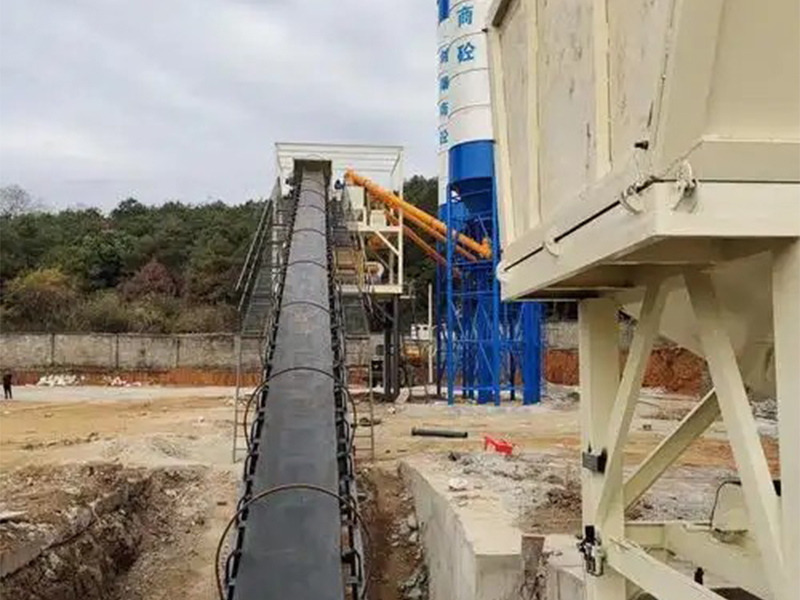
China Railway Group Mixing Plant

Conch Cement
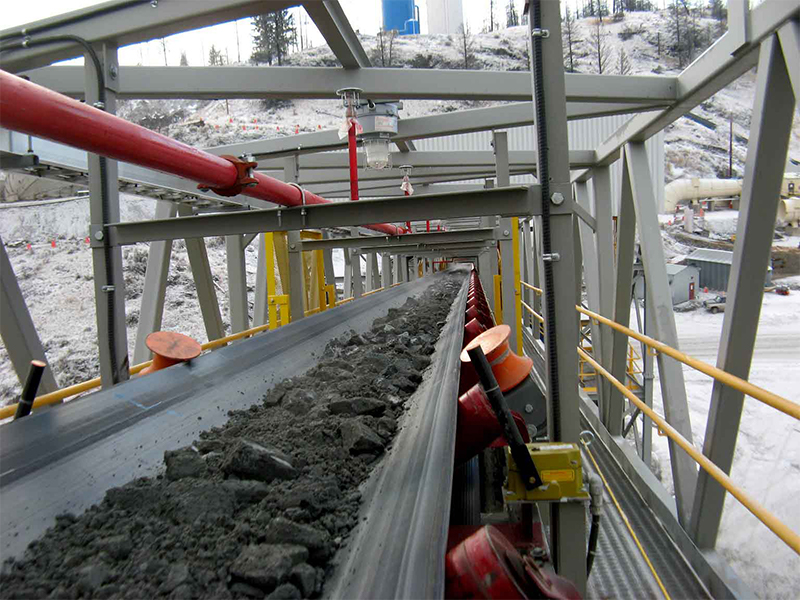
Datong Coal Group
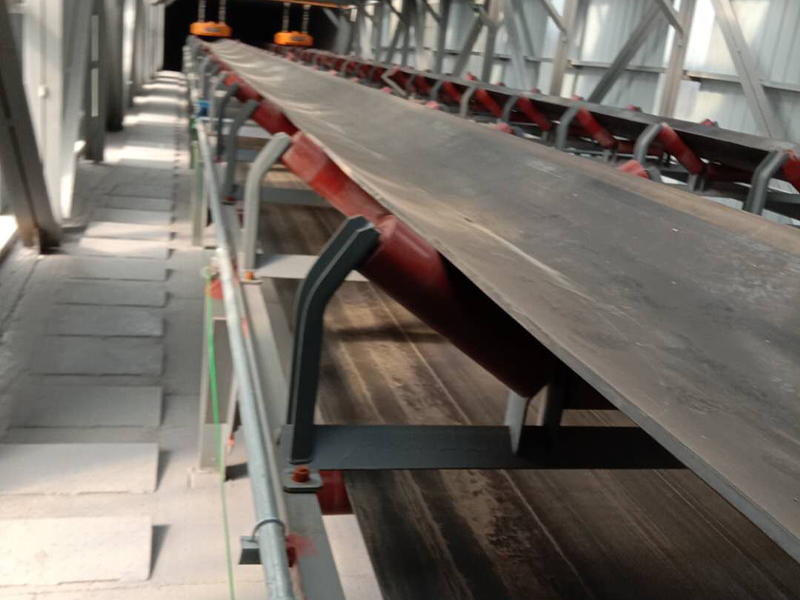
Taihang Steel
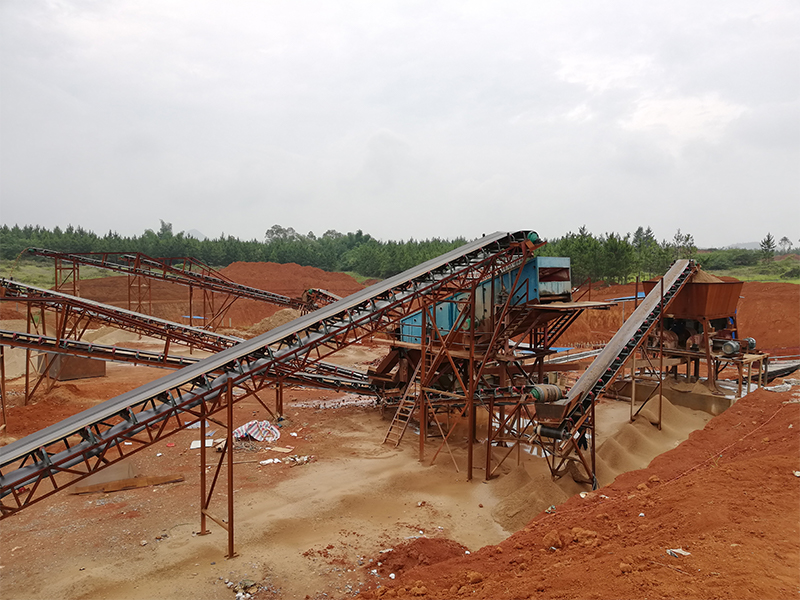
Tsingshan Group
Zijin Mining