


 +86 18920794106


0102030405
What are some maintenance tips for conveyor belts?
2026-01-06
In all industries, preventative maintenance can significantly reduce the risk of breakdowns, and the same is true for conveyor belts. Wanhe Conveyor Belts often encourages customers to inspect their conveyor belts to prevent problems during production and avoid unnecessary damage to the equipment.
Here are some tips for preventative maintenance of conveyor belts that you can use.
I. Preventative Maintenance of Conveyor Belts
Preventative maintenance includes a detailed inspection of the conveyor and whether any components are malfunctioning or showing signs of damage. Early detection, early understanding, and early treatment are crucial. It's easier to correct and take measures to avoid future production problems.
Pay attention to some potential problems: improper conveyor belt operation, roller blockage, bearing damage, fabric damage, or the conveyor belt frequently jamming or deviating. This doesn't necessarily mean your conveyor belt is damaged. However, machine malfunctions are often attributed to the conveyor belt, but they may also be caused by bearings or other components of the conveyor belt itself. If the conveyor belt looks fine but the problem persists, carefully inspect all parts of the equipment.
II. How to Observe and Inspect
Regular observation and inspection should be emphasized. Surfaces and parts can be seen through simple inspections, saving the company time, money, and manpower.
Four specific issues are recommended for attention:
1. Is the conveyor belt intact?
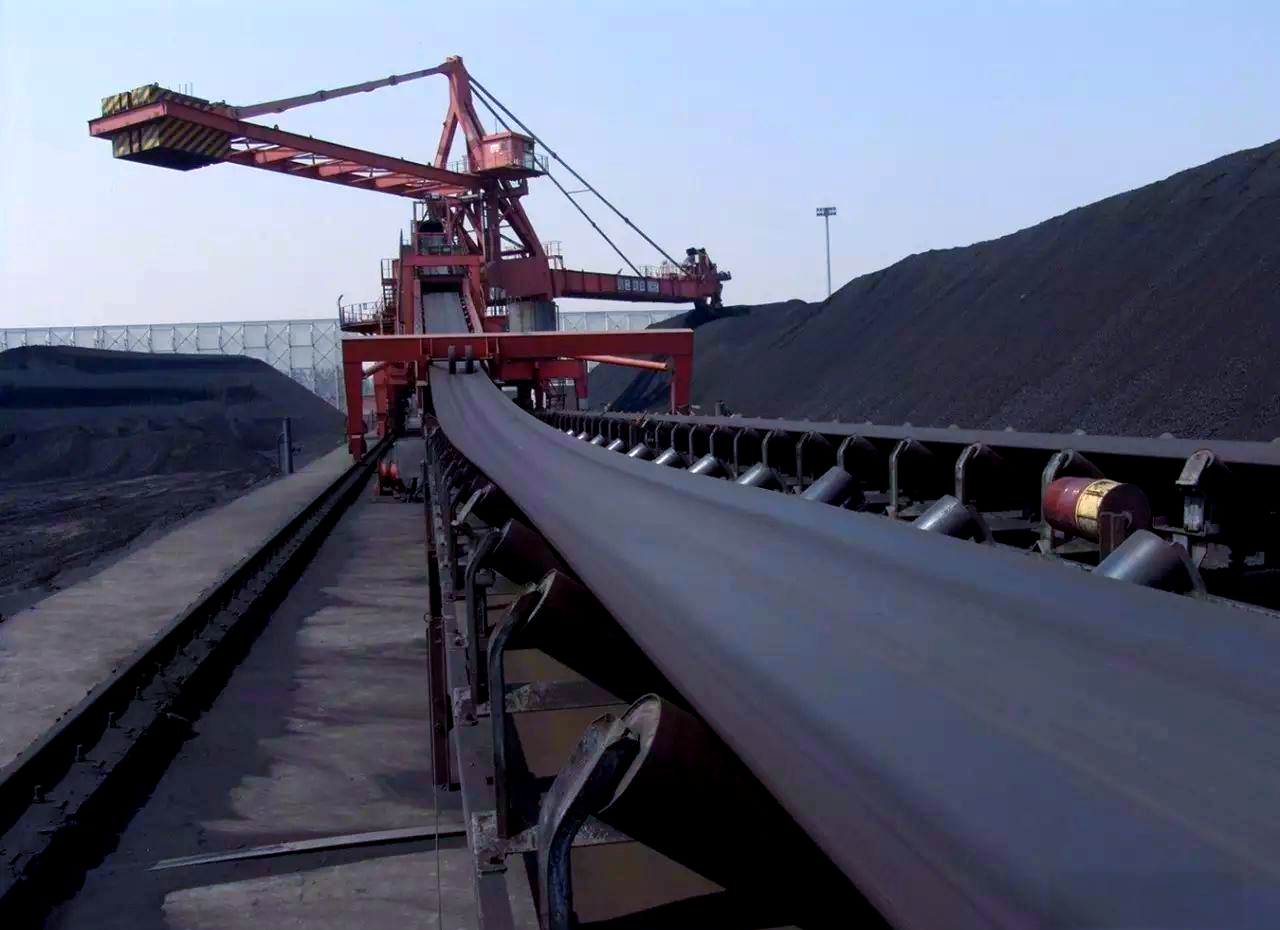
First, check the conveyor belt itself. Is the conveyor belt damaged? Is the conveyor belt in good condition? Are the pulleys, rollers, bearings, and profiles normal? For example, a damaged bearing may be the cause of conveyor belt deviation.
2. Is the conveyor belt centered on the rollers?
The conveyor belt should be in the middle to ensure the correct transportation of products. Check if it is accurately positioned between the rollers. Ensure that the pulleys, wheels, and rollers are installed and aligned; otherwise, the conveyor belt may start to deviate to one side. 3. Can the conveyor belt transport goods completely?
How does the conveyor belt perform during operation? A conveyor belt might work perfectly when empty, but starts to slip under load. If the conveyor belt deviates or rubs against something, the friction generates heat, and the conveyor belt material may start to melt in the worst-case scenario. Therefore, the conveyor belt should be adjusted for both empty and loaded conditions.
4. Is the conveyor belt clean?
Some conveyor belts require more attention to hygiene than others, such as those used for transporting food materials. Therefore, cleaning the conveyor belt and the parts it frequently contacts is very important. Uneven surfaces, gaps, or cracks are places where bacteria can breed. Dust entering the conveyor belt can contaminate the goods. Therefore, you should regularly inspect and clean the conveyor belt thoroughly.
III. Inspection Frequency
How often you need to inspect the conveyor belt depends on many factors: the type of application, the operating environment of the conveyor belt, and the load and frequency of use. Many applications involve conveyor belts and media in extreme environmental temperatures, such as ovens. Other conveyor belts transport very heavy goods or require strong durability, which will influence and determine the focus of the inspection.