


 +86 18920794106


0102030405
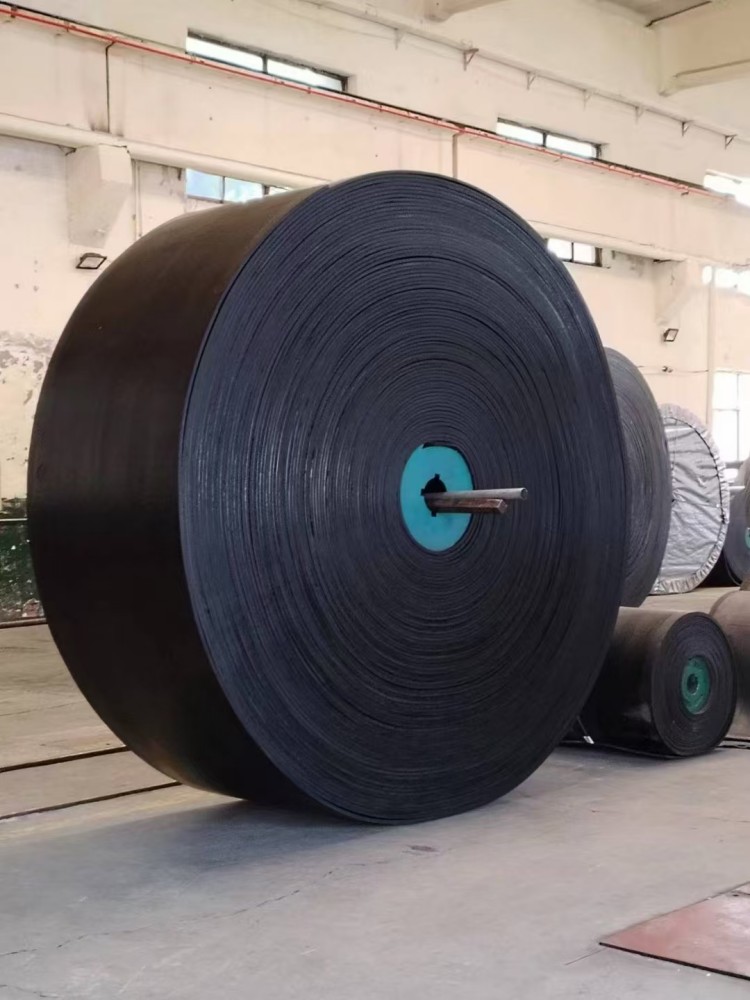
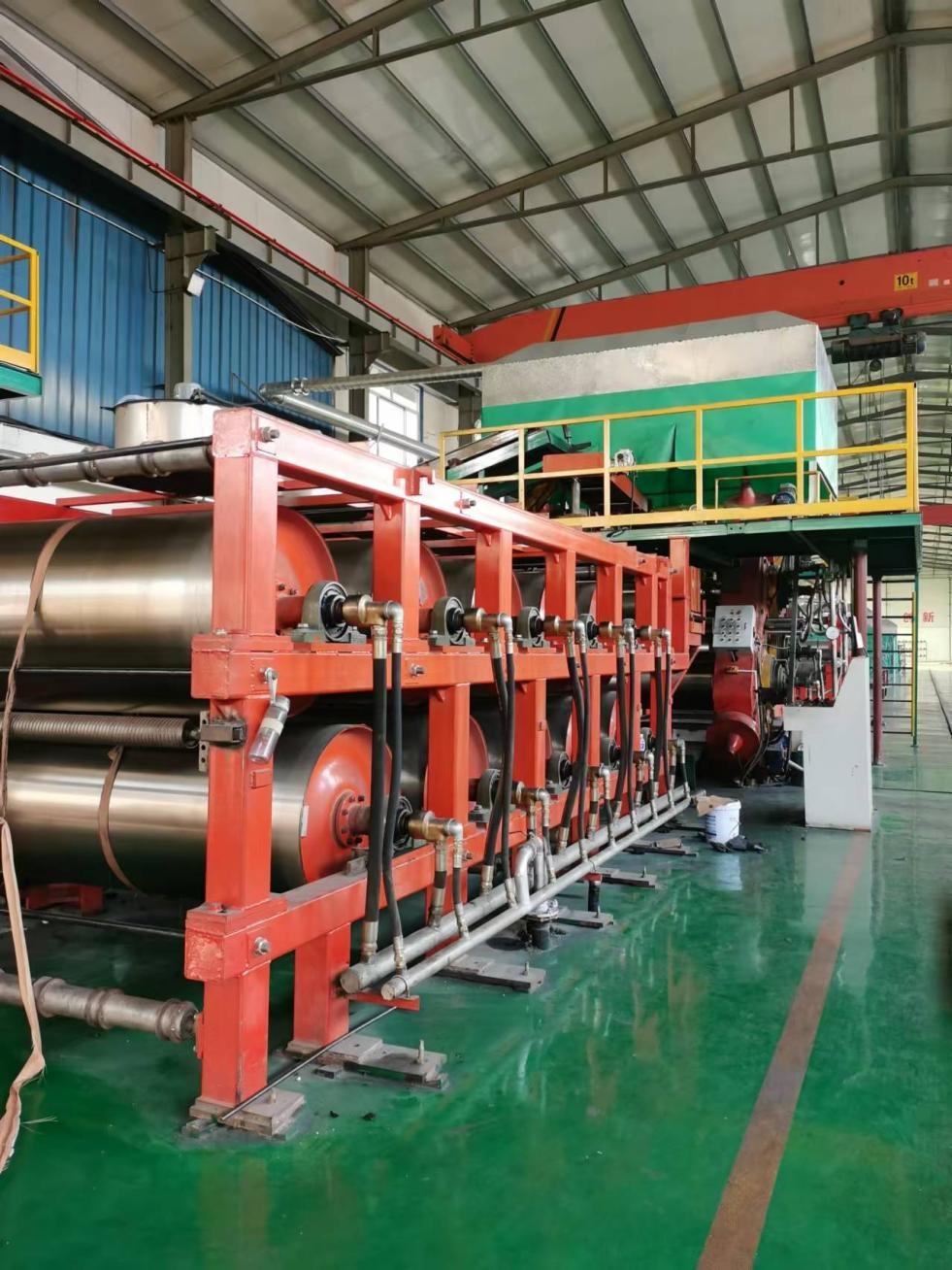
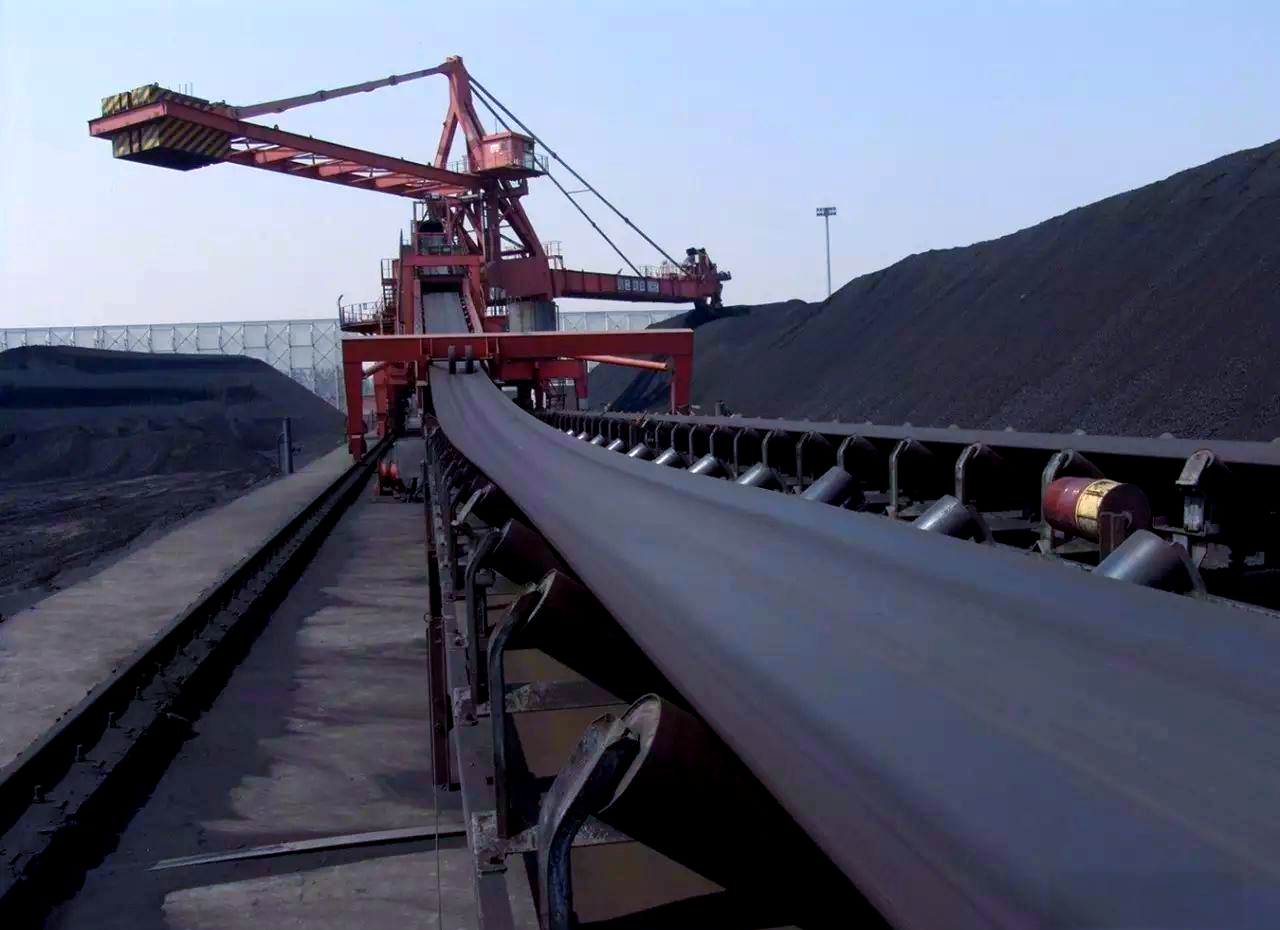
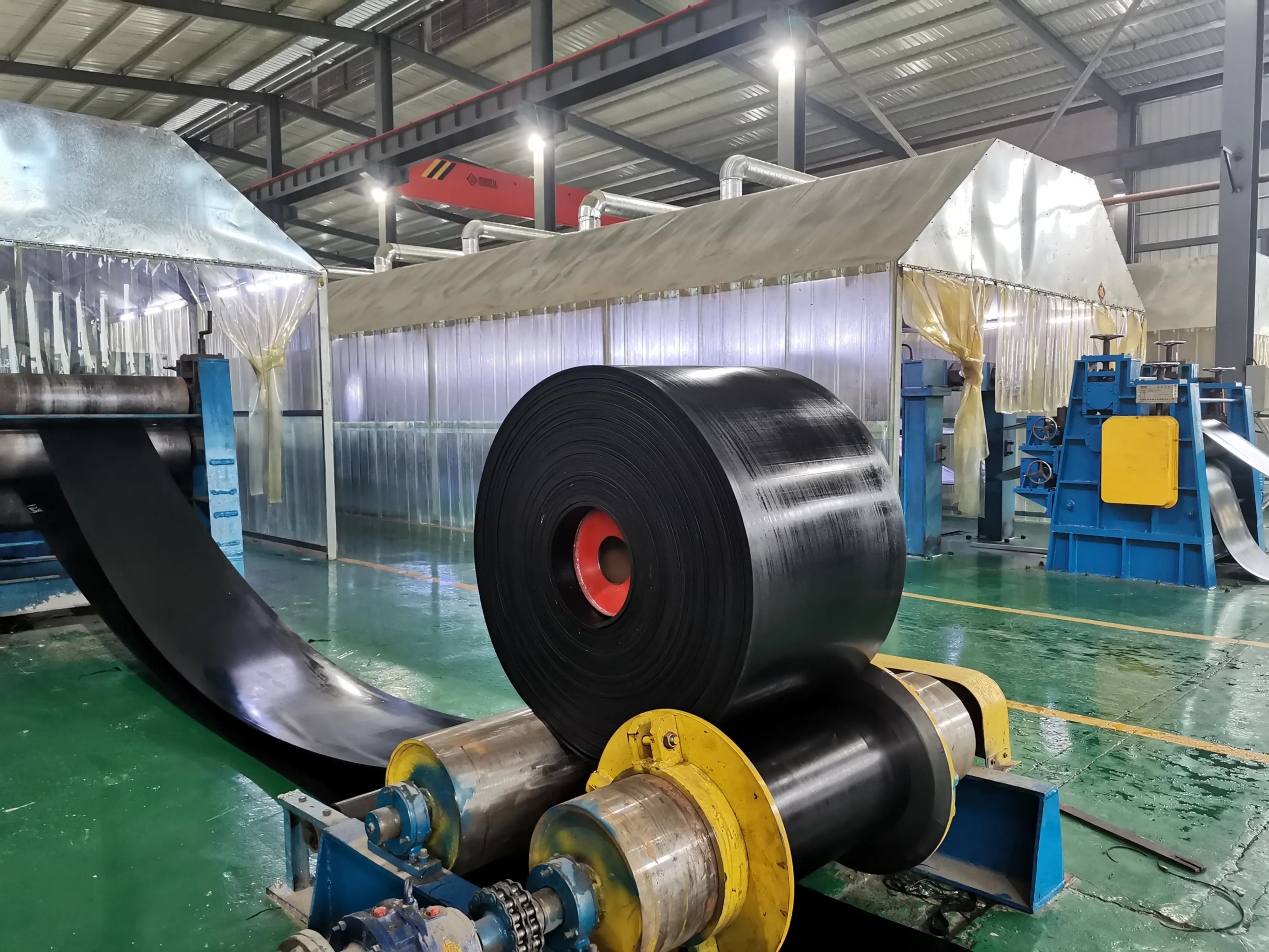
Nylon Conveyor Belts Embrace Technological Upgrading: High Temperature Resistance & Intelligence Become New Industry Trends
2026-04-02
Baoding, March 31, 2026 — Driven by the accelerated global industrialization process, nylon conveyor belts, the "main artery" of material handling systems, are undergoing a new round of technological iteration. Industry statistics show that the global market size reached approximately 16.06 billion yuan in 2024, and is projected to exceed 22 billion yuan by 2031, with an annual compound growth rate of nearly 5%. In the Chinese market, the market volume hit 8.6 billion yuan in 2025, a year-on-year increase of over 7%, and is expected to approach the 10-billion-yuan mark in 2026.
Technological Breakthrough: From "Durable Fabric" to "Smart Belts"
Traditional nylon conveyor belts are moving beyond the simple structure of "one layer of fabric plus one layer of rubber", advancing toward in-depth functionalization and intellectualization.
Breakthrough in Temperature Resistance Limits: Tailored for high-temperature scenarios such as mining and metallurgy, the new-generation products adopt reinforced materials including graphene, raising the long-term operating temperature ceiling from 120°C to 180°C-220°C. This effectively solves the pain points of traditional belts, such as deformation and carbonization under high temperatures.
Lightweight Structure: High-strength single-layer or double-layer fabric structures are gradually replacing bulky multi-layer canvas designs. This "thinner yet stronger" structure maintains tensile strength while reducing the belt weight by 20%-25%, significantly cutting down energy consumption for equipment operation.
Embedded Monitoring: Leading enterprises in the industry have begun embedding sensing fibers or RFID chips into belt bodies to realize real-time monitoring of operating temperature, abnormal strain and other data, transforming equipment maintenance from emergency repairs after failures to predictive maintenance.
Customized Solutions: Specialized Products for Harsh Working Conditions
Standard universal products can no longer meet the demands of complex application environments, making customized manufacturing a core keyword in the industry.
Anti-adhesive Belts: Formulated with low-surface-energy rubber for sticky materials such as wet coal and clay, preventing material adhesion on the belt surface and ensuring clean material conveying.
Tear-resistant Belts: High-strength transverse fibers are added between skeleton layers to form a mesh structure, stopping local damage from expanding into full-length tears and greatly improving operational safety in mining sites.
Food-grade Belts: Adopting non-toxic cover layers compliant with FDA standards to meet hygiene and cleanliness requirements for the food and pharmaceutical industries.
Regional Insight: Hebei Boao Rubber Technology Co., Ltd.
As an important industrial hub, Baoding in Hebei Province and its surrounding areas host a large number of enterprises engaged in mining, building materials and supporting accessories for conveyor belts. Amid market expansion, local manufacturers are facing pressure to shift from price competition to technology-driven development. Industry experts point out that as downstream customers raise requirements for equipment reliability, enterprises with independent R&D capabilities for special functions like flame retardancy and high temperature resistance will capture larger market shares, while small factories relying solely on low-price competition are facing shrinking living space.
Industry Outlook
Over the next three years, the nylon conveyor belt market will form a tripartite pattern featuring high-end positioning, diversified functionality and intelligent application. For purchasers, besides focusing on prices during product selection, more attention should be paid to the product's temperature resistance grade, flame retardant certifications and compatibility with condition monitoring systems, to adapt to the upgrading trend of smart manufacturing.