+86 18920794106


0102030405
How to Maintain Rubber Conveyor Belts to Extend Service Life
2026-09-20
Maintenance Significance
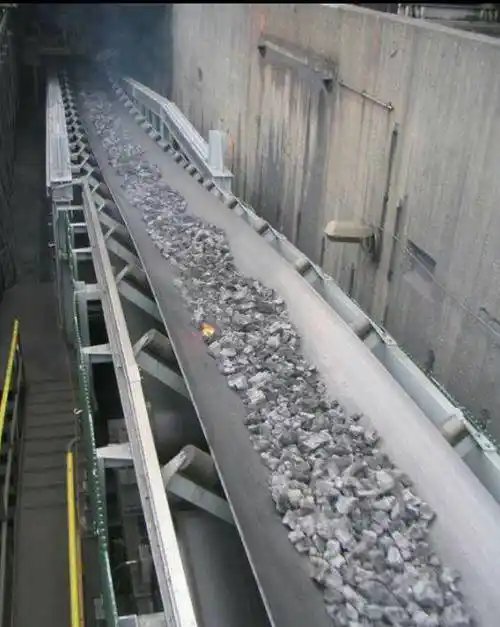
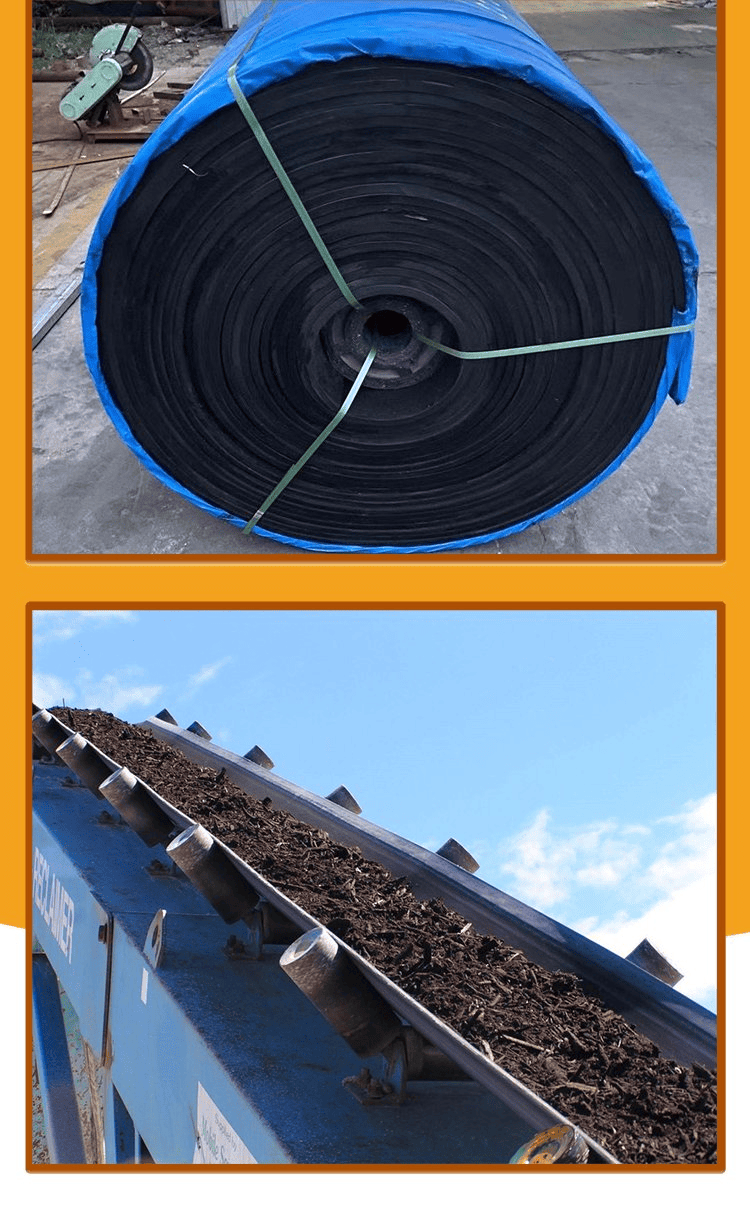
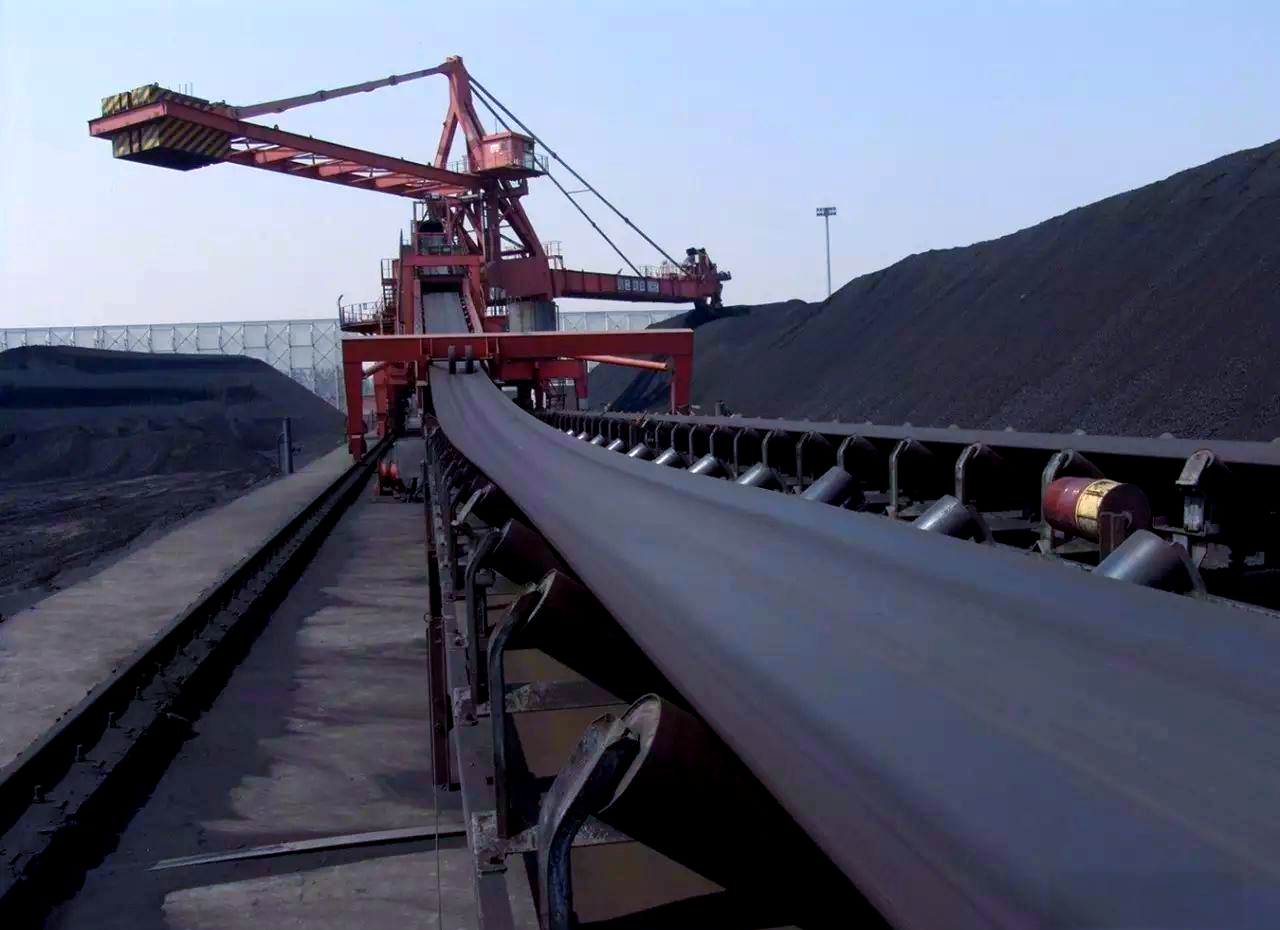
Rubber conveyor belts are indispensable core equipment for industrial material transportation, whose durability directly determines production stability and overall operational expenditure. Adopting scientific, standardized daily maintenance is critical to minimize abrasion, avoid premature aging, and fully extend the service cycle of conveyor belts.
Operational Standards
Standardized operating procedures lay the foundation for effective maintenance. Overloaded operation, abrupt startups and emergency stops generate strong tensile stress, leading to uneven belt wear and structural fatigue. Operators must comply with operational specifications to avoid long-term overloading and implement steady start-and-stop routines to reduce mechanical loss. Additionally, regular belt deviation inspection is mandatory. Persistent misalignment causes unilateral friction, edge cracking and rubber delamination, which drastically shorten equipment service life.
Environmental Management
Routine cleaning and standardized environmental management are equally essential. Residual materials and adhesive contaminants increase operating friction and accelerate localized aging. Regular cleaning of conveyor belts and supporting rollers ensures optimal operating conditions. As rubber materials are vulnerable to high temperature, ultraviolet radiation and chemical erosion, belts must be protected from prolonged sunlight exposure, extreme heat, and contact with acidic, alkaline and oily substances to prevent hardening, cracking and performance degradation.
Proactive Inspection
Periodic inspection and timely minor repairs effectively prevent minor defects from developing into severe failures. Daily checks for surface scratches, partial wear and loose joints allow targeted professional remediation. Meanwhile, maintaining appropriate belt tension and ensuring flexible roller rotation greatly reduce unnecessary operational wear and tear.
Final Conclusion
To conclude, standardized operation, regular cleaning, environmental protection and systematic inspection constitute a complete lean maintenance system. Proactive daily maintenance effectively lowers failure rates and wear loss, substantially extends the service life of rubber conveyor belts, and helps enterprises optimize operational and replacement costs while sustaining stable, high-efficiency industrial production.