


 +86 18920794106


0102030405
How to Maintain Conveyor Belts to Extend Their Lifespan?
2026-01-06
Using conveyor belts in our production process can significantly improve production efficiency and reduce labor costs. However, some users find that their conveyor belts have a short lifespan and are easily damaged. What is the secret to a long service life for conveyor belts? Today, Wanhe Conveyor Belt will tell you.
I. Conveyor Belt Selection
1. Choose the conveyor belt reasonably based on the comprehensive environmental factors of your application. There are usually several options; you need to choose the most suitable one based on various factors;
2. If you are unsure of the best choice initially, you need to consider the equipment conditions and select several conveyor belts, combining this with scientific information and results.
II. Operation and Maintenance of Conveyor Belts
1. When operating the conveyor belt, pay attention to correcting any deviations. The equipment can be equipped with a correction device, and the production team should be responsible for this;
2. Regular maintenance is required for conveyor belts exposed to heavy oil contamination, corrosion, UV radiation, and humid environments to ensure safe and smooth operation.
The lifespan of a conveyor belt is largely related to how the user maintains it. We insist on recommending suitable conveyor belt products to our customers; we provide reasonable maintenance suggestions when operating conveyor belts; and we are committed to producing high-quality conveyor belt products to support our customers' production.
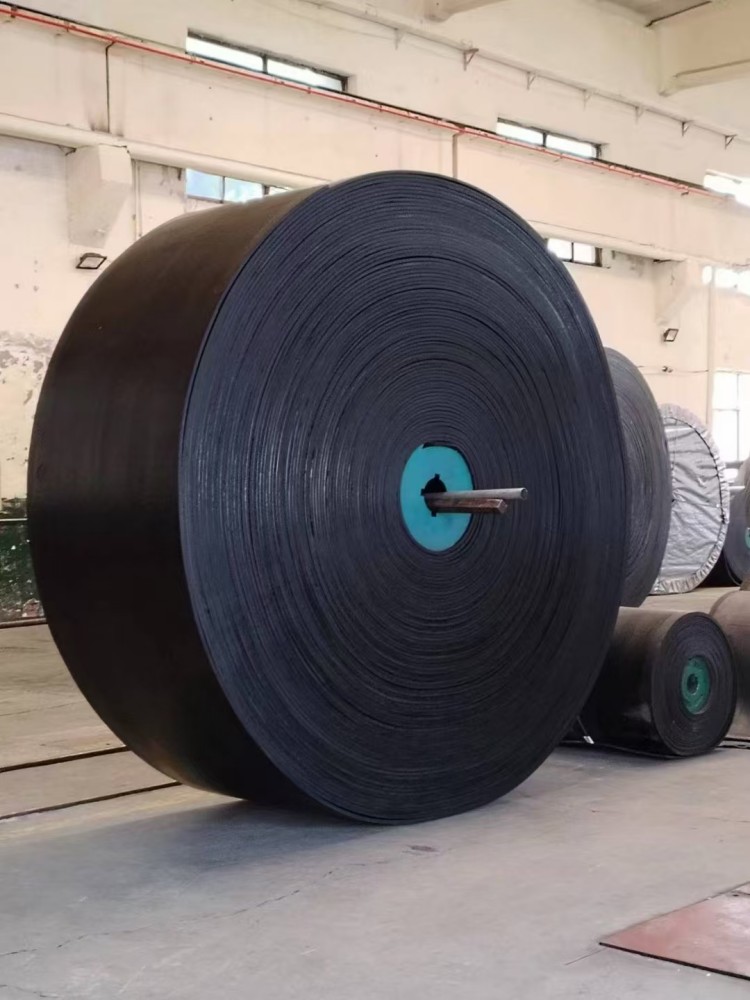
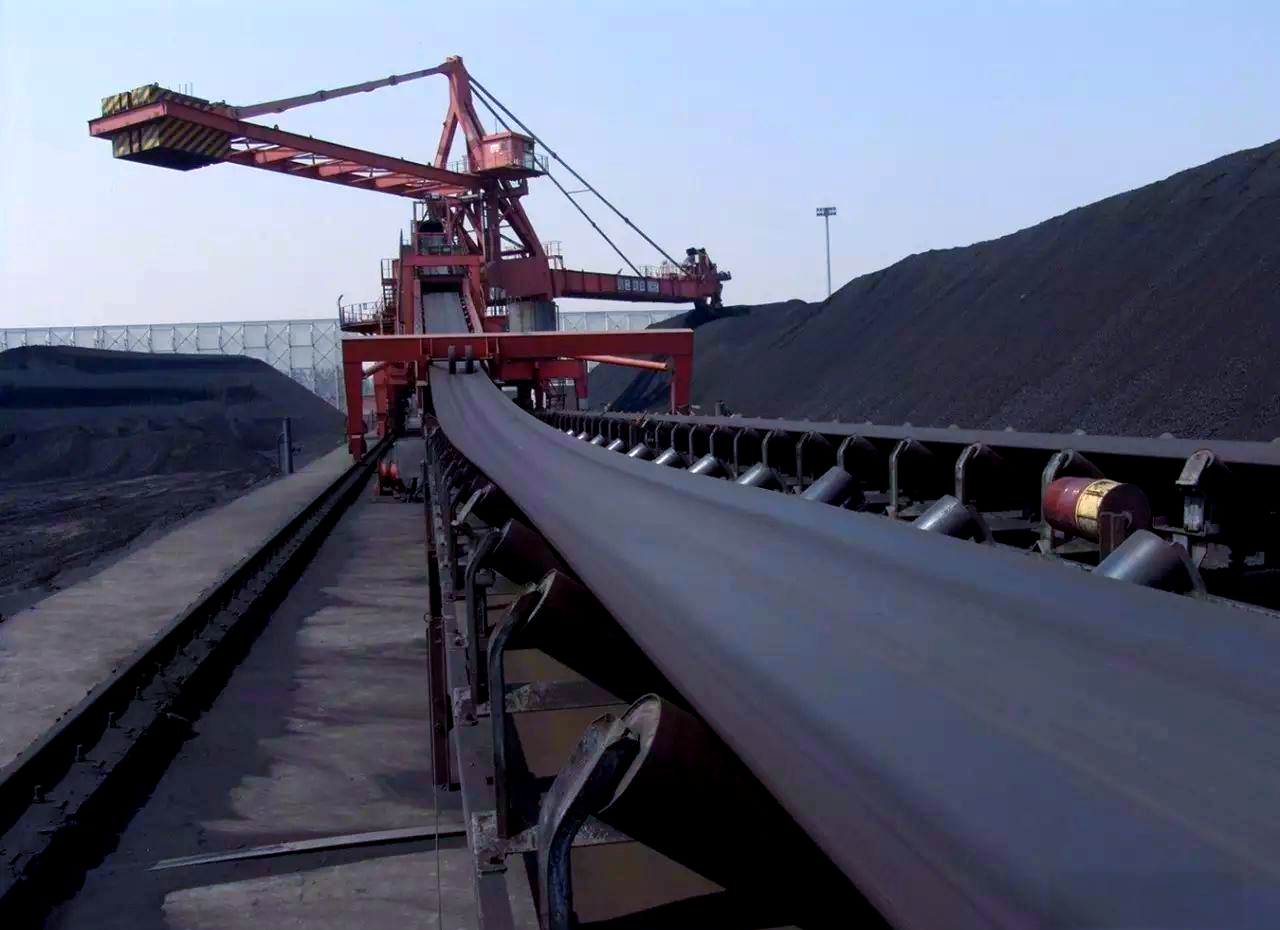
Conveyor belts are frequently seen in daily life, and different types are used in various fields, each customized for specific equipment. However, how much do you know about conveyor belts? Today, we'll give you a brief introduction.
First, when purchasing a conveyor belt, you must understand the environment and application of the equipment, as well as whether it requires anti-static, oil resistance, high temperature resistance, wear resistance, acid and alkali resistance, etc. Understanding the characteristics, specifications, and dimensions of the conveyor belt is crucial to avoid purchasing an unsuitable one.
Next, when using a conveyor belt, please note the following:
1. Avoid overloading the conveyor belt.
2. Conveyor belts of different specifications, models, and types should not be connected together.
3. The starting speed of the conveyor belt should generally not exceed 2.5 meters/second. For large-sized materials, materials that cause significant wear, and fixed unloading equipment, a lower speed should be appropriately selected.
4. If any deviation is observed, stop the machine immediately to investigate the cause and prevent damage to the conveyor belt.
Here are some points to note when transporting and storing conveyor belts:
1. Keep them clean, prevent exposure to sunlight or immersion in rain or snow, avoid contact with acids, alkalis, oils, organic solvents, and other chemicals, and maintain a safe distance of at least one meter from heating devices.
2. The warehouse temperature should be maintained at around 18-40°C, and the humidity should be around 50-80%.
3. During storage, conveyor belts must be rolled up, not folded, and turned over once every quarter.