+86 18920794106
Leave Your Message
-
Contact WhatsApp
-
 Contact Phone
-
 Contact Email
Explore our top-performing light-duty and general-purpose conveyor systems engineered to withstand Muscat's ambient temperatures and Sohar's rigorous industrial demands.
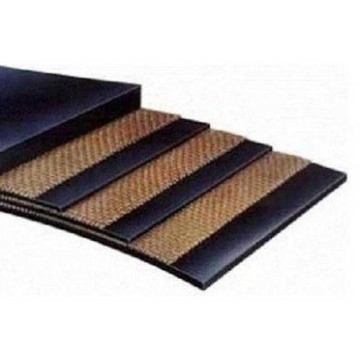
Engineered for versatile industrial applications across Oman's manufacturing hubs.
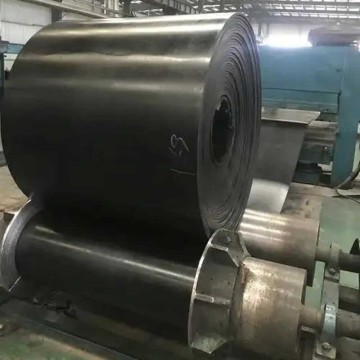
Ideal for cold storage facilities and refrigerated logistics chains in Salalah.
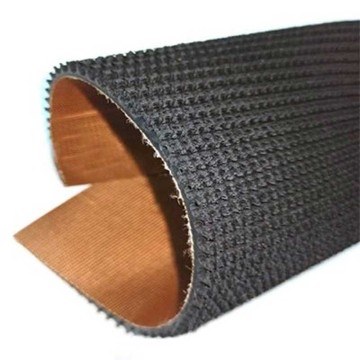
Designed for high-incline material transport in Omani packaging factories.
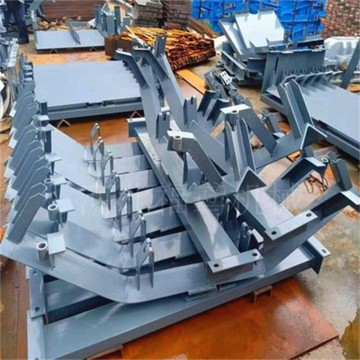
High-durability support rollers built for heavy-duty and light-duty Omani assembly lines.
Under the visionary leadership of the Sultanate of Oman and the strategic framework of Oman Vision 2040, the country is undergoing an unprecedented industrial transformation. The diversification away from hydrocarbon dependence has fueled massive growth in non-oil sectors, notably logistics, food processing, pharmaceuticals, and light manufacturing. Key industrial zones such as the Sohar Freezone, Salalah Freezone, Duqm Special Economic Zone (SEZAD), and various Madayn Industrial Cities (such as Rusayl and Nizwa) have become major hubs of economic activity.
In these highly automated zones, the demand for efficient, reliable, and technologically advanced material handling systems is soaring. Light-duty conveyor belts, primarily fabricated from high-grade PVC, PU, and lightweight rubber compounds, serve as the circulatory system of these modern factories. From sorting dates in local agricultural packaging plants to transporting sensitive pharmaceutical products in sterile environments, the performance of these belts directly impacts operational efficiency and productivity.
Operating in the Middle East, particularly in Oman, presents unique environmental challenges. Factory floors must contend with high ambient temperatures, fine desert dust, and varying humidity levels. Standard conveyor belts often fail prematurely under these harsh conditions, leading to costly downtime. As a leading global supplier, we engineer our light-duty conveyor belts with specialized anti-static, heat-resistant, and dust-repellent properties, ensuring they deliver peak performance in Oman's demanding climates.
Moreover, the rise of e-commerce and logistics hubs near Muscat International Airport and Sohar Port has created a critical need for low-noise, energy-efficient conveyor belts. Our lightweight PVC-PU belts are specifically designed to reduce motor friction, lowering overall energy consumption for Omani enterprises aiming to achieve green building and sustainability certifications.
Oman's summer temperatures can exceed 45°C. Our conveyor belts are formulated with advanced thermal-stabilized polymers that resist cracking, melting, and stretching, ensuring consistent tension and tracking even in non-air-conditioned warehouses.
Oman's thriving dates processing, packaging, and bottling industries demand strict hygiene. Our PU (Polyurethane) belts are fully FDA and EU food-contact compliant, offering superior resistance to animal fats, vegetable oils, and harsh sanitizing chemicals.
Fine desert sand and atmospheric dust can create static buildup, posing fire hazards and damaging electronic components. Our light-duty belts feature integrated carbon-filament anti-static layers that safely dissipate static charges.
Oman is home to millions of date palms, making date processing and packaging a key sector. Conveyor belts used here must handle sticky residues, undergo frequent washdowns, and prevent bacterial growth. Our lightweight PVC and PU belts feature sealed edges and non-stick surfaces, ensuring maximum hygiene and easy cleaning for processing plants in Barka and Muscat.
With Sohar Port and Salalah Port acting as major transshipment gateways in the Arabian Sea, modern logistics centers require rapid, automated sorting systems. Our low-noise, high-grip patterned conveyor belts enable seamless incline and decline transport of parcels, baggage, and light cargo, minimizing package slippage and operational noise.
The Salalah Freezone has emerged as a hub for pharmaceutical manufacturing in the GCC. Cleanrooms require conveyor belts that do not shed particles or outgas. Our premium-grade PU belts are manufactured using advanced extrusion processes, ensuring zero fraying, chemical inertness, and compliance with global GMP standards.
While primary mining uses heavy-duty steel cord belts, the secondary processing, laboratory sampling, and packaging of gypsum, limestone, and silica in Ibri and Duqm rely on light-to-medium duty rubber and EP belts. These belts must offer high abrasion resistance to withstand sharp mineral particles.
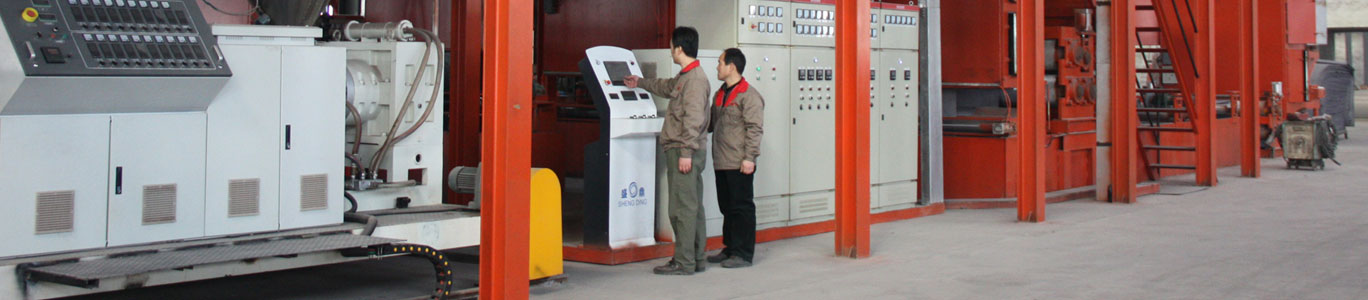
Our factory utilizes advanced technology and strict quality control measures to ensure that every conveyor belt dispatched to Oman meets international standards of durability and performance.
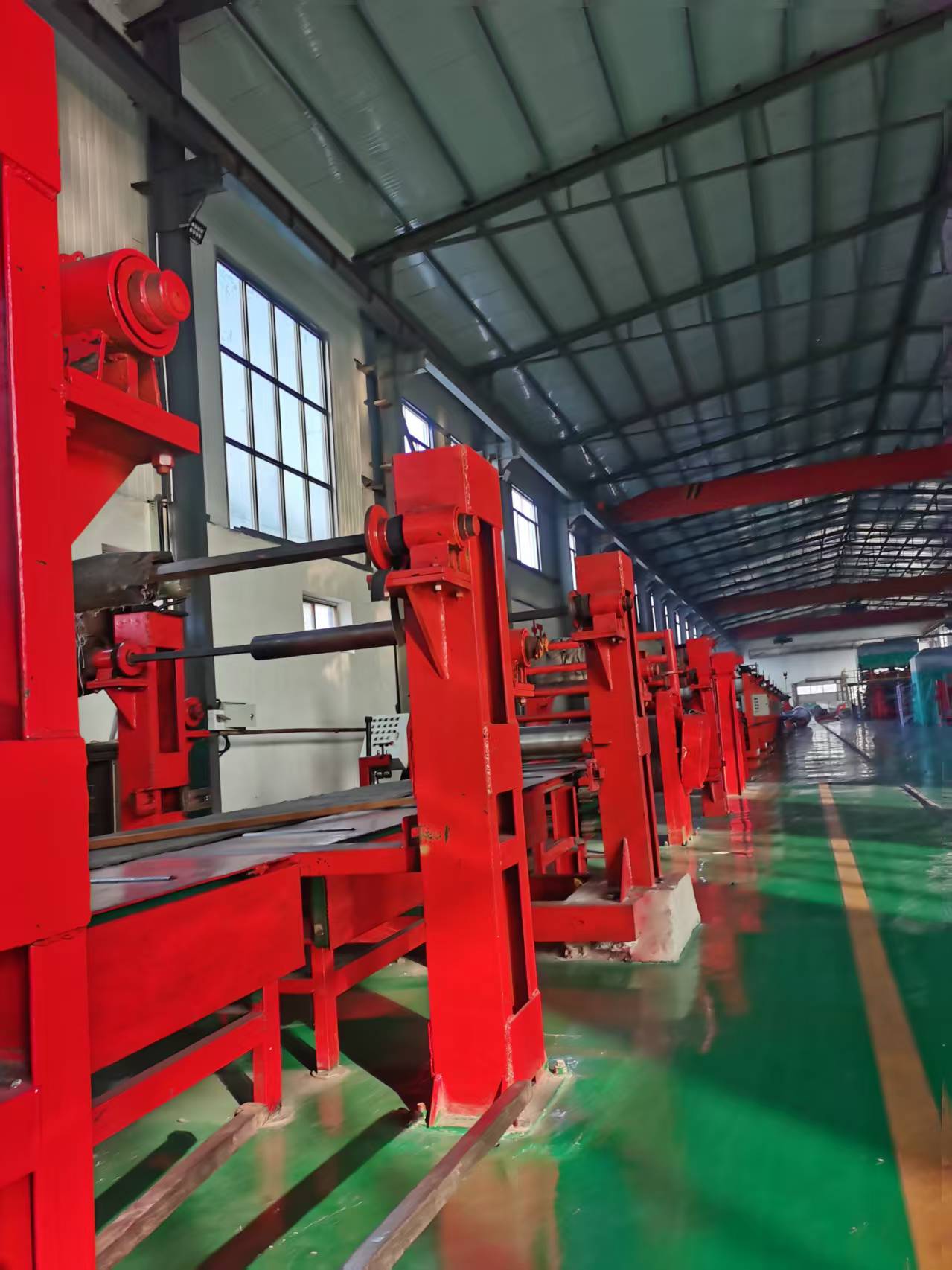
Heavy-Duty Vulcanizing Press
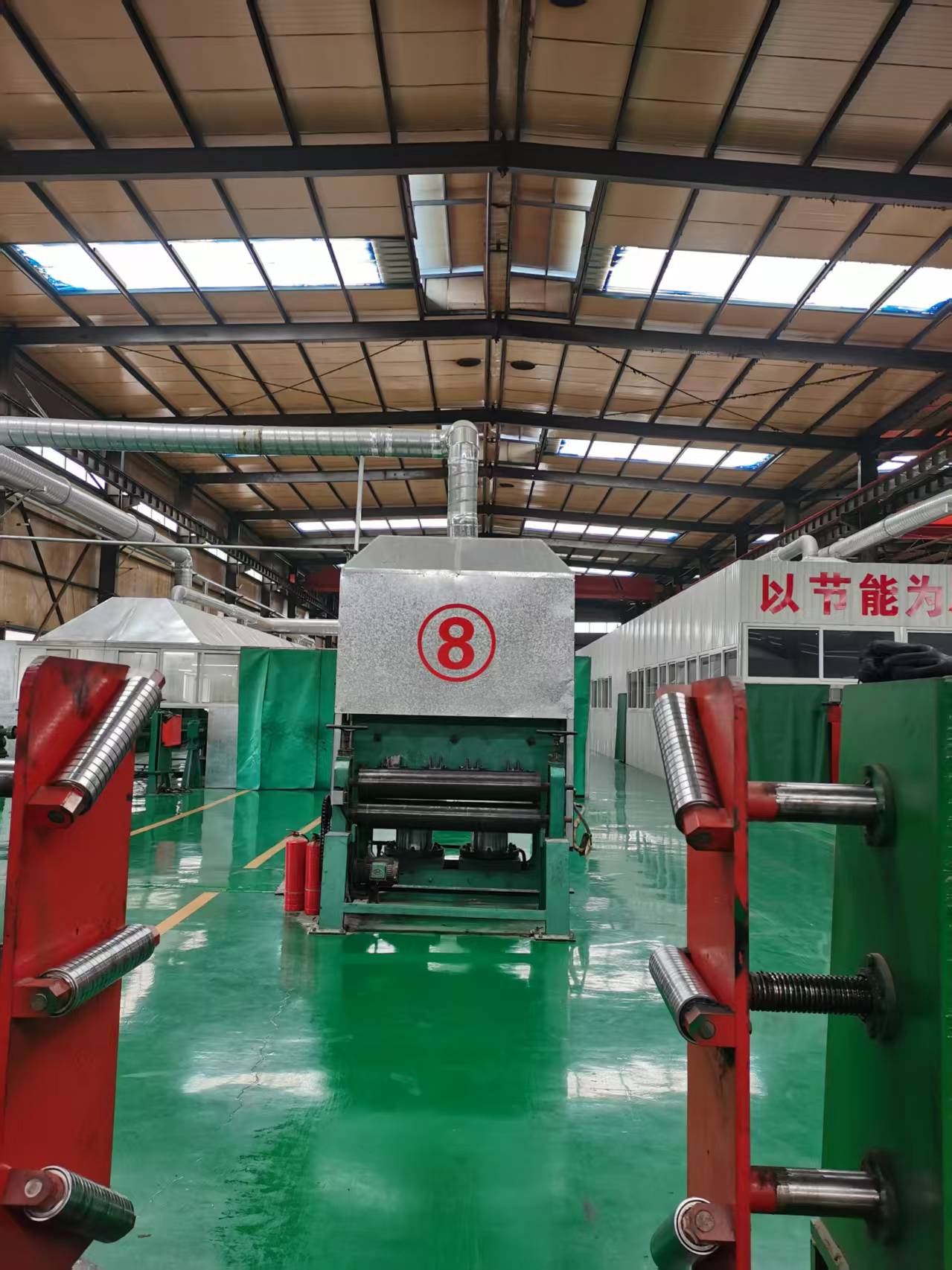
Precision Calendering System
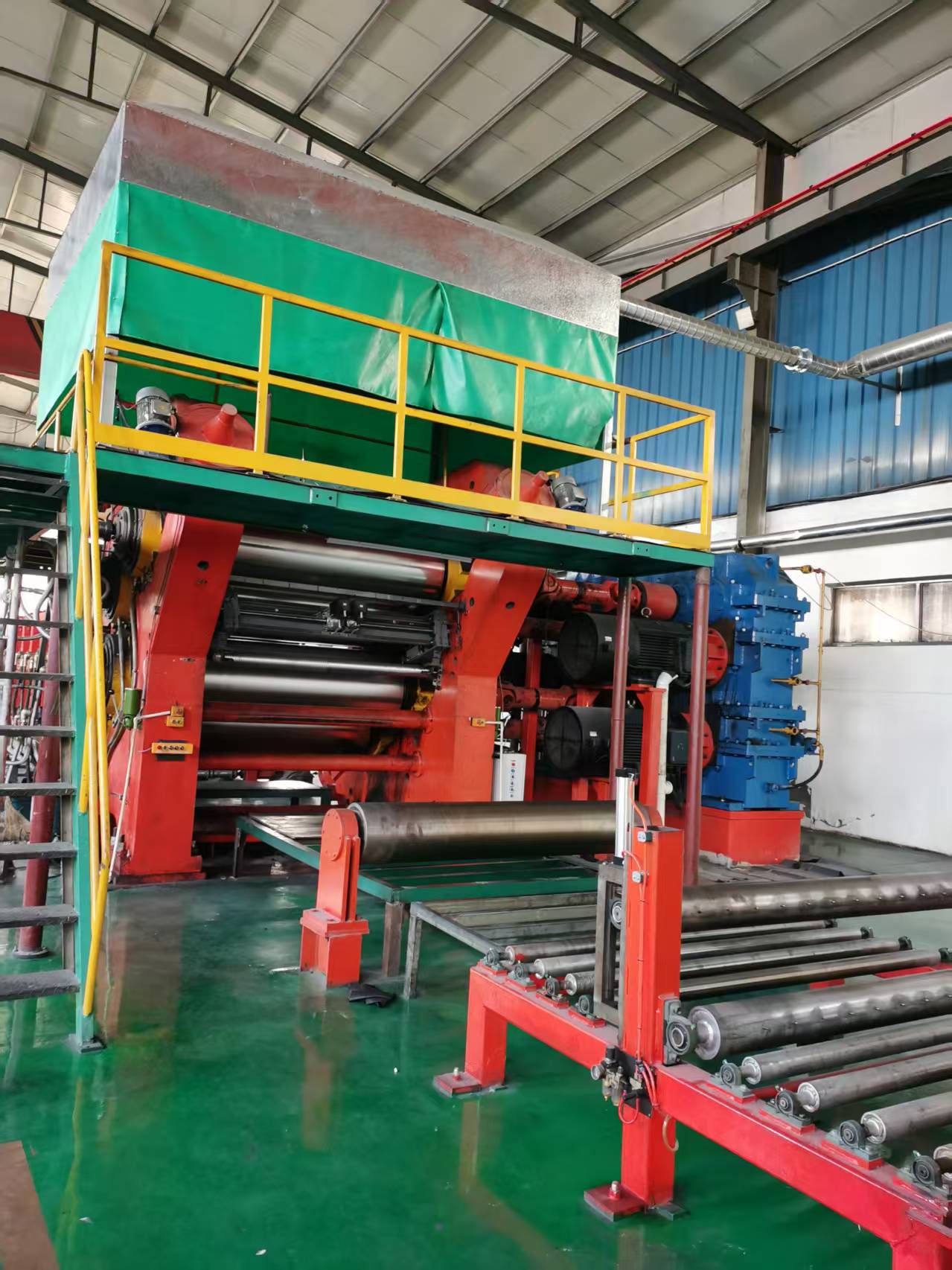
High-Capacity Extruder
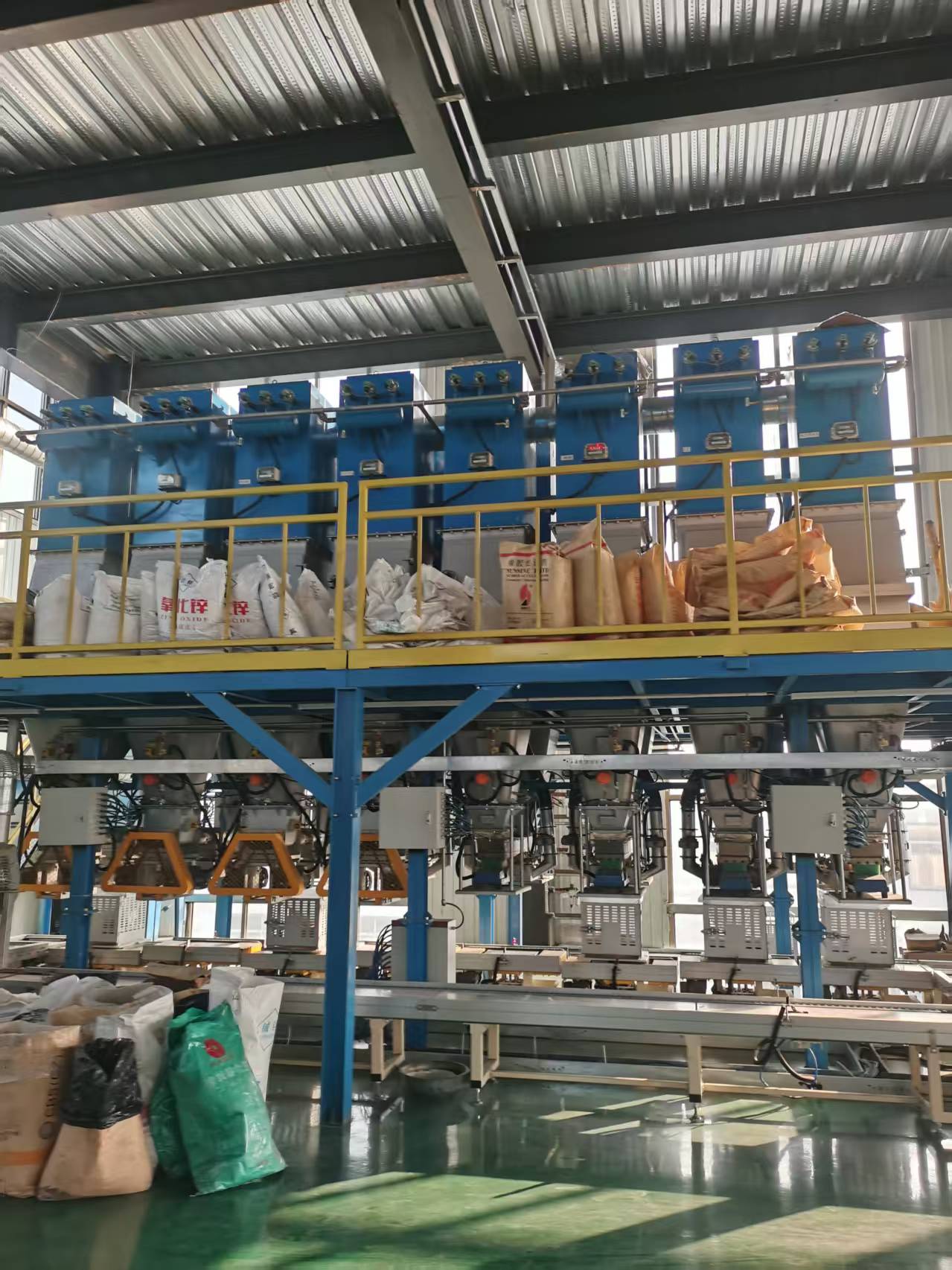
Precision Slitting & Cutting Line
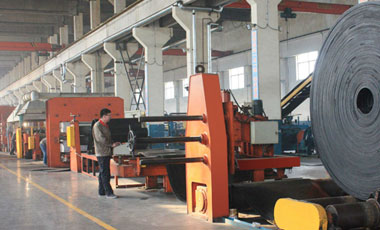
Fabric Tension Control System
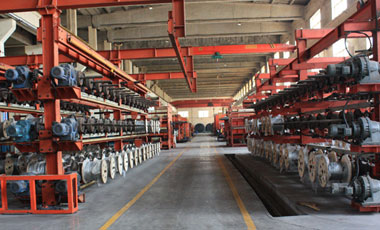
Advanced Curing Press
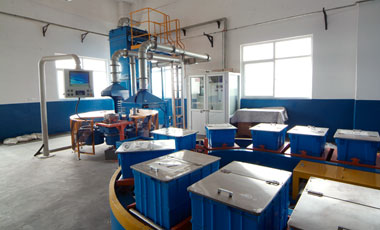
Internal Rubber Mixer
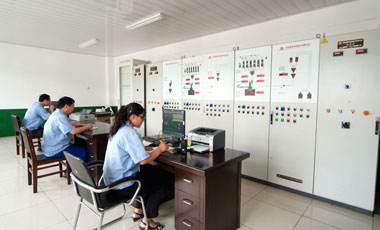
Multi-Ply Calendering Line
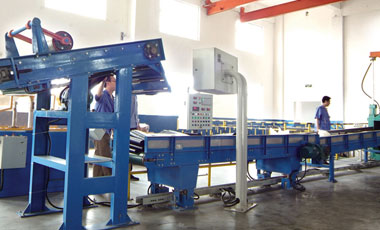
Cooling & Winding Station
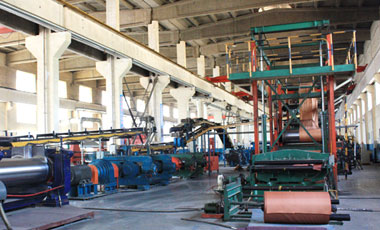
Raw Material Preparation Line
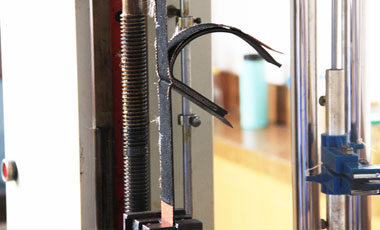
Peeling Test (Adhesion Strength)
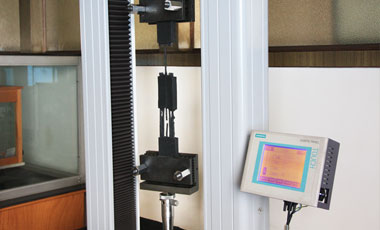
Steel Cord Pull-out Tester
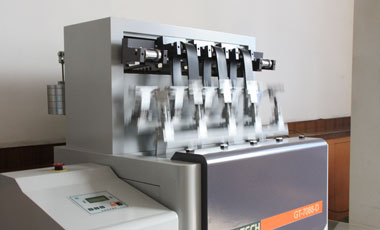
Dynamic Fatigue Tester
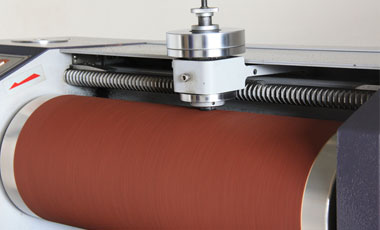
Abrasion Tester (Wear Resistance)
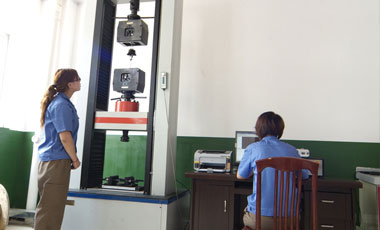
Polymer Abrasion Tester
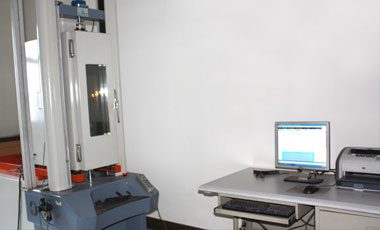
Physical Properties Analysis
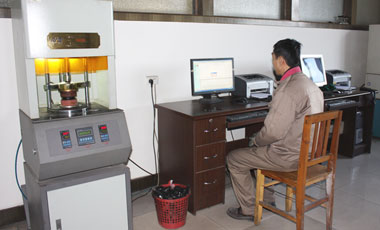
Tensile Strength & Elongation Test
The conveyor belt industry in the GCC region is transitioning rapidly toward automation, digitalization, and eco-friendly manufacturing. In Oman, industrial operators are increasingly prioritizing lifecycle cost reduction over low initial purchase prices. This shift has driven the adoption of lightweight materials like polyurethane (PU) and thermoplastic polyurethane (TPU), which offer longer service life, easier splicing, and lower energy consumption compared to traditional heavy rubber belts.
Another major trend is the integration of smart monitoring systems. Modern logistics hubs and manufacturing plants in Sohar and Salalah are experimenting with IoT-enabled sensors that detect belt misalignment, slippage, and temperature anomalies in real-time. Our lightweight belts are designed to be compatible with these tracking technologies, enabling Omani businesses to transition from reactive maintenance to predictive maintenance strategies.
Sustainability is also at the forefront of Oman's industrial policy. The Sultanate is actively promoting circular economy principles. As a result, there is a growing demand for recyclable conveyor belts. Our thermoplastic PVC and PU belts can be easily melted down and recycled at the end of their operational lifecycle, aligning with national green initiatives and carbon reduction targets.
Additionally, localized supply chains and rapid technical support are becoming critical. Omani factories cannot afford long lead times when a critical belt fails. We address this by partnering with local distributors and offering rapid shipping to major industrial hubs, coupled with detailed installation guidelines and technical support to minimize downtime.
Browse our comprehensive portfolio of high-performance conveyor belts and components, tailored to meet the specific requirements of Oman's diverse industrial sectors.
Heavy-duty and light-duty material handling for general manufacturing.
Specially formulated to maintain flexibility in sub-zero environments.
High-grip profiles preventing material slip on steep inclines.
Low-friction rollers designed for smooth conveyor operation.
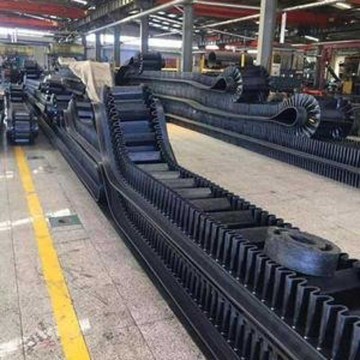
Corrugated sidewalls for vertical bulk material transportation.
Reinforced edges to prevent fraying and wear in high-friction systems.
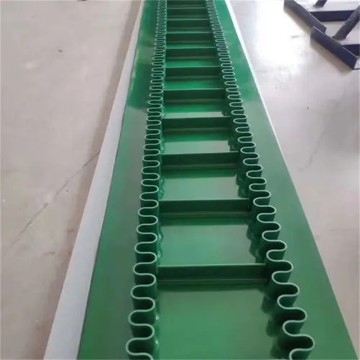
FDA-compliant, low-noise belts for food and logistics sectors.
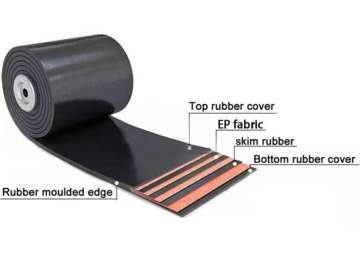
High-tensile polyester-nylon fabric belts for heavy-to-medium loads.