+86 18920794106
Leave Your Message
-
Contact WhatsApp
-
 Contact Phone
-
 Contact Email
Light-duty conveyor belts have undergone a remarkable transformation in recent years, evolving from simple material transport solutions to sophisticated systems capable of handling long-distance, high-tension load bearing applications. In today's industrial landscape, these conveyor systems represent a critical infrastructure component across manufacturing, logistics, food processing, packaging, and distribution sectors. The global conveyor belt market, valued at over $5 billion annually, continues to expand as industries seek more efficient, reliable, and cost-effective material handling solutions.
The contemporary industrial environment demands conveyor systems that can operate continuously over extended distances while maintaining structural integrity under varying tension loads. Light-duty conveyor belts, despite their classification, are engineered with advanced materials and construction techniques that enable them to perform in demanding applications traditionally reserved for heavy-duty systems. This paradigm shift has been driven by innovations in synthetic materials, reinforcement technologies, and manufacturing processes that enhance durability without compromising flexibility or weight efficiency.
The increasing adoption of automation in warehousing and distribution centers has created unprecedented demand for reliable long-distance conveyor systems. E-commerce growth, particularly accelerated by global digital transformation, requires sophisticated material handling infrastructure capable of processing thousands of items per hour across extensive facility footprints. Light-duty conveyor belts provide the ideal balance between operational efficiency, installation flexibility, and total cost of ownership for these applications.
Modern light-duty conveyor belts designed for long-distance, high-tension applications incorporate several critical engineering features. The belt construction typically involves multiple layers of synthetic fabrics such as polyester, nylon, or aramid fibers, providing exceptional tensile strength while maintaining flexibility. These reinforcement materials are carefully selected based on the specific application requirements, including load capacity, operating temperature range, chemical resistance, and expected service life.
Tension management represents one of the most critical aspects of long-distance conveyor belt operation. As belt length increases, so does the cumulative effect of tension forces, which can lead to elongation, misalignment, and premature failure if not properly addressed. Advanced light-duty belts incorporate low-elongation core materials that minimize stretch under load, maintaining consistent tracking and reducing the frequency of tension adjustments. Some systems utilize pre-tensioned construction techniques that stabilize the belt structure during the initial break-in period, significantly reducing maintenance requirements.
Engineered with advanced reinforcement materials providing exceptional load-bearing capacity for long-distance applications while maintaining lightweight construction.
Minimized stretch characteristics ensure consistent belt tracking and reduced maintenance requirements even under sustained high-tension operation.
Superior resistance to abrasion, chemicals, and environmental factors extends service life and reduces total cost of ownership in demanding applications.
Operates effectively across wide temperature ranges, from cold storage facilities to heated production environments without performance degradation.
Lightweight construction and flexible design facilitate faster installation and system modifications, reducing downtime and labor costs.
Optimized material usage and extended operational life deliver superior return on investment compared to traditional heavy-duty alternatives.
Modern distribution centers represent perhaps the most demanding application environment for light-duty conveyor belts. These facilities often feature conveyor systems spanning hundreds or even thousands of meters, connecting receiving docks, sorting areas, storage zones, and shipping stations. The belts must handle continuous operation, often 24/7, transporting packages of varying sizes, weights, and shapes while maintaining precise tracking and minimal downtime.
In these applications, light-duty belts offer significant advantages over traditional systems. Their reduced weight decreases energy consumption for both belt movement and facility climate control. The flexibility of modern light-duty belts enables complex routing configurations, including elevation changes, curves, and merges that would be impractical with heavier belt systems. Additionally, the lower inertia of light-duty belts allows for faster acceleration and deceleration, improving throughput in systems with frequent start-stop cycles.
The food industry presents unique challenges for conveyor belt systems, requiring materials that meet stringent hygiene standards while delivering reliable performance. Light-duty conveyor belts designed for food applications utilize FDA-approved materials that resist bacterial growth, withstand frequent washdowns, and maintain integrity when exposed to food products, oils, and cleaning chemicals. Long-distance applications in food processing facilities, such as those connecting production lines to packaging areas or moving products through multi-stage processing, benefit from the smooth, consistent operation of properly specified light-duty belts.
Temperature control represents another critical consideration in food applications. Many light-duty belts are engineered to perform in refrigerated or frozen environments without becoming brittle or losing flexibility. Conversely, belts used in baking or cooking applications must withstand elevated temperatures while maintaining food-safe properties. The versatility of modern light-duty belt materials allows manufacturers to specify systems that precisely match their operational requirements.
The explosive growth of e-commerce has transformed parcel handling operations, creating demand for conveyor systems that can process unprecedented volumes while maintaining high accuracy and speed. Light-duty conveyor belts in sorting facilities must handle rapid item flow, accommodate various package dimensions, and integrate seamlessly with automated scanning and routing equipment. Long-distance belt runs in these facilities often incorporate multiple transfer points, elevation changes, and curve sections, all of which must operate reliably to prevent bottlenecks and maintain system throughput.
Assembly line applications utilize light-duty conveyor belts to move work-in-progress components between workstations, often over considerable distances within large manufacturing facilities. These systems must provide precise positioning, smooth acceleration and deceleration, and reliable operation to maintain production schedules. The ability of light-duty belts to operate quietly also contributes to improved working conditions in manufacturing environments, reducing noise pollution and worker fatigue.
The integration of Internet of Things (IoT) sensors and artificial intelligence into conveyor belt systems represents a transformative trend in material handling. Smart light-duty conveyor belts equipped with embedded sensors can monitor tension, temperature, vibration, and wear in real-time, transmitting data to centralized management systems. This predictive maintenance capability allows operators to identify potential issues before they result in system failures, significantly reducing unplanned downtime and extending belt service life.
Advanced analytics platforms process sensor data to optimize system performance, automatically adjusting belt speed, tension, and routing based on current load conditions and operational requirements. Machine learning algorithms identify patterns in system behavior, enabling continuous improvement in efficiency and reliability. These intelligent systems also facilitate energy optimization, reducing power consumption during low-demand periods while ensuring adequate capacity during peak operations.
Environmental sustainability has emerged as a critical driver in conveyor belt development. Manufacturers are increasingly focusing on eco-friendly materials, including recycled polymers and bio-based compounds, that reduce environmental impact without compromising performance. The lightweight nature of modern light-duty belts inherently contributes to sustainability by reducing energy consumption throughout the product lifecycle, from manufacturing through operation to eventual recycling or disposal.
Energy-efficient drive systems, optimized belt designs that minimize rolling resistance, and regenerative braking technologies further enhance the environmental profile of light-duty conveyor systems. Some advanced installations incorporate solar panels or other renewable energy sources to power conveyor operations, achieving near-zero carbon footprints for material handling operations.
Research into advanced materials continues to push the boundaries of light-duty conveyor belt performance. Nano-enhanced polymers offer improved strength-to-weight ratios, enhanced chemical resistance, and superior wear characteristics. Aramid and ultra-high molecular weight polyethylene (UHMWPE) fibers provide exceptional tensile strength while maintaining the flexibility required for long-distance applications. These material innovations enable light-duty belts to handle increasingly demanding applications previously requiring heavy-duty systems.
The convergence of conveyor systems with robotics, automated guided vehicles (AGVs), and warehouse management systems creates increasingly sophisticated material handling ecosystems. Light-duty conveyor belts serve as critical infrastructure within these automated environments, requiring precise control interfaces, standardized communication protocols, and seamless integration capabilities. Future systems will feature enhanced automation, including self-adjusting tension systems, automatic belt cleaning mechanisms, and intelligent routing that adapts to changing operational requirements in real-time.
Modular conveyor belt systems that can be rapidly reconfigured to accommodate changing facility layouts or operational requirements represent an important trend in material handling. Quick-disconnect fittings, standardized mounting interfaces, and flexible belt materials enable system modifications with minimal downtime. This adaptability proves particularly valuable in industries with seasonal demand fluctuations or frequent product line changes, where conveyor systems must evolve alongside business requirements.
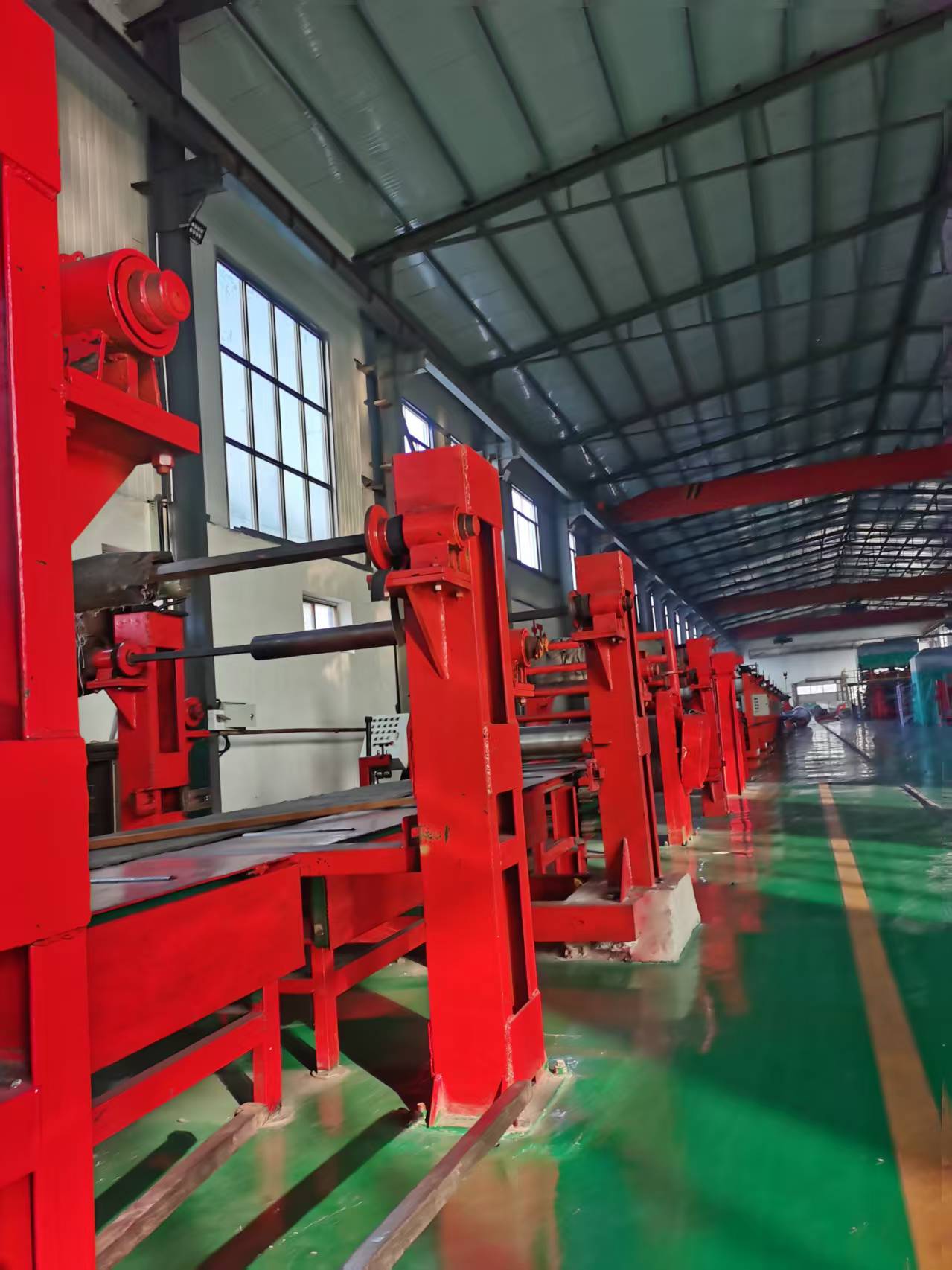
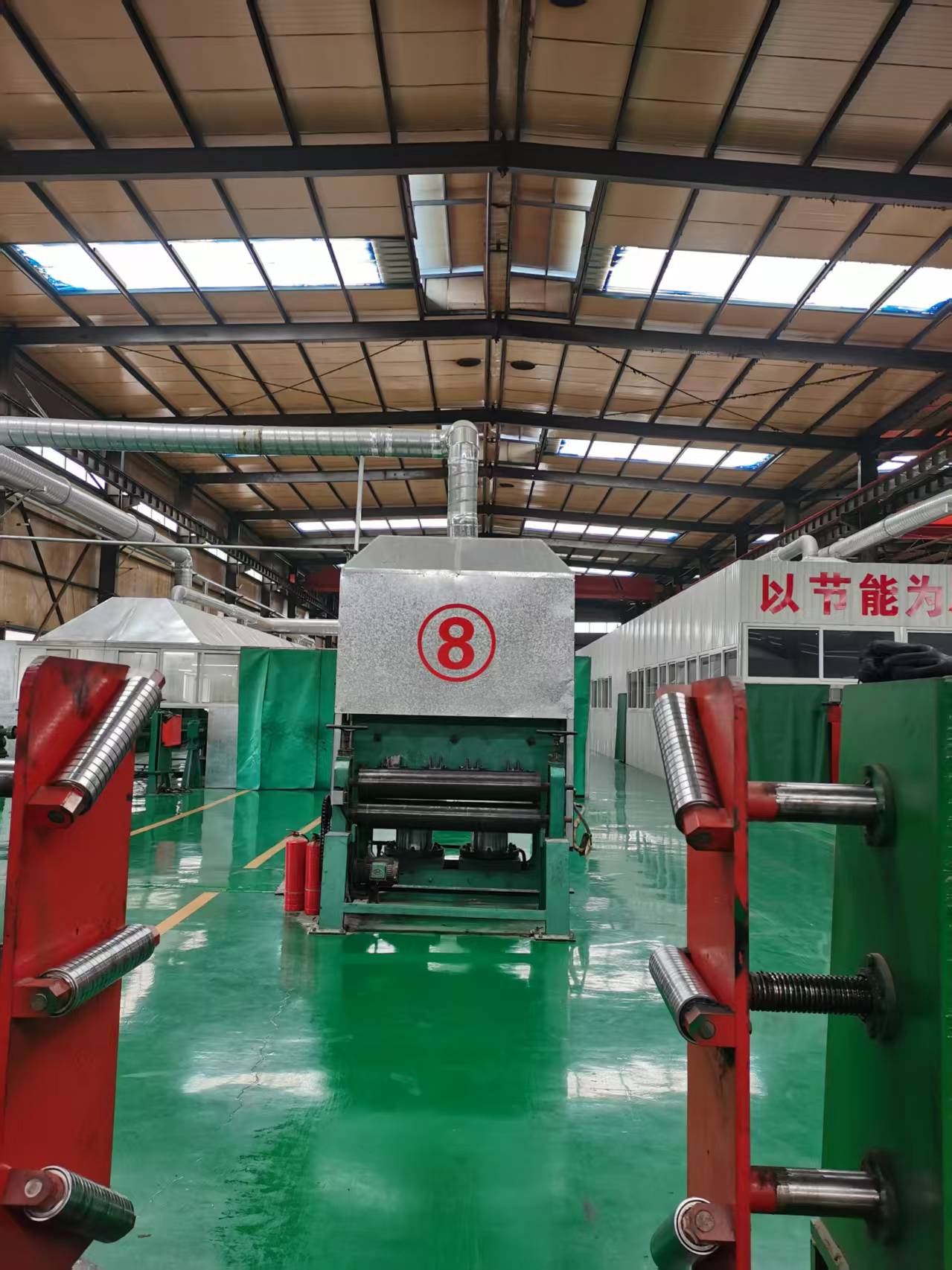
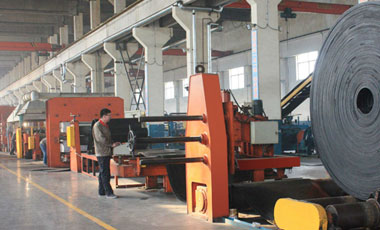
Production Line of Fabric Conveyor Belt
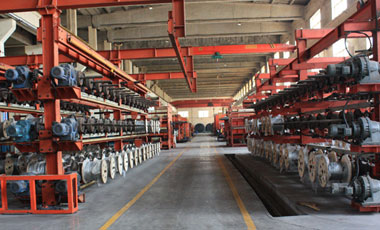
Production Equipment of Steel Cord Conveyor Belt
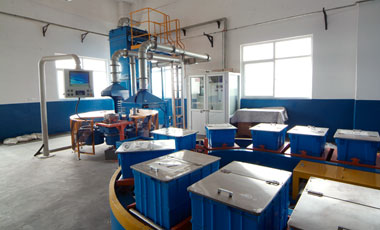
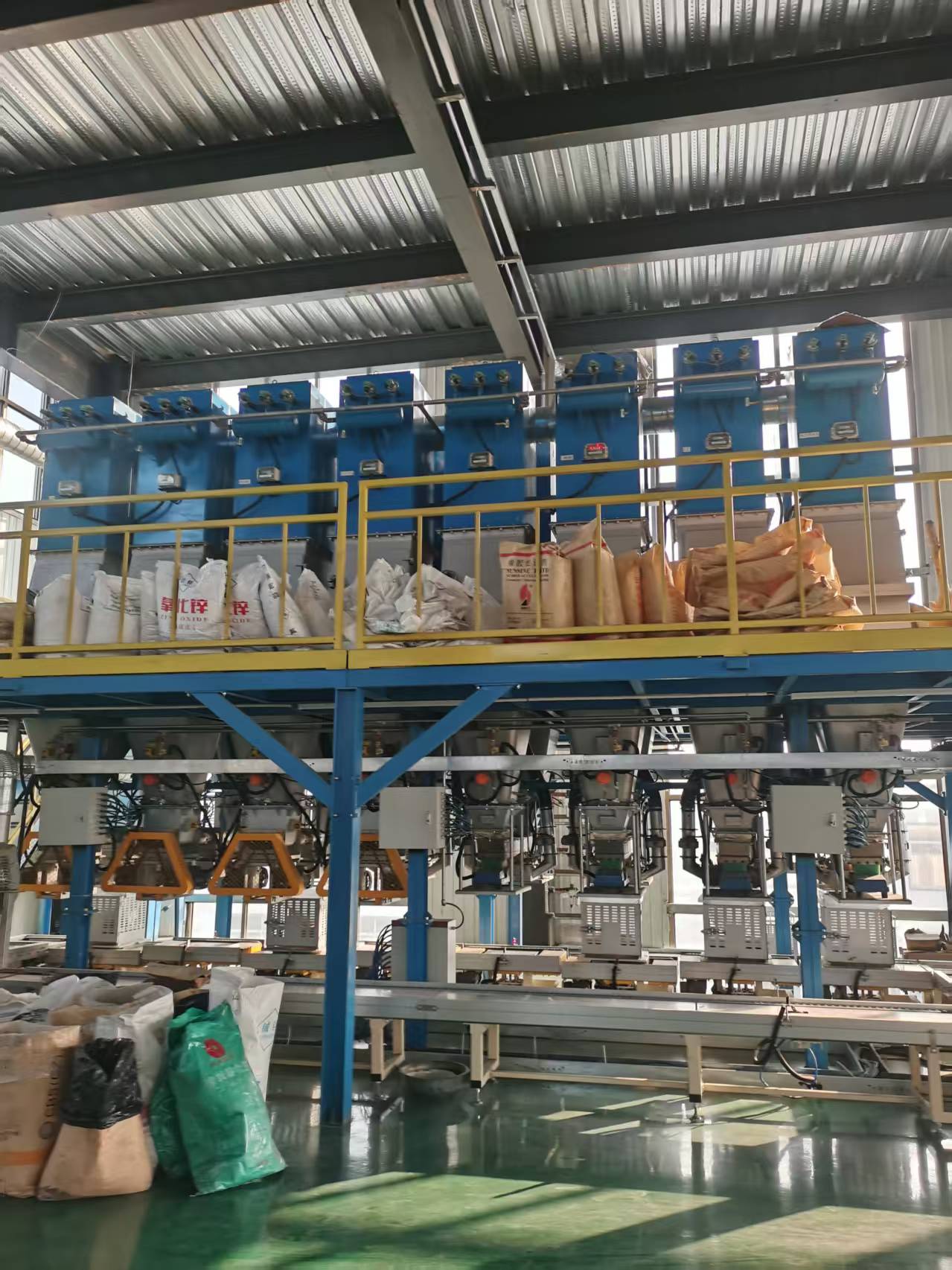
Proportioning Room of Mixing Center
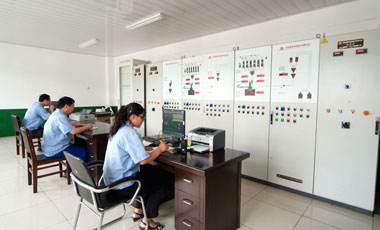
Proportioning System of Mixing Center
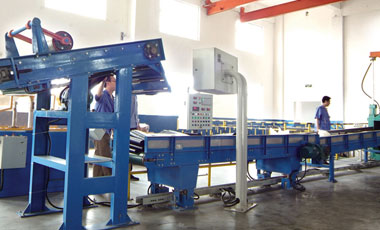
Feeding Device
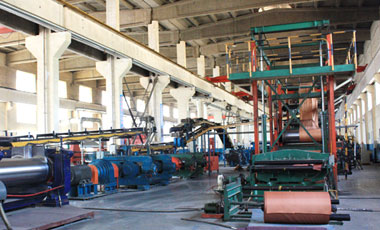
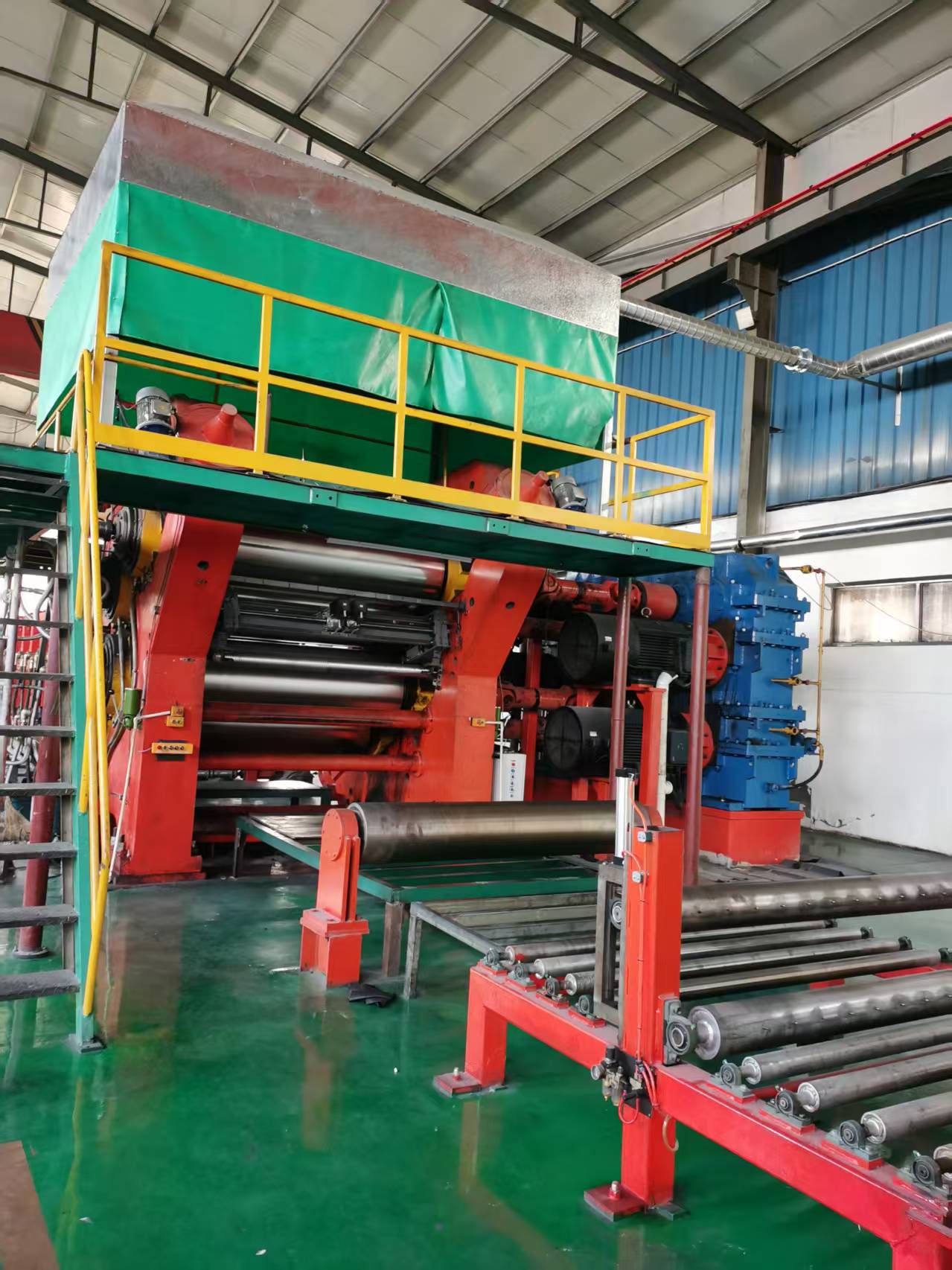
Calendering & Shaping Machine
Our state-of-the-art testing facilities ensure every conveyor belt meets the highest quality standards for long-distance, high-tension applications. Comprehensive testing protocols include tensile strength analysis, elongation measurements, abrasion resistance evaluation, and temperature performance verification.