


 +86 18920794106
Leave Your Message
-
Contact WhatsApp
-
 Contact Phone
-
 Contact Email
Underground environments present unique challenges for material handling systems, particularly in sectors such as mining, tunnel construction, underground storage facilities, and subway systems. These environments are characterized by confined spaces, limited ventilation, potential accumulation of combustible gases, and restricted emergency egress routes. When fire incidents occur in such settings, the consequences can be catastrophic, making fire safety a paramount concern in equipment selection and operational protocols.
Light-duty conveyor belts serve critical functions in these environments, transporting materials, supplies, and equipment through underground passages. Unlike heavy-duty mining conveyors designed for bulk material transport, light-duty systems typically handle lighter loads at lower speeds, making them ideal for auxiliary operations, maintenance supply distribution, and personnel equipment transport in underground facilities.
In fire-risk underground environments, conveyor belt selection must prioritize flame-retardant properties, low smoke emission, and minimal toxic gas generation. Standard conveyor belts can act as fuel sources, rapidly spreading fire through underground networks and producing lethal smoke that fills confined spaces within minutes.
The global market for flame-retardant conveyor belts in underground applications has experienced steady growth, driven by increasingly stringent safety regulations and heightened awareness following tragic underground fire incidents. According to industry analysis, the specialized conveyor belt market for underground applications is projected to reach $3.2 billion by 2027, with fire-resistant variants representing approximately 35% of this segment.
The regulatory landscape governing conveyor belt fire safety in underground environments has evolved significantly over the past two decades. Major regulatory frameworks include:
International Standards: ISO 340:2013 specifies requirements for fire-resistant conveyor belts for underground mining. The standard defines multiple categories of fire resistance, with Category 1 representing the highest level of protection required in the most hazardous underground environments.
Regional Regulations: The European Union's ATEX directives, North America's MSHA (Mine Safety and Health Administration) standards, and Australia's AS 1334 standards each impose specific requirements for flame resistance, smoke generation, and toxic gas emission from conveyor belts used in underground applications.
Industry-Specific Requirements: Beyond general safety standards, specific industries have developed additional requirements. For example, underground coal mining operations often require conveyor belts meeting the most stringent flame-retardant classifications due to the presence of methane gas and coal dust.
Modern light-duty conveyor belts designed for fire-risk underground environments incorporate multiple layers of fire protection:
Flame-Retardant Cover Compounds: The top and bottom covers of these specialized belts utilize rubber compounds formulated with flame-retardant additives such as antimony trioxide, aluminum hydroxide, and phosphorus-based compounds. These additives work through multiple mechanisms: cooling the combustion zone, forming protective char layers, and releasing non-combustible gases that dilute flammable vapors.
Self-Extinguishing Characteristics: Quality fire-resistant belts must demonstrate self-extinguishing properties when the ignition source is removed. Testing protocols involve subjecting belt samples to direct flame for specified durations and measuring the time required for combustion to cease after flame removal.
Premium fire-resistant light-duty conveyor belts achieve self-extinguishing times of less than 3 seconds and propagation distances under 50mm in standardized flame tests, significantly exceeding minimum regulatory requirements.
In confined underground spaces, smoke inhalation and toxic gas exposure represent greater immediate threats to personnel safety than direct flame contact. Advanced light-duty conveyor belts address these concerns through specialized formulations:
Smoke Density Control: Halogen-free flame retardants and optimized rubber compounds minimize smoke generation during combustion. Modern belts can achieve smoke density ratings below 150 (measured per ASTM E662), ensuring visibility for emergency evacuation.
Toxic Gas Minimization: Traditional flame retardants containing halogens release highly toxic gases including hydrogen chloride and hydrogen bromide during combustion. Contemporary formulations eliminate halogenated compounds, instead utilizing mineral-based flame retardants that generate minimal toxic emissions.
While fire safety is paramount, light-duty conveyor belts in underground environments must maintain adequate mechanical performance:
Tensile Strength: Light-duty applications typically require tensile strengths ranging from 400 N/mm to 1600 N/mm, depending on belt length, load capacity, and operating conditions. Reinforcement fabrics include polyester, nylon, and aramid materials selected for optimal strength-to-weight ratios.
Flexibility and Tracking: Underground conveyor systems often navigate tight curves and elevation changes. Belt flexibility ensures smooth operation around small-diameter pulleys while maintaining dimensional stability to prevent tracking problems.
Abrasion Resistance: Despite lighter loads compared to heavy-duty mining conveyors, underground light-duty belts must resist abrasion from transported materials and contact with support structures in confined spaces.
Coal mining represents the highest-risk environment for conveyor belt fires due to the explosive potential of methane gas and coal dust accumulation. Light-duty conveyor belts in these settings serve specialized functions:
Equipment and Supply Transport: Light-duty systems transport mining equipment, replacement parts, and supplies to working faces deep underground. These conveyors must meet the highest fire-resistance classifications while navigating the complex geometry of mine tunnels.
Personnel Equipment Conveyance: Some operations utilize light-duty belts to transport miners' personal protective equipment, tools, and supplies, reducing manual handling and improving efficiency in confined spaces.
Maintenance and Inspection Access: Specialized light-duty conveyors facilitate maintenance activities by transporting tools and components to remote underground locations, reducing downtime and improving safety by minimizing personnel exposure to hazardous areas.
Metal mining operations, while generally presenting lower fire risks than coal mining, still require robust fire protection due to confined spaces, electrical equipment, and hydraulic systems:
Ore Sample Transport: Light-duty conveyor systems transport ore samples from working areas to surface laboratories for analysis, requiring fire resistance combined with resistance to abrasive materials.
Waste Rock Removal: In development headings and exploration drifts, light-duty conveyors handle waste rock removal, operating in areas with limited ventilation where fire safety is critical.
Backfill Material Distribution: Some underground metal mines utilize light-duty conveyors to distribute cemented paste backfill or other materials used to support excavated areas, requiring chemical resistance alongside fire protection.
Underground transit systems present unique challenges combining high public safety stakes with continuous operation requirements:
Maintenance Material Transport: Light-duty conveyor systems transport maintenance supplies, replacement components, and tools through service tunnels, reducing manual handling and improving worker safety.
Emergency Equipment Distribution: Some advanced subway systems incorporate conveyor networks for rapid distribution of emergency equipment and supplies to incident locations, requiring reliable operation and maximum fire safety.
Waste and Debris Removal: Ongoing maintenance generates waste materials that must be removed from underground areas. Fire-resistant light-duty conveyors facilitate efficient waste management while maintaining safety standards.
Temperature-controlled underground storage facilities for food, pharmaceuticals, and strategic materials increasingly utilize automated material handling:
Product Distribution Networks: Light-duty conveyor systems distribute products throughout underground storage complexes, requiring fire resistance, cleanliness, and temperature tolerance.
Inventory Management: Automated storage and retrieval systems incorporate light-duty conveyors for efficient inventory management, demanding reliable operation in confined spaces with limited emergency access.
Research and development efforts are producing next-generation conveyor belt materials with enhanced safety and performance characteristics:
Nanotechnology Integration: Nano-scale flame retardants demonstrate superior fire protection at lower concentrations, reducing impact on mechanical properties while enhancing safety performance. Carbon nanotubes and graphene-based additives show particular promise.
Bio-Based Flame Retardants: Environmental concerns are driving development of flame retardants derived from renewable resources, including lignin-based compounds and bio-derived phosphorus additives that maintain fire protection while reducing environmental impact.
Smart Materials: Experimental conveyor belts incorporate materials that respond to temperature increases by releasing fire-suppressing compounds or changing physical properties to inhibit flame spread.
Integration of sensor technology with conveyor belt systems enables proactive fire prevention:
Embedded Temperature Sensors: Fiber optic temperature sensing systems embedded within conveyor belt structures provide real-time monitoring of belt temperature along entire conveyor lengths, enabling early detection of friction-related hot spots before ignition occurs.
Smoke Detection Integration: Advanced underground conveyor systems incorporate multi-point smoke detection with automatic shutdown capabilities, minimizing fire spread potential.
Predictive Maintenance Algorithms: Machine learning algorithms analyze sensor data to predict maintenance requirements before mechanical failures create fire risks, including bearing failures, belt misalignment, and excessive friction.
The conveyor belt industry is addressing environmental sustainability while maintaining safety standards:
Recycled Content Integration: Manufacturers are developing processes to incorporate recycled rubber and textile materials into fire-resistant conveyor belts without compromising safety performance, reducing environmental impact.
Extended Service Life: Advanced materials and manufacturing processes extend conveyor belt service life, reducing replacement frequency and associated environmental impacts of production and disposal.
End-of-Life Management: Industry initiatives are developing improved recycling and disposal processes for fire-resistant conveyor belts, addressing challenges posed by specialized flame-retardant compounds.
Underground conveyor systems are becoming increasingly automated and integrated with broader facility management systems:
Autonomous Operation: Advanced control systems enable autonomous operation of underground conveyor networks, optimizing material flow while maintaining safety protocols and responding automatically to detected anomalies.
Digital Twin Technology: Virtual replicas of underground conveyor systems enable simulation of operating conditions, optimization of configurations, and training of personnel without physical system access.
Integrated Safety Systems: Conveyor monitoring integrates with facility-wide safety systems, enabling coordinated emergency response including automatic ventilation adjustment, emergency lighting activation, and personnel notification.
Selecting appropriate light-duty conveyor belts for fire-risk underground environments requires careful consideration of multiple factors:
Risk Assessment: Comprehensive evaluation of fire risk factors including presence of flammable gases, ignition sources, ventilation adequacy, and emergency response capabilities should guide belt specification.
Regulatory Compliance: Ensure selected belts meet or exceed applicable safety standards for the specific jurisdiction and industry sector, including flame resistance classifications, smoke generation limits, and toxic gas emission requirements.
Operating Conditions: Consider environmental factors including temperature extremes, humidity, chemical exposure, and abrasive materials that may affect belt performance and longevity.
System Design Integration: Belt selection must consider overall conveyor system design including pulley diameters, belt speed, load characteristics, and maintenance access requirements.
Proper installation is critical for safety and performance of fire-resistant conveyor belts:
Joint Integrity: Belt splicing must maintain fire-resistant properties across the entire belt length. Vulcanized splices using compatible fire-resistant compounds ensure continuous protection without weak points.
Alignment and Tracking: Precise belt alignment prevents edge wear and friction-related hot spots that could initiate fires. Comprehensive commissioning procedures verify proper tracking under all operating conditions.
Safety System Verification: Before placing conveyor systems into service, verify operation of all safety systems including emergency stops, fire detection, and suppression systems.
Ongoing maintenance is essential for maintaining fire safety in underground conveyor operations:
Regular Inspections: Implement scheduled visual inspections to identify belt damage, wear, contamination, and mechanical issues that could compromise fire safety.
Cleaning Protocols: Regular cleaning prevents accumulation of combustible materials on belt surfaces and in conveyor structures, reducing fire fuel sources.
Component Replacement: Establish criteria for belt replacement based on wear indicators, damage assessment, and service life recommendations, ensuring belts are replaced before fire-resistant properties degrade.
Leading underground operations implement comprehensive conveyor belt management programs combining predictive maintenance technologies, regular inspections, and proactive component replacement, achieving safety incident rates 85% below industry averages.
Fire-resistant light-duty conveyor belts typically command premium prices compared to standard belts, with costs varying based on fire-resistance classification, mechanical specifications, and manufacturer:
Price Premium: Fire-resistant belts typically cost 40-80% more than equivalent standard belts, with the highest fire-resistance classifications commanding the greatest premiums.
System Integration Costs: Installation of fire-resistant conveyor systems may require additional investment in monitoring systems, fire suppression equipment, and enhanced ventilation, adding to initial capital requirements.
Despite higher initial costs, fire-resistant conveyor belts deliver substantial long-term value:
Risk Mitigation: Prevention of fire incidents avoids catastrophic costs including equipment damage, production losses, injury compensation, and regulatory penalties that can reach millions of dollars for severe incidents.
Insurance Benefits: Many insurers offer reduced premiums for operations utilizing certified fire-resistant conveyor systems, partially offsetting higher equipment costs.
Extended Service Life: Quality fire-resistant belts often demonstrate superior durability compared to standard belts, extending replacement intervals and reducing long-term costs.
Operational Continuity: Enhanced safety reduces unplanned shutdowns and production interruptions, improving overall operational efficiency and revenue generation.
Light-duty conveyor belts play vital roles in fire-risk underground environments across mining, infrastructure, and storage applications. The evolution of fire-resistant technologies, driven by regulatory requirements and tragic lessons learned from past incidents, has produced highly sophisticated belt systems that balance safety, performance, and economic viability.
Success in these challenging applications requires holistic approaches encompassing appropriate belt selection, proper system design, rigorous installation practices, and comprehensive maintenance programs. As underground operations become increasingly automated and integrated with digital technologies, conveyor belt systems will continue evolving to meet emerging safety and performance demands.
Organizations operating in fire-risk underground environments must prioritize safety in conveyor belt selection and management, recognizing that premium fire-resistant systems represent essential investments in personnel protection, operational continuity, and regulatory compliance. The ongoing development of advanced materials, monitoring technologies, and safety systems promises continued improvements in underground conveyor safety and performance.
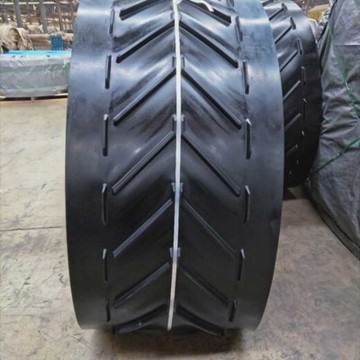 Patterned Rubber Conveyor Belt
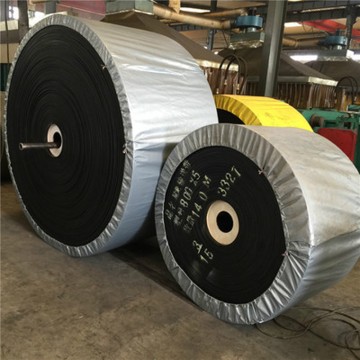 Heat-Resistant Rubber Conveyor Belt
 General-Purpose Rubber Conveyor Belt
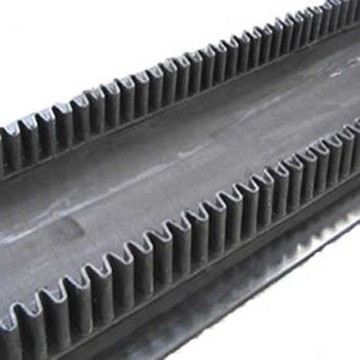 Edge-Reinforced Rubber Conveyor Belt
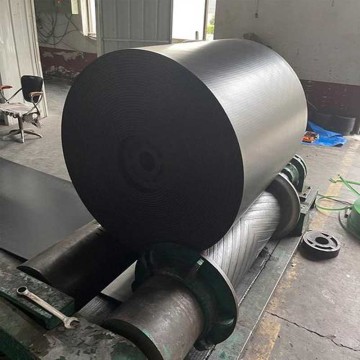 Flame Retardant Rubber Conveyor Belt
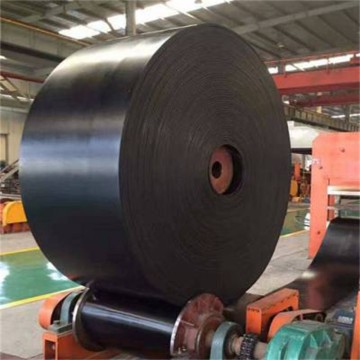 Nylon Rubber Conveyor Belt
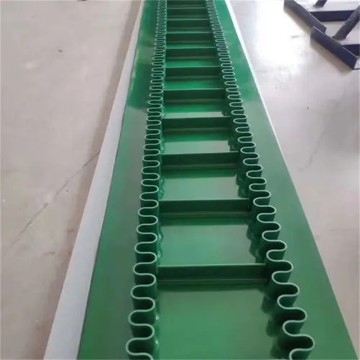 PVC-PU Lightweight Conveyor Belt
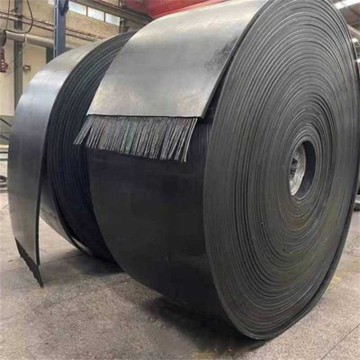 Steel Wire Rope Core Conveyor Belt