+86 18920794106
Leave Your Message
-
Contact WhatsApp
-
 Contact Phone
-
 Contact Email
In the demanding environments of mining and coal site operations, lifting conveyor belts represent a critical component of material handling infrastructure. These specialized conveyor systems are engineered to transport heavy loads of minerals, coal, and ore from extraction points to processing facilities, often traversing steep inclines and challenging terrains.
The global mining conveyor belt market has experienced significant growth, driven by increasing mining activities and the need for efficient material handling solutions. With the mining industry producing billions of tons of material annually, the reliability and performance of lifting conveyor belts directly impact operational efficiency and profitability.
Modern lifting conveyor belts incorporate advanced materials and engineering principles to withstand extreme conditions including abrasive materials, temperature fluctuations, heavy loads, and continuous operation cycles. The integration of high-tensile strength materials, specialized rubber compounds, and innovative design features ensures optimal performance in the most challenging mining environments.
The global mining industry continues to expand with increasing demand for minerals and coal. Conveyor belt systems handle over 80% of material transport in modern mining operations, with the market projected to reach $5.2 billion by 2027. This growth is driven by automation, efficiency requirements, and the need for sustainable mining practices.
Mining operations face unique challenges including extreme environmental conditions, abrasive materials, steep inclines up to 45 degrees, and the need for 24/7 operation. Lifting conveyor belts must withstand loads exceeding 3,000 tons per hour while maintaining safety standards and minimizing downtime in harsh conditions.
Modern lifting conveyor belts incorporate smart sensors for predictive maintenance, IoT connectivity for real-time monitoring, advanced materials with enhanced durability, and energy-efficient designs that reduce operational costs by up to 30%. These innovations are transforming traditional mining operations into smart, connected facilities.
Lifting conveyor belts serve diverse and critical functions across mining and coal site operations. Understanding these applications is essential for selecting the right belt system for specific operational requirements.
In underground mining operations, lifting conveyor belts transport extracted materials from deep mining faces to surface facilities. These systems must navigate complex tunnel networks, handle materials in confined spaces, and operate in environments with limited ventilation. Belt systems can extend several kilometers underground, requiring fire-resistant properties, low-friction designs, and robust construction to handle continuous operation in challenging conditions.
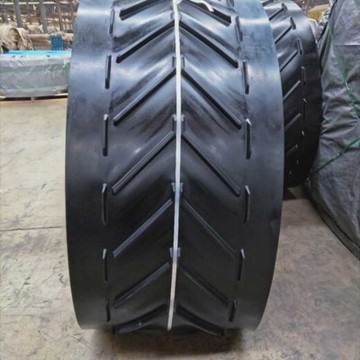
Open-pit mines and quarries utilize lifting conveyor belts to move massive quantities of material from excavation sites to processing plants. These systems often feature high-angle conveyors (up to 45 degrees) with specialized cleats or chevron patterns to prevent material rollback. The belts must withstand exposure to weather elements, UV radiation, and temperature extremes while maintaining consistent performance under heavy loads exceeding 5,000 tons per hour.
Coal sites require specialized lifting conveyor belts for transporting raw coal from mining areas to preparation plants and loading facilities. These belts feature flame-retardant properties to meet stringent safety regulations, anti-static compounds to prevent spark generation, and oil-resistant covers to handle coal with varying moisture content. The systems integrate dust suppression features and spillage control mechanisms to maintain environmental compliance.
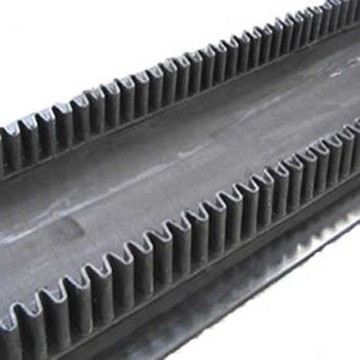
One of the most demanding applications involves transporting materials up steep inclines where traditional conveyor systems cannot operate effectively. High-angle lifting conveyor belts with corrugated sidewalls, transverse cleats, and specialized fastening systems can achieve inclines up to 90 degrees. These systems significantly reduce the footprint compared to traditional multi-flight conveyors while improving energy efficiency and reducing maintenance requirements.
In surface mining operations, removing overburden (waste material covering mineral deposits) requires massive conveyor systems capable of handling millions of tons annually. Lifting conveyor belts in these applications feature extra-heavy-duty construction, reinforced edges to prevent damage, and wear-resistant covers designed for abrasive materials. These systems often integrate with mobile crushing units and stackers to create flexible material handling solutions.
Mining operations connected to port facilities use lifting conveyor belts to transfer materials from storage stockyards to ship loading systems. These belts must handle varying material types, operate in corrosive marine environments, and provide precise load control for efficient ship loading. Integration with automated stacking and reclaiming systems enables continuous operation with minimal manual intervention.
The integration of IoT sensors and AI-powered analytics is revolutionizing conveyor belt maintenance. Modern systems monitor belt tension, temperature, vibration, and wear patterns in real-time, predicting failures before they occur. This predictive approach reduces unplanned downtime by up to 50% and extends belt life by 20-30%. Advanced systems can automatically adjust operational parameters to optimize performance and energy consumption based on load conditions and material characteristics.
Research and development in polymer science have produced next-generation rubber compounds with superior properties. New formulations offer enhanced abrasion resistance (lasting 40% longer than traditional materials), improved temperature tolerance (operating from -40°C to +200°C), reduced rolling resistance for energy savings, and self-healing properties that automatically seal minor cuts and punctures. These materials significantly reduce total cost of ownership while improving operational reliability.
Environmental concerns and operational costs are driving innovation in energy-efficient conveyor designs. Modern lifting conveyor belts feature low rolling resistance compounds that reduce energy consumption by 15-25%, regenerative braking systems that capture energy during downhill transport, optimized idler spacing and bearing designs, and lightweight construction that maintains strength while reducing power requirements. These innovations align with mining industry sustainability goals and significantly reduce carbon footprint.
The industry is moving toward modular conveyor belt systems that enable rapid deployment and reconfiguration. Pre-fabricated belt sections with mechanical fasteners allow installation times to be reduced by 60%, minimize vulcanization requirements in the field, enable quick repairs and section replacement, and provide flexibility for changing mine layouts. This modularity is particularly valuable in mobile mining operations and temporary installations.
Integration with automated mining systems is creating fully autonomous material handling solutions. Modern conveyor systems feature automated start/stop sequences coordinated with mining equipment, self-adjusting belt tracking systems, automated cleaning and maintenance robots, and integration with mine management software for optimized production scheduling. These autonomous systems reduce labor requirements while improving safety and operational consistency.
Safety remains paramount in mining operations, driving continuous innovation in conveyor belt design. Advanced safety features include improved fire detection and suppression systems, emergency stop systems with redundant controls, automated spillage detection and containment, enhanced guarding and access control systems, and compliance with increasingly stringent international safety standards. These features protect personnel while reducing liability and insurance costs.




The company has an independent chemical analysis room and physics laboratory, which can ensure timely monitoring of every link from raw material procurement to product delivery. It strictly follows the principle of not entering the site for unqualified products and not leaving the site for products that do not meet standards.
Professional quality inspectors, sophisticated experimental testing equipment, and advanced testing methods ensure the quality of the company's products.
With strong technical strength and a comprehensive after-sales system, our products are exported to various parts of the country. Widely used in industries such as steel, metallurgy, coal, cement, power generation, fertilizers, grain depots, ports, etc.
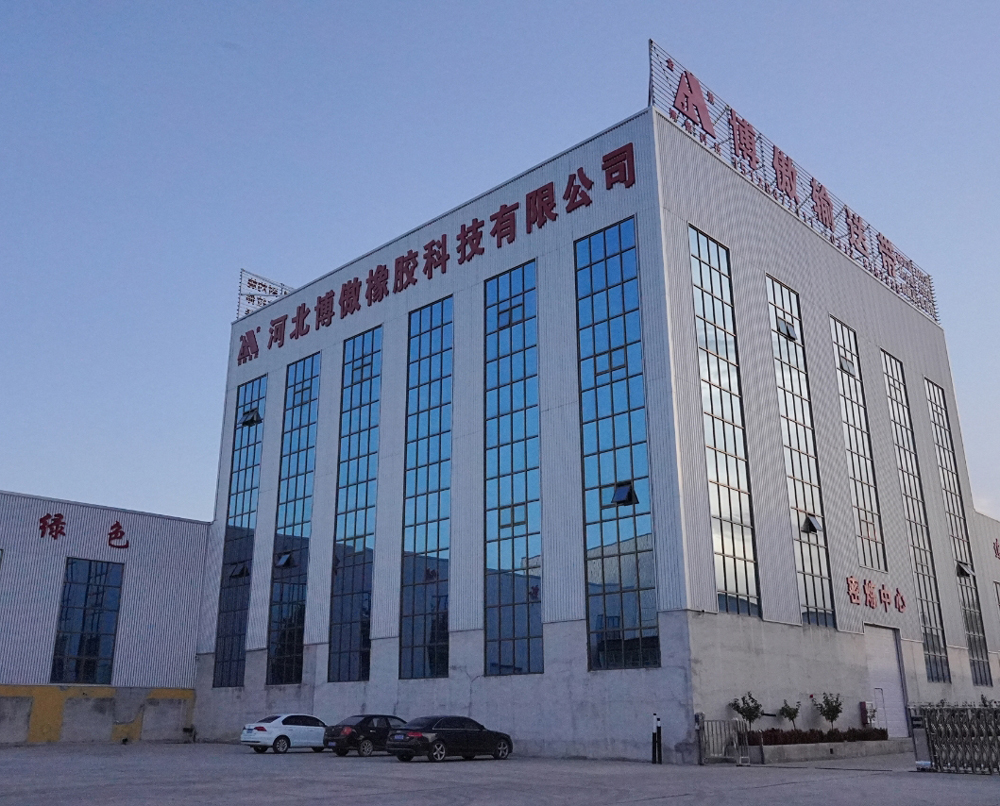
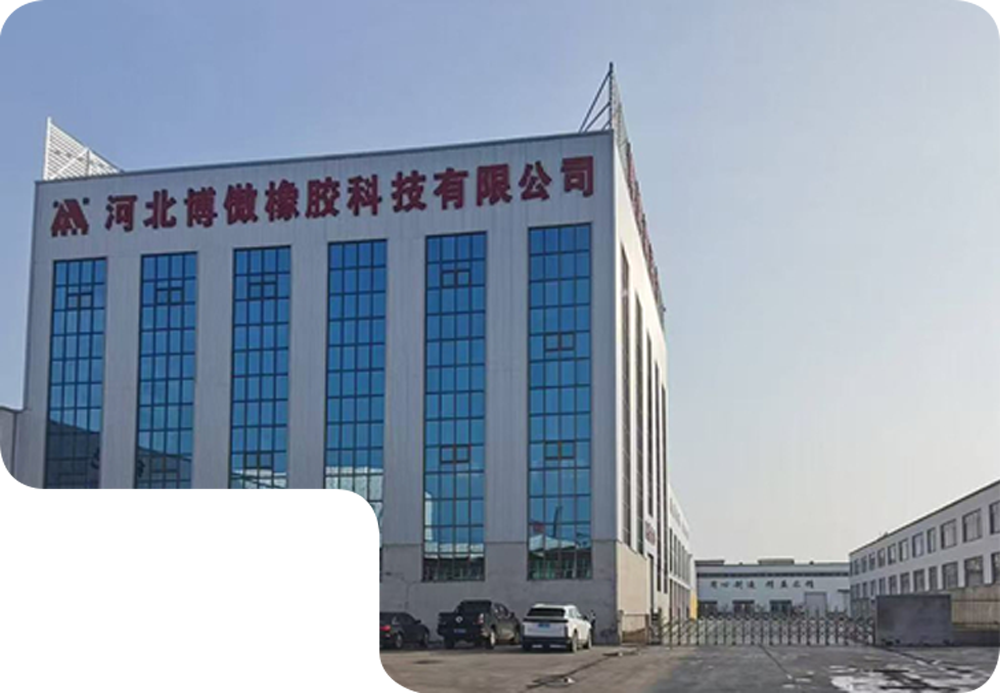
Today, Hebei Boao Rubber Technology Co., Ltd. will be built into a domestic production-oriented enterprise with modern equipment, diversified products, and international market, and will present itself in the new century with a brand new attitude.
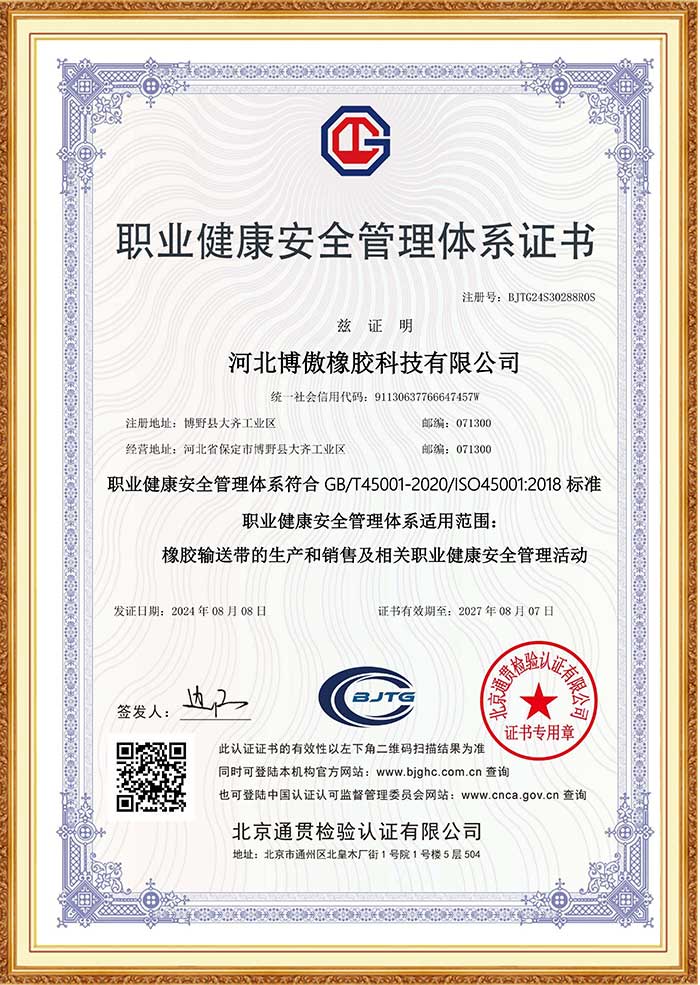

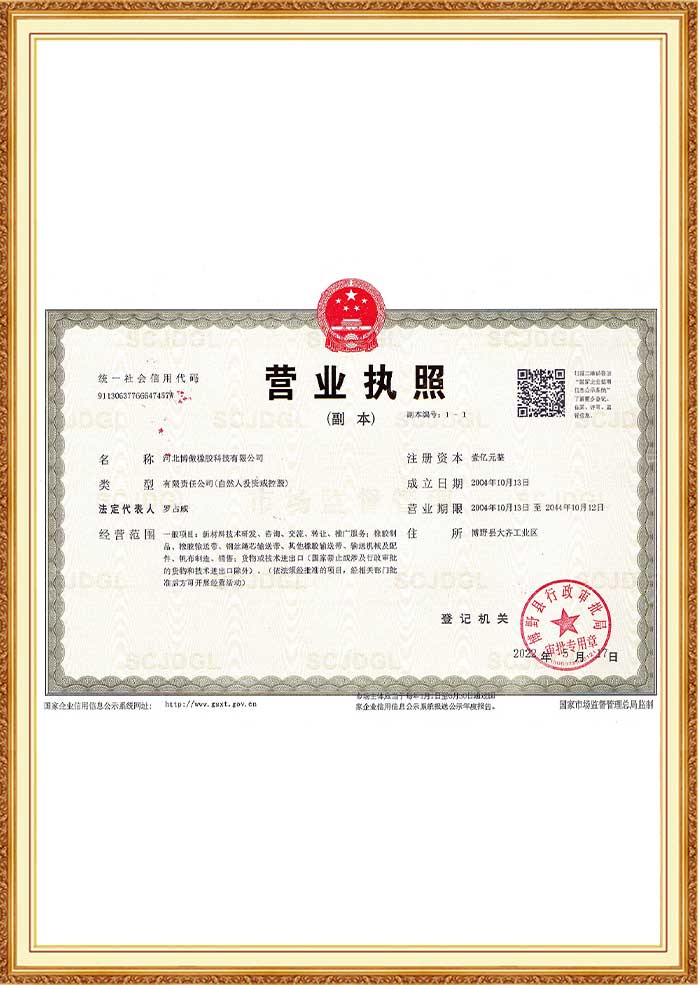
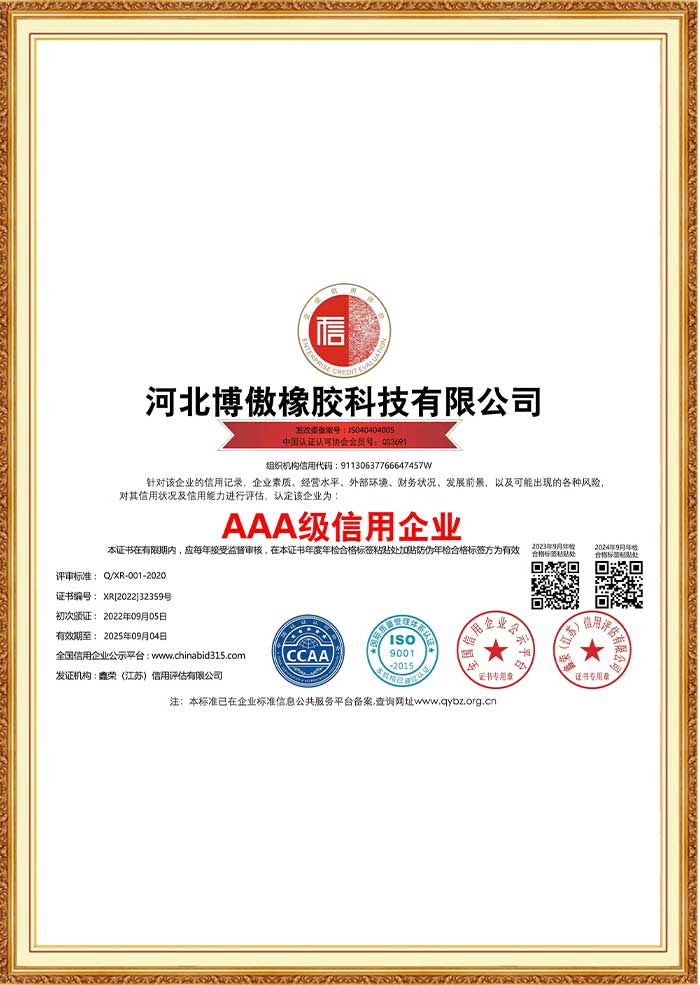
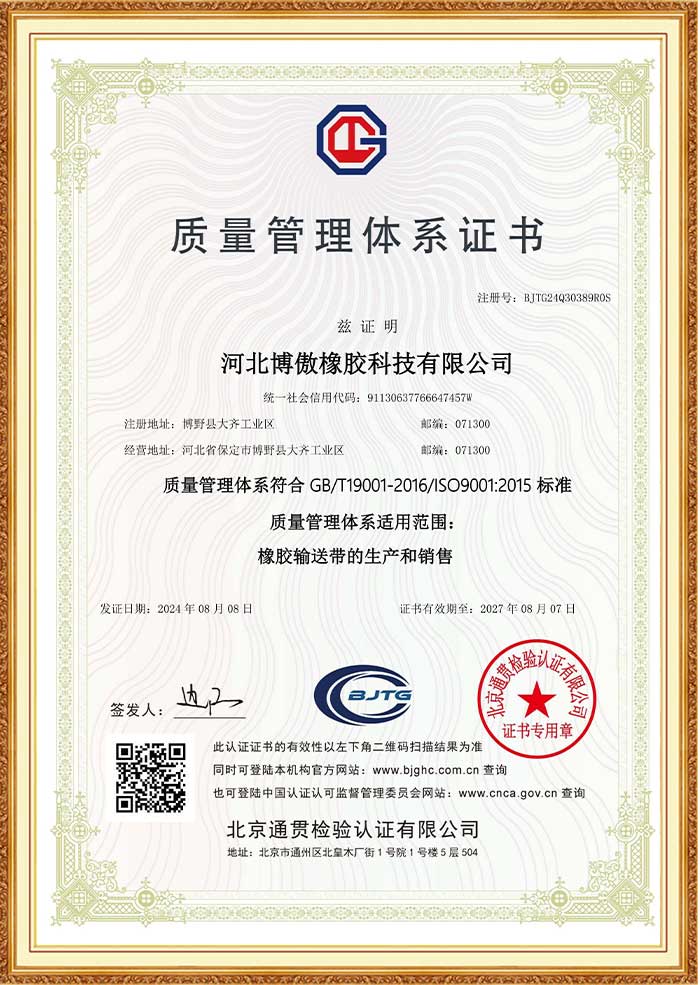
We are committed to providing you with the highest quality products and excellent services. If you have any questions or need assistance with our products, please feel free to contact us and we will be happy to serve you.