+86 18920794106
Leave Your Message
-
Contact WhatsApp
-
 Contact Phone
-
 Contact Email
Premium Grade Belting & Idler Components for Greek Heavy Industries
Greece, situated at the strategic crossroads of Southern Europe, Asia, and North Africa, is experiencing a remarkable industrial renaissance. With extensive maritime trade hubs such as the Port of Piraeus and the Port of Thessaloniki, alongside rich mineral reserves across Central Greece, Macedonia, and the Peloponnese, the demand for high-capacity material handling systems has never been higher. At the heart of these modern industrial systems are layered conveyor belts—multi-ply textile reinforced rubber belts designed to carry millions of tons of aggregate, minerals, cement, chemical fertilizers, and heavy industrial cargo each year.
As Greek factories, mines, and logistics operators upgrade their operational facilities to align with modern European efficiency and environmental standards, sourcing reliable layered conveyor belts from direct factory manufacturers has become a strategic priority. Whether powering the extraction of bauxite in Mt. Parnassus, transporting aggregates for major civil infrastructure in Attica, or facilitating continuous raw material transport in cement production plants, advanced multi-ply conveyor belting delivers the required tensile strength, impact absorption, and long-term durability.
Constructed with EP (Polyester-Polyamide) or NN (Nylon) synthetic fabric layers bonded with high-adhesion inter-ply rubber for exceptional flex durability.
Engineered with premium cover rubber grades (DIN-X, Y, W, Z or ISO standards) offering high resistance against sharp ores, abrasion, and tear impacts.
Designed with low rolling resistance bottom covers that significantly minimize power consumption across long-distance conveyor systems in Greece.
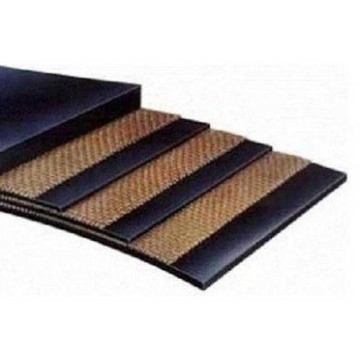
Layered conveyor belts, often referred to as multi-ply fabric conveyor belts, consist of multiple plies of woven synthetic fabrics (such as Polyester in the warp and Polyamide in the weft, known as EP fabric) encased within high-performance vulcanized rubber covers. Unlike single-ply or solid woven belts, the multi-ply architecture allows engineers to customize the belt’s mechanical properties precisely for specific industrial applications across Greece.
The internal layers provide the essential tensile load-bearing capacity, maintaining structural integrity under high working tension while resisting longitudinal stretching. The inter-ply skim rubber ensures optimal flexibility around pulleys, preventing ply separation (delamination) even during continuous 24/7 operating cycles. Furthermore, specialized outer rubber compounds are tailored to protect the inner core from harsh environmental factors, chemical exposure, thermal degradation, and heavy abrasive impacts.
Greece’s diverse economic terrain requires specialized belting configurations across multiple industrial sub-sectors. Leading factories and suppliers cater to these localized demands by providing specialized multi-ply belting formulations tailored to local geographic and climatic conditions.
Greece stands as one of the European Union’s premier producers of bauxite and nickel (ferronickel). Mining hubs in Central Greece (Fokida, Boeotia) and Northern Greece demand heavy-duty layered conveyor belts capable of carrying heavy, sharp-edged mineral ores. Multi-ply EP belts with reinforced rubber top covers (up to 10mm or more) provide superior impact resistance when receiving raw ores from jaw crushers and primary screens, avoiding premature cover puncture and carcass tears.
The maritime logistics hubs of Piraeus, Thessaloniki, and Volos handle massive volumes of dry bulk cargo, including grains, coal, metal scrap, and mineral concentrates. Ships unloading at high metric tons per hour require continuous-duty conveyor systems. Layered conveyor belts engineered with oil-resistant, flame-retardant, or anti-static properties ensure safe and rapid transfer of bulk goods from vessel berths to regional storage silos and hinterland rail connections.
Greece’s cement industry, led by global giants like TITAN Cement Group, operates extensive quarrying and cement kiln plants across the country. Conveying hot clinker (reaching temperatures above 150°C to 200°C) demands heat-resistant layered conveyor belts featuring EPDM or specialized synthetic rubber covers that resist thermal cracking and hardening. In aggregate quarries supplying sand, gravel, and crushed limestone for Hellenic highway projects, multi-ply belts provide maximum troughability and wear life.
Agricultural processing and chemical fertilizer production facilities in areas such as Kavala and Central Macedonia require belting materials that resist chemical degradation. Acid and alkali resistant layered conveyor belts prevent rubber swelling and ply degradation when handling phosphate rock, sulfur, ammonium compounds, and acidic chemical agents, preserving operating efficiency and preventing costly plant downtime.
Selecting the ideal layered conveyor belt configuration requires a comprehensive analysis of operational parameters, material properties, and environmental conditions. Greek factory managers and procurement engineering teams typically evaluate the following technical criteria:
Advanced hot-vulcanization processes yield inter-ply bond strength exceeding international standards, eliminating delamination risks under severe cyclic bending.
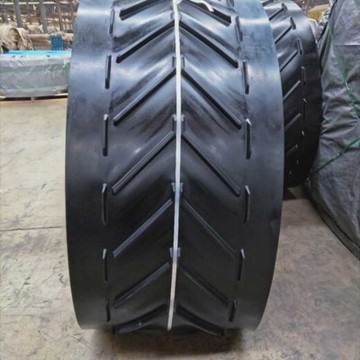
Utilizing chevron-patterned or cleated layered belts to transport bulk materials up steep inclines (up to 30°-35°) without material slippage or roll-back.
Fully compliant with European REACH regulations, ISO 9001 quality management, and strict environmental safety protocols required across the EU.
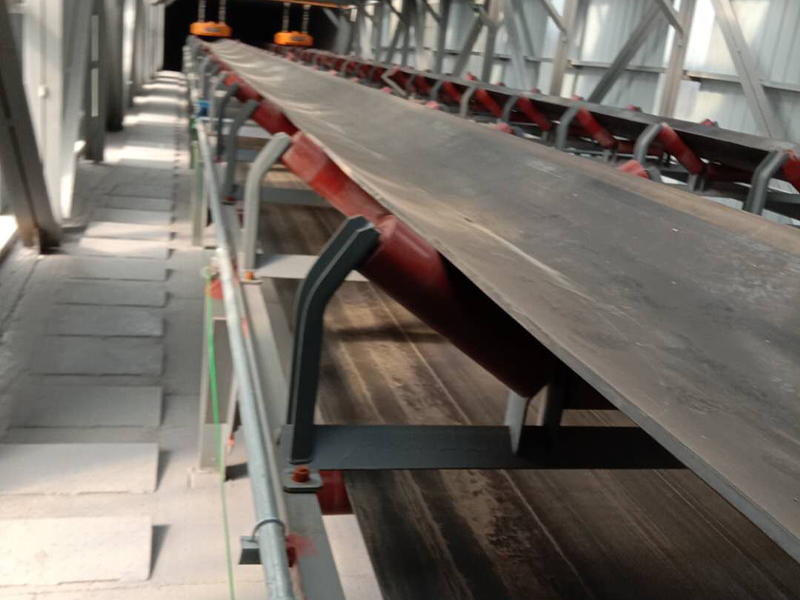
Empowering Major Infrastructure, Mining, and Industrial Projects Across Greece and Mediterranean Regions
Hellenic Steel & Metallurgical Operations
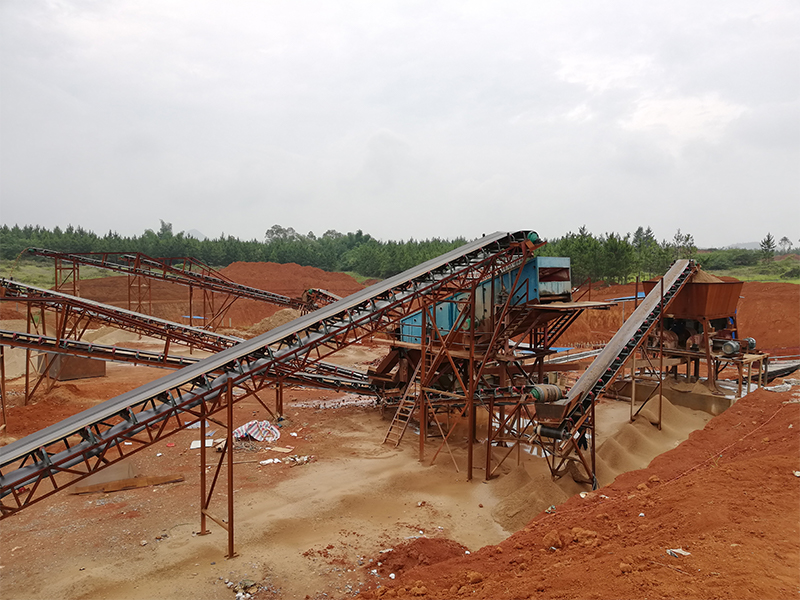
Aegean Nickel & Alloy Refining Operations
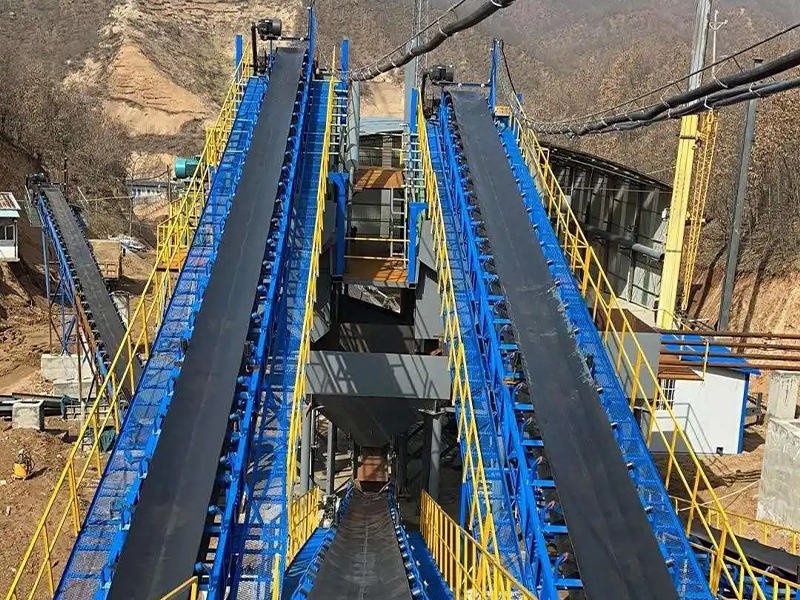
Greek Bauxite & Polymetallic Mining Projects
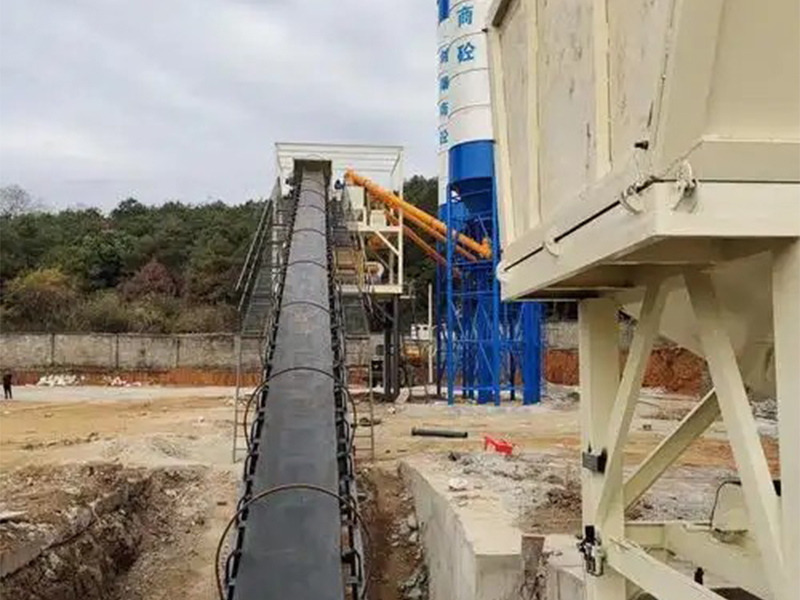
Athens Metropolitan Concrete Infrastructure

TITAN & Aegean Cement Manufacturing Hub
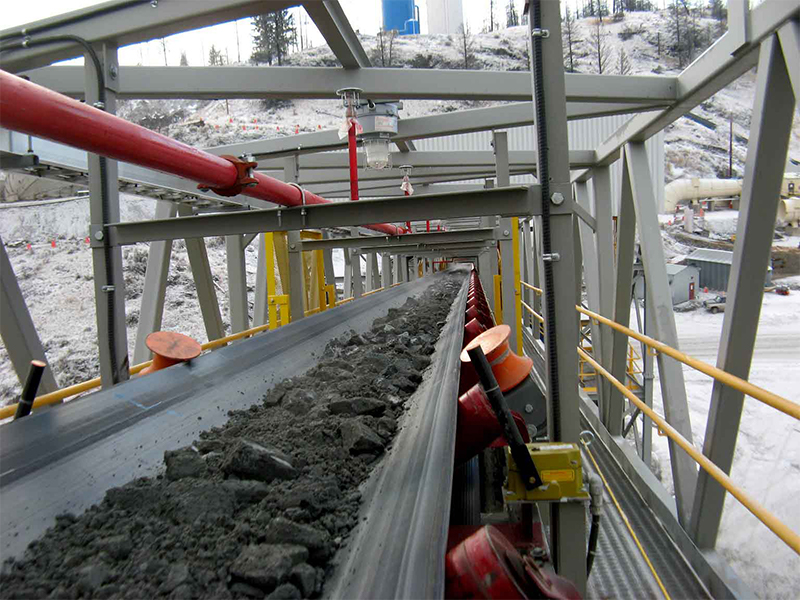
Ptolemaida Energy & Lignite Sector Logistics
The Greek industrial domain is undergoing rapid modernization driven by green transition policies, digitisation, and strict European sustainability directives. Looking forward, the layered conveyor belting industry in Greece is moving towards three pivotal technical innovations:
With electricity costs impacting industrial bottom lines, energy-optimized rubber belting is taking center stage. Special Energy Saving Rubber (ESR) bottom covers lower the indentation rolling resistance (IRR) as the belt passes over idlers. For long overland conveyor systems in Greek quarries and ports, this technology can reduce overall motor power consumption by up to 15% to 25%, directly lowering greenhouse gas emissions.
Modern smart factories in Greece are adopting predictive maintenance technologies. Layered conveyor belts are increasingly paired with intelligent monitoring systems—such as embedded RFID tags, real-time belt rip detectors, and infrared temperature sensors. These AI-driven tools detect internal cover damage, splicing weakness, or belt deviation before catastrophic failure occurs, shifting maintenance from reactive to proactive.
Urban processing centers in Athens, Thessaloniki, and Patras often operate under strict spatial constraints. Steep-incline sidewall layered conveyor belts allow vertical or steep (up to 90°) material elevation without bulk transfer towers. This enables high-density factory layouts, reduced land usage, and minimized dust dispersion in sensitive coastal environments.
Navigating the supply chain for heavy-duty industrial conveyor belting requires strong collaboration between end-users, engineering procurement contractors (EPCs), and direct factory manufacturers. Sourcing high-quality layered conveyor belts from established manufacturing suppliers offers significant operational advantages for Greek industrial buyers:
Explore Our Full Catalog of Heavy-Duty Belting & Material Handling Solutions for Suppliers & Factories in Greece