+86 18920794106
Leave Your Message
-
Contact WhatsApp
-
 Contact Phone
-
 Contact Email
In today's rapidly evolving food processing and light-duty sorting industries, high-strength conveyor belts have become indispensable components of efficient production lines. These specialized conveyor systems represent a critical intersection of food safety compliance, operational efficiency, and technological innovation. As global food production demands continue to escalate and regulatory standards become increasingly stringent, manufacturers are seeking conveyor belt solutions that not only meet but exceed industry expectations for durability, hygiene, and performance.
The high-strength conveyor belt designed specifically for food-grade and light-duty sorting applications has emerged as a game-changing solution for businesses ranging from small-scale food processors to large industrial sorting facilities. These belts combine advanced material science with precision engineering to deliver unparalleled performance in environments where contamination prevention, gentle product handling, and consistent operation are paramount.
FDA-approved materials that meet stringent food contact regulations, ensuring zero contamination risk and complete traceability throughout the production process.
Advanced reinforcement technology provides exceptional load-bearing capacity while maintaining flexibility for complex conveyor configurations and demanding applications.
Smooth, non-porous surfaces resist bacterial growth and allow for rapid washdown procedures, minimizing downtime and maximizing operational efficiency.
The global conveyor belt market for food processing applications has experienced remarkable growth over the past decade, with projections indicating continued expansion through 2030. This growth is driven by several converging factors: increasing automation in food processing facilities, rising consumer demand for packaged and processed foods, and heightened awareness of food safety standards worldwide. The light-duty sorting segment, in particular, has seen exponential growth as e-commerce fulfillment centers and automated distribution facilities proliferate across developed and emerging markets.
According to recent industry analysis, the food-grade conveyor belt market is valued at approximately $2.8 billion globally, with an anticipated compound annual growth rate (CAGR) of 4.7% through 2028. North America and Europe currently dominate market share due to stringent regulatory environments and mature food processing industries, while Asia-Pacific regions are experiencing the fastest growth rates as industrialization and food safety awareness accelerate.
The regulatory landscape governing food-grade conveyor belts has become increasingly complex and demanding. In the United States, the Food and Drug Administration (FDA) enforces strict regulations under Title 21 of the Code of Federal Regulations, specifically sections dealing with food contact substances. The European Union maintains equally rigorous standards through Regulation (EC) No 1935/2004 and subsequent amendments, while individual member states may impose additional requirements.
Manufacturers of high-strength conveyor belts for food applications must navigate this complex regulatory environment by ensuring their products meet multiple criteria: material composition restrictions, migration testing requirements, traceability documentation, and ongoing compliance monitoring. This regulatory pressure has driven significant innovation in belt materials and manufacturing processes, resulting in products that offer superior performance while maintaining absolute compliance with food safety standards.
In bakery operations, high-strength conveyor belts handle delicate products through multiple processing stages—from dough preparation through baking, cooling, and packaging. These belts must withstand temperature variations from ambient to over 200°C while preventing product adhesion and maintaining structural integrity. The non-stick properties of specialized food-grade materials ensure clean product release and minimize waste.
Fruit and vegetable processing facilities require conveyor systems that gently transport products while facilitating automated sorting based on size, color, and quality parameters. High-strength belts with cushioned surfaces prevent bruising and damage while maintaining sufficient structural rigidity to support optical sorting equipment and robotic handling systems.
The protein processing sector presents unique challenges including exposure to fats, oils, blood, and aggressive cleaning chemicals. Specialized food-grade conveyor belts for these applications feature enhanced chemical resistance, superior grip characteristics to prevent product slippage, and antimicrobial surface treatments that inhibit bacterial colonization between cleaning cycles.
Although not strictly food processing, pharmaceutical production shares many requirements with food-grade applications. Conveyor belts in these environments must meet FDA and cGMP standards, provide electrostatic discharge (ESD) protection where required, and maintain absolute cleanliness to prevent cross-contamination between product batches.
High-speed beverage production lines demand conveyor belts that can handle extreme throughput rates while managing the unique challenges of wet environments, container handling, and precise positioning for filling and capping operations. Modular belt designs with specialized friction coefficients ensure stable container transport at speeds exceeding 1,000 containers per minute.
Modern fulfillment centers utilize extensive conveyor networks for package sorting and distribution. Light-duty high-strength belts in these facilities must handle diverse package sizes and weights while integrating seamlessly with automated sortation systems, barcode scanners, and robotic picking stations. Energy efficiency and low maintenance requirements are critical factors in these high-volume operations.
The convergence of conveyor belt technology with Internet of Things (IoT) capabilities represents one of the most significant trends shaping the industry's future. Modern high-strength conveyor belts are increasingly being equipped with embedded sensors that monitor critical operational parameters in real-time. These smart belts can detect early signs of wear, track belt tension variations, measure load distribution, and even identify contamination incidents before they compromise product safety.
Predictive maintenance algorithms analyze data from these sensors to forecast belt replacement needs, optimize maintenance schedules, and prevent unexpected failures that could halt production. This transition from reactive to predictive maintenance represents potential cost savings of 30-40% compared to traditional maintenance approaches while significantly reducing unplanned downtime.
Material scientists are developing next-generation polymers and composite materials that push the boundaries of conveyor belt performance. Thermoplastic polyurethane (TPU) formulations with enhanced properties are replacing traditional materials in many applications, offering superior abrasion resistance, flexibility, and chemical tolerance. Nano-composite reinforcements are being integrated into belt structures to provide unprecedented strength-to-weight ratios.
Antimicrobial additives incorporated directly into belt materials provide continuous protection against bacterial colonization, reducing the frequency of deep cleaning cycles and enhancing overall food safety. These materials maintain their antimicrobial properties throughout the belt's service life without degrading or migrating into food products.
Environmental sustainability has become a critical consideration in conveyor belt design and manufacturing. Industry leaders are developing belts using bio-based materials derived from renewable resources, reducing dependence on petroleum-based polymers. Recycling programs for end-of-life conveyor belts are being established, with some manufacturers achieving recycling rates exceeding 90% for certain belt types.
Energy efficiency improvements in conveyor system design are reducing operational costs and environmental impact. Low-friction belt surfaces, optimized pulley configurations, and advanced drive systems collectively reduce energy consumption by up to 25% compared to conventional designs. These improvements directly translate to reduced carbon footprints and lower operating costs for end users.
The competitive landscape of the food-grade conveyor belt market is characterized by a mix of established global manufacturers and specialized regional players. Market leaders are investing heavily in research and development, with R&D expenditures averaging 5-7% of annual revenues. Strategic partnerships between belt manufacturers and food processing equipment suppliers are becoming increasingly common, facilitating integrated solutions that optimize entire production lines rather than individual components.
Selecting the optimal high-strength conveyor belt for food-grade and light-duty sorting applications requires careful consideration of multiple interrelated factors. The decision-making process should begin with a thorough analysis of the specific application requirements, including product characteristics, processing environment, throughput demands, and regulatory compliance needs.
Product Characteristics: The physical and chemical properties of products being conveyed directly influence belt selection. Factors such as product weight, dimensions, temperature, moisture content, and surface characteristics (smooth, textured, sticky, oily) all affect the required belt specifications. For instance, conveying frozen products requires belts with enhanced cold-temperature flexibility, while hot baked goods demand heat-resistant materials.
Environmental Conditions: Operating environment significantly impacts belt performance and longevity. Temperature extremes, humidity levels, exposure to cleaning chemicals, and potential contamination sources must all be evaluated. Facilities with frequent washdown requirements need belts with sealed edges and smooth surfaces that drain efficiently and dry quickly.
Operational Requirements: Belt speed, operating hours per day, load patterns (continuous vs. intermittent), and required service life all influence material selection and belt construction. High-speed sorting applications may require specialized tracking systems and enhanced dimensional stability to maintain precise alignment.
Proper installation is critical to achieving optimal belt performance and longevity. Belt tensioning must be carefully calibrated—insufficient tension causes slippage and tracking problems, while excessive tension accelerates wear and increases energy consumption. Pulley alignment should be verified to within 0.5mm to prevent premature edge wear and ensure smooth operation.
Implementing a comprehensive maintenance program maximizes belt service life and minimizes unexpected failures. Daily visual inspections should check for signs of wear, damage, or contamination. Weekly cleaning protocols should follow manufacturer recommendations for approved cleaning agents and procedures. Monthly detailed inspections should assess belt tension, tracking alignment, and splice integrity.
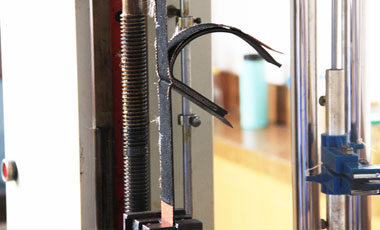
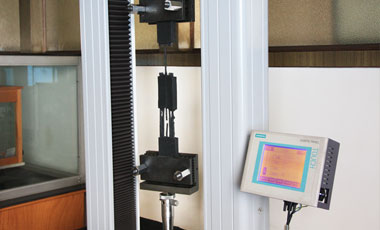
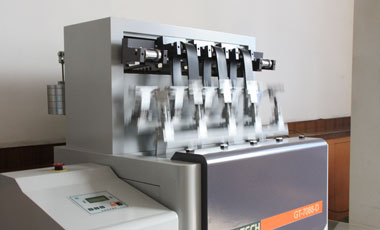
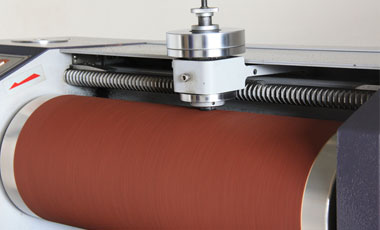

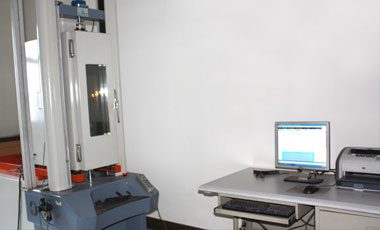
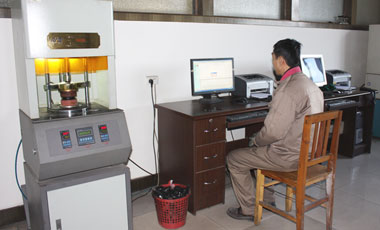
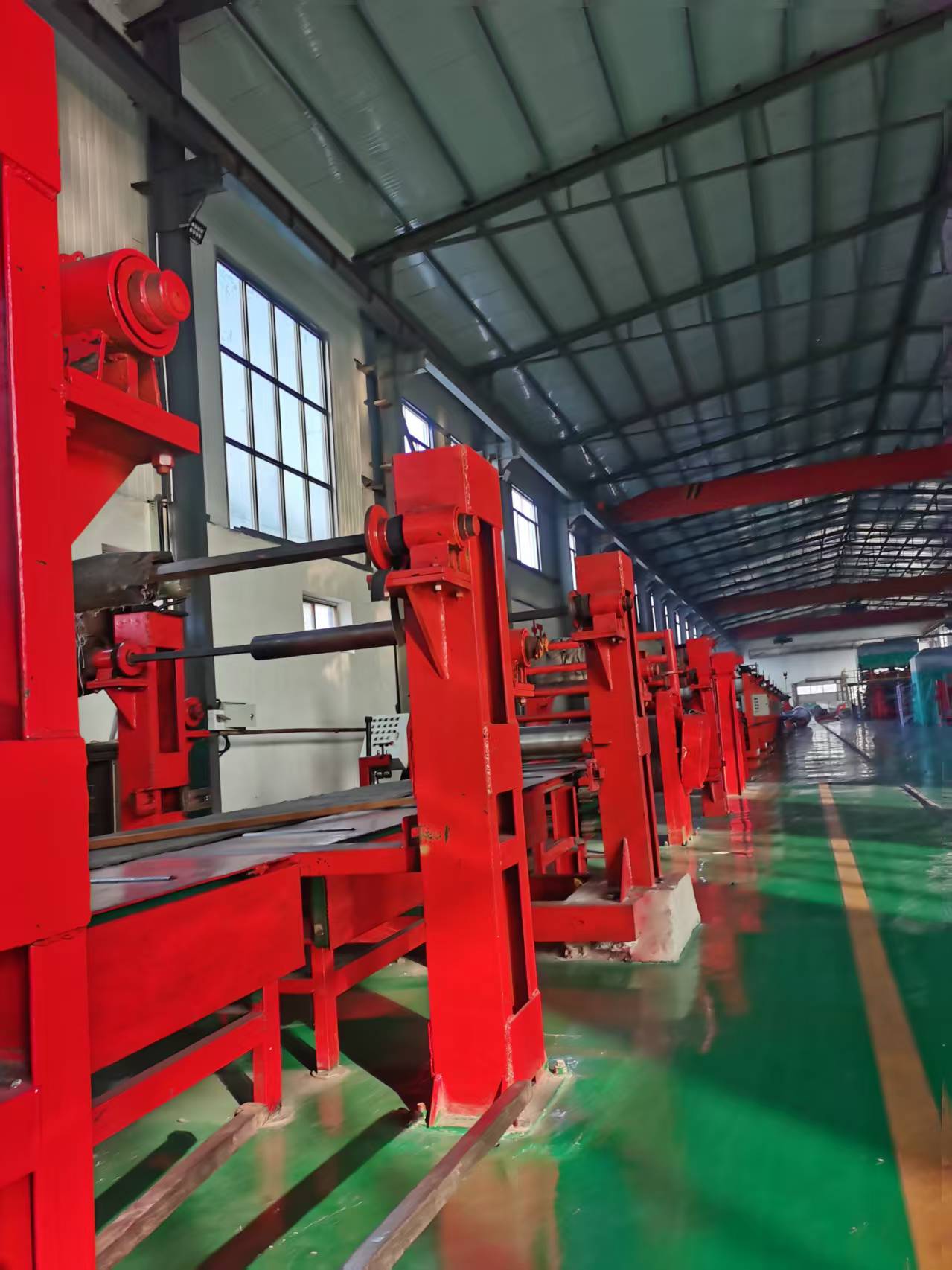
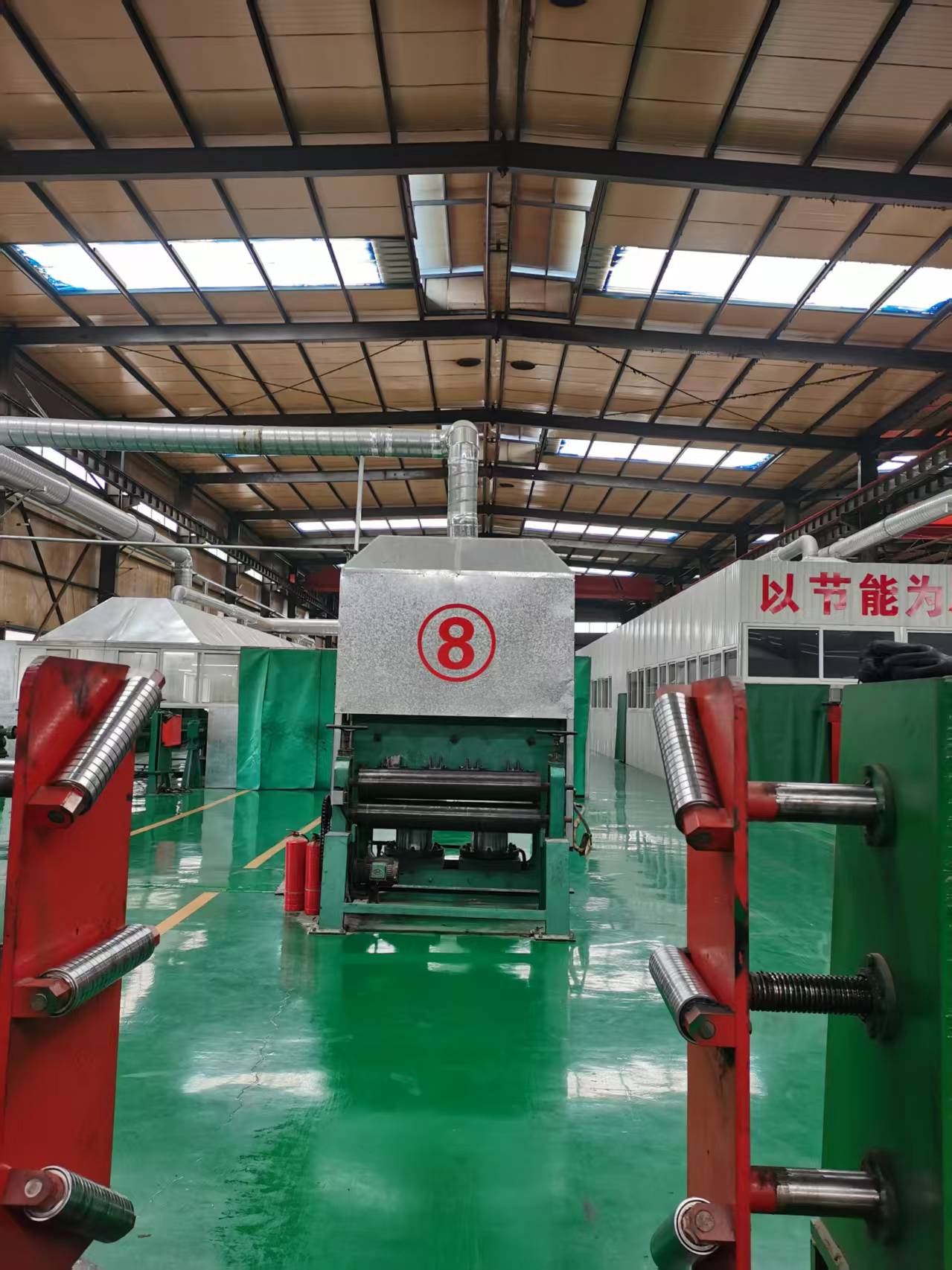
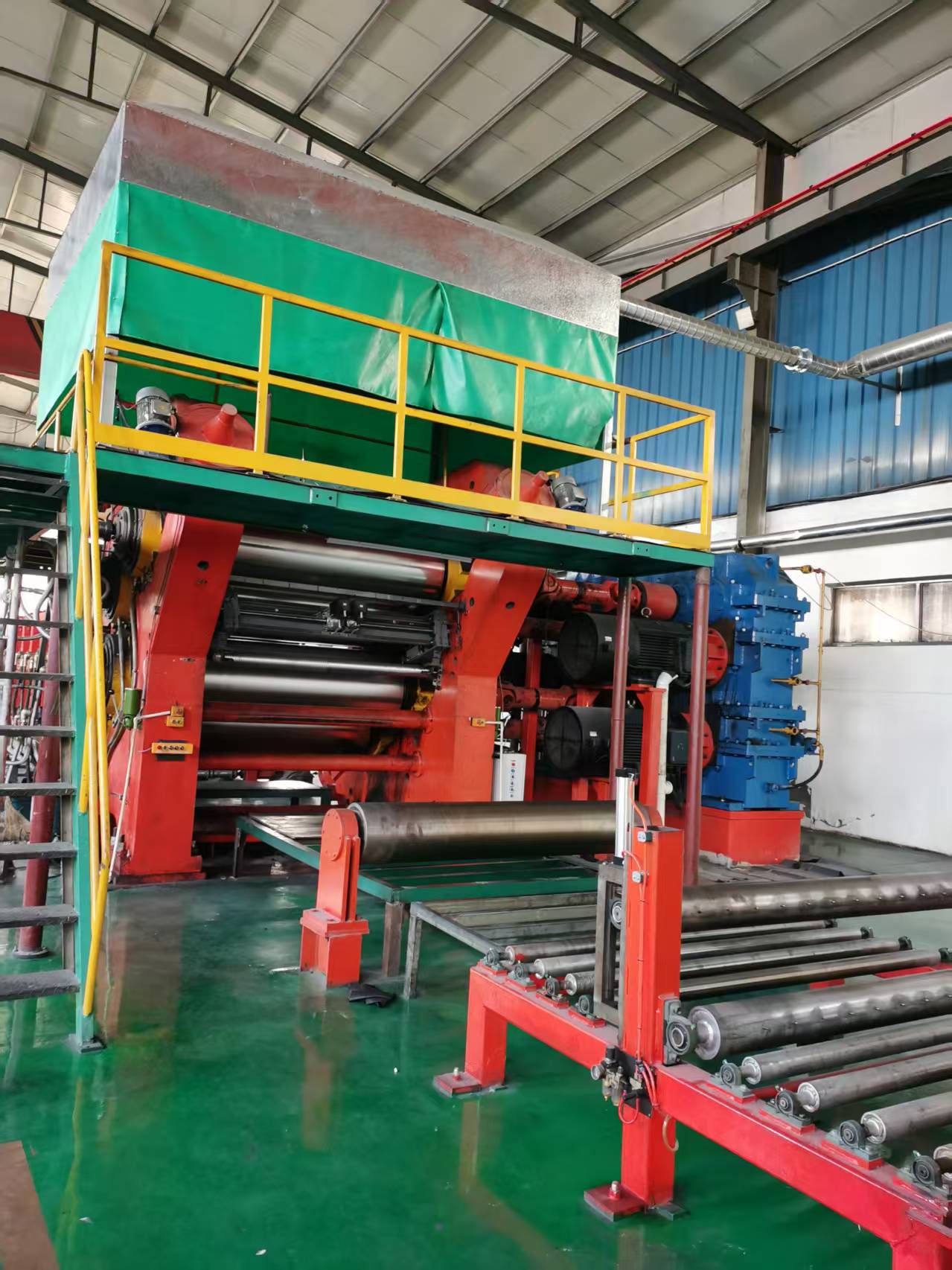
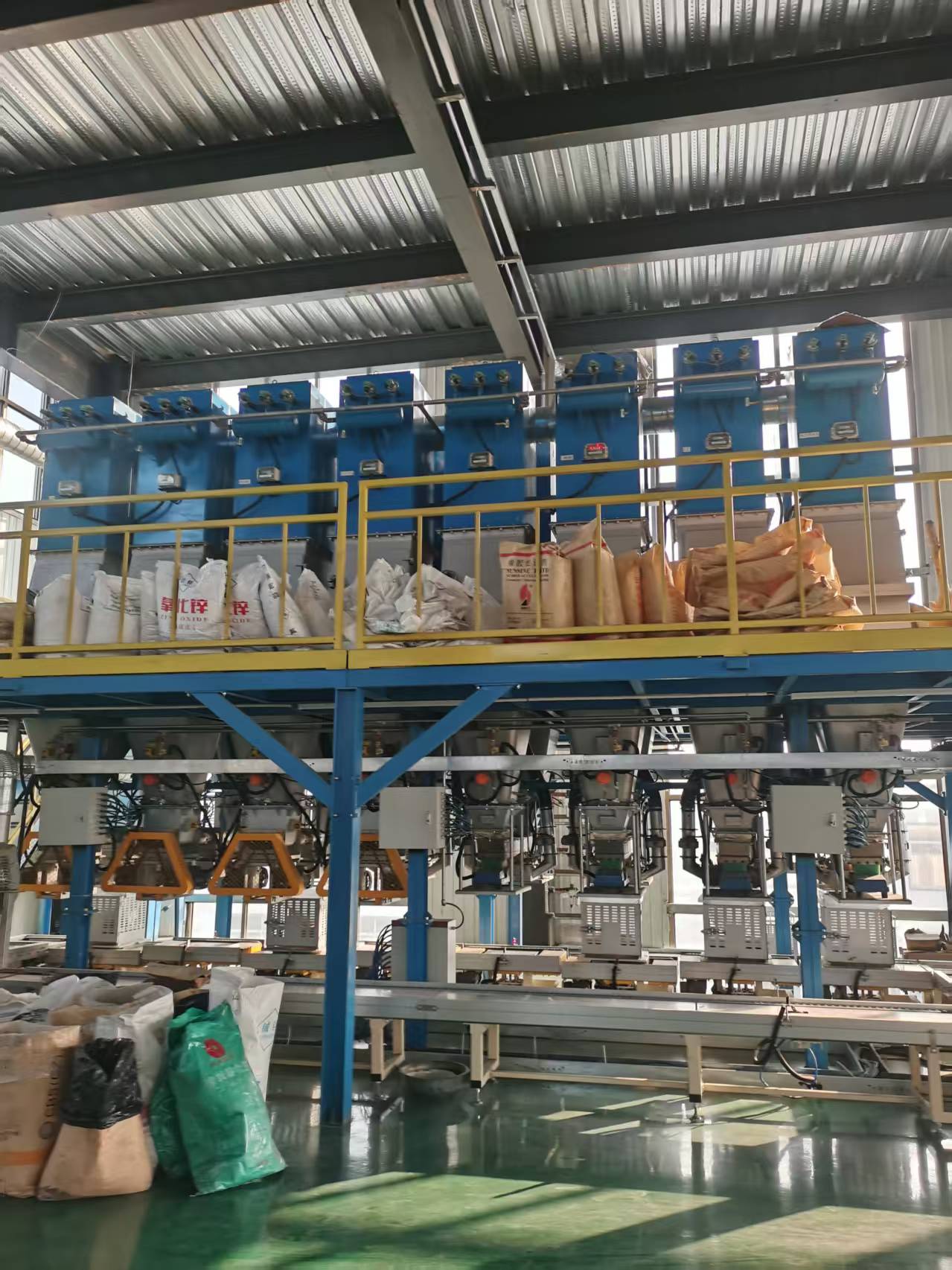
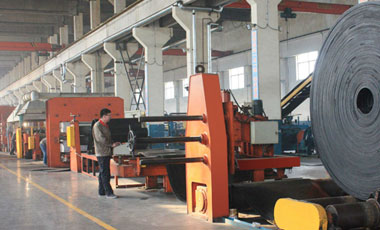
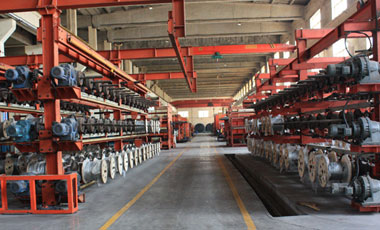
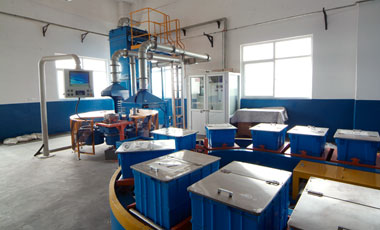
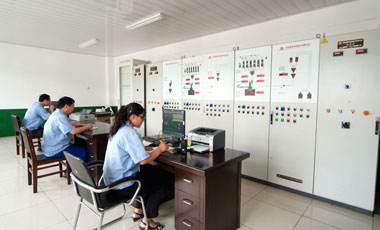
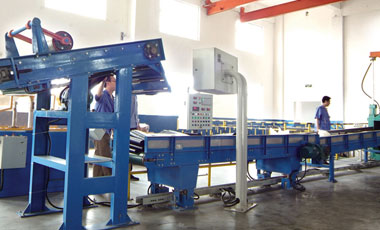
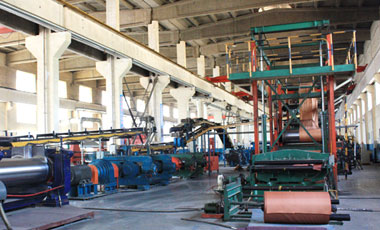
Our state-of-the-art manufacturing facilities employ advanced production equipment and rigorous quality control processes to ensure every conveyor belt meets the highest standards for food-grade applications. Comprehensive testing protocols verify tensile strength, abrasion resistance, chemical compatibility, and compliance with international food safety regulations before products reach our customers.
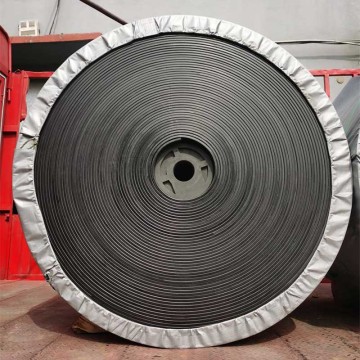
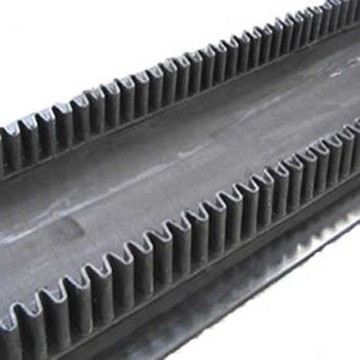
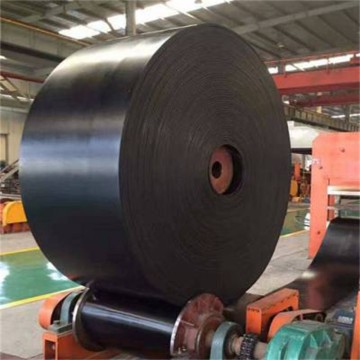
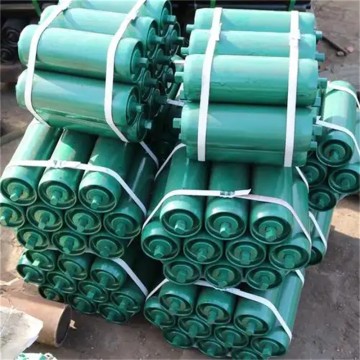
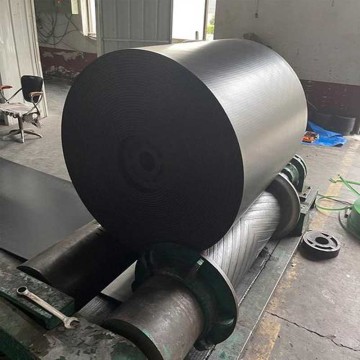
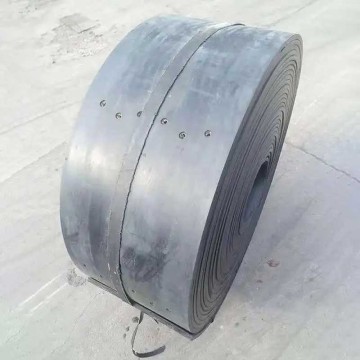
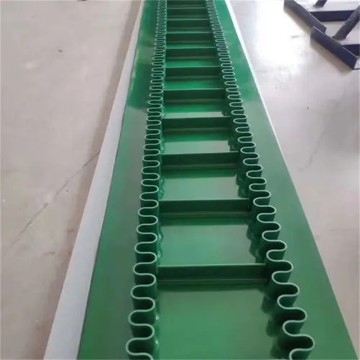
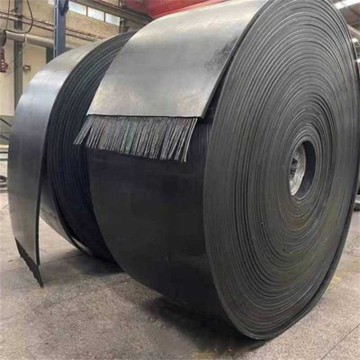
High-strength conveyor belts designed for food-grade and light-duty sorting applications represent a critical nexus of material science, engineering precision, and regulatory compliance. As global food production continues to industrialize and consumer expectations for food safety intensify, these specialized conveyor systems will play an increasingly vital role in ensuring efficient, hygienic, and sustainable food processing operations.
The ongoing evolution of conveyor belt technology—driven by smart sensors, advanced materials, and sustainability imperatives—promises to deliver even greater performance, reliability, and value to end users. Organizations that invest in high-quality, properly specified conveyor systems position themselves for competitive advantage through reduced downtime, enhanced food safety, lower operating costs, and improved operational flexibility.
Whether you operate a small-scale food processing facility or manage a large automated distribution center, selecting the right high-strength conveyor belt for your specific application requirements is a decision that impacts operational efficiency, product quality, and ultimately, your bottom line. By partnering with experienced conveyor belt manufacturers who understand the unique demands of food-grade and light-duty sorting applications, you can ensure your material handling systems deliver optimal performance for years to come.