


 +86 18920794106
Leave Your Message
-
Contact WhatsApp
-
 Contact Phone
-
 Contact Email
Herringbone conveyor belts represent a revolutionary advancement in material handling technology, specifically engineered to provide superior stabilization and support for belt movement in demanding industrial applications. The distinctive herringbone pattern, characterized by its V-shaped weave arrangement, creates a structural integrity that fundamentally transforms how conveyor systems manage load distribution, tracking accuracy, and operational longevity.
In modern industrial environments, the demand for reliable, efficient, and cost-effective material handling solutions has never been greater. Herringbone conveyor belts address these requirements through their unique design characteristics that minimize belt drift, reduce maintenance requirements, and optimize energy consumption. The herringbone pattern creates a self-centering effect that naturally guides the belt along its intended path, significantly reducing the risk of misalignment that can lead to costly downtime and equipment damage.
The herringbone configuration delivers exceptional performance in stabilizing belt movement through multiple mechanisms. The angled fiber arrangement creates superior lateral stiffness while maintaining longitudinal flexibility, allowing the belt to navigate curves and elevation changes while resisting sideways displacement. This dual-characteristic behavior is essential in applications where precise tracking is critical for operational efficiency and safety.
The global conveyor belt market has experienced substantial growth, with herringbone designs capturing an increasingly significant market share across diverse industries. Mining operations, which account for approximately 35% of industrial conveyor belt usage, have particularly embraced herringbone technology due to its ability to handle heavy loads while maintaining precise tracking on inclined surfaces. The mining sector's adoption has driven technological innovations that benefit other industries, creating a ripple effect of advancement throughout the material handling ecosystem.
In agricultural applications, herringbone conveyor belts have become indispensable for grain handling, processing facilities, and distribution centers. The pattern's ability to prevent material spillage while maintaining consistent belt speed makes it ideal for handling various grain types, from wheat and corn to specialty crops. Agricultural facilities report up to 40% reduction in material loss and 25% improvement in operational efficiency when transitioning from conventional flat belts to herringbone designs.
Manufacturing and logistics sectors have witnessed transformative improvements through herringbone belt implementation. Automotive assembly lines, pharmaceutical production facilities, and e-commerce distribution centers rely on these belts to maintain precise positioning of products during transport. The stabilization properties of herringbone patterns ensure that delicate items remain properly aligned throughout processing, reducing damage rates and improving quality control metrics.
Heavy-duty applications requiring maximum stability on steep inclines and long-distance transport systems
Hygienic material handling with superior tracking accuracy for production line efficiency
High-speed sorting and transportation systems requiring precise belt positioning
Assembly line integration with consistent product positioning and minimal maintenance
Recent developments in polymer chemistry and composite materials have revolutionized herringbone conveyor belt performance. Advanced rubber compounds incorporating nano-reinforcement technologies provide enhanced wear resistance while maintaining the flexibility required for optimal herringbone pattern functionality. These materials demonstrate up to 60% longer service life compared to traditional formulations, significantly reducing total cost of ownership for industrial operators.
The integration of smart materials and IoT sensors into herringbone conveyor belts represents the cutting edge of industry innovation. Embedded monitoring systems track belt tension, temperature, wear patterns, and alignment in real-time, enabling predictive maintenance strategies that prevent unexpected failures. This technological convergence transforms conveyor belts from passive transport mechanisms into intelligent system components that actively contribute to operational optimization.
Environmental sustainability has become a primary driver in herringbone conveyor belt development. Manufacturers are increasingly utilizing recycled materials and developing bio-based polymers that reduce environmental impact without compromising performance. The herringbone design itself contributes to sustainability by minimizing energy consumption through reduced friction and improved tracking efficiency, with studies indicating up to 15% energy savings compared to conventional belt designs.
The circular economy principles are being applied to conveyor belt lifecycle management, with innovative recycling programs recovering valuable materials from retired belts. Advanced separation technologies enable the recovery of reinforcement fibers and rubber compounds for reuse in new belt production or alternative applications, reducing waste and conserving resources.
The fourth industrial revolution is transforming how herringbone conveyor belts are designed, manufactured, and maintained. Digital twin technology enables virtual simulation of belt performance under various operating conditions, optimizing design parameters before physical production. Machine learning algorithms analyze operational data to predict maintenance requirements and optimize system performance, creating self-improving conveyor systems that continuously enhance efficiency and reliability.
Underground mining presents some of the most challenging conditions for conveyor belt systems. Herringbone belts excel in these environments due to their superior tracking stability in confined spaces with limited adjustment capability. The pattern's self-centering properties are particularly valuable in underground applications where belt misalignment can lead to catastrophic failures in areas with restricted access for maintenance and repair.
In deep shaft mining operations, herringbone belts handle vertical lifts exceeding 1,000 meters while maintaining consistent tracking and load distribution. The pattern's structural characteristics distribute stress evenly across the belt width, preventing edge loading that commonly causes premature failure in conventional designs. Mining operations report maintenance interval extensions of 40-50% when utilizing herringbone designs in vertical conveying applications.
Port facilities handling bulk commodities such as coal, iron ore, and grain rely on herringbone conveyor belts for high-capacity, long-distance transport systems. These applications demand exceptional reliability as any downtime directly impacts shipping schedules and incurs substantial financial penalties. The herringbone pattern's ability to maintain precise tracking over distances exceeding 10 kilometers while handling throughputs of 10,000+ tons per hour makes it the preferred solution for modern port infrastructure.
Coastal environments present additional challenges including salt air corrosion, temperature fluctuations, and moisture exposure. Advanced herringbone belt formulations incorporate corrosion-resistant materials and moisture barriers that extend service life in these harsh conditions. Port operators report 30% reduction in maintenance costs and 25% improvement in system availability through herringbone belt implementation.
Inclined conveying applications benefit tremendously from herringbone belt stabilization properties. The pattern creates natural resistance to material rollback while maintaining consistent belt speed and tracking accuracy. Applications with inclines ranging from 18 to 35 degrees demonstrate significant performance improvements, with material spillage reduced by up to 70% compared to conventional smooth belt designs.
The herringbone pattern's interaction with support rollers creates a mechanical advantage that enhances grip and prevents belt slippage on inclined sections. This characteristic is particularly valuable in applications where varying load conditions might otherwise cause inconsistent belt behavior. The design enables steeper conveying angles, reducing overall system footprint and installation costs while improving operational flexibility.
The herringbone conveyor belt market is projected to experience compound annual growth rates exceeding 6.5% through 2030, driven by infrastructure development in emerging economies and replacement of aging conveyor systems in developed markets. Asia-Pacific region leads market expansion, with China and India investing heavily in mining, manufacturing, and logistics infrastructure that relies on advanced conveyor technology.
European and North American markets demonstrate strong demand for premium herringbone belt solutions featuring advanced materials and integrated monitoring systems. Regulatory requirements for workplace safety and environmental protection drive adoption of high-performance belts that minimize risk and reduce environmental impact. These mature markets increasingly value total cost of ownership over initial purchase price, favoring herringbone designs that deliver superior longevity and reduced maintenance requirements.
Market trends indicate growing demand for customized herringbone belt solutions tailored to specific application requirements. Manufacturers are developing specialized compounds and pattern variations optimized for unique operating conditions, from extreme temperature environments to chemical exposure scenarios. This customization capability enables herringbone technology to penetrate niche markets previously served by specialized belt designs, expanding the technology's overall market presence.
The pharmaceutical and food industries represent emerging growth sectors for herringbone conveyor belts. These industries require compliance with stringent hygiene standards while maintaining the operational advantages of herringbone design. Manufacturers have developed FDA-approved materials and surface treatments that enable herringbone belts to meet regulatory requirements while delivering superior performance in cleanroom and sanitary processing environments.
Leading conveyor belt manufacturers are allocating substantial resources to research and development focused on herringbone design optimization. Advanced computational modeling, material science research, and field testing programs are yielding continuous improvements in performance, durability, and cost-effectiveness. These investments ensure that herringbone technology remains at the forefront of conveyor belt innovation, maintaining competitive advantages in an increasingly demanding market.
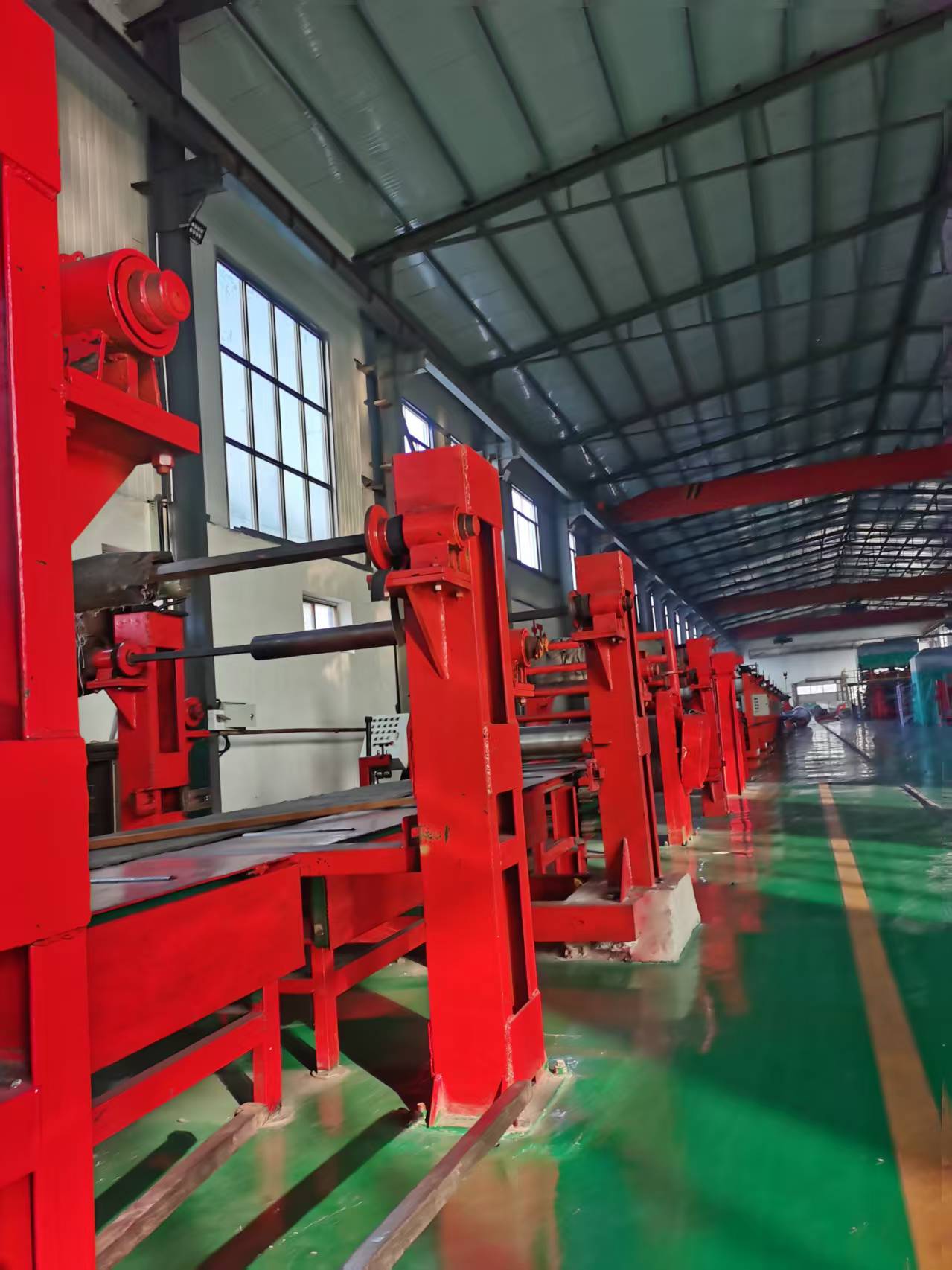
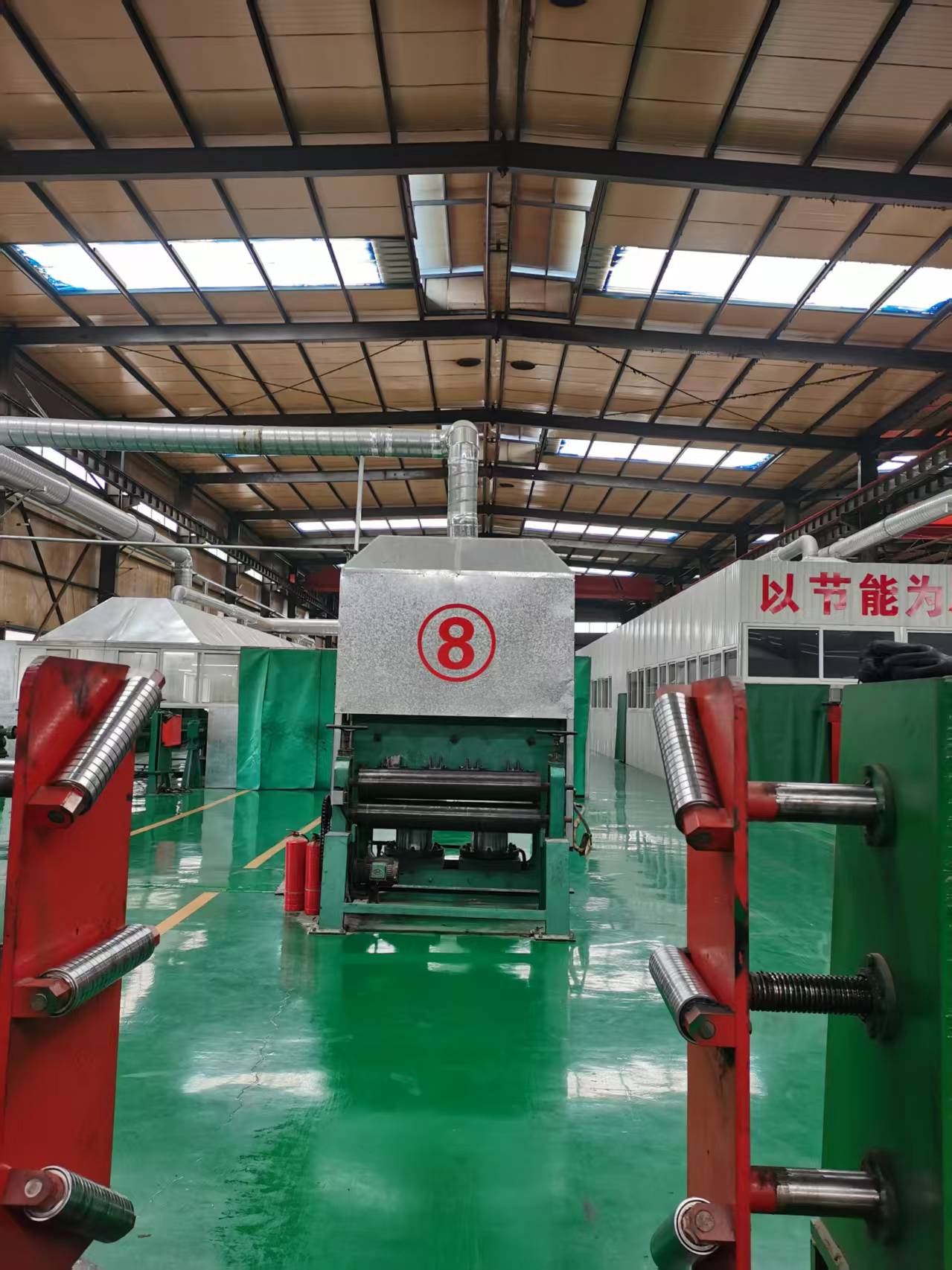
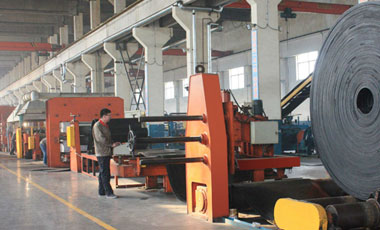
Production Line of Fabric Conveyor Belt
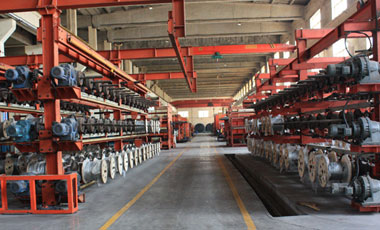
Production Equipment of Steel Cord Conveyor Belt
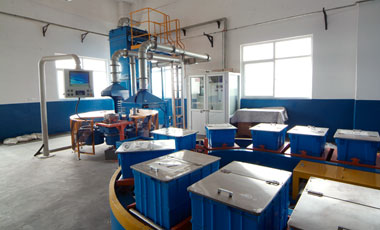
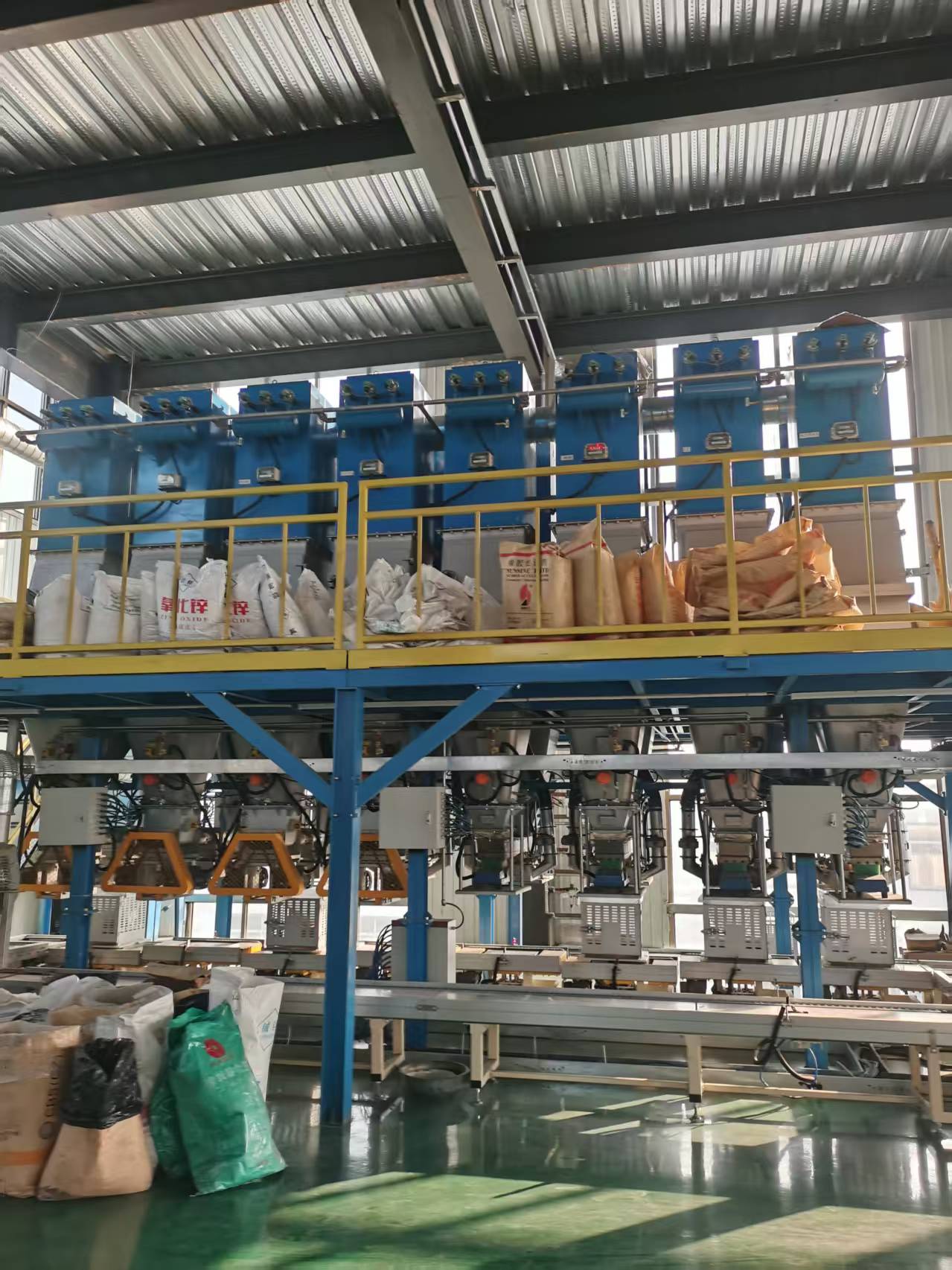
Proportioning Room of Mixing Center
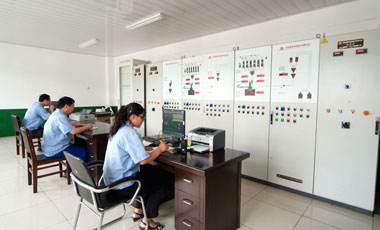
Proportioning System of Mixing Center
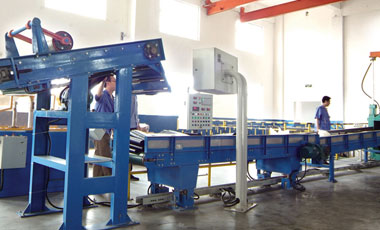
Feeding Device
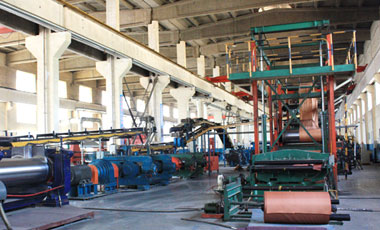
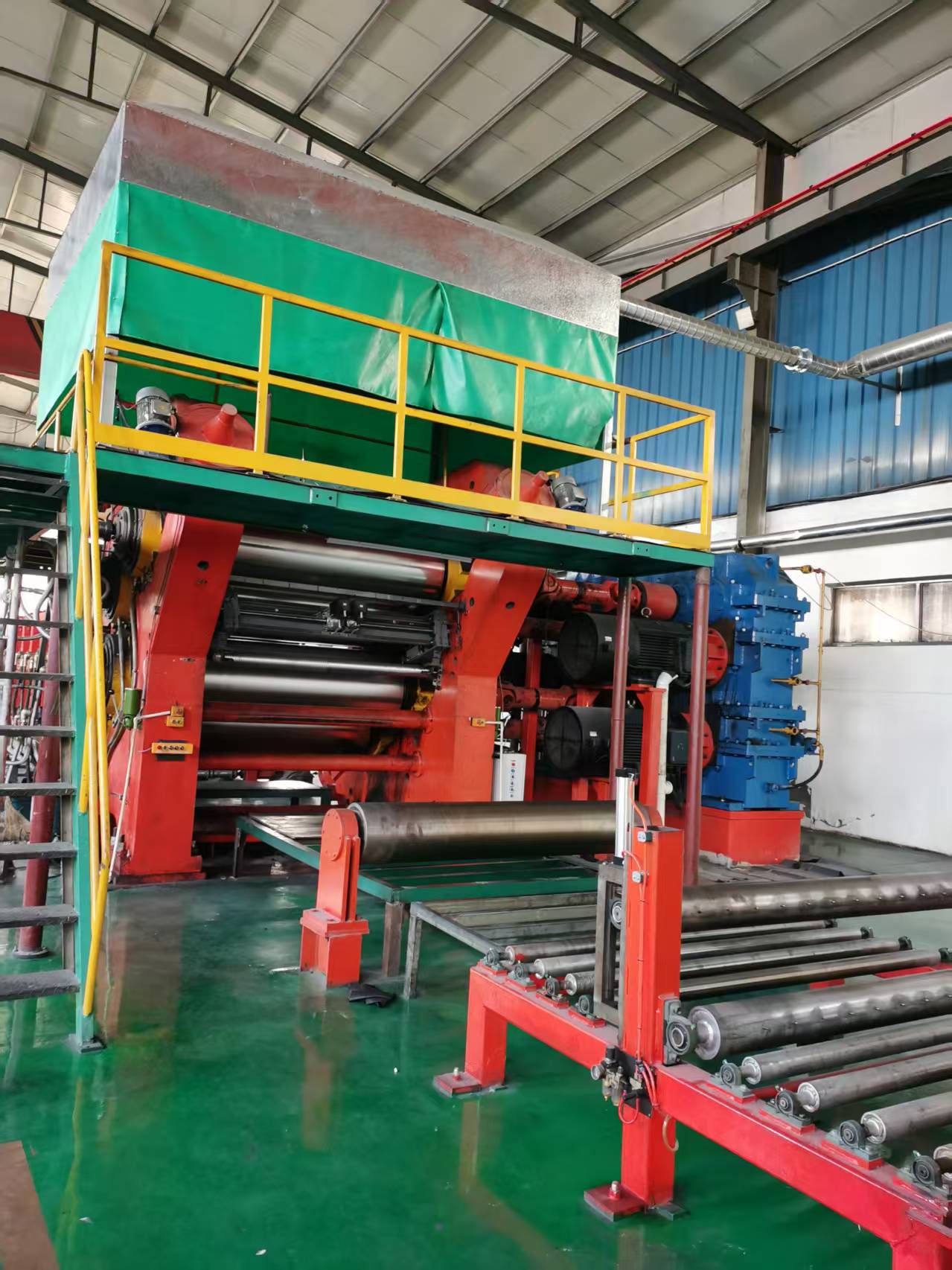
Calendering & Shaping Machine
Our state-of-the-art testing facilities ensure that every herringbone conveyor belt meets the highest quality standards. Comprehensive testing protocols evaluate tensile strength, elongation properties, adhesion characteristics, and wear resistance under simulated operating conditions. Advanced testing equipment enables precise measurement and validation of belt performance parameters, ensuring reliability in demanding industrial applications.
Herringbone conveyor belts represent the pinnacle of belt stabilization and support technology, delivering measurable performance improvements across diverse industrial applications. The unique pattern design, combined with advanced materials and manufacturing processes, creates conveyor systems that excel in tracking accuracy, operational efficiency, and service longevity. As industries continue to demand higher performance and greater reliability from material handling systems, herringbone technology stands positioned to meet and exceed these evolving requirements.
The convergence of traditional mechanical design excellence with modern digital technologies creates unprecedented opportunities for optimization and innovation. Smart herringbone conveyor systems equipped with IoT sensors and predictive analytics capabilities represent the future of industrial material handling, delivering not just superior physical performance but also valuable operational intelligence that drives continuous improvement.
Investment in herringbone conveyor belt technology delivers substantial returns through reduced maintenance costs, improved operational efficiency, enhanced safety, and extended equipment life. As global industries continue to evolve and expand, herringbone conveyor belts will play an increasingly critical role in enabling efficient, reliable, and sustainable material handling operations across all sectors of the economy.
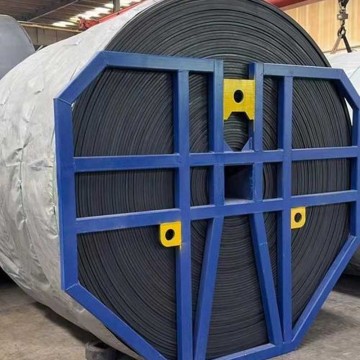 Anti Tear Steel Wire Rope Core Conveyor Belt
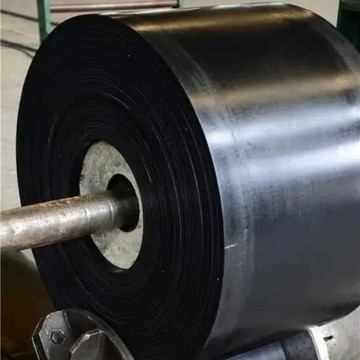 Acid and Alkali Resistant Conveyor Belt
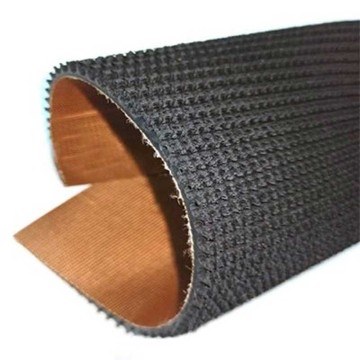 Patterned Conveyor Belt
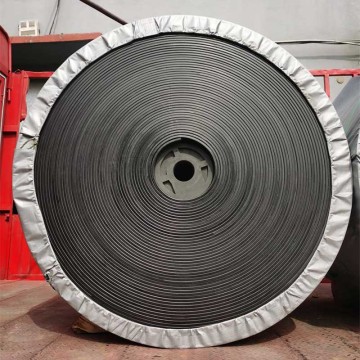 Cold Resistant Rubber Conveyor Belt
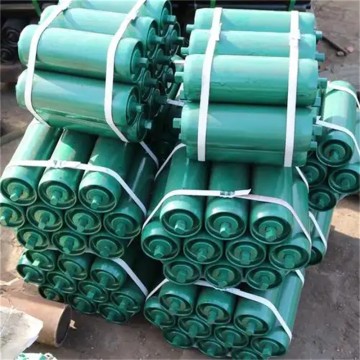 Suspended Rollers Of The Conveyor Belt Machine In A Trough Shape
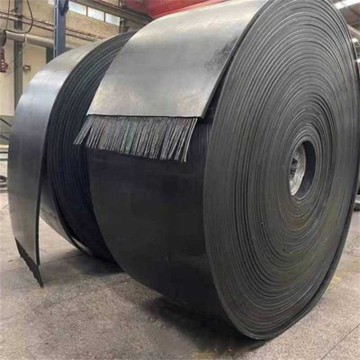 Steel Wire Rope Core Conveyor Belt
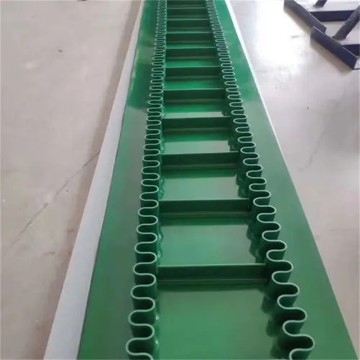 PVC-PU Lightweight Conveyor Belt
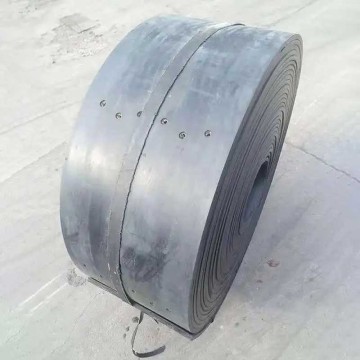 Rubber Lifting Conveyor Belt