+86 18920794106
Leave Your Message
-
Contact WhatsApp
-
 Contact Phone
-
 Contact Email
Engineered to meet European safety norms and rigorous industrial performance standards.
Understanding regional mining hubs, processing complexes, and strict fire prevention frameworks.
The Republic of Serbia stands out as one of Southeast Europe's most vital industrial, metallurgy, and mineral resource hubs. From the extensive copper, gold, and mineral reserves situated within the Bor and Majdanpek basins in eastern Serbia to the thermal power generation infrastructure in Kostolac and Kolubara, continuous bulk material transportation remains the logistical backbone of national production. Operating inside open-pit quarries, massive underground ore extraction sites, processing mills, and thermal power facilities presents inherent risks of friction heating, combustible dust accumulation, and extreme thermal impact. Consequently, supplying compliant, durable, and reliable fire-retardant conveyor belts has evolved from an operational preference into an essential safety and regulatory requirement across Serbian enterprises.
Extensive extraction of non-ferrous metals and lignite requires heavy-duty flame-resistant belting that prevents propagation of fires in deep underground drifts, enclosed galleries, and ore preparation plants.
The continuous feeding of crushed lignite and coal to boilers in major power plants demands specialized self-extinguishing rubber conveyor compounds with superior antistatic surface resistance.
Facilities across Smederevo, Popovac, and Kosjerić require belts resistant to high material temperatures, heavy abrasive wear, oil contamination, and steep conveyance angles.
The industrial landscape in Serbia requires customized technical parameters tailored to various operating environments:
1. Underground Copper and Mineral Mining (Bor & Timočka Krajina Basin): Underground galleries demand fire-retardant belting certified to withstand stringent safety benchmarks such as DIN 22109, DIN 22102, or EN 14973. In these low-ventilation environments, belts must prevent spontaneous ignition caused by high roller friction and minimize toxic gas emissions during thermal distress.
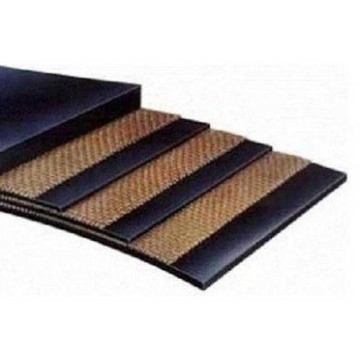
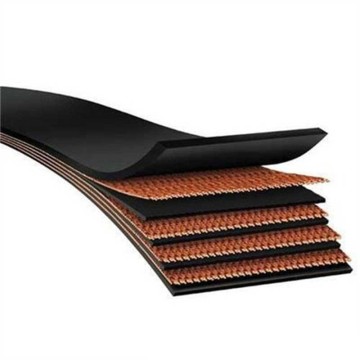
2. Open-Cast Lignite Mining and Coal Processing (Kolubara & Kostolac): Moving millions of tons of heavy overburden and damp lignite over vast distances requires high tensile steel-cord and heavy multi-ply fabric conveyor belts. These belts combine fire-retardancy with superior carcass bonding, dynamic tear resistance, and anti-gouging covers to handle sharp rock fragmentation.
3. Steel Manufacturing & Foundries (Smederevo District): Heavy-duty iron ore, sinter, coke, and flux material transportation circuits require integrated heat-resistant and fire-retardant properties capable of maintaining structural integrity when handling hot bulk materials up to elevated temperatures.
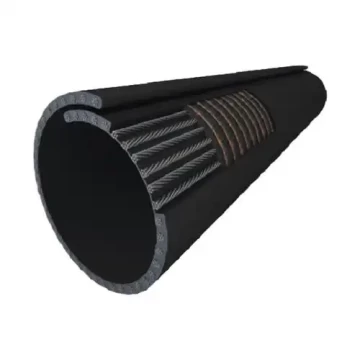
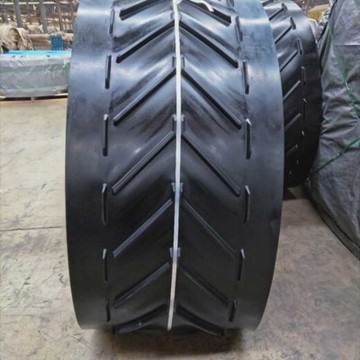
4. Enclosed Transshipment & River Port Terminals along the Danube & Sava: Grain export terminals, aggregate yards, and chemical transshipment nodes utilize specialized enclosed pipe conveyors and flame-retardant chevron belts to mitigate explosion hazards caused by combustible organic dust, complying with ATEX-aligned environmental and safety directives.
Driven by modernization projects, foreign direct investments, and alignment with European industrial efficiency standards, Serbian industrial operators are transitioning toward intelligent, low-maintenance material transport technologies. Key technical trends include:
Advanced Flame Retardant & Antistatic Chemistry: Modern rubber formulations utilize eco-friendly halogen-free flame retardants, aluminum trihydrate (ATH), and specially formulated chloroprene or modified NBR/SBR compounds. These systems create robust char barriers against fire while maintaining low surface electrical resistance to discharge static electricity safely.
Energy-Optimized & High Dynamic Efficiency Compounds: Lowering rolling resistance on extended long-distance overland conveyors reduces kilowatt-hour power consumption across heavy mining complexes, directly lowering overall operating expenses.
Condition Monitoring and Steel Cord Structural Integrity: Modern high-strength steel-cord belts integrate rip-detection sensors and dynamic testing verification to enable proactive maintenance, minimizing unexpected downtime and catastrophic line failures.
Comprehensive manufacturing lines and advanced testing laboratories ensuring world-class conveyor reliability.
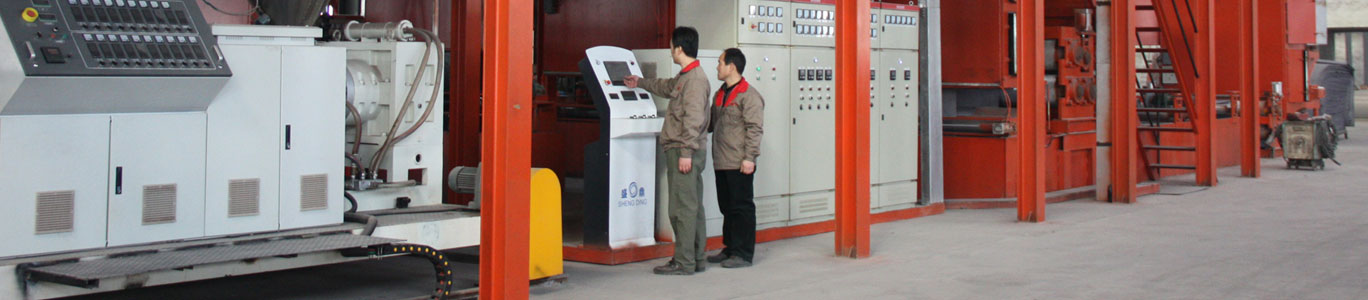
Our heavy-duty vulcanization presses, precision calendering systems, and internal rubber mixing centers guarantee tight carcass adhesion, uniform gauge control, and flawless cover vulcanization for long service life under heavy Serbian operating conditions.
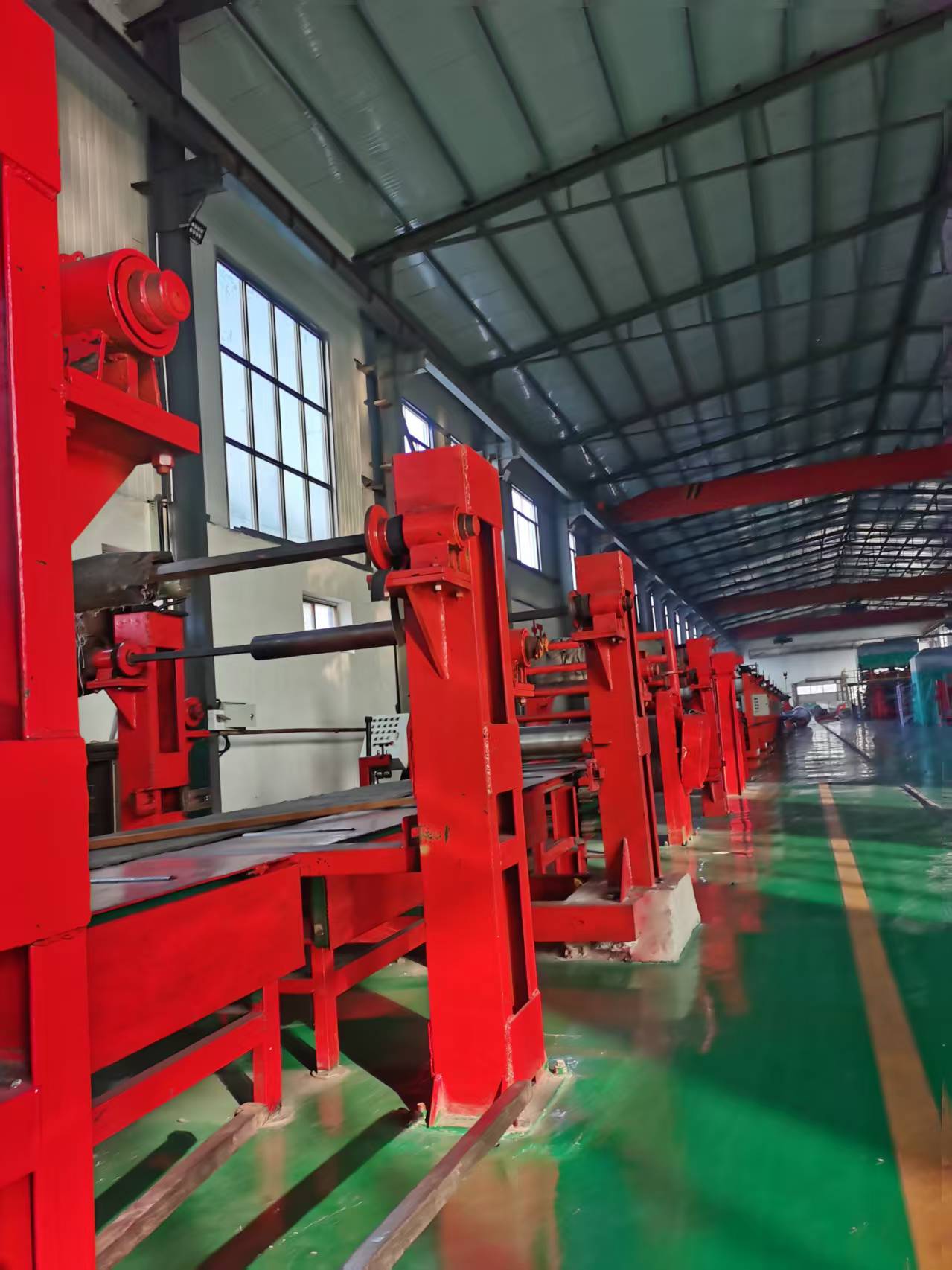
Continuous Vulcanizing Line
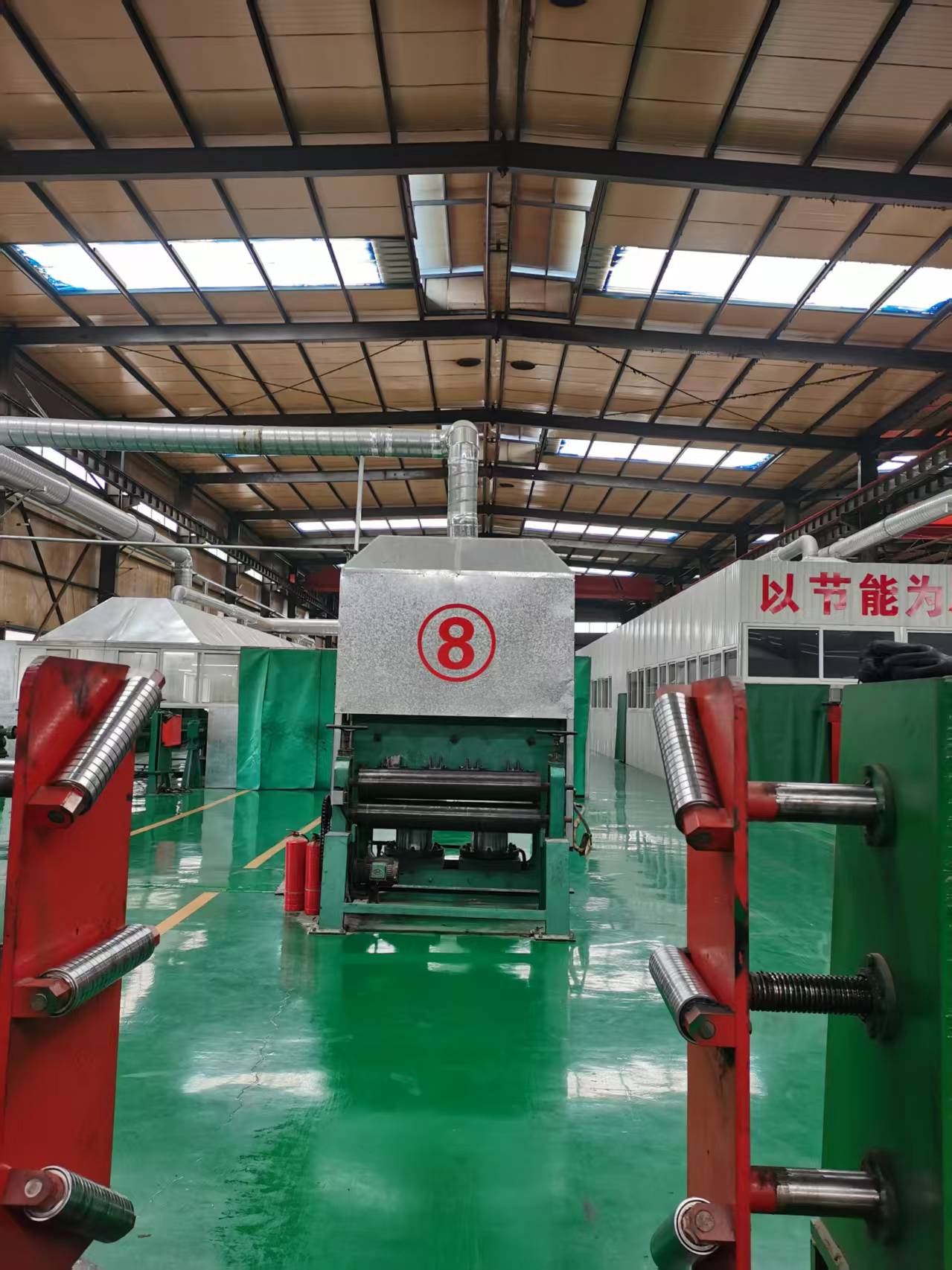
High-Precision Calendering
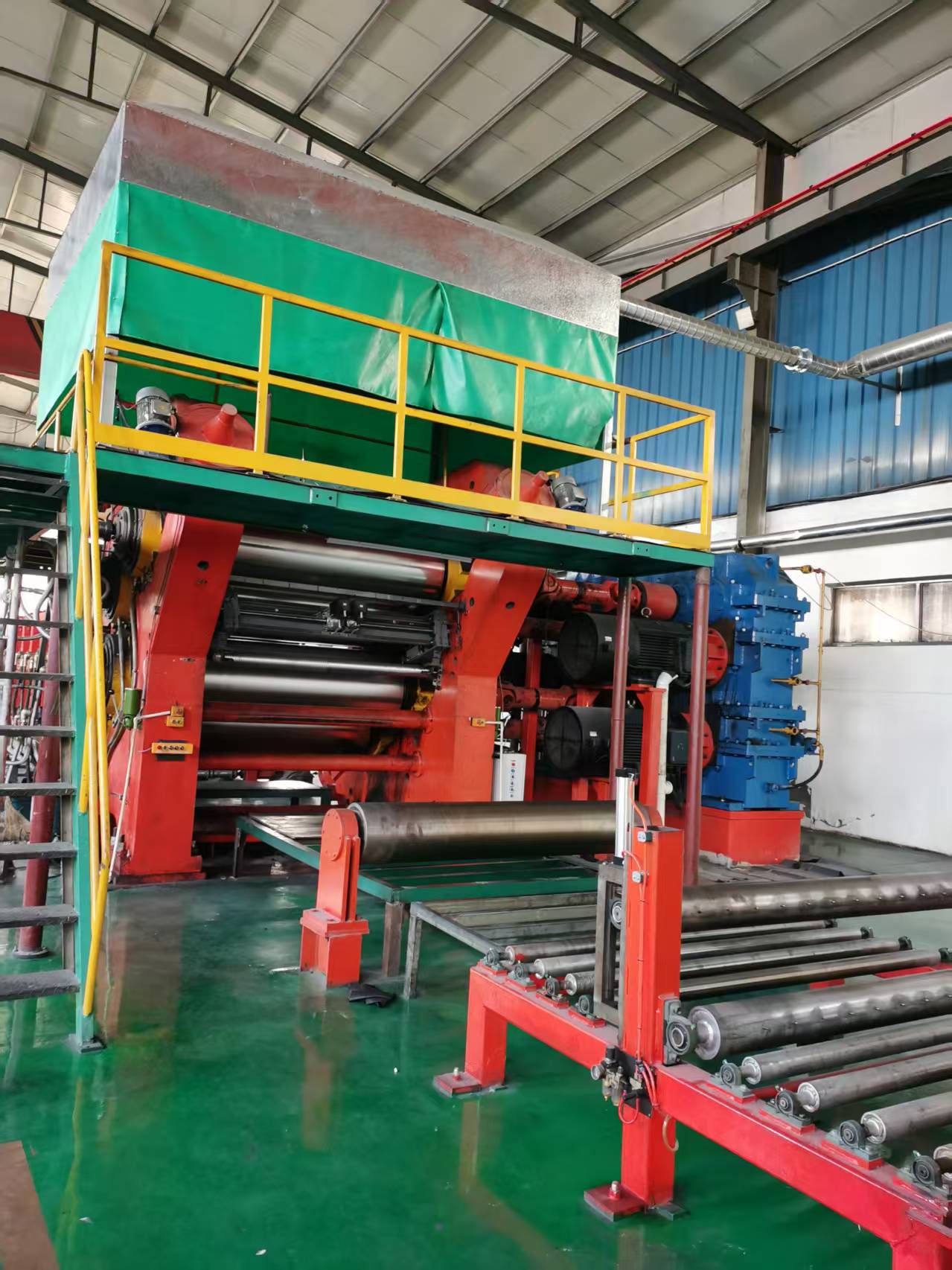
Multi-Ply Belt Press
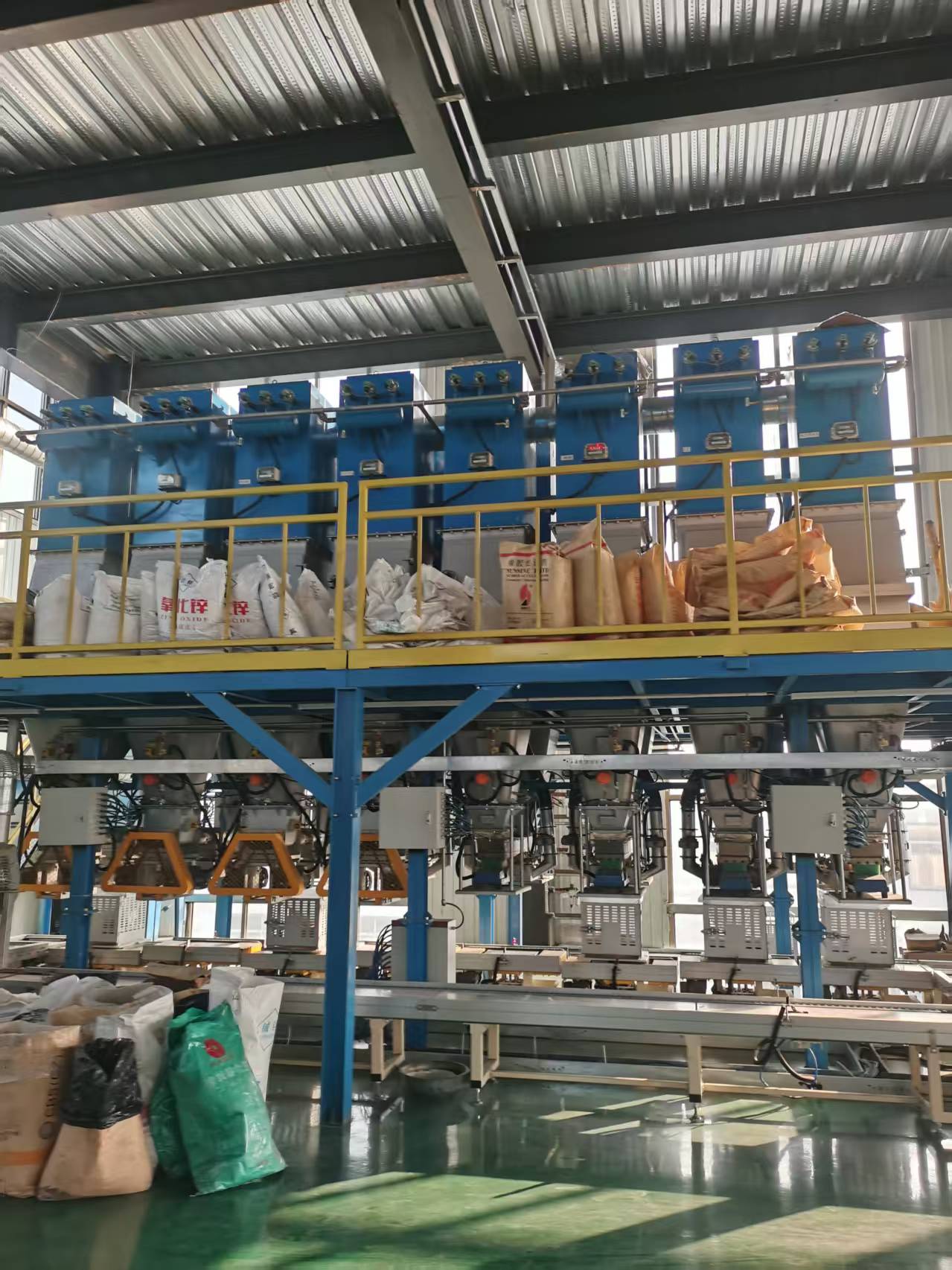
Wide-Width Curing System
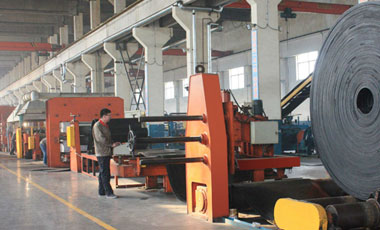
Automated Mixing Facility
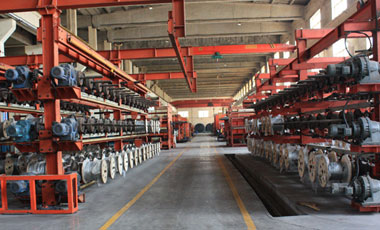
Steel Cord Tensioning Unit
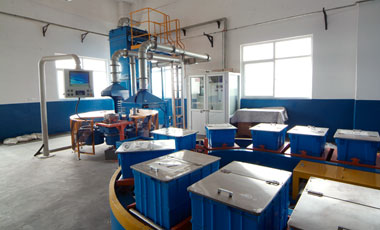
Fabric Carcass Dipping
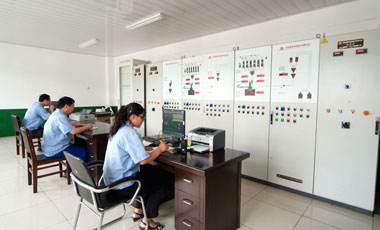
Rubber Cover Extrusion
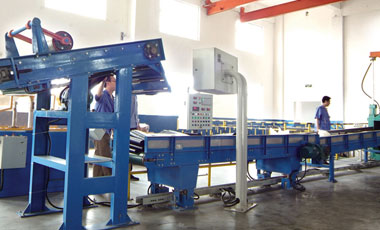
Heavy Belt Vulcanizer
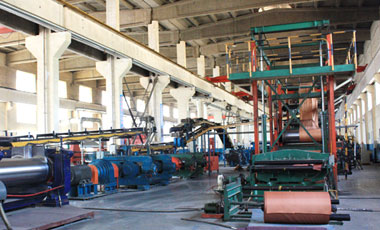
Inspection & Slitting Unit
Every roll of fire-retardant, cold-resistant, and high-tensile steel cord belting undergoes comprehensive quality assurance procedures to ensure mechanical compliance, chemical stability, and complete adherence to global fire safety ratings.
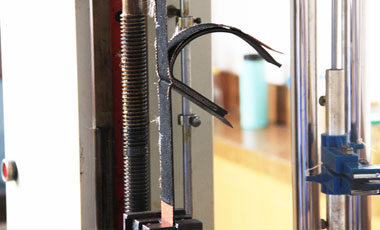
Peeling Test
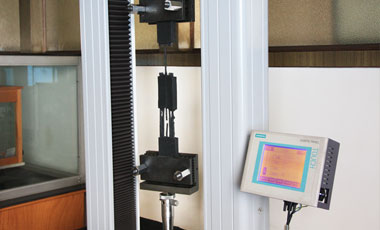
Steel Cord Pull-out Machine
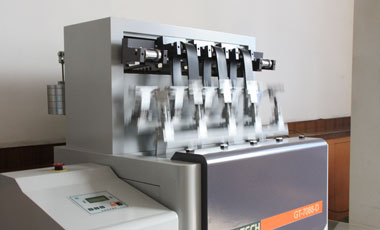
Dynamic Fatigue Tester
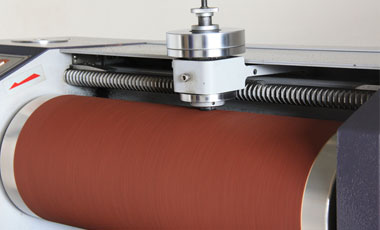
Abrasion Tester
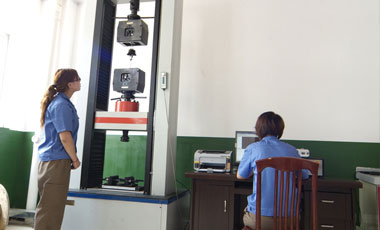
Abrasion Tester
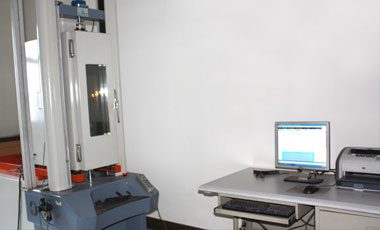
Physical Properties Testing
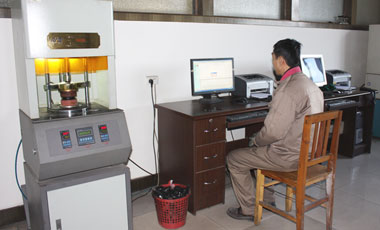
Test
Explore our comprehensive portfolio of high-strength, wear-resistant, and flame-retardant industrial solutions.