+86 18920794106
Leave Your Message
-
Contact WhatsApp
-
 Contact Phone
-
 Contact Email
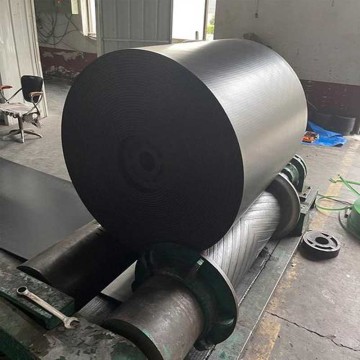
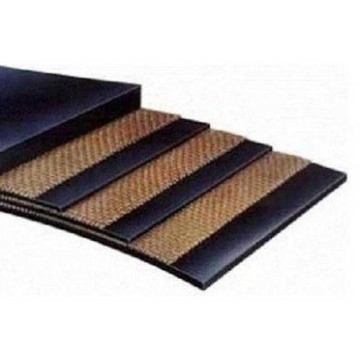
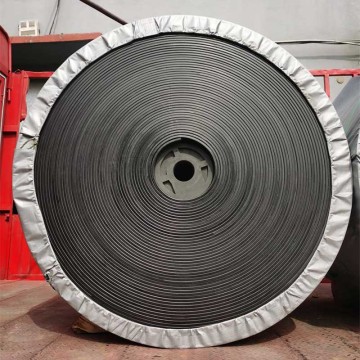
EP (Polyester-Polyamide) conveyor belts represent a critical advancement in material handling technology, specifically engineered to address one of the most persistent challenges in industrial conveying: material slippage on inclined surfaces. These specialized belts combine polyester fabric in the warp direction with polyamide (nylon) in the weft direction, creating a hybrid structure that delivers exceptional tensile strength, minimal elongation, and superior flexibility—all essential characteristics for preventing material rollback on slopes.
In modern industrial operations, the transportation of materials along inclined paths has become increasingly common due to space constraints, facility design requirements, and operational efficiency considerations. From mining operations transporting ore from deep excavations to ports loading bulk materials onto ships, from agricultural facilities moving grain to elevated storage silos to manufacturing plants conveying components between different floor levels—the need for reliable slope conveying solutions has never been greater.
Material slippage on inclined conveyor systems results in significant operational inefficiencies, safety hazards, and economic losses. When materials slide backward on a belt, it creates spillage, reduces throughput, damages equipment, and poses serious safety risks to personnel. The challenge intensifies with steeper angles, heavier loads, materials with lower friction coefficients, and varying environmental conditions such as moisture, temperature fluctuations, and contamination.
The global conveyor belt market, valued at over $5 billion annually, has witnessed substantial growth in the EP conveyor belt segment, particularly for inclined applications. Industries ranging from mining and quarrying to cement production, steel manufacturing, power generation, and logistics have increasingly adopted EP belts designed specifically for slope operations. This growth reflects several converging factors:
Modern facilities are increasingly built vertically to optimize land use, requiring more inclined conveying solutions. EP belts with anti-slip properties have become essential infrastructure components in multi-level manufacturing plants, distribution centers, and processing facilities.
The shift toward automated, continuous production systems demands conveyor belts that can reliably handle materials at various angles without manual intervention. EP belts engineered for slope applications provide the consistency required for automated operations, reducing downtime and labor costs.
Stricter workplace safety standards and environmental regulations have made material spillage prevention a compliance requirement rather than merely an operational preference. EP conveyor belts with effective anti-slip features help companies meet these regulatory requirements while protecting workers and reducing environmental impact.
The evolution of EP conveyor belt technology for slope applications has accelerated in recent years, driven by material science innovations, manufacturing process improvements, and sophisticated design methodologies:
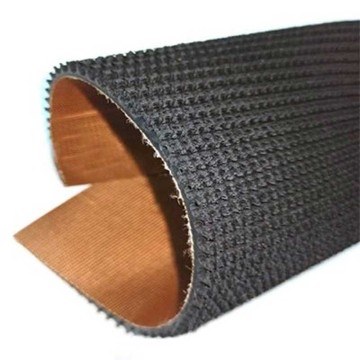
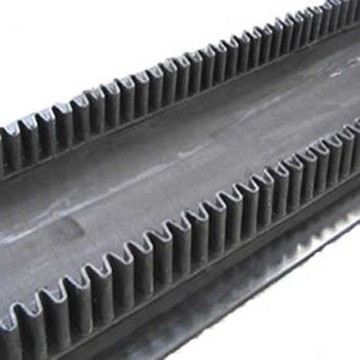
Advanced Surface Patterns: Modern EP conveyor belts feature increasingly sophisticated surface patterns engineered through computational fluid dynamics and friction modeling. Chevron patterns, cleats, sidewalls, and custom-designed textures are optimized not just for preventing backward slippage but also for maximizing material retention, minimizing product damage, and facilitating cleaning and maintenance.
Composite Material Integration: The latest generation of EP belts incorporates advanced rubber compounds with enhanced friction properties, specialized fabric treatments that improve adhesion between layers, and reinforcement technologies that distribute stress more effectively across the belt structure. These innovations enable steeper conveying angles—some systems now operate reliably at inclinations exceeding 45 degrees.
Smart Belt Technologies: Emerging EP conveyor belt systems integrate sensors and monitoring technologies that provide real-time data on belt tension, material load distribution, wear patterns, and potential slippage conditions. These smart systems enable predictive maintenance, optimize operational parameters, and prevent failures before they occur.
Customization and Application-Specific Engineering: Manufacturers increasingly offer EP conveyor belts tailored to specific materials, operating conditions, and facility requirements. Whether handling sticky materials like wet clay, free-flowing substances like grain, or irregular items like recycled materials, customized EP belt solutions optimize performance for each unique application.
In mining environments, EP conveyor belts face extreme challenges: transporting heavy, abrasive materials like ore, coal, and aggregate from deep pit excavations to surface processing facilities. These applications typically involve steep inclines (20-40 degrees), high tonnage throughput, and harsh environmental conditions including dust, moisture, and temperature extremes.
Modern mining operations employ EP belts with reinforced chevron patterns and high-friction rubber covers specifically formulated to handle abrasive materials. The polyester core provides the tensile strength needed for long, steeply inclined conveyors, while the nylon weft adds flexibility to navigate the necessary transition points. Advanced EP belt systems in mining applications now incorporate impact resistance in loading zones, wear-resistant covers in high-abrasion areas, and specialized edge reinforcement to prevent fraying—all while maintaining effective anti-slip properties on slopes.
Cement plants represent particularly demanding environments for slope conveying. Raw materials including limestone, clay, and additives must be transported from ground-level storage to elevated kilns and processing equipment. The materials are often dusty, varying in moisture content, and require careful handling to prevent segregation.
EP conveyor belts in cement applications feature specialized covers resistant to alkaline materials, patterns designed to prevent material rollback while minimizing dust generation, and construction that withstands the continuous operation typical of cement production. Many installations now use EP belts with integrated dust suppression features and covers formulated to resist the chemical properties of cement materials.
Modern port facilities handle massive volumes of bulk commodities—grain, coal, iron ore, fertilizers—that must be efficiently moved from ships to storage or from storage to land transportation. Space constraints in port environments often necessitate steep conveyor angles to achieve required elevation changes within limited footprints.
EP conveyor belts designed for port applications balance multiple requirements: high throughput capacity, resistance to weather exposure, compatibility with diverse materials, and reliable performance at significant inclinations. Specialized EP belt systems in ports may feature reversible operation capability, food-grade covers for agricultural products, and construction that withstands salt air and moisture exposure.
Agricultural facilities use inclined conveyor systems to move grain from receiving pits to elevated storage bins, transport feed materials in livestock operations, and handle produce in processing facilities. These applications require EP conveyor belts that prevent material slippage while meeting food safety standards, minimizing product damage, and operating quietly in populated areas.
Food-grade EP conveyor belts feature FDA-approved covers, smooth surfaces that facilitate cleaning, patterns that prevent grain or seed damage, and construction that resists moisture and biological contamination. The anti-slip properties must be achieved without aggressive patterns that could damage delicate agricultural products.
Recycling facilities handle diverse, irregular materials that pose unique challenges for inclined conveying: mixed plastics, metals, paper, and construction debris with varying sizes, shapes, and friction properties. EP conveyor belts in recycling applications must prevent slippage of irregular items while resisting cuts, tears, and punctures from sharp objects.
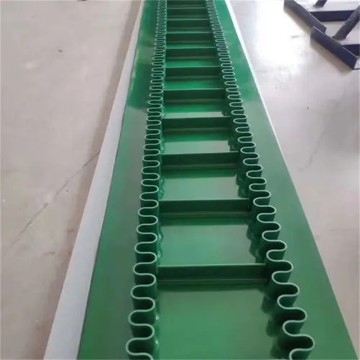
Specialized EP belts for recycling feature reinforced construction, aggressive patterns that capture irregular items, and covers formulated to resist oils, chemicals, and abrasion from mixed waste streams. Many systems incorporate sidewalls and cleats to contain materials on steep inclines while accommodating the variable load characteristics typical of recycling operations.
The renewable energy sector presents new opportunities for EP conveyor belt technology. Biomass power plants require reliable inclined conveying of wood chips, agricultural residues, and other organic materials. Solar panel manufacturing involves transporting components between production stages at different elevations. Wind turbine manufacturing facilities use inclined conveyors to move large composite components through multi-level assembly processes. Each application demands EP conveyor belts engineered to prevent slippage while meeting industry-specific requirements.
The future of EP conveyor belts for slope applications will be shaped by several key trends:
Sustainability Focus: Environmental considerations are driving development of EP conveyor belts manufactured from recycled materials, designed for extended service life, and engineered for recyclability at end-of-life. Energy-efficient designs that reduce the power required for inclined conveying are becoming standard specifications.
Digitalization and Industry 4.0 Integration: Next-generation EP conveyor systems will feature comprehensive sensor integration, providing continuous monitoring of belt condition, material flow, and operational efficiency. Artificial intelligence algorithms will analyze this data to optimize performance, predict maintenance requirements, and prevent failures.
Modular and Adaptable Systems: Future EP conveyor belt designs will emphasize modularity, allowing rapid configuration changes to accommodate varying materials, throughput requirements, and facility layouts. Quick-change belt systems will minimize downtime during maintenance or product changeovers.
Extreme Angle Capabilities: Ongoing research focuses on enabling reliable material transport at increasingly steep angles—potentially approaching vertical conveying. Advanced pattern designs, specialized rubber formulations, and innovative belt constructions are pushing the boundaries of what's possible in inclined conveying.
As industries continue evolving toward greater automation, efficiency, and sustainability, EP conveyor belts engineered to prevent material slippage on slopes will remain essential infrastructure components. The ongoing innovation in materials, design, and manufacturing processes ensures that these critical systems will meet the increasingly demanding requirements of modern industrial operations.
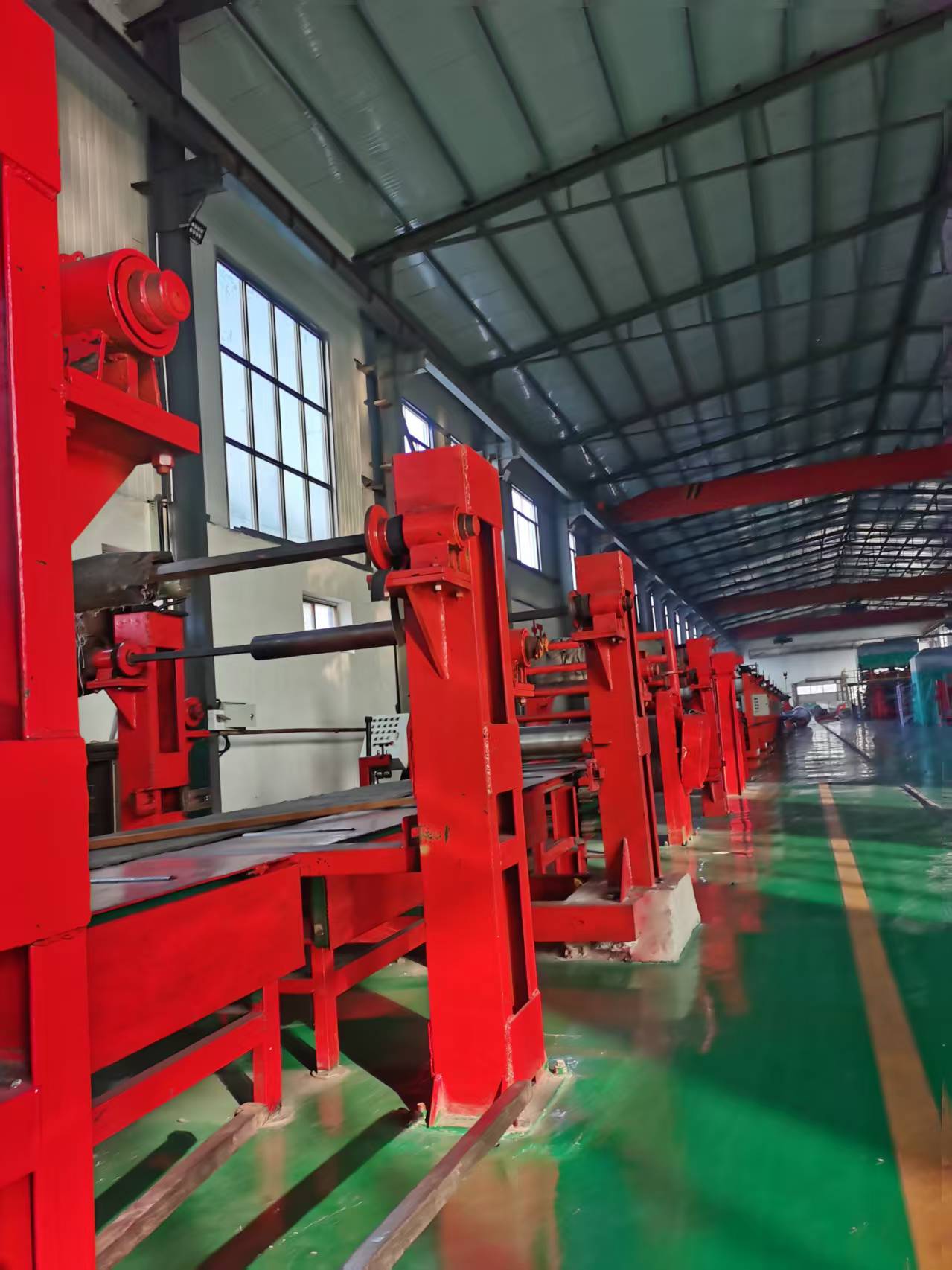
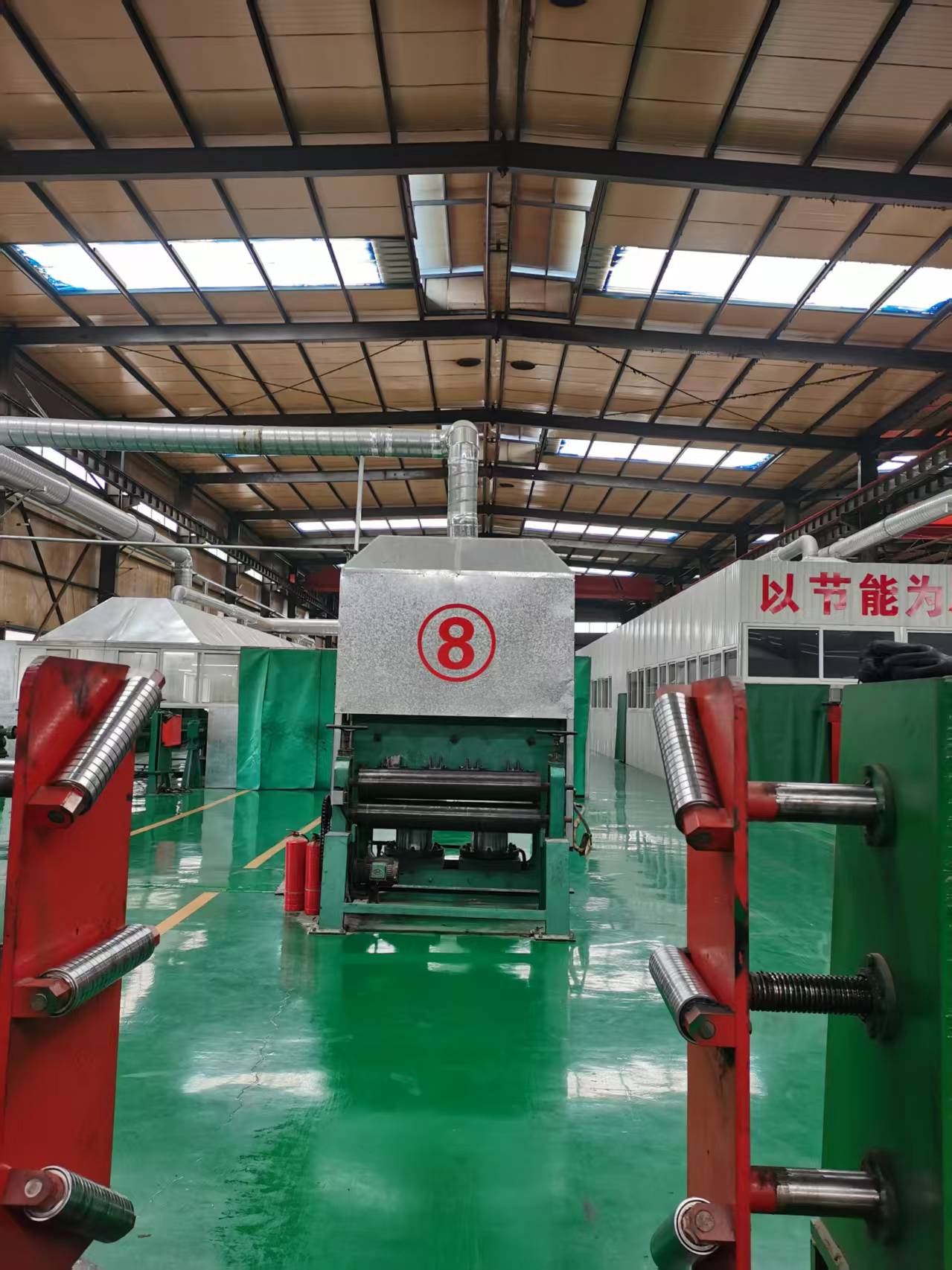
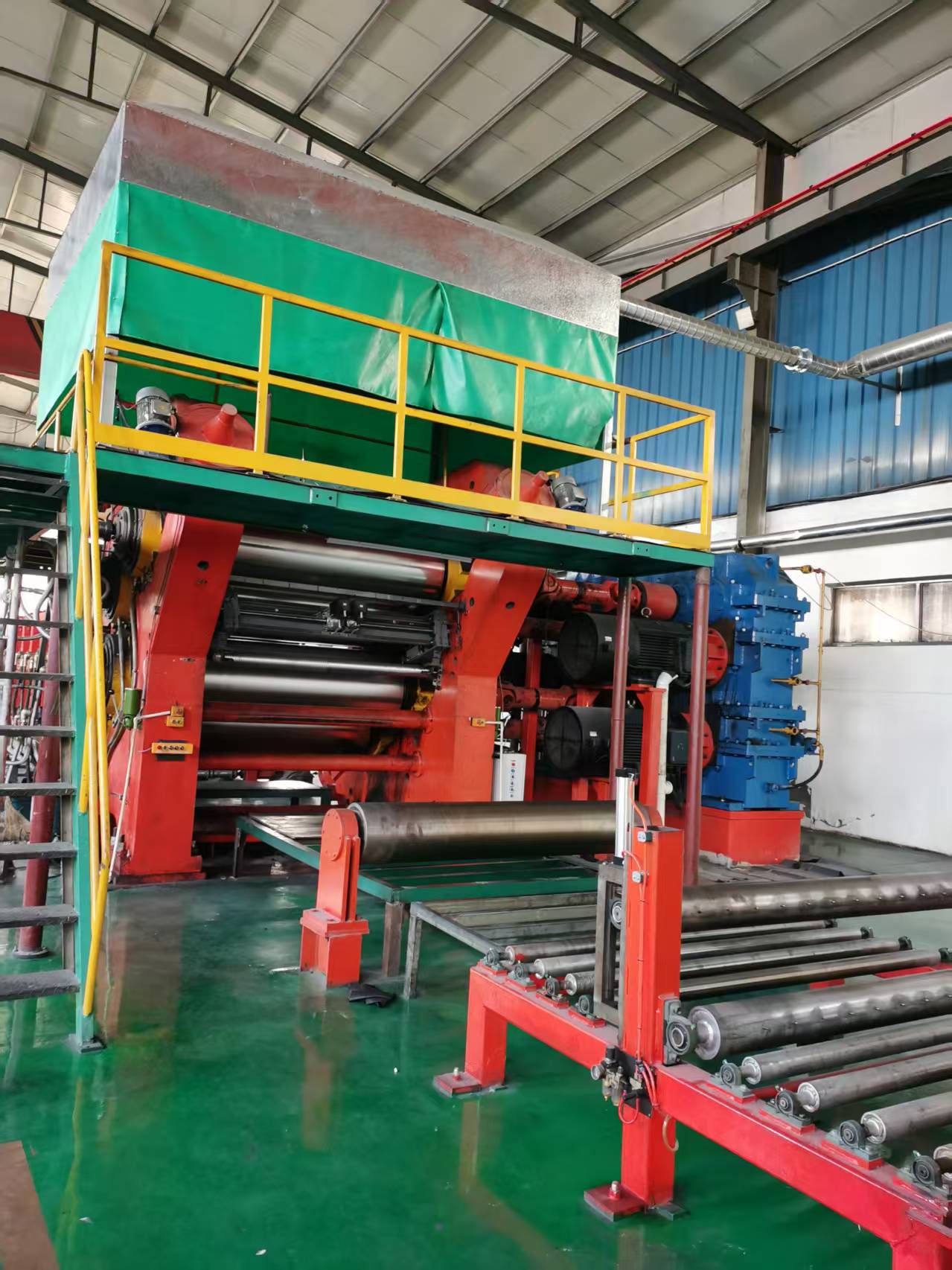
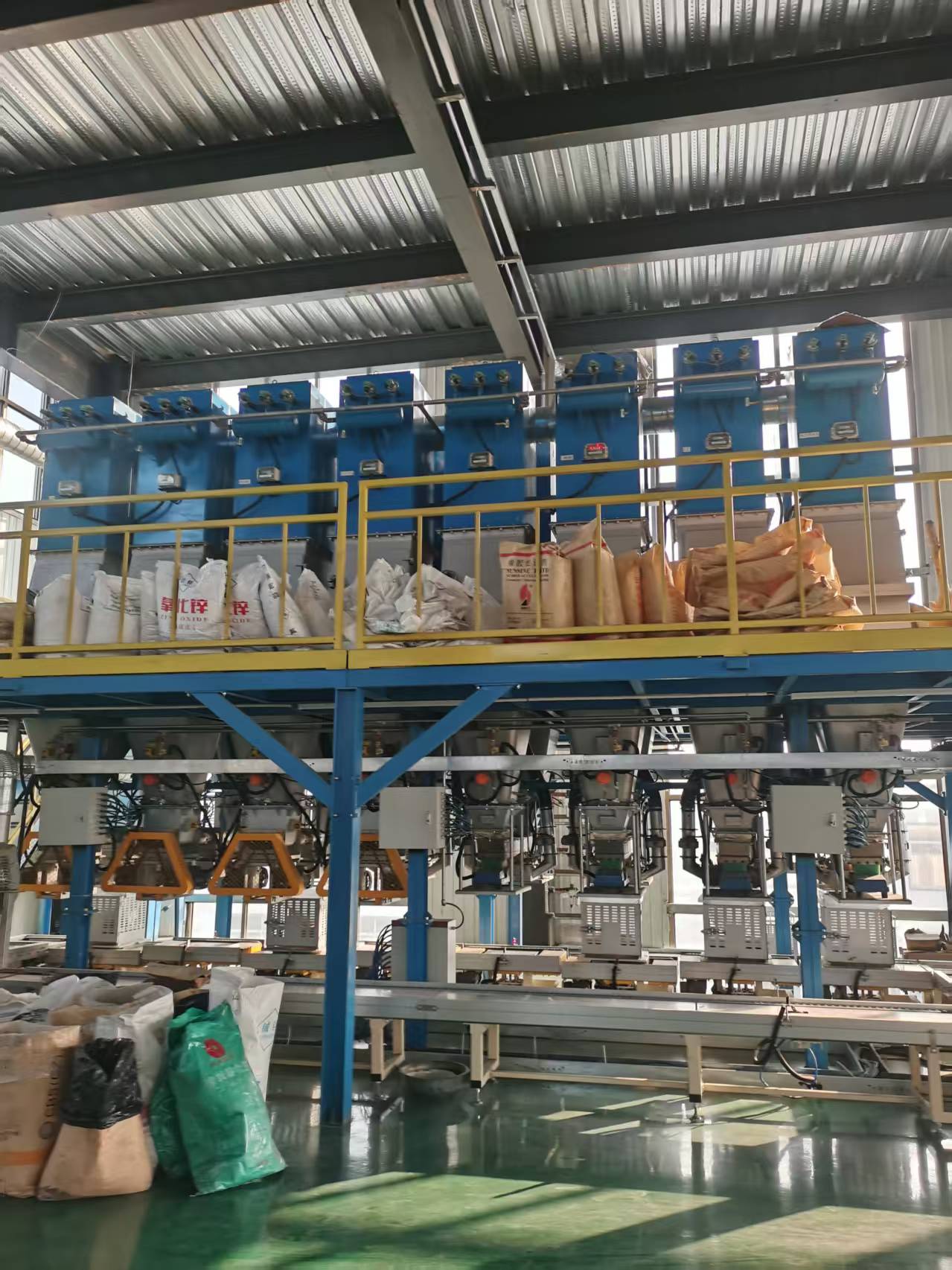
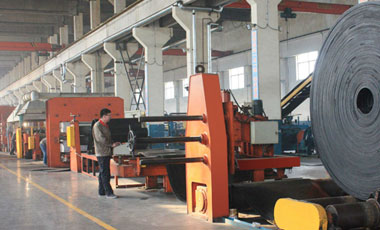
Production Line of Fabric Conveyor Belt
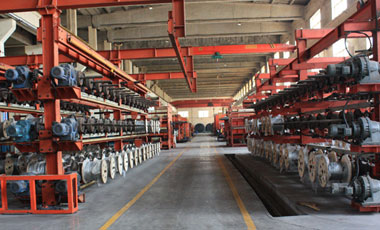
Production Equipment of Steel Cord Conveyor Belt
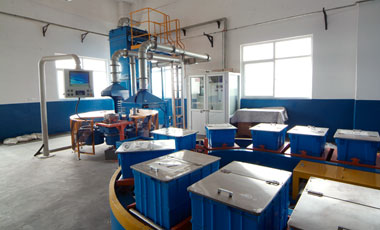
Proportioning Room of Mixing Center
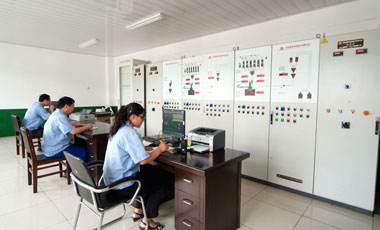
Proportioning System of Mixing Center
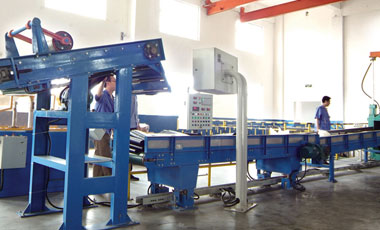
Feeding Device
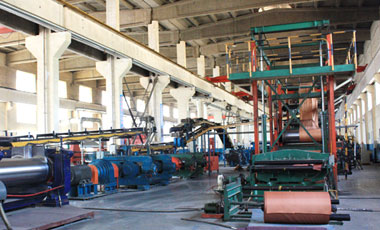
Calendering & Shaping Machine
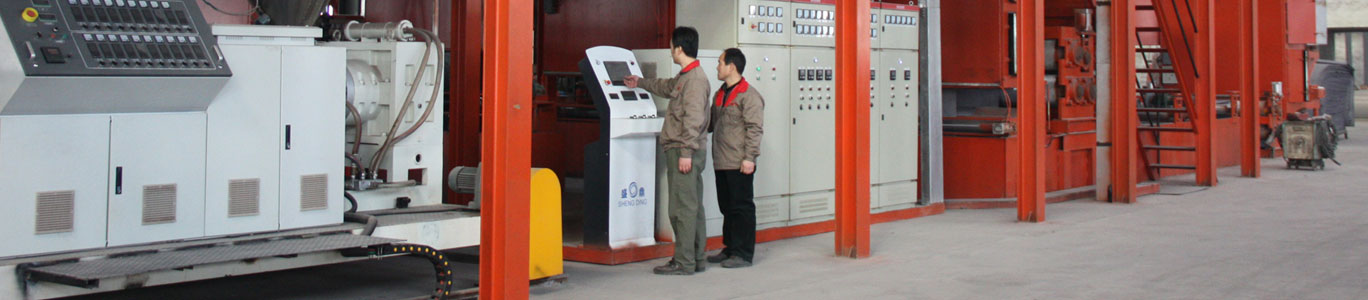
Advanced Testing Facilities for Quality Assurance