+86 18920794106
Leave Your Message
-
Contact WhatsApp
-
 Contact Phone
-
 Contact Email
Critical Safety Infrastructure for Modern Mining and Tunneling Operations
EP (Ethylene Propylene) conveyor belts represent a revolutionary advancement in material handling technology specifically engineered for fire-risk underground environments. In mining operations, tunneling projects, and subterranean industrial facilities, the risk of fire poses one of the most significant threats to worker safety and operational continuity. Traditional conveyor belt systems, when exposed to heat sources, friction, or electrical sparks, can ignite and rapidly spread flames throughout confined underground spaces, creating catastrophic scenarios. EP conveyor belts are designed with advanced flame-retardant properties, self-extinguishing capabilities, and low smoke emission characteristics that make them indispensable in these high-risk environments.
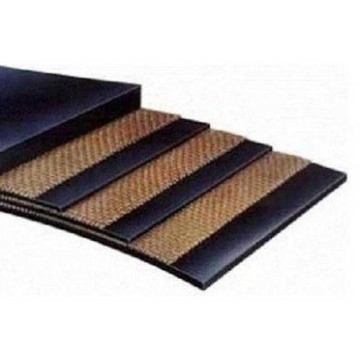
The construction of EP conveyor belts incorporates multiple layers of specialized rubber compounds reinforced with polyester (E) and polyamide (P) fabric plies. This unique composition provides exceptional tensile strength while maintaining flexibility and resistance to extreme temperatures. The ethylene-propylene rubber cover exhibits superior resistance to ozone, weathering, and chemical exposure, making it ideal for the harsh conditions found in underground mining operations. Furthermore, the anti-static properties integrated into modern EP belt designs prevent the accumulation of static electricity, which could otherwise serve as an ignition source in environments containing combustible gases or coal dust.
EP conveyor belts designed for fire-risk underground environments must meet stringent international safety standards including ISO 340, DIN 22103, and various national mining safety regulations. These belts typically feature flame-retardant ratings of K grade or higher, ensuring they will not sustain combustion when the ignition source is removed. The oxygen index of the rubber compound usually exceeds 28%, significantly higher than standard conveyor belts, providing enhanced fire resistance. Additionally, these belts undergo rigorous testing for smoke density, toxic gas emission, and heat release rates to ensure they meet the most demanding safety requirements for underground applications.
The global market for fire-resistant conveyor belts, particularly EP variants designed for underground applications, has experienced substantial growth over the past decade. This expansion is driven by several converging factors: increasingly stringent safety regulations in mining industries worldwide, the expansion of underground mining operations into deeper and more challenging geological formations, and growing awareness of worker safety and environmental protection. According to industry analysis, the fire-resistant conveyor belt market is projected to grow at a compound annual growth rate (CAGR) of approximately 4.8% through 2030, with underground mining applications representing a significant portion of this demand.
Major mining regions including Australia, China, India, South Africa, and North America have implemented comprehensive safety protocols that mandate the use of fire-resistant conveyor systems in underground operations. The coal mining sector, which faces particularly acute fire risks due to the presence of methane gas and coal dust, has been a primary driver of innovation in EP conveyor belt technology. Additionally, the expansion of underground infrastructure projects, including subway systems, utility tunnels, and storage facilities, has created new application areas for these specialized conveyor systems beyond traditional mining operations.
Coal mining represents the most demanding application environment for EP conveyor belts, where fire risk is omnipresent due to the combustible nature of coal dust, the presence of methane gas, and the potential for spontaneous combustion. Modern underground coal mines deploy extensive networks of EP conveyor systems that can stretch for several kilometers, transporting extracted coal from the working face to surface processing facilities. These systems must operate continuously in environments with limited ventilation, high humidity, and significant temperature variations. EP conveyor belts in coal mining applications are specifically formulated with enhanced anti-static properties to prevent spark generation, which could ignite methane-air mixtures. The belts also feature self-extinguishing characteristics that ensure any localized ignition will not propagate along the belt length, providing critical time for evacuation and fire suppression measures.
Recent technological advancements have introduced intelligent monitoring systems integrated with EP conveyor belts in coal mines. These systems employ infrared sensors, temperature monitoring arrays, and smoke detection devices that continuously assess belt condition and environmental parameters. When temperature anomalies or smoke particles are detected, automated systems can immediately shut down the conveyor, activate fire suppression systems, and alert emergency response teams. This integration of smart technology with advanced EP belt materials represents the cutting edge of underground mining safety, significantly reducing the risk of catastrophic fire incidents.
Beyond mining applications, EP conveyor belts are increasingly deployed in underground transportation infrastructure, including subway systems, airport baggage handling systems located below ground, and underground logistics facilities. These applications present unique challenges as they often involve passenger safety considerations and must comply with even more stringent fire safety codes. EP conveyor belts used in subway systems for maintenance operations or material transport must meet extremely low smoke emission standards to prevent toxic fume accumulation in confined spaces where evacuation might be complicated. The belts must also demonstrate minimal toxic gas release when exposed to heat, protecting both workers and the general public.
Underground warehousing and logistics facilities, which are becoming more common in urban areas where surface real estate is expensive, rely heavily on sophisticated conveyor systems for material handling. These facilities often store diverse materials, some of which may be flammable or chemically reactive, necessitating the use of fire-resistant EP conveyor belts as a fundamental safety measure. The belts in these applications must also demonstrate excellent resistance to oils, chemicals, and various cargo types while maintaining their fire-resistant properties throughout their service life.
Metal ore and mineral mining operations, while generally presenting lower fire risks than coal mining, still require robust fire-resistant conveyor systems due to the presence of combustible hydraulic fluids, electrical equipment, and potentially reactive minerals. EP conveyor belts in these applications must withstand abrasive materials, sharp rock fragments, and heavy impact loads while maintaining their fire-resistant characteristics. Copper, gold, iron ore, and other metal mining operations often extend to depths exceeding 1,000 meters, where temperature increases and ventilation challenges make fire safety paramount. The EP belts used in these deep mining applications are engineered with heat-resistant compounds that maintain structural integrity and fire resistance even at elevated ambient temperatures.
The evolution of EP conveyor belt technology continues to accelerate through breakthroughs in polymer chemistry and material science. Researchers are developing next-generation flame-retardant additives that provide superior fire resistance without compromising the mechanical properties of the belt. Nanotechnology is being incorporated into rubber compounds to enhance thermal stability and reduce smoke generation. Carbon nanotubes and graphene-based additives are showing promise in improving both the electrical conductivity (for anti-static properties) and the thermal resistance of EP belts. These innovations aim to create conveyor belts that not only resist ignition but can also withstand direct flame exposure for extended periods without structural failure.
Bio-based flame retardants derived from renewable resources are emerging as environmentally sustainable alternatives to traditional halogenated compounds. These eco-friendly additives maintain excellent fire-resistant properties while reducing the environmental impact of belt production and disposal. The development of self-healing rubber compounds that can automatically repair minor damage represents another frontier in EP belt technology, potentially extending belt life and reducing maintenance downtime in critical underground operations.
The integration of Internet of Things (IoT) technology into EP conveyor systems is revolutionizing underground safety management. Modern EP belts can be embedded with fiber optic sensors, RFID tags, and wireless monitoring devices that provide real-time data on belt condition, temperature distribution, tension levels, and wear patterns. This continuous monitoring enables predictive maintenance strategies that identify potential failure points before they develop into safety hazards. Advanced analytics platforms process this sensor data using machine learning algorithms to predict fire risk based on operational parameters, environmental conditions, and historical incident data. This proactive approach to safety management represents a paradigm shift from reactive emergency response to preventive risk mitigation.
The mining industry faces increasing pressure to adopt sustainable practices, and EP conveyor belt manufacturers are responding with environmentally conscious innovations. Recycling programs for end-of-life conveyor belts are being developed to recover valuable materials and reduce landfill waste. Some manufacturers are exploring the use of recycled rubber and sustainable natural rubber sources in belt production. Energy-efficient belt designs that reduce rolling resistance are helping mining operations decrease their power consumption and carbon footprint. Additionally, the long service life of high-quality EP belts inherently contributes to sustainability by reducing the frequency of belt replacement and associated resource consumption.
EP conveyor belts for fire-risk underground environments must comply with a complex web of international, national, and regional safety standards. The ISO 340 standard specifies test methods for determining the fire resistance of conveyor belts, including laboratory flame tests, propagation tests, and large-scale gallery fire tests that simulate real underground fire scenarios. The European standard EN 12882 establishes requirements for flame-resistant conveyor belts used in underground installations, covering aspects such as flame propagation, smoke density, and toxic gas emission. In the United States, the Mine Safety and Health Administration (MSHA) enforces strict regulations under 30 CFR Part 14, which mandates specific fire resistance characteristics for conveyor belts used in underground coal mines.
Australian standards AS 1334 and AS 4606 provide comprehensive guidelines for conveyor belt fire safety in underground mining operations, reflecting the country's extensive mining industry and commitment to worker safety. China's national standards GB/T 10822 and MT 668 establish requirements for flame-resistant conveyor belts used in coal mines and other underground applications. Manufacturers of EP conveyor belts must obtain certifications from recognized testing laboratories demonstrating compliance with applicable standards for each market they serve. This certification process involves rigorous testing protocols that evaluate belt performance under various fire scenarios, ensuring that products meet the highest safety standards before deployment in underground environments.
Comprehensive quality assurance programs are essential to ensure EP conveyor belts consistently meet fire safety requirements throughout their production lifecycle. Manufacturing facilities employ sophisticated testing equipment to verify critical parameters at multiple production stages. Raw material testing confirms that rubber compounds, fabric reinforcements, and flame-retardant additives meet specifications before processing. In-process quality checks monitor vulcanization temperatures, belt thickness uniformity, and adhesion strength between layers. Finished belt samples undergo extensive laboratory testing including flame propagation tests, smoke density measurements, toxic gas analysis, tensile strength verification, and elongation testing. Many manufacturers maintain dedicated fire testing facilities equipped with large-scale gallery test apparatus that can simulate underground fire conditions, providing empirical validation of belt performance under realistic scenarios.
The effectiveness of EP conveyor belts in fire-risk environments depends not only on material quality but also on proper installation and maintenance practices. Installation must be performed by trained technicians following manufacturer specifications and industry best practices. Belt splicing represents a critical vulnerability point, as improperly executed splices can compromise both the mechanical strength and fire-resistant properties of the belt. Vulcanized splices using heat and pressure provide the strongest and most fire-resistant joints, maintaining the integrity of the flame-retardant properties across the splice area. Cold bonding methods, while faster, may not provide equivalent fire resistance and should only be used in applications where they are explicitly approved.
Proper belt tracking and tensioning are essential to prevent edge damage, excessive wear, and friction-induced heat generation that could initiate fires. Conveyor systems should be equipped with appropriate idler rollers, return rollers, and belt cleaners designed for underground applications. Regular inspection of drive pulleys, take-up systems, and loading points helps identify potential friction sources before they develop into fire hazards. Installation documentation should include detailed records of belt specifications, splice locations, and initial tension settings to support ongoing maintenance and safety compliance verification.
Implementing comprehensive preventive maintenance programs is crucial for maintaining the fire-resistant properties and operational reliability of EP conveyor belts in underground environments. Regular visual inspections should be conducted to identify signs of wear, damage, or deterioration that could compromise safety. Thermal imaging cameras can detect hot spots caused by misaligned components, seized rollers, or excessive friction before they reach ignition temperatures. Belt cleaning systems must be maintained to prevent material buildup that could increase fire load or create friction points. Lubrication of bearings and mechanical components should follow manufacturer recommendations to prevent overheating and potential ignition sources.
Periodic testing of fire detection and suppression systems integrated with conveyor installations ensures rapid response capability in the event of an incident. Maintenance records should document all inspections, repairs, and component replacements, providing a comprehensive history that supports safety audits and compliance verification. Training programs for maintenance personnel should emphasize the unique characteristics of fire-resistant belts and the importance of using approved repair materials and techniques that maintain the belt's safety properties.
Numerous case studies from mining operations worldwide demonstrate the life-saving potential of properly specified and maintained EP conveyor belts. In a major underground coal mine in Australia, an electrical fault in a conveyor drive motor generated sufficient heat to ignite surrounding materials. The EP conveyor belt, however, resisted ignition and self-extinguished once the power was cut, preventing what could have been a catastrophic fire in a mine section with over 200 workers. The incident highlighted the importance of integrating fire-resistant materials throughout the underground infrastructure. Similarly, a copper mine in Chile experienced a hydraulic fluid leak onto a running conveyor belt. The fire-resistant properties of the EP belt prevented ignition despite prolonged exposure to the flammable fluid, allowing time for safe shutdown and cleanup operations.
Long-term performance data from underground mining operations shows that high-quality EP conveyor belts can achieve service lives exceeding 10 years in demanding applications, providing excellent return on investment through reduced replacement costs and minimized downtime. Mines that have invested in premium EP belts with advanced monitoring systems report significant reductions in fire incidents, maintenance costs, and unplanned stoppages. These success stories underscore the value proposition of investing in superior fire-resistant conveyor technology as both a safety imperative and a sound business decision.
The future of EP conveyor belts for fire-risk underground environments will be shaped by several converging trends. Automation and autonomous mining operations will require conveyor systems with even greater reliability and integrated intelligence. The development of self-monitoring belts that can predict their own remaining service life and automatically alert operators to developing issues will become standard. Advances in materials science will produce belts with even better fire resistance, longer service life, and reduced environmental impact. The integration of renewable energy sources into underground operations will drive demand for energy-efficient conveyor systems that minimize power consumption while maintaining safety performance.
Climate change and increasing pressure for sustainable mining practices will accelerate the development of eco-friendly belt materials and recycling technologies. The expansion of deep-sea mining and other frontier applications will create new challenges and opportunities for fire-resistant conveyor technology. As global demand for minerals and metals continues to grow, driven by electric vehicle production and renewable energy infrastructure, the underground mining industry will expand, creating sustained demand for advanced EP conveyor belt systems. Manufacturers that invest in innovation, quality, and sustainability will be well-positioned to meet these evolving market needs while contributing to safer and more efficient underground operations worldwide.
State-of-the-art manufacturing facilities ensuring the highest quality standards
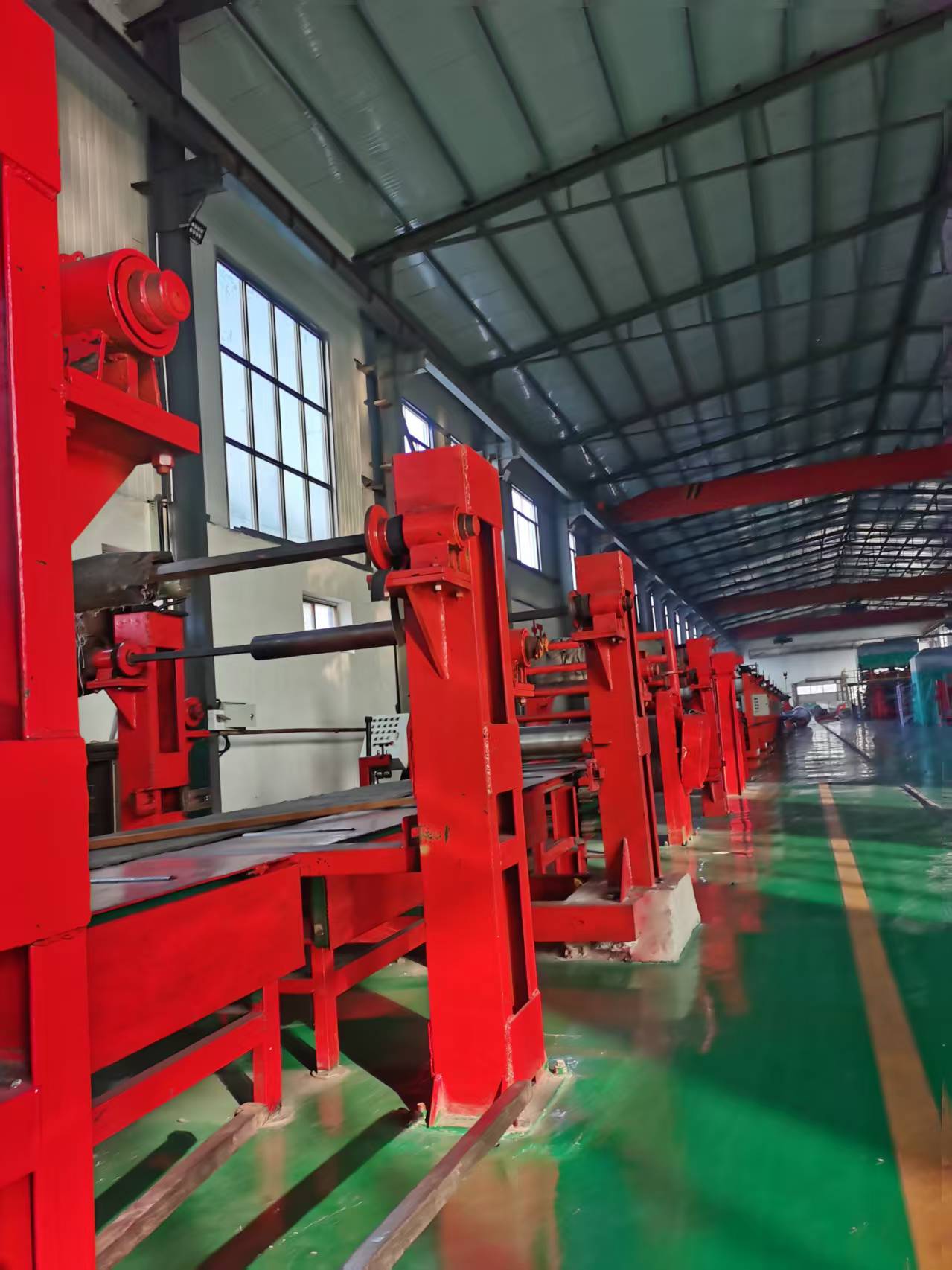
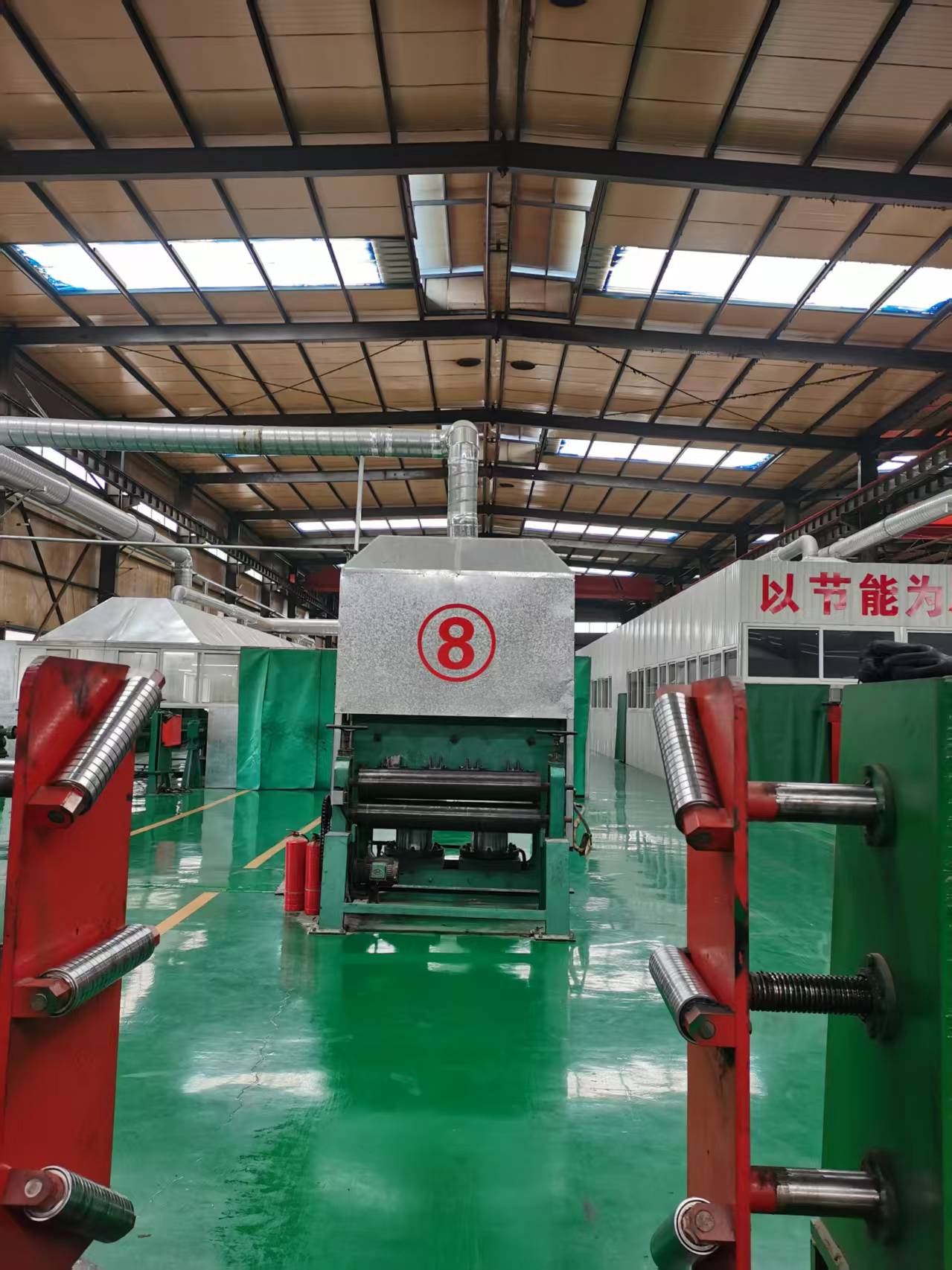
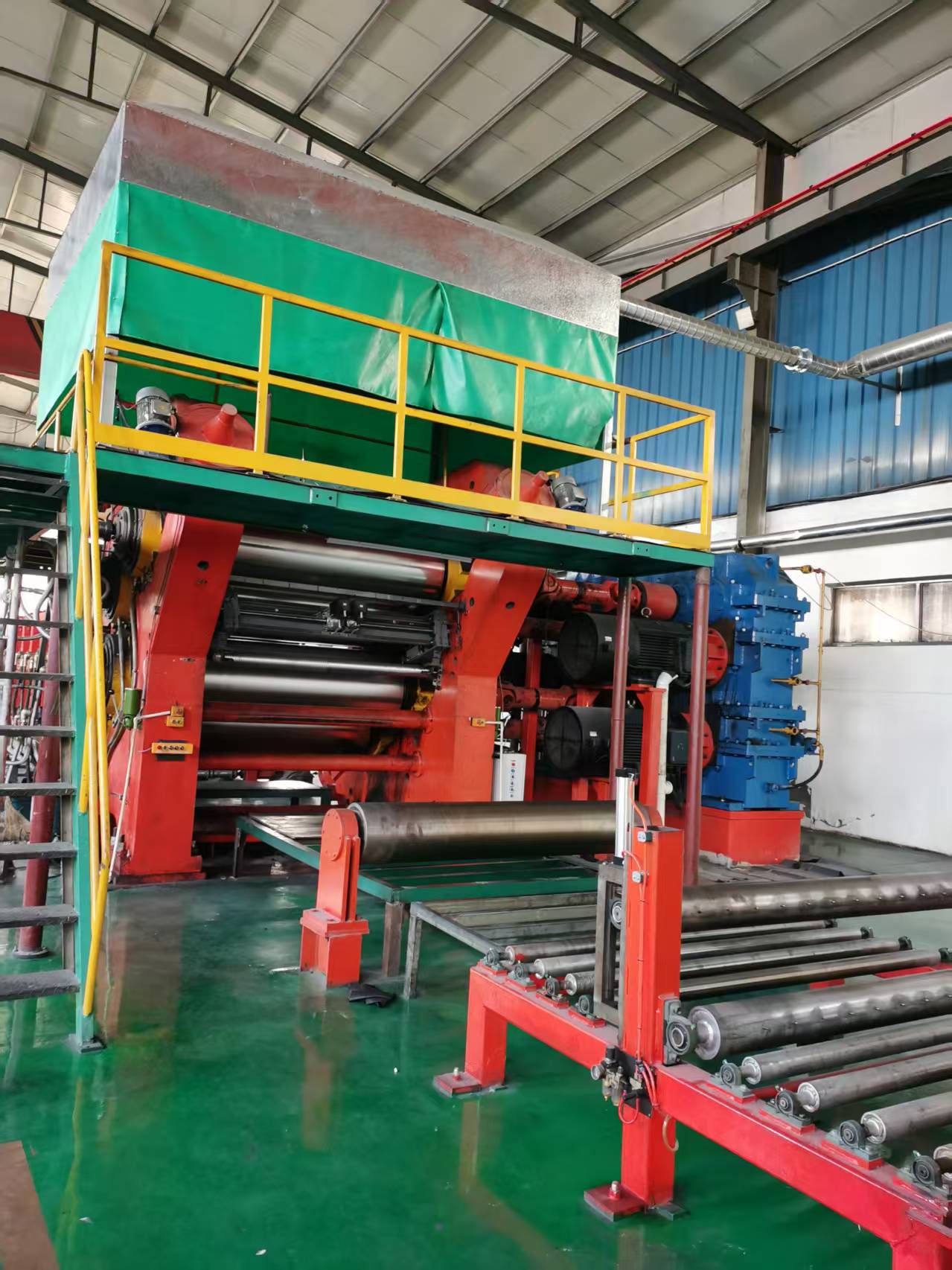
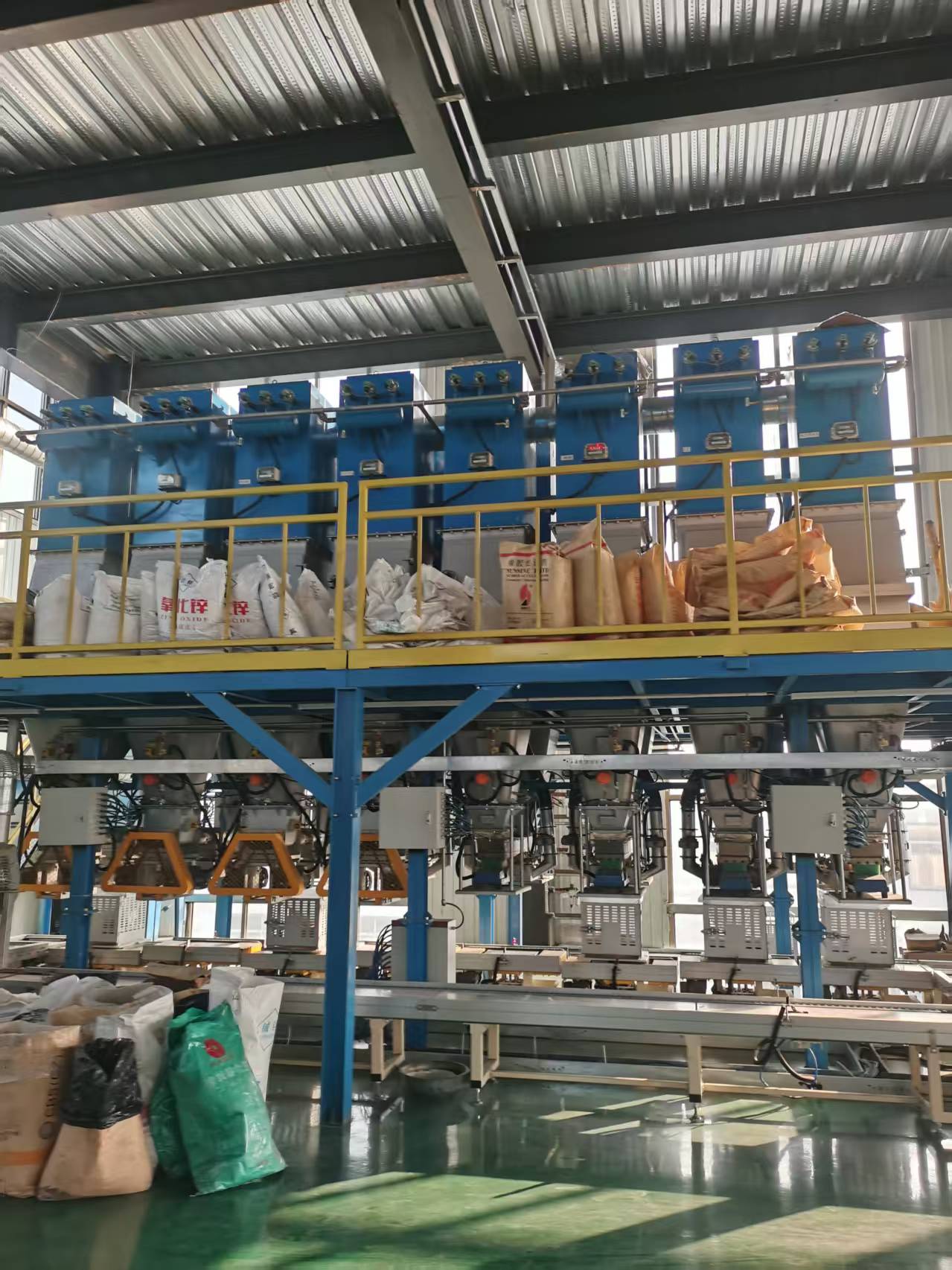
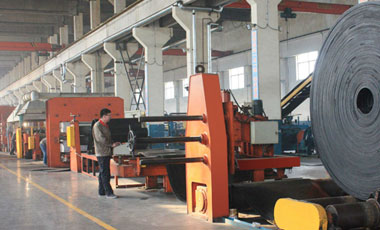
Production Line of Fabric Conveyor Belt
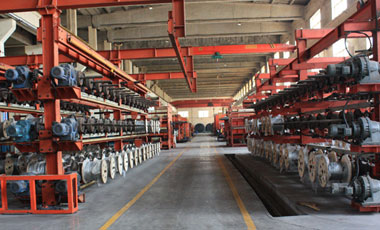
Production Equipment of Steel Cord Conveyor Belt
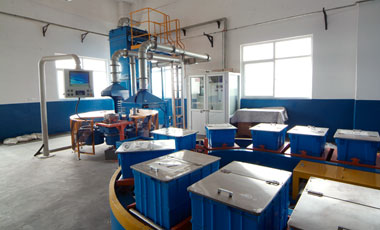
Proportioning Room of Mixing Center
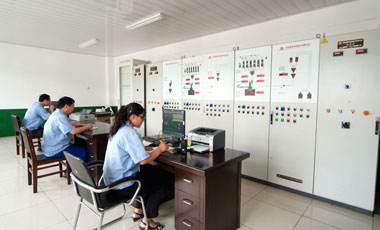
Proportioning System of Mixing Center
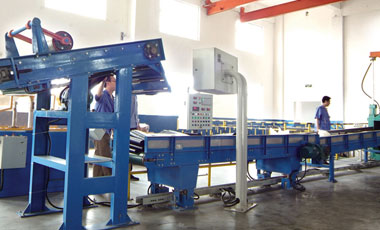
Feeding Device
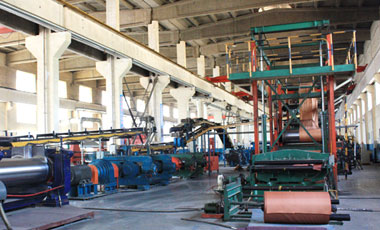
Calendering & Shaping Machine
Advanced Testing Facilities
Comprehensive solutions for all underground conveying applications