+86 18920794106
Leave Your Message
-
Contact WhatsApp
-
 Contact Phone
-
 Contact Email
In the demanding world of industrial material handling, cotton rubber conveyor belts have emerged as a critical solution for extreme cold-weather outdoor hauling operations. These specialized conveyor systems combine the natural strength and flexibility of cotton fabric reinforcement with advanced rubber compounds engineered to withstand temperatures that would compromise conventional conveyor belt materials. As global industries continue to expand into colder regions and face increasingly harsh winter conditions, the importance of reliable cold-weather conveyor solutions has never been more pronounced.
Cotton rubber conveyor belts represent a time-tested technology that has been continuously refined to meet modern industrial challenges. The cotton fabric core provides exceptional flexibility and impact resistance, while the rubber cover protects against environmental factors and provides the necessary friction for material transport. In extreme cold-weather applications, these belts must maintain their mechanical properties, flexibility, and operational reliability at temperatures ranging from -40°C to -60°C, where many synthetic materials become brittle and fail.
Industries operating in arctic and subarctic regions, including mining operations in Siberia, Canadian oil sands extraction, Scandinavian forestry operations, and Antarctic research stations, depend on cotton rubber conveyor belts that can perform reliably regardless of temperature extremes. The global market for cold-resistant conveyor belts has grown by approximately 8.5% annually over the past five years, driven by increased resource extraction in northern territories and the expansion of cold storage and frozen food processing facilities worldwide.
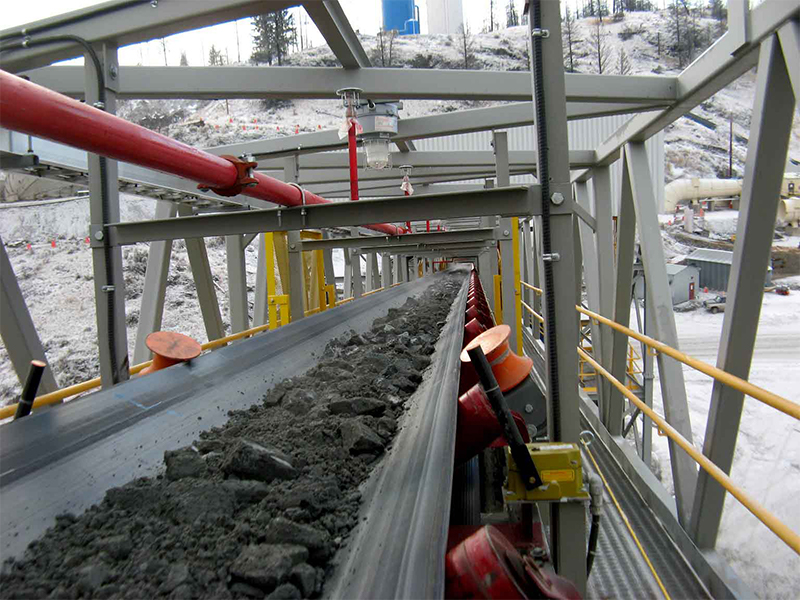
The mining industry represents the largest consumer of cold-weather cotton rubber conveyor belts, accounting for approximately 45% of global demand. Open-pit mining operations in regions such as northern Canada, Russia, Alaska, and Scandinavia require conveyor systems that can transport ore, overburden, and processed materials across distances of several kilometers in temperatures that regularly drop below -30°C. These operations cannot afford downtime due to conveyor failure, as the cost of production interruption can exceed $500,000 per hour in large-scale mining operations.
Cotton rubber conveyor belts in mining applications must withstand not only extreme cold but also heavy loads, abrasive materials, and impact from large chunks of ore. Modern cold-weather mining belts incorporate specialized rubber compounds with high plasticizer content and synthetic rubber blends that maintain flexibility at low temperatures. The cotton fabric core, typically consisting of multiple plies arranged in a specific pattern, provides the tensile strength necessary to support loads exceeding 1,000 tons per hour while maintaining the flexibility required to navigate the complex routing typical of mining conveyor systems.
Construction projects in cold regions, including road building, dam construction, and infrastructure development in northern territories, rely heavily on portable and semi-permanent conveyor systems using cotton rubber belts. These applications require belts that can be quickly deployed, operate reliably in fluctuating temperatures, and withstand the rigors of construction site conditions. The global infrastructure investment in arctic and subarctic regions is projected to exceed $1 trillion over the next decade, driving sustained demand for cold-weather conveyor solutions.
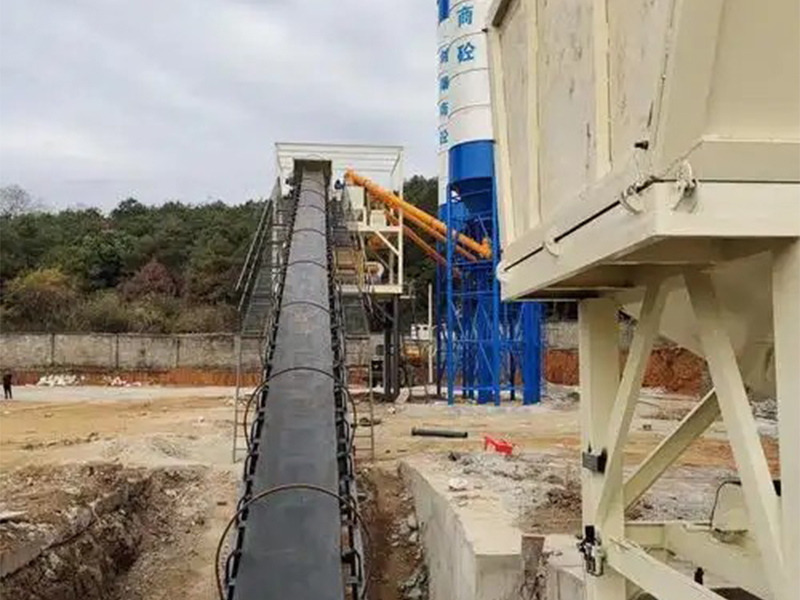
Winter construction projects face unique challenges, as concrete production and aggregate processing must continue despite sub-zero temperatures. Cotton rubber conveyor belts used in concrete batching plants and aggregate processing facilities in cold climates must resist freezing moisture, prevent material buildup, and maintain consistent operation despite temperature fluctuations of 50°C or more between day and night operations. The flexibility of cotton fabric reinforcement provides superior performance compared to steel cord belts in these applications, as it better accommodates the thermal expansion and contraction cycles common in cold-weather operations.
The agricultural sector in northern regions depends on cotton rubber conveyor belts for grain handling, potato processing, and livestock feed distribution during harsh winter months. Cold storage facilities and frozen food processing plants represent a rapidly growing market segment, with the global cold chain logistics market expected to reach $585 billion by 2028. These facilities require conveyor belts that can operate continuously in temperatures ranging from -25°C to -35°C while meeting strict food safety and hygiene standards.
Cotton rubber belts used in food processing applications must comply with FDA, EU, and other international food safety regulations while maintaining performance in extreme cold. The natural cotton fabric core provides advantages in food-grade applications, as it does not shed synthetic fibers that could contaminate products. Advanced rubber compounds incorporating food-grade plasticizers and antioxidants ensure that these belts maintain flexibility and cleanliness even after years of operation in freezing environments.
Recent advances in polymer chemistry have revolutionized cold-weather conveyor belt performance. Modern cotton rubber conveyor belts incorporate sophisticated rubber compounds that maintain elasticity at temperatures where conventional rubber would become rigid and crack. These formulations typically combine natural rubber with synthetic polymers such as styrene-butadiene rubber (SBR), polybutadiene rubber (BR), and ethylene-propylene-diene monomer (EPDM) rubber in carefully optimized ratios.
The key to cold-weather performance lies in the glass transition temperature (Tg) of the rubber compound. Standard conveyor belt rubber has a Tg around -50°C, becoming increasingly stiff as temperatures approach this threshold. Advanced cold-weather formulations lower the Tg to -70°C or below through the incorporation of specialized plasticizers, processing oils, and polymer modifications. These additives maintain the molecular mobility necessary for flexibility while preserving the mechanical strength and abrasion resistance required for heavy-duty hauling applications.
Antioxidants and anti-ozonants play a crucial role in extending belt life in cold climates, where ozone concentrations can be higher and UV radiation more intense due to snow reflection. Modern formulations incorporate hindered phenol antioxidants and para-phenylenediamine derivatives that protect the rubber matrix from oxidative degradation, potentially doubling belt service life in harsh outdoor environments. Additionally, carbon black reinforcement provides not only mechanical strength but also UV protection, with loading levels optimized to balance flexibility and durability.
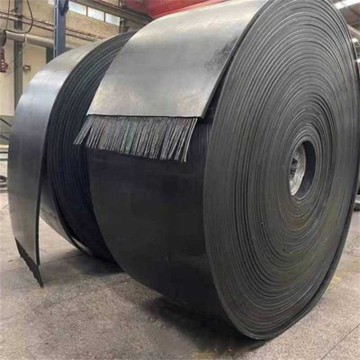
The cotton fabric carcass remains the heart of these conveyor belts, providing the tensile strength and flexibility that define their performance characteristics. Modern cotton conveyor belts utilize high-tenacity cotton yarns woven in specific patterns to optimize strength-to-weight ratios and flexibility. Multi-ply constructions, typically ranging from 3 to 8 plies depending on application requirements, distribute loads evenly and provide redundancy that prevents catastrophic failure.
Cotton fabric offers several advantages over synthetic alternatives in extreme cold applications. Natural cotton fibers maintain their flexibility and impact resistance at low temperatures better than many synthetic materials, which can become brittle and prone to cracking. The hygroscopic nature of cotton, often considered a disadvantage, can actually benefit cold-weather operations by absorbing and gradually releasing moisture, preventing the formation of ice layers between plies that could cause delamination.
Recent innovations include hybrid fabric constructions that combine cotton with synthetic fibers such as polyester or nylon in strategic arrangements. These hybrid designs leverage the cold-weather flexibility of cotton while incorporating the superior tensile strength of synthetics, creating belts that can handle heavier loads without sacrificing low-temperature performance. Advanced weaving techniques and resin treatments further enhance the fabric's resistance to moisture and improve adhesion to the rubber cover compounds.
The global market for cold-weather conveyor belts, including cotton rubber varieties, has experienced robust growth driven by several converging trends. Climate change, paradoxically, has increased demand for cold-weather conveyor solutions as temperature variability and extreme weather events become more common. Industries must now design systems that can handle not just consistently cold conditions but rapid temperature swings that challenge material performance.
Resource extraction in arctic and subarctic regions continues to expand as accessible deposits in temperate zones become depleted. Russia's development of Arctic shipping routes and resource extraction infrastructure, Canada's expansion of oil sands operations, and Scandinavian mining projects collectively represent over $200 billion in planned investments through 2030. Each of these projects requires extensive conveyor systems capable of operating reliably in extreme cold, driving sustained demand for specialized cotton rubber conveyor belts.
The cold chain logistics sector has emerged as a major growth driver, with e-commerce expansion and changing consumer preferences increasing demand for frozen and refrigerated products. Automated distribution centers and processing facilities operating at sub-zero temperatures require conveyor systems that combine cold-weather reliability with the precision and cleanliness demanded by modern logistics operations. This sector is projected to grow at a compound annual growth rate (CAGR) of 9.2% through 2028, creating substantial opportunities for cotton rubber conveyor belt manufacturers.
Environmental sustainability has become a critical consideration in conveyor belt selection and design. Cotton, as a renewable natural fiber, offers environmental advantages over fully synthetic alternatives, particularly when sourced from sustainable agricultural operations. Leading manufacturers are increasingly incorporating organic cotton and recycled rubber content into their cold-weather conveyor belt formulations, responding to customer demand for environmentally responsible products.
Energy efficiency represents another important sustainability dimension. Cotton rubber conveyor belts' superior flexibility in cold weather reduces the power requirements for driving conveyor systems, as less energy is needed to overcome material stiffness. Studies have shown that optimized cold-weather belt designs can reduce energy consumption by 15-25% compared to conventional belts operating in the same conditions, translating to significant cost savings and reduced carbon emissions over the belt's service life.
End-of-life considerations are driving innovation in belt design and material selection. Modern cotton rubber conveyor belts are increasingly designed for recyclability, with rubber compounds that can be reclaimed and reprocessed and cotton fabric that can be recovered for use in other applications. Some manufacturers have established take-back programs that ensure proper recycling of worn belts, closing the material loop and reducing environmental impact.
The integration of smart technologies into conveyor belt systems represents a transformative trend that will reshape cold-weather operations. Embedded sensors and RFID tags enable real-time monitoring of belt condition, temperature, tension, and wear patterns, allowing predictive maintenance that prevents failures before they occur. These technologies are particularly valuable in remote cold-weather operations where access for inspection and maintenance is limited and costly.
Nanotechnology applications promise to further enhance cold-weather belt performance. Nano-scale additives can improve rubber compound properties, enhancing low-temperature flexibility, abrasion resistance, and longevity. Graphene-enhanced rubber compounds, currently in advanced development, show potential for creating conveyor belts with unprecedented strength-to-weight ratios and temperature performance ranges, potentially extending operational limits to -80°C or below.
China Railway Group Mixing Plant

Conch Cement
Datong Coal Group
Taihang Steel
Tsingshan Group
Zijin Mining
Successful deployment of cotton rubber conveyor belts in extreme cold-weather applications requires specialized installation procedures and maintenance protocols. Belt installation in sub-zero temperatures presents unique challenges, as rubber compounds become stiffer and more difficult to manipulate. Industry best practices recommend warming belts to at least 10°C before installation when ambient temperatures fall below -20°C, using heated storage facilities or specialized belt warming equipment to ensure proper flexibility during the installation process.
Splicing procedures must be adapted for cold-weather conditions, as adhesive curing times increase and bond strength can be compromised at low temperatures. Vulcanized splices, created using portable hot vulcanizing presses, provide the most reliable joints for cold-weather applications. These splices, when properly executed, achieve 85-90% of the belt's rated strength and maintain their integrity across the full operating temperature range. Cold-bonded splices, while faster to execute, require specialized adhesives formulated for low-temperature curing and may not provide adequate strength for heavy-duty applications.
Preventive maintenance programs tailored to cold-weather operations significantly extend belt service life and reduce unplanned downtime. Regular inspections should focus on identifying early signs of cold-weather damage, including surface cracking, edge wear, and splice deterioration. Thermal imaging cameras have proven valuable for detecting temperature anomalies that may indicate bearing failures or belt misalignment before they cause catastrophic failures. Maintenance schedules should be intensified during extreme cold snaps, as component failures become more likely under severe temperature stress.
Conveyor system design for extreme cold-weather applications must account for the unique properties and limitations of cotton rubber belts operating at low temperatures. Pulley diameter selection becomes critical, as belt flexibility decreases with temperature. Minimum pulley diameters should be increased by 15-25% for operations below -30°C compared to temperate climate specifications, reducing flexural stress on the belt and preventing premature fatigue failures.
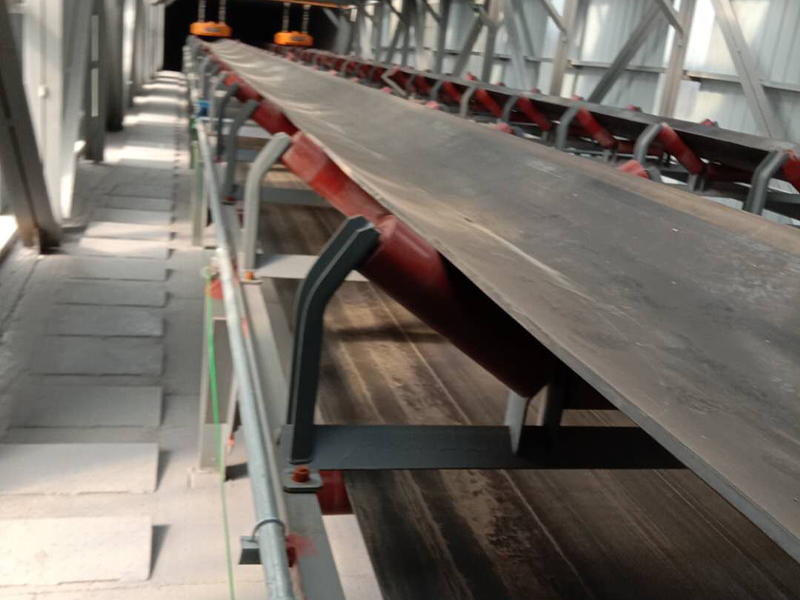
Idler spacing and configuration require careful optimization for cold-weather operations. Closer idler spacing reduces belt sag and material spillage while distributing load more evenly across the belt width, reducing stress concentrations that could initiate cracks in cold-stiffened rubber. Impact idlers at loading points should incorporate increased cushioning and be positioned more closely together to protect the belt from damage when handling frozen or semi-frozen materials that impact with greater force than their temperate counterparts.
Belt tensioning systems must accommodate the thermal contraction that occurs as temperatures drop. A belt operating across a 60°C temperature range (from +20°C to -40°C) will contract approximately 0.5-0.7% of its length, potentially creating excessive tension if the take-up system cannot compensate. Gravity take-ups with adequate travel distance or automatic tensioning systems with temperature compensation provide the most reliable solution for maintaining proper belt tension across varying temperature conditions.
Cotton rubber conveyor belts for extreme cold-weather outdoor hauling represent a mature yet continuously evolving technology that remains essential to global industrial operations. As industries push into increasingly challenging environments and temperature extremes become more common due to climate variability, the demand for reliable, efficient, and sustainable cold-weather conveyor solutions will continue to grow. The combination of natural cotton fiber reinforcement and advanced rubber compound technology provides a proven solution that balances performance, cost-effectiveness, and environmental responsibility.
The future of cold-weather conveyor technology lies in the integration of advanced materials science, smart monitoring systems, and sustainable manufacturing practices. Manufacturers who invest in research and development, embrace emerging technologies, and prioritize customer support will lead the industry forward. As global infrastructure development and resource extraction activities expand into the world's coldest regions, cotton rubber conveyor belts will remain at the forefront of material handling solutions, enabling economic development while withstanding nature's harshest conditions.
For industries operating in extreme cold-weather environments, selecting the right conveyor belt solution is not merely a procurement decision—it is a strategic choice that impacts operational reliability, safety, cost efficiency, and environmental performance. Cotton rubber conveyor belts, backed by decades of proven performance and continuous innovation, offer a compelling solution that meets the demanding requirements of modern cold-weather hauling applications across diverse industries worldwide.