+86 18920794106
Leave Your Message
-
Contact WhatsApp
-
 Contact Phone
-
 Contact Email
Underground mining and tunneling environments present some of the most challenging operational conditions for material handling systems. Conveyor idlers operating in these confined spaces face unique fire hazards that demand specialized engineering solutions. The combination of combustible coal dust, methane gas accumulation, friction-generated heat, and limited ventilation creates a potentially catastrophic environment where conventional conveyor components can become ignition sources.
The global mining industry has witnessed devastating underground fires caused by conveyor system failures, resulting in loss of life, equipment destruction, and prolonged operational shutdowns. According to recent industry data, conveyor-related incidents account for approximately 15-20% of all underground mine fires, with idler bearing failures being a primary contributing factor. These statistics underscore the critical importance of implementing fire-resistant conveyor idler technologies specifically engineered for high-risk underground applications.
Bearing Friction & Heat Generation: Standard idler bearings operating under heavy loads and contaminated conditions can generate temperatures exceeding 200°C, well above the ignition point of coal dust and methane mixtures.
Static Electricity Accumulation: Belt movement across conventional idlers creates static charges that can discharge as sparks, particularly in dry underground atmospheres with low humidity.
Material Spillage & Buildup: Coal and mineral accumulation around idler assemblies creates fuel sources that, when combined with heat or sparks, can initiate fires that spread rapidly through conveyor galleries.
The global market for fire-resistant conveyor idlers in underground applications has experienced significant growth, driven by increasingly stringent safety regulations and heightened awareness following major mining disasters. The market, valued at approximately $850 million in 2023, is projected to reach $1.3 billion by 2030, representing a compound annual growth rate (CAGR) of 6.8%.
Major mining regions including Australia, China, the United States, South Africa, and Eastern Europe have implemented comprehensive regulatory frameworks mandating the use of fire-resistant conveyor components in underground coal mines and high-risk mineral extraction operations. These regulations typically specify requirements for flame-retardant materials, temperature monitoring systems, and automatic fire suppression integration.
Leading manufacturers have invested heavily in research and development of advanced idler technologies incorporating multiple fire-prevention mechanisms. Modern fire-resistant idlers now feature sealed bearing assemblies with temperature-stable lubricants, non-sparking composite shells, integrated temperature sensors, and flame-retardant rubber compounds that self-extinguish when exposed to ignition sources.
The integration of Internet of Things (IoT) technology has revolutionized idler monitoring capabilities. Smart idlers equipped with wireless temperature sensors, vibration monitors, and predictive maintenance algorithms enable real-time condition monitoring, allowing operators to identify potential failure points before they develop into fire hazards. This predictive approach has reduced conveyor-related fire incidents by up to 60% in mines implementing comprehensive monitoring systems.
Contemporary fire-resistant idlers utilize advanced material composites specifically engineered for underground fire-risk environments. High-performance polymers incorporating flame-retardant additives, such as aluminum trihydrate and magnesium hydroxide, provide self-extinguishing properties while maintaining structural integrity under operational loads. These materials achieve UL94 V-0 flame ratings and meet international mining safety standards including MSHA, ATEX, and IECEx certifications.
The shell construction of fire-resistant idlers typically employs steel tubing with specialized coatings or composite materials that prevent spark generation during belt misalignment or material impact. Anti-static formulations dissipate electrical charges safely, eliminating spark hazards that could ignite explosive atmospheres. Advanced rubber compounds used in impact and return idlers incorporate carbon black and conductive fillers to provide controlled electrical conductivity, preventing static accumulation while maintaining flame resistance.
Bearing failure represents the most common cause of idler-related fires in underground conveyors. Modern fire-resistant idlers incorporate sealed-for-life bearing assemblies using high-temperature synthetic lubricants that maintain viscosity and protective properties at elevated temperatures. These specialized greases contain solid lubricant additives such as molybdenum disulfide or PTFE that continue providing lubrication even if the base oil degrades under extreme heat conditions.
Advanced labyrinth seal designs prevent contaminant ingress while allowing thermal expansion, maintaining bearing protection in harsh underground environments. Some premium idler designs incorporate ceramic hybrid bearings with silicon nitride balls that generate significantly less friction heat than conventional steel bearings, reducing operating temperatures by 15-25°C under equivalent load conditions.
Self-extinguishing compounds meeting UL94 V-0 standards with ignition temperatures exceeding 400°C
Integrated thermal sensors providing real-time bearing temperature data with automatic alarm systems
Conductive materials preventing static charge accumulation and spark generation in explosive atmospheres
Advanced labyrinth seals with high-temperature lubricants maintaining protection in contaminated environments
Robust construction providing 30,000+ operating hours in severe underground conditions
Wireless connectivity enabling predictive maintenance and remote condition monitoring capabilities
Coal mining represents the highest-risk application for conveyor systems due to the inherent flammability of coal dust and the frequent presence of methane gas. Fire-resistant idlers in coal mines must comply with rigorous explosion-proof standards and incorporate multiple redundant safety features. Typical coal mine conveyor systems operating at depths exceeding 500 meters transport 2,000-5,000 tonnes per hour through galleries with ambient temperatures ranging from 25-40°C and humidity levels fluctuating between 70-95%.
In longwall mining operations, conveyor systems extending 2-4 kilometers from the coal face to surface facilities utilize specialized idler configurations including impact idlers at loading zones, troughing idlers along the conveyor length, and return idlers on the belt underside. Each idler position requires specific fire-resistant characteristics based on load conditions, material impact forces, and exposure to coal dust accumulation.
Case studies from major Australian coal producers demonstrate that implementing comprehensive fire-resistant idler systems, combined with automated temperature monitoring and water-mist fire suppression, has reduced conveyor fire incidents by 73% over five-year implementation periods. The initial capital investment premium of 25-35% for fire-resistant idlers is typically recovered within 18-24 months through reduced downtime, lower insurance premiums, and elimination of fire-related production losses.
Underground hard rock mines extracting gold, copper, nickel, and other metallic ores present different fire risk profiles compared to coal operations. While methane hazards are typically absent, these operations face challenges from abrasive ore materials causing rapid idler wear, generating friction heat and potential spark sources. Fire-resistant idlers in hard rock applications must balance wear resistance with fire-prevention capabilities.
Modern hard rock mines increasingly utilize high-angle conveyor systems (slopes exceeding 18°) to transport ore from depths of 1,000-2,500 meters to surface processing facilities. These steep-incline conveyors require specialized idler designs incorporating backstop mechanisms and enhanced load distribution to prevent belt rollback while maintaining fire-resistant properties. The combination of high gravitational loads, abrasive materials, and confined ventilation makes fire-resistant idlers essential safety components.
Long-distance tunnel boring projects for transportation infrastructure, hydroelectric facilities, and utility corridors rely heavily on conveyor systems to remove excavated material from active boring faces. These temporary conveyor installations in partially ventilated tunnels present significant fire risks due to diesel equipment operation, electrical systems, and accumulation of combustible materials.
The Gotthard Base Tunnel project in Switzerland, spanning 57 kilometers, implemented fire-resistant conveyor systems throughout the 17-year construction period, transporting over 28 million tonnes of excavated rock. The project specified idlers with integrated temperature monitoring, flame-retardant shells, and sealed bearing assemblies capable of operating in tunnel ambient temperatures reaching 45°C. The comprehensive fire-prevention approach, including fire-resistant idlers, contributed to zero conveyor-related fire incidents during construction.
The next generation of fire-resistant idlers will incorporate artificial intelligence algorithms analyzing multiple sensor inputs to predict failure modes with unprecedented accuracy. Machine learning models trained on historical bearing temperature profiles, vibration signatures, and environmental conditions will identify subtle anomalies indicating developing problems days or weeks before catastrophic failure occurs.
Advanced predictive maintenance platforms will integrate idler condition data with overall conveyor system performance metrics, material flow rates, and operational schedules to optimize maintenance interventions. This holistic approach will reduce unplanned downtime by 40-50% while extending idler service life through precisely timed preventive maintenance.
Future fire-resistant idler systems will feature integrated fire suppression capabilities activated automatically upon detecting temperature excursions or smoke presence. Miniaturized water-mist or inert gas suppression modules embedded within idler assemblies will provide immediate fire suppression at the source, preventing small thermal events from escalating into major fires.
These autonomous suppression systems will communicate with centralized mine safety networks, triggering coordinated responses including conveyor shutdown, ventilation adjustments, and emergency personnel notification. The integration of suppression capabilities directly into idler assemblies represents a paradigm shift from reactive fire response to proactive fire prevention.
Ongoing materials research is developing next-generation composites incorporating carbon nanotubes, graphene, and ceramic nanoparticles to create idler components with superior strength-to-weight ratios, enhanced thermal conductivity for heat dissipation, and improved flame resistance. These advanced materials will enable lighter idler designs reducing belt tension requirements while maintaining or improving fire-resistant properties.
Self-healing polymer matrices incorporating microencapsulated healing agents will extend idler service life by automatically repairing minor surface damage that could otherwise propagate into structural failures. These intelligent materials will significantly reduce maintenance requirements in remote underground locations where access is difficult and costly.
The mining industry's increasing focus on environmental sustainability is driving development of fire-resistant idlers manufactured from recycled materials and designed for end-of-life recyclability. Manufacturers are reformulating flame-retardant compounds to eliminate halogenated additives that pose environmental concerns, replacing them with mineral-based alternatives providing equivalent fire resistance with reduced environmental impact.
Energy-efficient idler designs incorporating low-friction bearings and optimized roller profiles reduce conveyor power consumption by 5-10%, contributing to overall mine energy efficiency and carbon footprint reduction. As mines transition toward renewable energy sources and net-zero emissions targets, energy-efficient fire-resistant idlers will become standard specifications.
Implementing fire-resistant conveyor idlers in underground environments requires compliance with multiple international and regional safety standards. The Mine Safety and Health Administration (MSHA) in the United States mandates specific flame-resistance testing for conveyor components used in underground coal mines, while the European ATEX directives govern equipment used in potentially explosive atmospheres.
Key certification standards include ISO 340 for flame-resistant conveyor belting (applicable to idler rubber components), IEC 60079 for explosive atmosphere equipment, and AS 1334 (Australian Standard) for fire-resistant hydraulic fluids and materials. Manufacturers must provide comprehensive test documentation demonstrating compliance with applicable standards, including flame propagation tests, ignition temperature measurements, and toxic gas emission analyses.
Effective fire-risk mitigation requires holistic conveyor system design integrating fire-resistant idlers with complementary safety measures. Proper idler spacing calculations account for belt tension, material load distribution, and thermal expansion characteristics to prevent excessive bearing loads that generate heat. Typical spacing ranges from 1.0-1.5 meters for troughing idlers and 2.5-3.0 meters for return idlers, adjusted based on belt width and material density.
Ventilation system design must provide adequate airflow to dissipate heat generated by conveyor operation while preventing accumulation of explosive gas concentrations. Temperature monitoring networks with sensor density of one measurement point per 50-100 meters of conveyor length enable rapid detection of thermal anomalies. Integration with automated conveyor control systems allows immediate shutdown upon detecting dangerous temperature conditions.
Comprehensive maintenance programs for fire-resistant idler systems include regular visual inspections, temperature monitoring data analysis, and scheduled component replacement based on operating hours and condition assessments. Inspection protocols typically specify weekly visual checks for material buildup, bearing seal integrity, and shell damage, with monthly detailed inspections including temperature measurements and rotation resistance testing.
Predictive maintenance approaches utilizing continuous condition monitoring data enable transition from time-based to condition-based maintenance strategies, reducing unnecessary component replacements while preventing unexpected failures. Advanced analytics platforms identify degradation trends weeks before critical failures occur, allowing planned maintenance during scheduled downtime rather than emergency repairs.
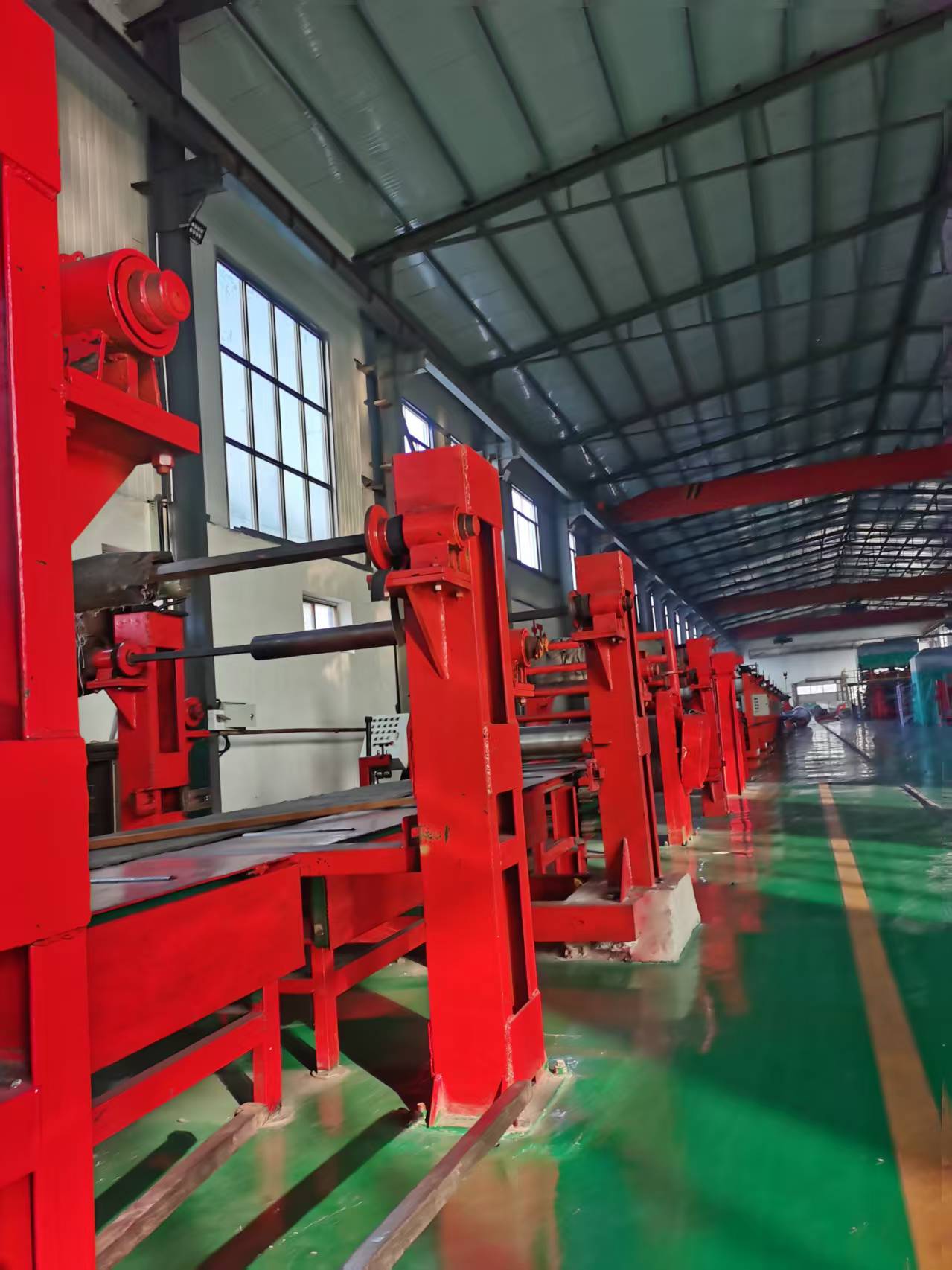
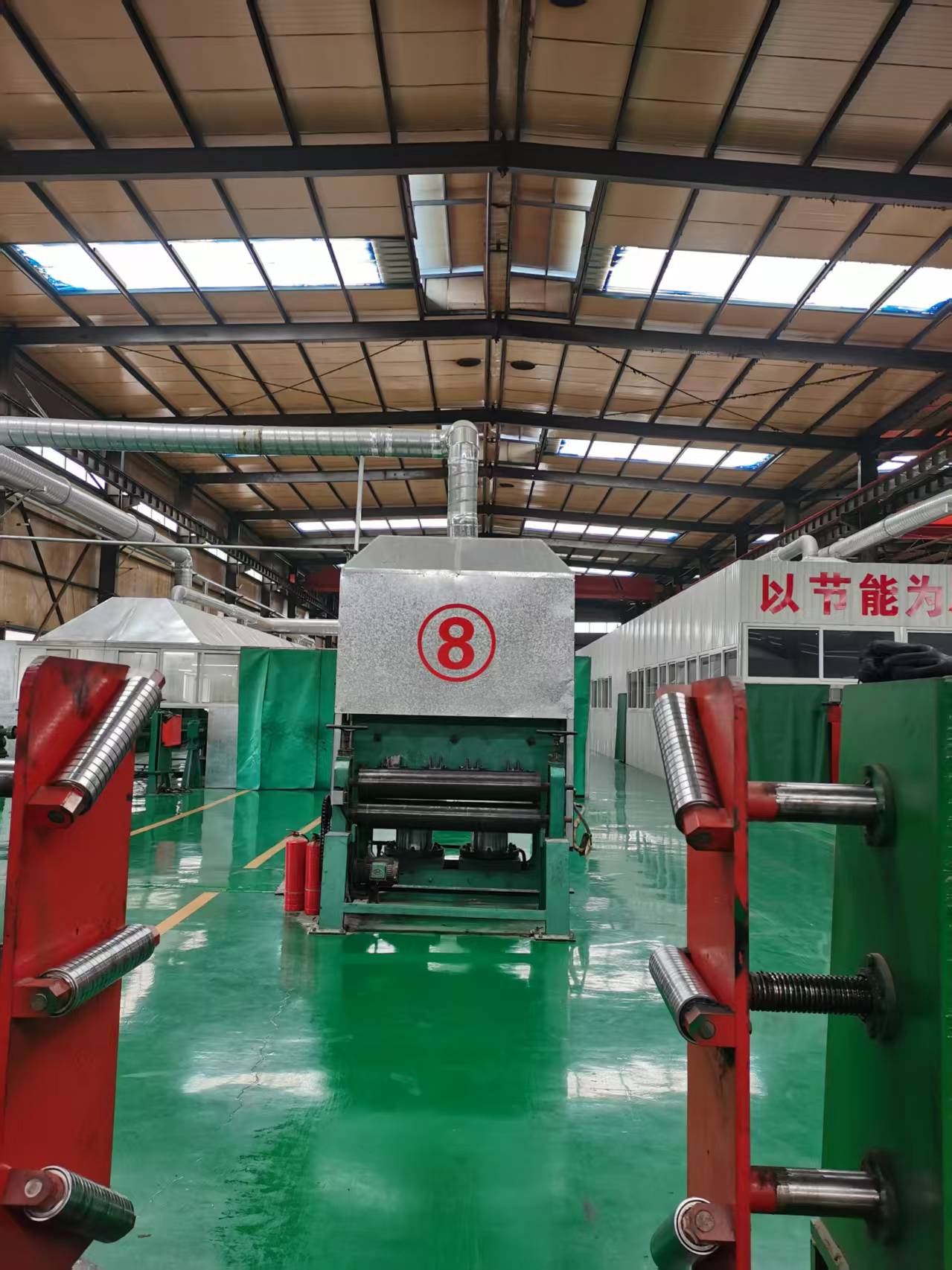
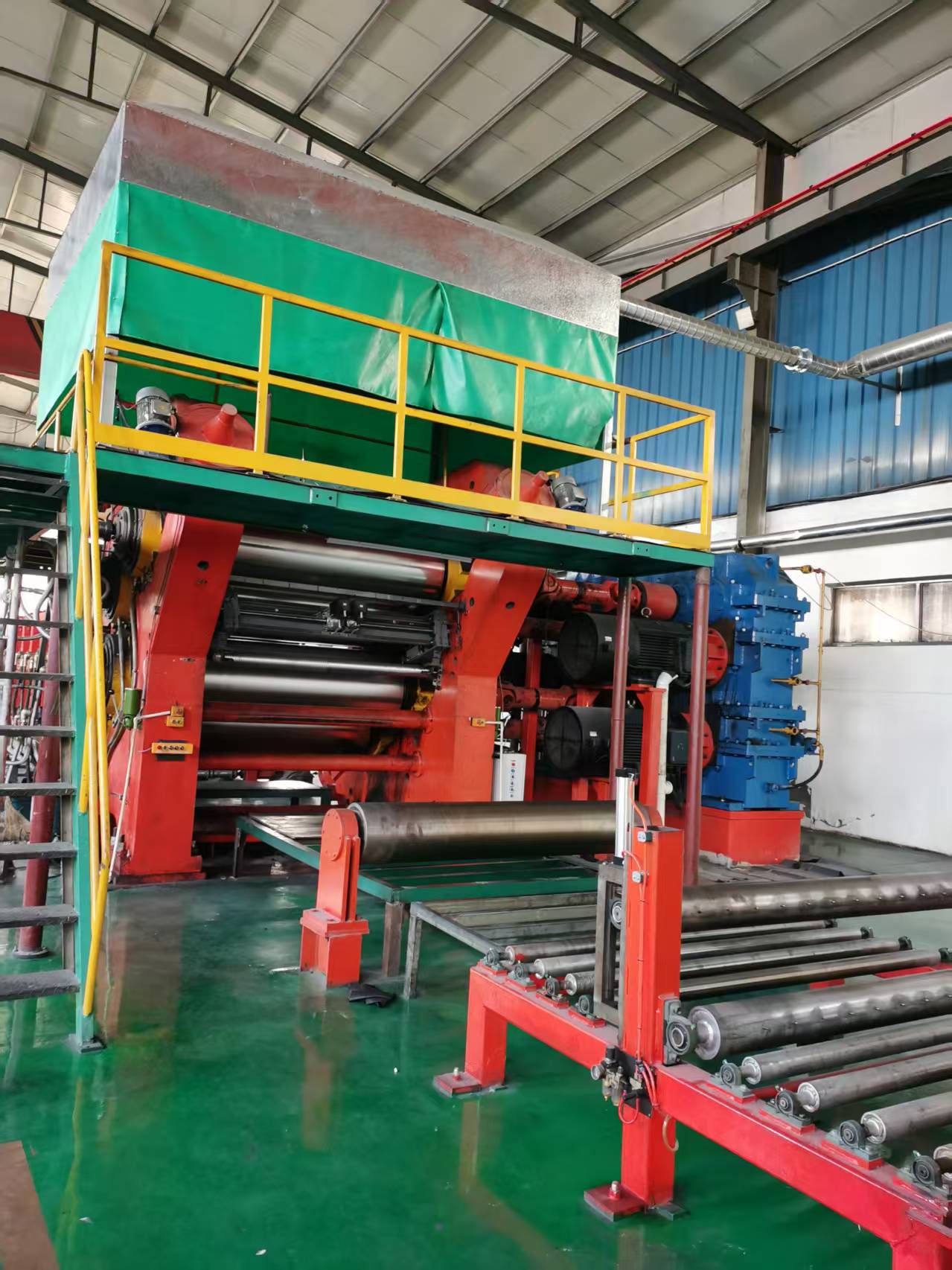
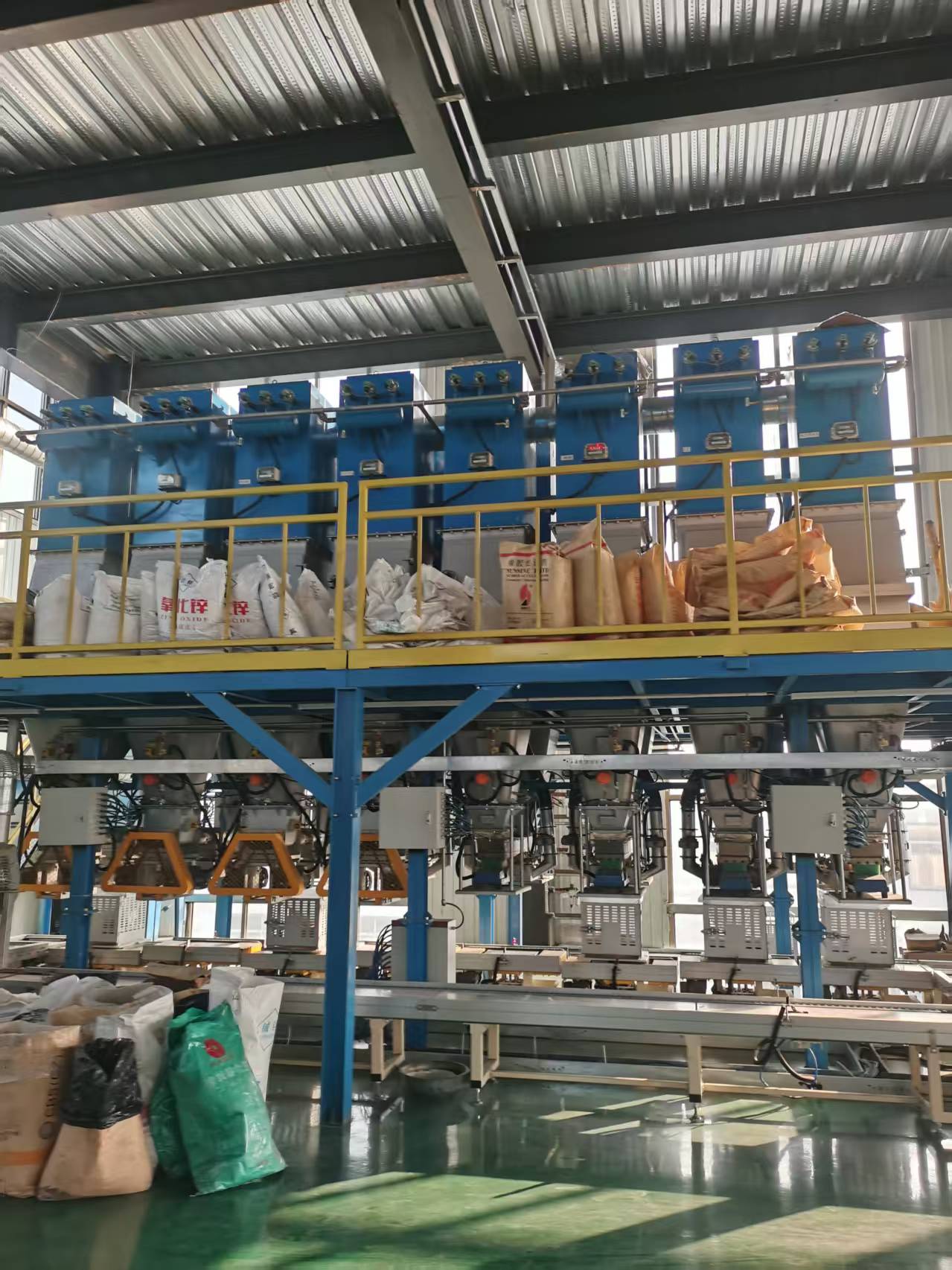
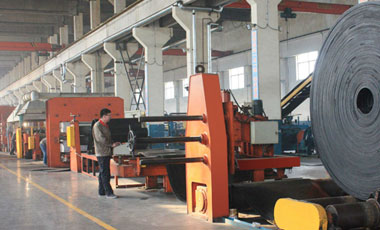
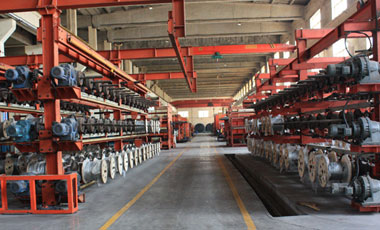
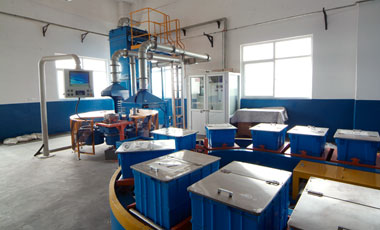
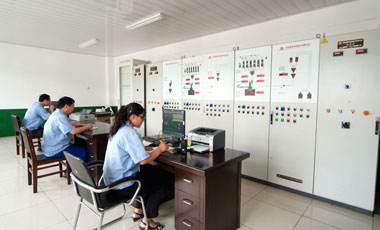
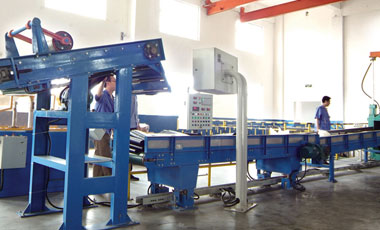
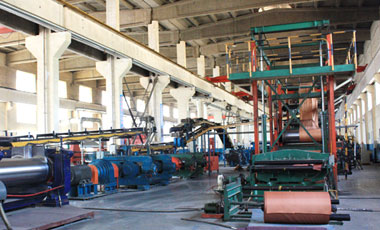
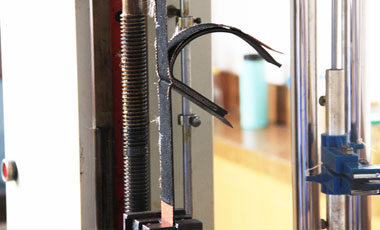
Peeling Test
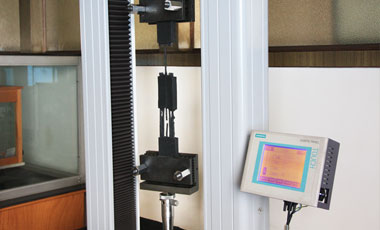
Steel Cord Pull-out Machine
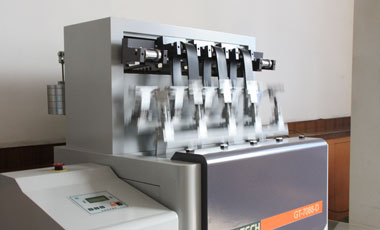
Dynamic Fatigue Tester
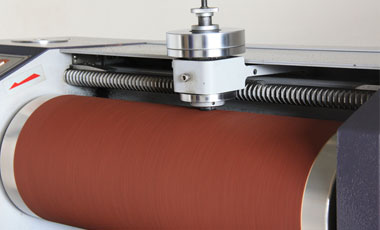
Abrasion Tester
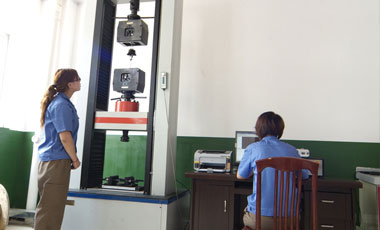
Abrasion Tester
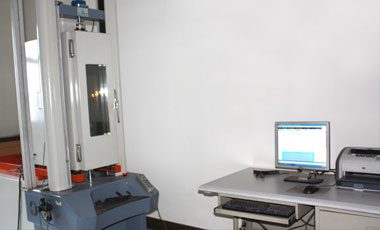
Physical Properties Testing
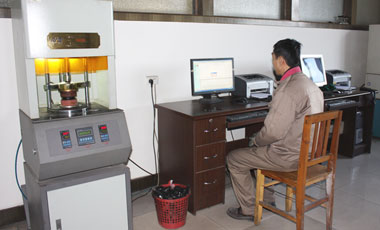
Test
Fire-resistant conveyor idlers represent a critical safety technology for underground mining and tunneling operations, with continuous innovation driving improvements in fire prevention, operational reliability, and maintenance efficiency. The integration of advanced materials, intelligent monitoring systems, and predictive analytics is transforming conveyor safety from reactive emergency response to proactive risk prevention.
As the global mining industry continues expanding underground operations to access deeper ore bodies and longer-life reserves, the demand for sophisticated fire-resistant conveyor technologies will intensify. Manufacturers, mining operators, and safety regulators must collaborate to advance standards, share best practices, and invest in research developing next-generation solutions that protect workers, equipment, and operational continuity in challenging underground environments.
The evolution toward autonomous mining operations and remote-controlled equipment will further elevate the importance of reliable, self-monitoring conveyor systems that operate safely with minimal human intervention. Fire-resistant idlers incorporating artificial intelligence, autonomous suppression capabilities, and self-healing materials will become standard components in the intelligent mines of the future, ensuring safe and efficient material transport in the most demanding underground applications.