+86 18920794106
Leave Your Message
-
Contact WhatsApp
-
 Contact Phone
-
 Contact Email
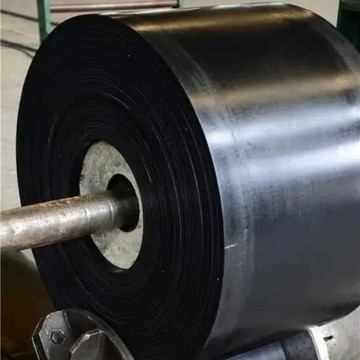
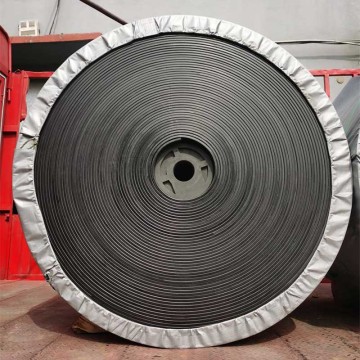
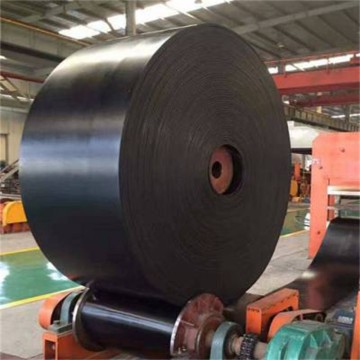
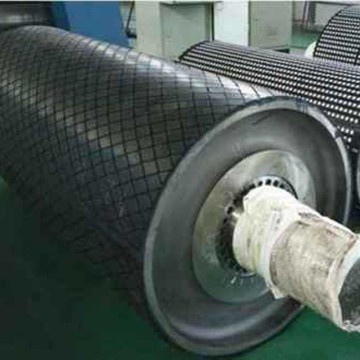
Conveyor drums represent the backbone of material handling systems in mining and coal site operations worldwide. These essential components serve as the driving force behind continuous material transportation, enabling the efficient movement of extracted materials from underground or open-pit mines to processing facilities. In the demanding environment of mining operations, conveyor drums must withstand extreme conditions including heavy loads, abrasive materials, moisture, dust, and temperature fluctuations while maintaining consistent performance and reliability.
The global mining industry has witnessed unprecedented growth in recent years, with conveyor drum technology evolving to meet increasingly complex operational demands. Modern conveyor drums are engineered with precision to handle capacities ranging from hundreds to thousands of tons per hour, operating continuously in some of the world's most challenging environments. The integration of advanced materials, innovative design principles, and smart monitoring technologies has transformed conveyor drums from simple rotating cylinders into sophisticated systems that optimize operational efficiency while minimizing downtime and maintenance costs.
In coal mining specifically, conveyor drums face unique challenges due to the combustible nature of coal dust and the need for explosion-proof equipment. The industry has responded with specialized drum designs incorporating anti-static properties, sealed bearing assemblies, and materials resistant to coal's corrosive properties. These advancements have significantly improved safety standards while enhancing productivity in coal handling operations globally.
Conveyor drums handle over 15 billion tons of mined materials annually worldwide, making them indispensable to global resource extraction and energy production. Their reliability directly impacts operational efficiency, safety standards, and the economic viability of mining projects.
Manufactured from high-grade steel with reinforced welding, conveyor drums for mining applications feature wall thicknesses up to 25mm and can support belt widths exceeding 2400mm, handling loads up to 5000 tons per hour.
Advanced surface treatments including ceramic coating, rubber lagging, and specialized polymers protect against chemical corrosion from minerals, moisture, and acidic materials commonly found in mining environments.
Dynamic balancing to ISO 1940 standards ensures vibration-free operation at speeds up to 400 RPM, reducing bearing wear and extending service life while minimizing energy consumption and noise pollution.
Engineered to operate in extreme temperatures from -40°C to +200°C, with specialized bearing systems and expansion compensation mechanisms maintaining performance across diverse climate conditions.
ATEX and IECEx certified designs for explosive atmospheres, incorporating flame-proof motors, anti-static components, and emergency stop mechanisms meeting international mining safety standards.
Integration with IoT sensors for real-time monitoring of temperature, vibration, load, and wear patterns, enabling predictive maintenance and reducing unplanned downtime by up to 40%.
The global conveyor drum market for mining applications has experienced robust growth, valued at approximately $3.8 billion in 2023 and projected to reach $5.6 billion by 2030, driven by increasing automation in mining operations and the expansion of large-scale mining projects in developing economies. Asia-Pacific dominates the market, accounting for over 45% of global demand, with China, India, and Australia leading in both production and consumption.
Several key trends are reshaping the conveyor drum industry. First, the shift toward sustainable mining practices has accelerated the adoption of energy-efficient drum designs incorporating lightweight composite materials and optimized bearing systems that reduce power consumption by 15-25%. Second, the integration of Industry 4.0 technologies has enabled smart conveyor systems with self-diagnostic capabilities, remote monitoring, and automated adjustment features that optimize performance in real-time.
Third, modular drum designs are gaining popularity, allowing for rapid replacement and maintenance without complete system shutdowns. This approach has proven particularly valuable in continuous mining operations where downtime costs can exceed $100,000 per hour. Fourth, environmental regulations are driving innovation in dust suppression and noise reduction technologies integrated directly into drum assemblies.
In underground coal mines, conveyor drums operate in confined spaces with limited ventilation, handling coal from working faces to shaft bottom bunkers. These drums must be compact yet powerful, often incorporating variable frequency drives for smooth starting under load. The drums are typically equipped with flame-proof enclosures and operate at belt speeds of 2.5-5.0 m/s, moving coal through distances exceeding 5 kilometers horizontally and 1000 meters vertically. Critical considerations include methane gas detection integration, emergency stop systems responsive to gas level changes, and materials that won't generate sparks during operation.
Open-pit operations utilize some of the largest conveyor drum systems in the world, with drive drums exceeding 2 meters in diameter handling belts up to 3000mm wide. These systems transport overburden, ore, and waste materials across distances up to 15 kilometers, climbing elevations of 300+ meters. The drums must withstand extreme temperature variations, UV radiation, and exposure to weather elements while maintaining precise belt tracking. Advanced lagging patterns optimize traction while self-cleaning designs prevent material buildup that could cause belt misalignment or premature wear.
In coal preparation facilities, conveyor drums handle wet, sticky materials containing high moisture content and varying particle sizes. Specialized drums with crowned profiles and herringbone lagging patterns ensure effective water drainage and prevent material accumulation. These systems often operate in closed-loop configurations with multiple transfer points, requiring precise synchronization between drum speeds to prevent spillage and maintain continuous flow. Corrosion-resistant coatings and sealed bearing assemblies are essential due to constant exposure to water and coal fines.
Long-distance overland conveyors connecting mines to processing plants or port facilities employ regenerative drive drums that capture energy during downhill sections, reducing overall power consumption by up to 30%. These systems feature distributed drive arrangements with multiple drum assemblies working in coordination, each equipped with individual motor controls and monitoring systems. The drums must accommodate thermal expansion across kilometer-long belt sections while maintaining consistent tension and tracking through varying terrain and environmental conditions.
Stockyard conveyor systems utilize specialized drum configurations for stacking and reclaiming operations, including tripper drums for mobile discharge and reversible drums for bidirectional material flow. These applications demand rapid acceleration and deceleration capabilities, requiring drums with high-torque motors and advanced braking systems. The drums must handle frequent start-stop cycles and variable loads while maintaining precise positioning for accurate material placement in storage facilities.
From the copper mines of Chile to the coal fields of Australia and the iron ore operations of West Africa, conveyor drums have proven their versatility across diverse geological conditions and operational requirements. Modern installations in Kazakhstan's vast coal reserves and Indonesia's mining sector showcase the technology's adaptability to both extreme cold and tropical humidity.
The future of conveyor drum technology in mining operations is being shaped by several transformative developments. Artificial intelligence and machine learning algorithms are being integrated into drum monitoring systems, enabling predictive failure analysis with accuracy rates exceeding 95%. These systems analyze vibration signatures, temperature patterns, and load variations to predict component failures weeks in advance, allowing for scheduled maintenance during planned downtime periods.
Advanced materials research is yielding composite drum shells that offer strength comparable to steel at 40% less weight, reducing energy consumption and enabling higher belt speeds. Carbon fiber reinforced polymers and ceramic matrix composites are entering field trials in high-wear applications. Simultaneously, additive manufacturing technologies are enabling the production of complex internal drum geometries that optimize cooling and reduce material usage while maintaining structural integrity.
The electrification of mining equipment is driving demand for conveyor systems powered by renewable energy sources. Next-generation drum drives incorporating permanent magnet motors achieve efficiency levels above 96%, while energy storage systems integrated into conveyor networks allow for load balancing and peak shaving. Some advanced installations now feature drums with regenerative capabilities that feed electricity back to the mine grid during braking or downhill operations.
Autonomous mining operations require conveyor systems capable of self-adjustment and fault recovery. Future drum designs will incorporate automated tensioning systems, self-aligning mechanisms, and intelligent load distribution algorithms that optimize performance without human intervention. Digital twin technology allows operators to simulate drum performance under various conditions, optimizing maintenance schedules and predicting system behavior during operational changes.
China Railway Group Mixing Plant

Conch Cement
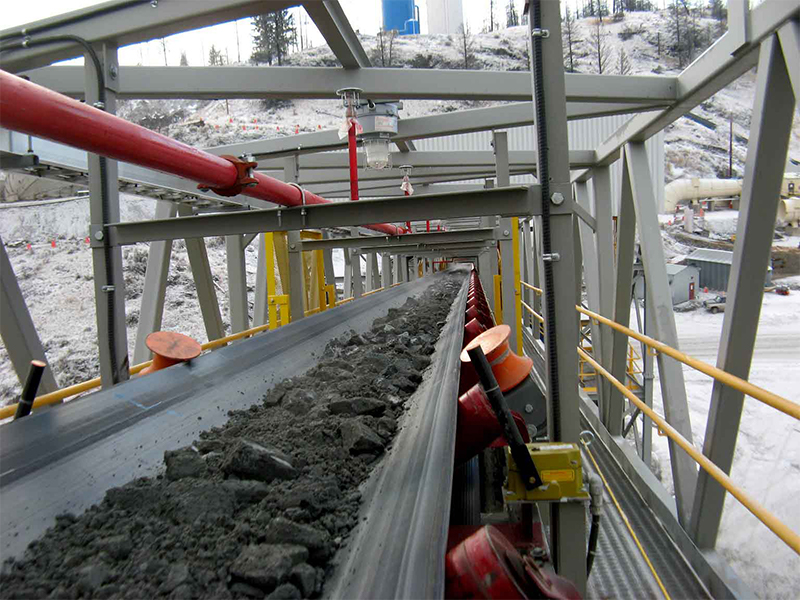
Datong Coal Group
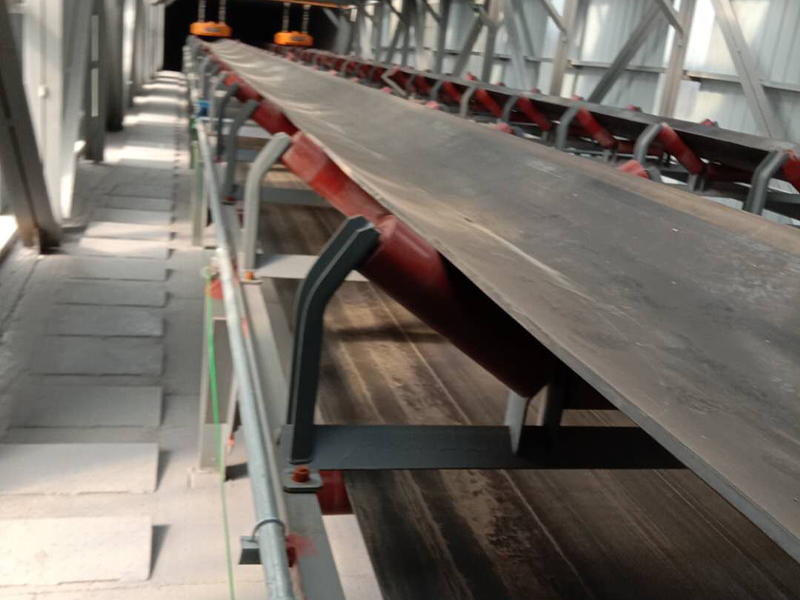
Taihang Steel
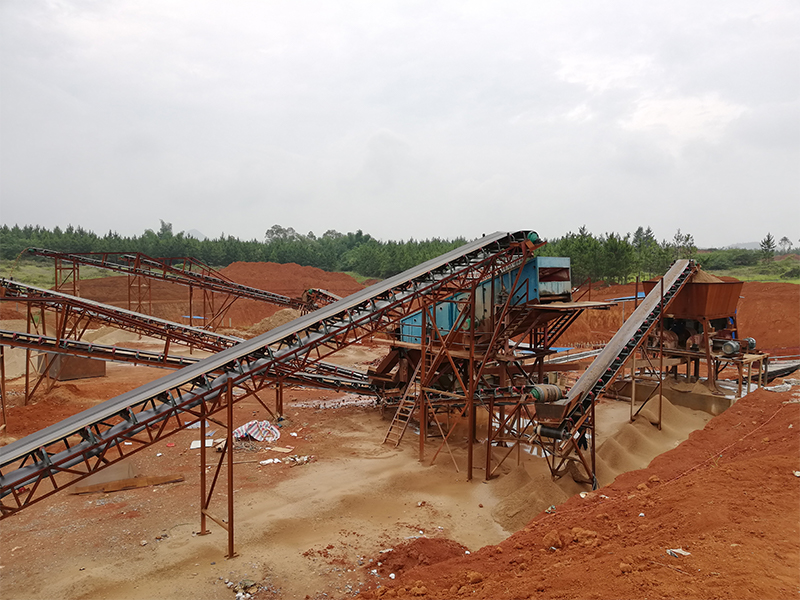
Tsingshan Group
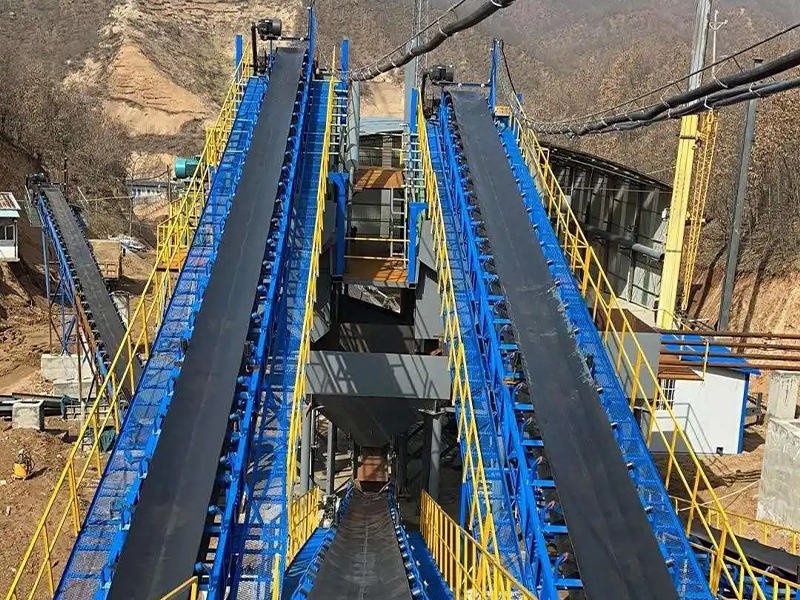
Zijin Mining
Conveyor drums have evolved from simple mechanical components into sophisticated systems integral to modern mining operations. Their continuous development reflects the mining industry's commitment to efficiency, safety, and sustainability. As mining operations push into more challenging environments and face increasing pressure to reduce environmental impact, conveyor drum technology will continue advancing, incorporating smarter materials, more efficient designs, and greater integration with automated mining systems.
The success of any mining operation depends significantly on the reliability and performance of its material handling systems. Investing in high-quality conveyor drums designed specifically for mining and coal site operations delivers measurable returns through increased uptime, reduced maintenance costs, improved safety outcomes, and enhanced operational efficiency. As the industry moves toward increasingly automated and environmentally conscious operations, conveyor drums will remain at the heart of material handling innovation, driving productivity while meeting the evolving demands of sustainable resource extraction.