


 +86 18920794106


0102030405
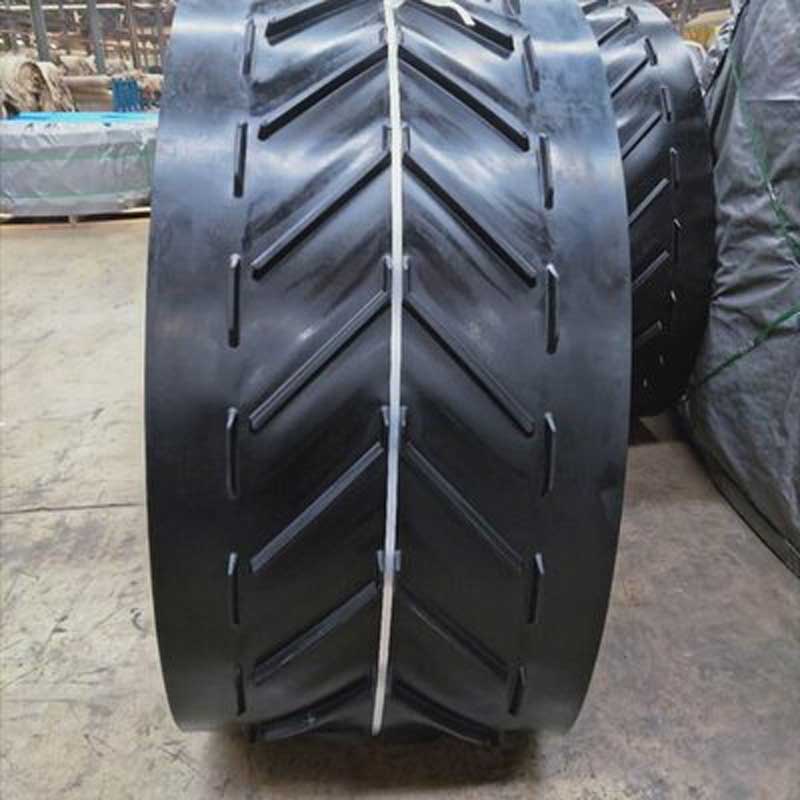
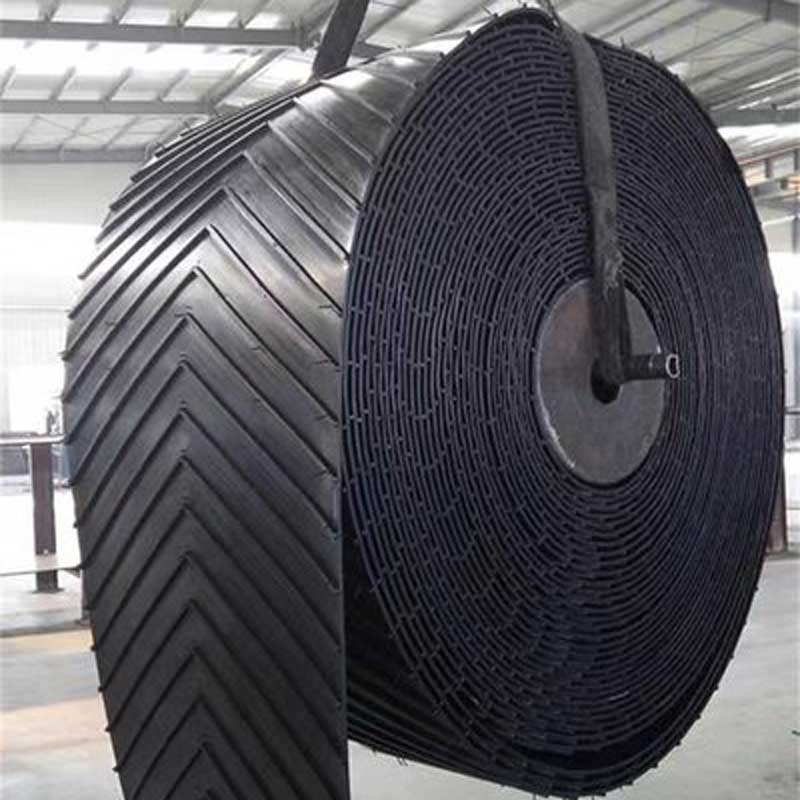
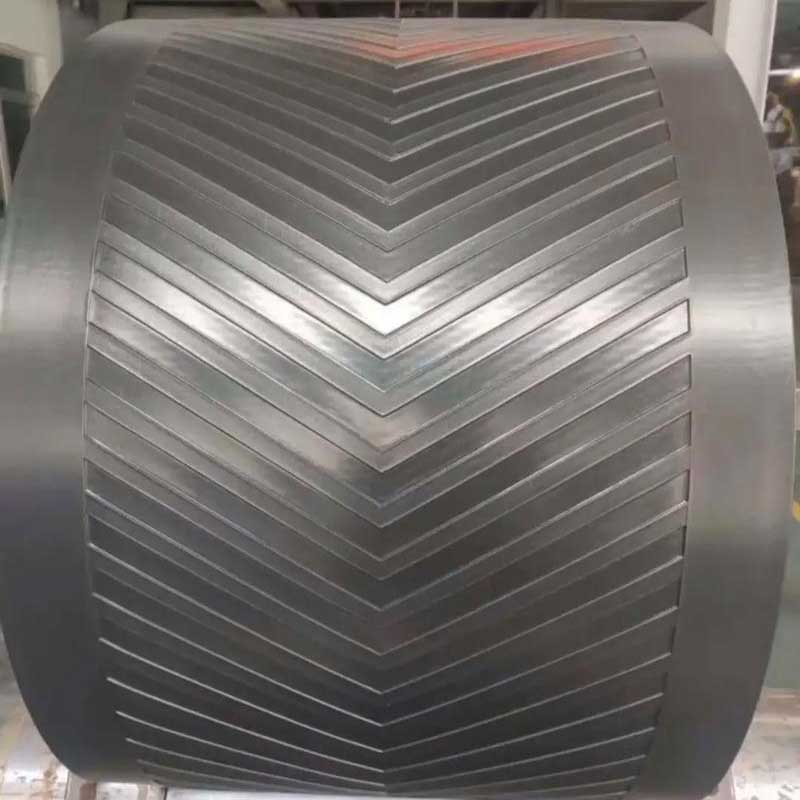
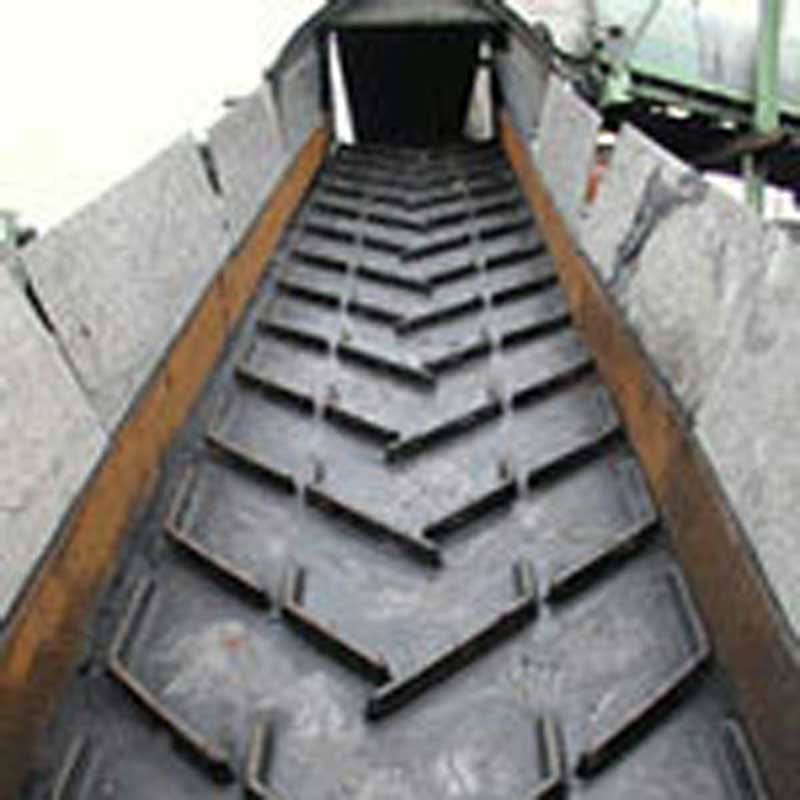
Chevron Conveyor Belt from China Suppliers - High-Quality Factory-Made Patterned Conveyor Belts
Introduction
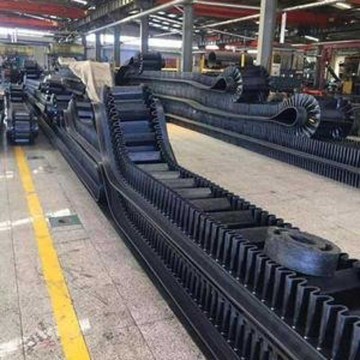
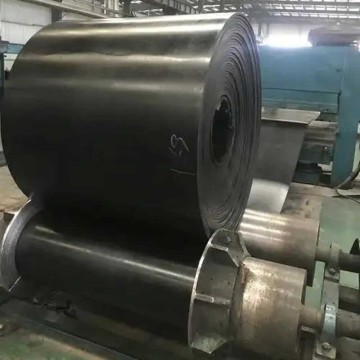
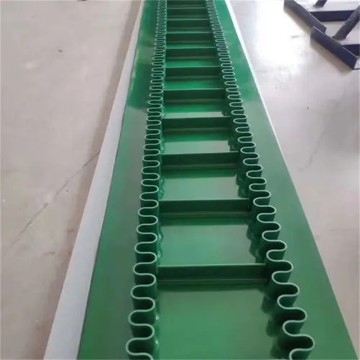
A patterned conveyor belt is an inclined conveyor belt composed of a patterned covering adhesive on the working surface and a flat covering adhesive and belt core on the non working surface.
Pattern Conveyor Belt Features
(1) Core materials
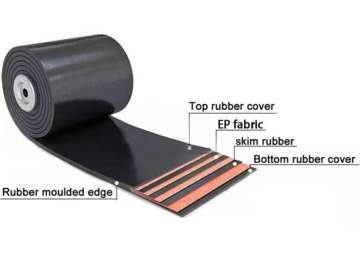
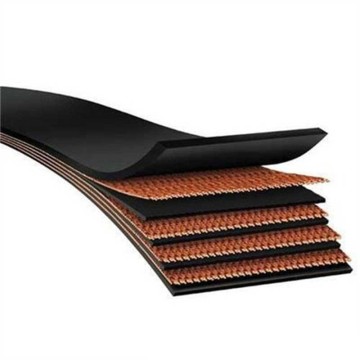
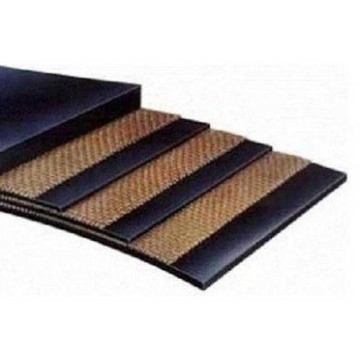
Ordinary cotton canvas (CC), polyester cotton blended canvas (CP), nylon (NN), polyester (EP), etc.
(2) Bandwidth
300 ~ 800mm
(3) Pattern height
5, 10, 15, 20mm.
* Note: Pattern shape can be designed according to user requirements.
* Note: Pattern shape can be designed according to user requirements.
(4) Special Features
Suitable for conveying materials with an inclination angle of 0-40°, preventing material from sliding down.
Commonly Used Patterned Conveyor Belts
Herringbone Pattern
Striped Pattern
Granular Pattern
Fan-Shaped Pattern
Composition and Variety
Compose
The patterned conveyor belt consists of two parts: the base belt and the patterned belt.
Common Varieties
Due to different materials being transported and varying inclination angles, the required pattern shape and height are also different. The commonly used varieties include: herringbone, octagonal, fishbone, U-shaped, cylindrical, pockmarked, etc. Or designed according to user requirements, suitable for patterned conveyor belts for powder, granular, and block materials with an inclination angle of less than 30 degrees.
Maintenance of Patterned Conveyor Belts
- The patterned conveyor belt should be kept clean during transportation and storage, avoiding direct sunlight or rain and snow immersion, and preventing contact with substances such as acids, alkalis, oils, organic solvents, etc. It should also be kept at a distance of one meter from the heating device.
- During storage, the warehouse temperature should be maintained between 18-40 ℃, and the relative humidity should be maintained between 50-80%.
- During storage, the conveyor belt must be placed in rolls and not folded. It should be flipped once every quarter during storage.
- Conveyor belts of different types and specifications should not be used together, and it is best to use adhesive bonding for their joints.
- The type, structure, specifications, and number of layers of the conveyor belt should be selected reasonably according to the usage conditions.
- The running speed of the conveyor belt should generally not exceed 2.5 meters per second. For materials with large block size and high wear, and the use of fixed unloading devices, low speed should be used as much as possible.
- The relationship between the diameter of the transmission drum of the conveyor and the fabric layer of the conveyor belt, the matching of the transmission drum and the reversing drum, and the requirements for the groove angle of the idler should be reasonably selected according to the design regulations of the conveyor.
- The feeding direction should follow the running direction of the conveyor belt. To reduce the impact of material falling on the conveyor belt, a chute should be used to minimize the distance of material falling; The receiving section of the conveyor belt should shorten the distance between the rollers and use buffer rollers to prevent material leakage. The belt should be equipped with a soft and moderate material blocking plate to prevent the blocking plate from being too hard and scratching the surface of the conveyor belt.
Precautions
With the popularization of conveyor belts in industrial production, multiple varieties, high performance, lightweight, multifunctional, and long service life are several aspects that manufacturers are concerned about. In industrial production, the correct use of conveyor belts is particularly important. The following precautions should be taken when using conveyor belts:
- 1 Avoid the roller being covered by material, which may cause ineffective rotation, and prevent material leakage from getting stuck between the drum and the tape. Pay attention to the lubrication of the moving parts of the conveyor belt, but do not oil the conveyor belt;
- 2 Prevent the conveyor belt from starting under load;
- 3 If the conveyor belt deviates, timely measures should be taken to correct it;
- 4 When local damage is found on the conveyor belt, artificial cotton should be used for timely repair to prevent expansion;
- 5 Avoid the conveyor belt from being blocked by the frame, pillars, or block materials to prevent collision, breakage, and tearing.
Frequently Asked Questions (FAQ)
What is the main function of a patterned conveyor belt?
A patterned conveyor belt is designed for inclined conveying. It features a patterned covering adhesive on the working surface which prevents materials from sliding down when conveying at inclination angles of 0-40°.
What materials are typically used for the belt core?
Common core materials include ordinary cotton canvas (CC), polyester cotton blended canvas (CP), nylon (NN), and polyester (EP).
How should patterned conveyor belts be stored to maintain performance?
They should be stored in rolls (not folded) in a clean warehouse maintained at 18-40 ℃ and 50-80% relative humidity. Keep them away from direct sunlight, precipitation, heating devices, acids, alkalis, oils, and organic solvents. They should also be flipped once every quarter during storage.
What is the recommended maximum running speed for these conveyor belts?
The running speed of the conveyor belt should generally not exceed 2.5 meters per second. For high-wear or large block materials, a lower speed should be used as much as possible.
What action should be taken if the conveyor belt deviates or gets damaged?
If deviation occurs, timely measures must be taken to correct it. In case of local surface damage, artificial cotton should be used for immediate repair to prevent the damage from expanding.