+86 18920794106
Leave Your Message
-
Contact WhatsApp
-
 Contact Phone
-
 Contact Email
The United States represents one of the world's most dynamic markets for buffer idlers and conveyor system components. With a robust industrial infrastructure spanning mining operations, manufacturing facilities, distribution centers, and material handling operations across all 50 states, the demand for high-quality buffer idlers continues to grow exponentially. The American market is characterized by stringent quality standards, advanced technological requirements, and a strong emphasis on operational efficiency and workplace safety.
Buffer idlers play a critical role in the American conveyor belt industry, serving as essential components that absorb impact forces at loading points and protect belt integrity throughout material handling operations. From the coal mines of West Virginia and Wyoming to the automotive manufacturing plants in Michigan and the massive distribution centers in Texas and California, buffer idlers are indispensable for maintaining continuous, efficient operations in virtually every industrial sector.
The U.S. conveyor systems market, which includes buffer idlers as a key component, is valued at over $4.5 billion annually and is projected to grow at a compound annual growth rate (CAGR) of 4.8% through 2030. This growth is driven by increasing automation in warehousing, expansion of e-commerce logistics infrastructure, modernization of mining operations, and the ongoing development of advanced manufacturing facilities across the country. Buffer idlers specifically represent a significant segment within this market, with specialized applications in heavy industries requiring customized solutions to meet unique operational challenges.
American manufacturers are increasingly integrating buffer idlers into comprehensive Industry 4.0 ecosystems. Smart buffer idlers equipped with vibration sensors, temperature monitors, and wear detection systems communicate with centralized control systems, enabling predictive maintenance strategies that minimize downtime and optimize operational efficiency. This technological evolution is particularly prominent in advanced manufacturing facilities and modern distribution centers where operational continuity is critical.
The diverse industrial landscape of the United States demands customized buffer idler solutions tailored to specific applications. Manufacturers are developing specialized designs for extreme temperature environments (from the freezing conditions of Alaska to the desert heat of Arizona), corrosive atmospheres in chemical processing plants, and ultra-high-capacity systems for large-scale mining operations. This trend toward customization reflects the sophisticated requirements of American industry and the emphasis on optimizing total cost of ownership rather than simply minimizing initial capital expenditure.
The Northeast, with its concentration of manufacturing facilities, port operations, and distribution centers, represents a significant market for buffer idlers. Major ports in New York, New Jersey, and Massachusetts handle substantial bulk cargo volumes requiring robust conveyor systems. Additionally, the region's food processing industry, particularly in Pennsylvania and New York, demands sanitary-grade buffer idlers that comply with strict regulatory standards.
The Southeast has emerged as a manufacturing powerhouse, with automotive plants, aerospace facilities, and advanced manufacturing operations throughout Georgia, Alabama, South Carolina, and Tennessee. The region's growing logistics infrastructure, serving as a gateway for international trade, requires sophisticated material handling systems. Florida's phosphate mining industry also represents a specialized application requiring corrosion-resistant buffer idlers capable of handling abrasive materials in humid environments.
Often called America's industrial heartland, the Midwest is home to extensive manufacturing operations, agricultural processing facilities, and mining operations. States like Illinois, Indiana, Ohio, and Michigan host automotive plants, steel mills, and heavy equipment manufacturers that depend on reliable buffer idler systems. The region's agricultural sector, processing corn, soybeans, and wheat, requires specialized buffer idlers designed for food-grade applications and high-volume throughput.
Texas, with its vast oil and gas infrastructure, chemical processing plants, and border trade operations, represents a unique market for buffer idlers. The state's massive distribution centers serving e-commerce operations require high-speed conveyor systems with advanced buffer idler technology. Arizona and New Mexico's copper mining operations demand heavy-duty buffer idlers capable of withstanding extreme conditions and handling highly abrasive materials.
The Western states, including California, Nevada, Washington, and Oregon, present diverse applications for buffer idlers. California's ports in Los Angeles and Long Beach are among the busiest in the nation, requiring extensive conveyor systems for container handling and bulk cargo operations. Nevada's gold and silver mining industry demands specialized buffer idlers for underground and surface mining applications. The Pacific Northwest's timber industry and agricultural processing facilities represent additional important market segments.
Wyoming and Montana's coal mining operations represent some of the most demanding applications for buffer idlers in the United States. The massive scale of operations, combined with harsh weather conditions and abrasive materials, requires buffer idlers engineered to the highest standards of durability and performance. Colorado's diverse industrial base, including mining, manufacturing, and logistics operations, further contributes to regional demand.
Buffer idler manufacturers serving the U.S. market must navigate a complex regulatory landscape. MSHA (Mine Safety and Health Administration) regulations govern mining applications, while OSHA (Occupational Safety and Health Administration) standards apply to general industrial operations. Additionally, industry-specific standards from organizations like CEMA (Conveyor Equipment Manufacturers Association) and ISO (International Organization for Standardization) establish performance benchmarks and design criteria that ensure product reliability and worker safety.
Environmental regulations are also increasingly important, with EPA standards influencing manufacturing processes and material selection. The trend toward sustainable manufacturing practices has prompted buffer idler manufacturers to develop eco-friendly production methods, utilize recyclable materials, and minimize environmental impact throughout the product lifecycle.
American industrial customers demand rigorous quality assurance protocols. Buffer idlers destined for the U.S. market typically undergo extensive testing including load capacity verification, impact resistance evaluation, temperature cycling, corrosion resistance assessment, and long-term durability testing. Third-party certification and compliance with recognized standards provide additional assurance of product quality and performance.
The future of the buffer idler industry in the United States is characterized by several compelling trends and opportunities. The continued expansion of e-commerce is driving unprecedented investment in logistics infrastructure, with new fulfillment centers and distribution facilities requiring advanced conveyor systems. The reshoring of manufacturing operations, accelerated by supply chain disruptions and geopolitical considerations, is creating demand for domestic production capacity and supporting equipment.
Infrastructure modernization initiatives, including upgrades to port facilities and mining operations, represent significant opportunities for buffer idler suppliers. The transition to renewable energy sources is creating new applications in biomass handling and solar panel manufacturing, while traditional industries continue to upgrade aging equipment with modern, more efficient systems.
Artificial intelligence and machine learning are beginning to influence buffer idler design and application. Predictive algorithms can optimize idler placement, anticipate maintenance needs, and recommend design modifications based on operational data. Advanced simulation tools enable engineers to model conveyor system performance and optimize buffer idler specifications before physical installation, reducing costs and improving outcomes.
Corporate sustainability commitments are driving demand for eco-friendly buffer idler solutions. Manufacturers are responding with products featuring recycled materials, extended service life to reduce replacement frequency, and energy-efficient designs that minimize power consumption in motorized applications. Life cycle assessment tools help customers evaluate the total environmental impact of buffer idler systems and make informed purchasing decisions aligned with sustainability goals.
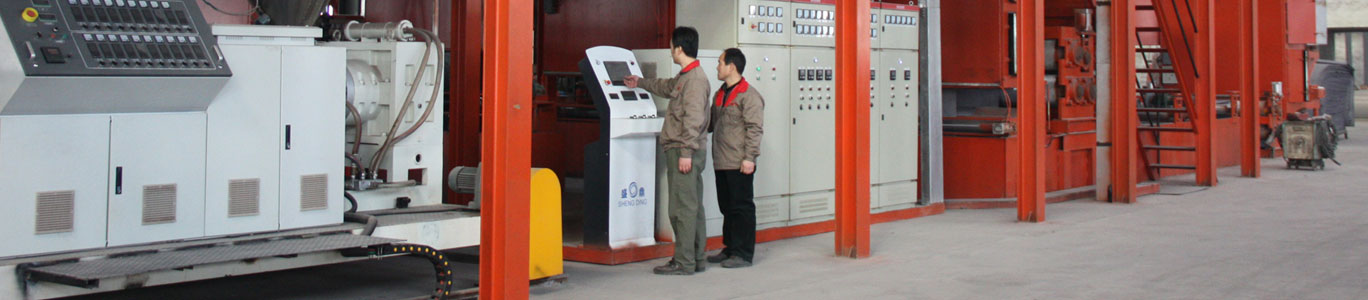
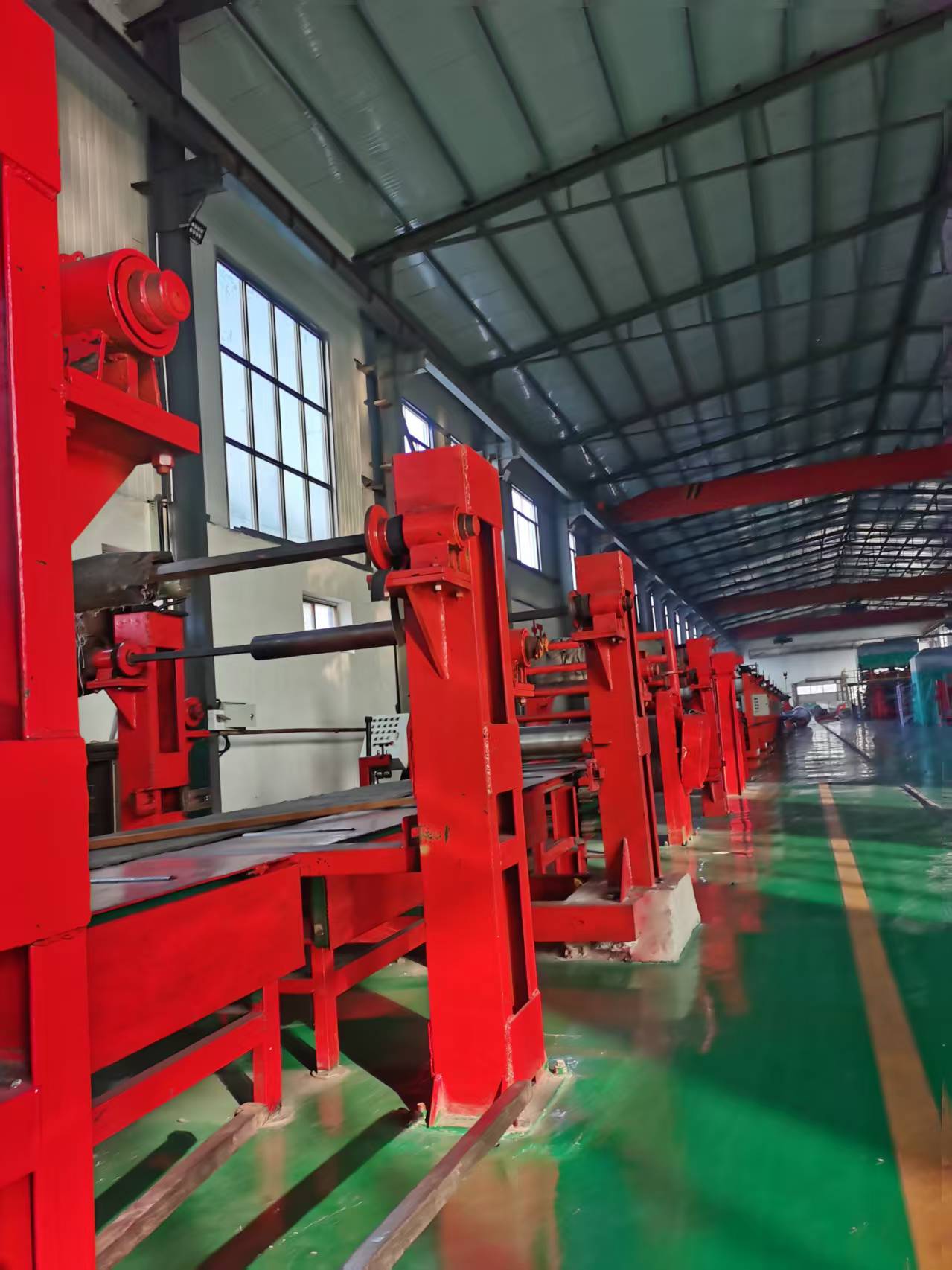
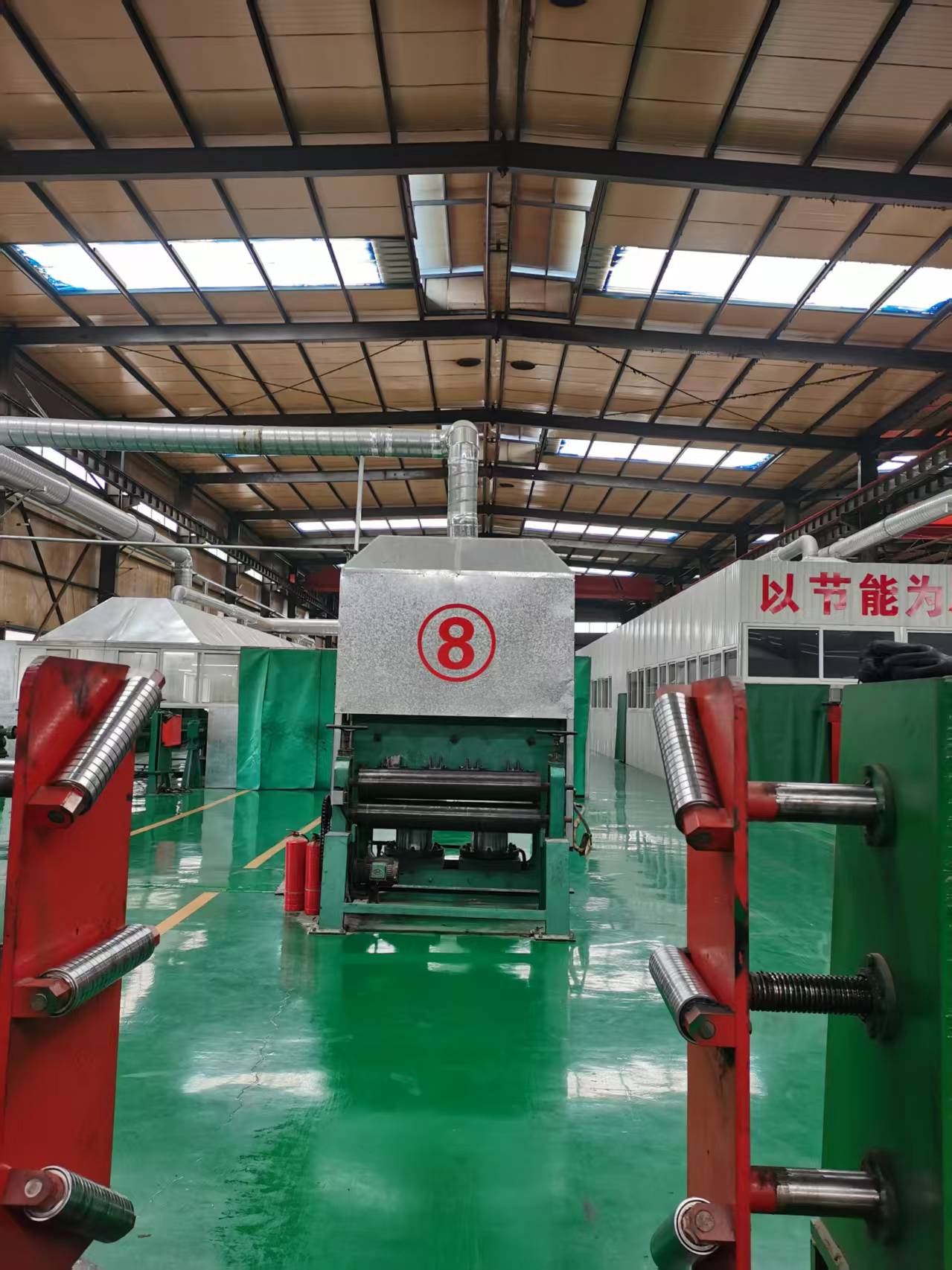
Success in the competitive U.S. buffer idler market requires more than simply offering quality products. Leading suppliers differentiate themselves through comprehensive technical support, rapid response to customer inquiries, extensive inventory of standard and specialized components, and the ability to develop custom solutions for unique applications. Strong partnerships with distributors, engineering firms, and end users ensure that buffer idler systems are properly specified, installed, and maintained throughout their service life.
As American industry continues to evolve, buffer idler manufacturers must remain agile, responsive to changing customer needs, and committed to continuous improvement. Investment in research and development, adoption of advanced manufacturing technologies, and focus on sustainability will distinguish market leaders from competitors. The companies that successfully navigate this dynamic landscape will be those that view buffer idlers not simply as commodity components, but as critical elements of integrated material handling systems that drive productivity, efficiency, and profitability for their customers.
The United States market for buffer idlers represents a compelling opportunity characterized by substantial scale, technological sophistication, and ongoing growth across multiple industrial sectors. By understanding regional variations, regulatory requirements, technological trends, and customer expectations, buffer idler manufacturers can position themselves for long-term success in this vital and dynamic market.