Lately, global buyers are taking a closer look at conveyor performance as automation keeps spreading across industries like packaging, food processing, logistics, and light manufacturing. According to Grand View Research, the worldwide conveyor belt market was worth around $4.52 billion in 2023, and it’s expected to keep growing through 2030. Meanwhile, MarketsandMarkets predicts strong growth for the broader conveyor systems sector, primarily driven by warehouse automation and the boom in e-commerce fulfillment. Now, these reports aren’t specifically about Pu Light-Duty Conveyor Belts, but they definitely highlight why choosing the right, reliable belt is more important than ever.
When it comes to Light Duty Conveyor Belts, it’s all about striking a balance. You want something flexible, with good grip, easy to clean, not too noisy, and still affordable to operate. Polyurethane belts tend to be the go-to because they offer smooth surfaces, stay on track well, and resist oils and some abrasions. In an actual packaging setup, a belt might be moving cartons every few seconds over tiny pulleys — so those small design details really matter! Things like belt thickness, tensile strength, surface texture, how the joint is made, and pulley size can all impact how long the belt lasts. From what suppliers like Habasit, Ammeraal Beltech, and Forbo have shown, matching the belt to your specific application is way more important than just hunting for the cheapest option at first. Spending a little more upfront can save you headaches later if a cheaper belt keeps slipping or tracking issues happen.
That said, nothing beats checking out a site in person. Temperature, what you’re moving, cleaning chemicals, how many hours the system runs each day — all these factors can really affect what belt works best. It’s a good idea to ask for technical datasheets, food-contact certifications if that’s relevant, and traceability records to ensure quality. This guide is meant to help global buyers compare the top Pu Light-Duty Conveyor Belts, but let’s be honest — not all supplier claims are created equal. Making smart decisions means verifying specs, doing some practical testing, and being honest about your actual operating conditions. After all, trust but verify, right?

Light-Duty Conveyor Belts are compact conveying components made with polyurethane, often called PU. They move small or medium products across short production lines. A PU belt usually combines a durable polyurethane surface with fabric reinforcement inside. This structure gives the belt flexibility without making it feel weak. It can handle cartons, packaged foods, plastic parts, and lightweight electronic components. The surface is smooth, so dust and small spills are easier to remove. Some PU grades also resist oil, abrasion, and repeated bending. Performance still depends on the exact formulation and working conditions.
In practical inspections, I look at belt width, thickness, pulley diameter, tension, and product weight together. A belt may appear suitable but slip on a polished drive pulley. That detail is easy to miss. PU belts are often chosen where clean handling and quiet movement matter. They can operate around curves or transfer points when the construction supports it. Temperature, moisture, cleaning chemicals, and installation accuracy also affect service life. Food or pharmaceutical use requires verified material documentation and suitable compliance testing. Not every PU belt fits every conveyor. A narrow belt may stretch under poor tension, while excessive tension can damage bearings and belt joints. Cutting and sealing quality matter too. Small installation errors become visible as edge wear.
Pu Light-Duty Conveyor Belts are designed around the product, speed, load, and working environment. A belt carrying small cartons needs different flexibility from one moving bakery trays. Engineers select thermoplastic polyurethane for its smooth surface, wear resistance, and easy cleaning. The belt’s hardness must balance grip and release. Too soft, and the surface may stretch. Too hard, and delicate products can slip.
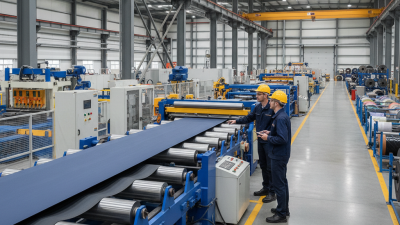
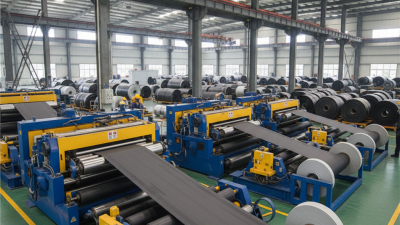
Manufacturing starts with precise material preparation. Reinforcement fabric, often polyester or polyamide, is aligned inside the polyurethane layer. This structure controls elongation and improves tracking. Heat and pressure then form the belt into a stable sheet. Slitting equipment cuts the sheet to the required width. Edges must remain even, because a rough edge can disturb narrow conveyors.
Splicing is a practical test of workmanship. Technicians use controlled heat to join the belt ends, creating a continuous loop. They check joint strength, thickness, surface marks, and dimensional accuracy. A clean splice matters near small rollers. It reduces vibration and protects transported goods. Some designs include profiles, perforations, or guide strips for special applications. These features add value, but they also add inspection points. A minor alignment error may appear harmless during production, yet cause tracking problems after installation. For global buyers, clear drawings, measured samples, and documented testing are more reliable than attractive specifications alone.
| Design or Manufacturing Dimension | Typical PU Light-Duty Specification | Why It Matters | Common Buyer Selection Consideration |
|---|---|---|---|
| Belt Material | Thermoplastic polyurethane (TPU) cover with polyester or aramid reinforcement, depending on the application | TPU provides flexibility, abrasion resistance and weldability, while the reinforcement controls elongation and tensile behavior | Confirm the cover formulation, reinforcement type and intended load before ordering |
| Common Belt Thickness | Approximately 0.9–3.0 mm for many light-duty conveying applications | Thinner belts reduce bending resistance and pulley diameter requirements; thicker belts generally provide greater wear resistance | Match thickness with product weight, conveyor length, knife-edge requirements and pulley diameter |
| Belt Width | Produced to order; commonly supplied in widths from about 100 mm to more than 2,000 mm | The usable conveying area must support the product while maintaining adequate edge clearance | Specify finished width, tolerance, edge finish and whether the belt will be supplied open-ended or endless |
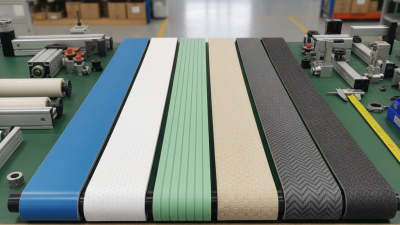
| Surface Pattern | Smooth, matte, rough-top, embossed, cleated or profiled surfaces | Surface geometry influences product grip, release behavior, cleanability and conveying angle | Use smooth surfaces for easy cleaning and rough or profiled surfaces where additional traction is required |
| Hardness | Often selected within approximately 80–95 Shore A for general TPU conveyor belt covers | Hardness affects flexibility, wear resistance, grip and resistance to indentation | Choose a softer cover for conformability and grip; choose a harder cover for abrasion resistance and dimensional stability |
| Temperature Range | A typical general-purpose TPU belt may operate approximately from −20°C to +80°C; the exact range depends on the TPU grade | Temperature changes can affect flexibility, tensile properties, tracking and service life | Evaluate the lowest start-up temperature, continuous operating temperature and any short-term heat exposure |
| Food-Contact Suitability | Available in formulations designed for food-processing applications, subject to applicable regulatory documentation | Food-contact compliance depends on the complete belt construction, additives, coatings, processing conditions and destination market | Request a current declaration of compliance for the target market rather than relying only on the material name |
| Chemical and Oil Resistance | Generally good resistance to many oils, greases and cleaning agents, but performance varies by chemical and concentration | Chemical exposure may cause swelling, softening, cracking or loss of adhesion | Provide the chemical name, concentration, contact time and operating temperature for compatibility review |
| Minimum Pulley Diameter | Commonly around 20–80 mm for light-duty belts, depending on thickness, reinforcement and belt construction | A pulley that is too small can increase flex fatigue, edge stress and splice wear | Calculate the pulley diameter from the actual belt construction, not from belt material alone |
| Joining Method | Thermal butt welding, finger splice, mechanical fastener or prepared endless construction | The joint affects belt strength, flexibility, cleanability and installation time | Use a hygienic welded splice where cleanability is critical; verify splice compatibility with the conveyor design |
| Manufacturing Process | Reinforcement preparation, TPU extrusion or calendaring, lamination, surface embossing, cooling, slitting and finishing | Controlled temperature, tension and layer bonding help achieve consistent thickness and dimensional stability | Ask for process controls covering thickness, width, surface appearance, bonding and splice quality |
| Tensile and Elongation Behavior | Low-stretch polyester-reinforced constructions are commonly used for accurate, stable product transport | Lower elongation supports tracking, positioning and reduced re-tensioning during operation | Review tensile strength and elongation values using the same test method and belt-width basis |
| Tracking and Edge Design | Plain edges, sealed edges, guide profiles or V-guides can be specified according to conveyor layout | Correct tracking reduces edge damage, belt wandering and contact with conveyor frames | Check pulley crown, guide arrangement, belt tension and frame alignment as part of the full system design |
| Typical Applications | Packaging, parcel handling, bakery lines, food processing, pharmaceuticals, electronics and general material handling | Different industries impose different requirements for hygiene, grip, static control, chemical resistance and cleanability | Select the belt by application conditions rather than by price or surface appearance alone |
| Quality-Control Checks | Width, thickness, hardness, surface finish, belt length, splice geometry, tensile behavior and visual defects | Documented inspection reduces variation between production batches and helps confirm installation readiness | Request inspection records, dimensional tolerances and a sample approval process for repeat orders |
Note: Specifications are typical reference ranges for light-duty TPU conveyor belts. Final values should be confirmed against the selected belt construction, operating conditions and applicable regional standards.
Top PU Light Duty Conveyor Belts for Global Buyers
Polyurethane light-duty conveyor belts combine flexibility, cleanability, and steady traction. Their smooth surface helps move packaged foods, parcels, and small components with fewer contact marks. PU also resists many oils and common cleaning agents, but chemical compatibility must be checked before installation. A belt that looks suitable may still soften under repeated exposure.
Material hardness affects grip and release. Softer PU can handle delicate products, while harder grades usually support sharper tracking and higher wear resistance. The belt’s tensile fabric matters too. Polyester reinforcement limits stretch, helping maintain stable tracking over longer conveyors. Edge quality, splice strength, and pulley diameter deserve equal attention. Small details matter.
Tips: Ask for test data, not broad claims. Check hardness, friction, temperature range, and allowable tension. Compare these values with your actual load and cleaning routine. For Pvc Light-Duty Conveyor Belts, review plasticizer behavior and surface wear separately, especially in warm work areas. Keep a spare belt length available. Downtime costs more than expected.
In real production, dust and uneven loading can change performance quickly. A belt may run quietly during a short trial, then wander after several shifts. That is why a documented trial under full operating conditions remains valuable. Selection is not always perfect. Rechecking assumptions can prevent an expensive replacement.
PU light duty conveyor belts support clean, controlled material movement across many global industries. In my experience, their smooth surfaces perform well where hygiene and gentle handling matter. Food processors use them for bread, vegetables, confectionery, and packaged meals. Clean surfaces matter. PU belts resist common oils, moisture, and moderate abrasion, but their performance depends on correct tension and cleaning methods.
Packaging facilities use these belts to move cartons, pouches, labels, and small containers between machines. Their stable tracking helps workers maintain steady production without damaging light products. In electronics assembly, PU belts carry components across inspection and testing stations. Logistics centers also use them for parcels, sorting lines, and short transfer sections. Agricultural packhouses apply them to washed produce, although wet conditions may require special belt structures and stronger drainage.
Pharmaceutical and personal care manufacturers often select PU belts for controlled conveying and easy visual inspection. Food-contact requirements vary by country, so buyers should confirm material documentation before installation. Temperature, belt width, pulley diameter, load weight, and cleaning chemicals all influence service life. I have seen belts fail early because buyers focused only on price. That choice can be costly. A quieter belt may still need better alignment, and a hygienic design may not suit every product shape. Site trials remain useful, especially when dust, water, or frequent sanitation creates uncertain operating conditions.
Selecting the right Light Duty Conveyor belt starts with the application, not the catalogue photo. Grand View Research valued the global conveyor belt market at about USD 5.48 billion in 2023, with projected growth through 2030. That expansion increases supplier choice, but also increases selection errors. Measure product weight, belt speed, pulley diameter, and daily running hours. A thin PU belt may suit cartons, yet stretch under repeated acceleration.
Check the working environment carefully. Thermoplastic polyurethane usually offers strong resistance to oils, grease, abrasion, and moisture. Surface texture matters. A smooth belt releases sticky products, while a profiled surface improves grip on inclined conveyors. For food handling, verify documented compliance for the destination market. The FDA Food Code 2022 describes food-contact surfaces as smooth, durable, and easily cleanable. ISO 14890:2013 also provides useful requirements for conveyor belt construction and performance.
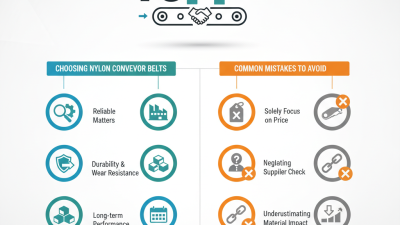
Do not select hardness by habit. A very hard surface can mark delicate packages; a soft surface may wear quickly under sharp edges. Ask for test data covering tensile strength, elongation, temperature range, and splice performance. I have seen belts fail because engineers ignored the smallest pulley. It is an easy mistake. Recheck the return rollers, cleaning method, and belt tracking before purchase. A supplier’s technical sheet is helpful, but actual trial testing remains more reliable.
How to Select the Right PU Conveyor Belt
The scores use a typical 1–5 engineering reference scale for common thermoplastic polyurethane belt profiles. Soft TPU generally offers higher flexibility, while harder TPU grades typically provide stronger abrasion and oil resistance. Always confirm temperature limits, food-contact compliance, splice method, and load capacity against the supplier’s technical datasheet.
Top PU Light Duty Conveyor Belts for Global Buyers
Installing a PU light duty conveyor belt requires more than fitting it over two pulleys. Confirm the belt width, pulley diameter, and operating direction before installation. The conveyor frame must be level, or tracking problems may appear within hours. Set moderate tension. Excessive tension can stretch the belt and overload bearings. After installation, run the conveyor slowly and watch both edges. A small misalignment is easier to correct early.
Maintenance should follow actual working conditions, not only a fixed calendar. Inspect the belt surface for cuts, loose edges, oil stains, and unusual gloss. Remove trapped particles near pulleys and scrapers. Use approved cleaning methods for the belt material and product environment. Harsh chemicals may weaken the surface. Keep a simple inspection record with dates, findings, and adjustments. In practice, teams sometimes overlook pulley wear while focusing on the belt. That mistake can shorten belt life.
Tips
Lock out and isolate power before cleaning or adjustment. Never reach beneath a moving belt. Install guards around nip points and rotating parts. Check emergency stops during planned inspections. Train operators to report slipping, noise, and sudden tracking changes. Keep hands clear. A belt that looks clean may still hide internal damage. Replace damaged components promptly, even when production pressure is high. Safety decisions should not depend on guesswork or rushed judgment.
Engineers consider the product, speed, load, and working environment. Small cartons may need a flexible surface. Bakery trays may require different support. The belt hardness must balance grip and release. Too soft can stretch. Too hard can let delicate products slip.
A reinforcement fabric is placed inside the polyurethane layer. Polyester or polyamide can control elongation and improve tracking. Heat and pressure form the materials into a stable sheet. Alignment must be precise. Small errors can matter later.
Slitting equipment cuts the formed sheet into specific widths. The edges should remain straight and even. Rough edges may disturb narrow conveyors. This detail looks minor. It is not always minor.
Technicians use controlled heat to join both belt ends. They inspect joint strength, thickness, surface marks, and dimensions. A clean splice reduces vibration near small rollers. It also helps protect transported goods. Poor workmanship may appear only after installation.
Some belts include profiles, perforations, or guide strips. These features support special conveying needs. They also create more inspection points. A slight alignment error may later cause tracking problems. Attractive specifications are not enough.
Confirm the belt width, pulley diameter, and operating direction. Check that the conveyor frame is level. Set moderate tension during installation. Excessive tension may stretch the belt and overload bearings. Run the conveyor slowly at first.
Inspect the surface for cuts, loose edges, oil stains, and unusual gloss. Remove particles near pulleys and scrapers. Use cleaning methods suitable for the material and product environment. Keep dated inspection records. Teams sometimes inspect the belt but overlook pulley wear.
Lock out and isolate power before any work. Never reach beneath a moving belt. Keep hands away from nip points and rotating parts. Check emergency stops during planned inspections. Report slipping, noise, and sudden tracking changes immediately. A clean belt may still hide internal damage.
PU Light-Duty Conveyor Belts are engineered for efficient, reliable material handling in applications that require smooth transport, flexibility, and clean operation. Their polyurethane surface is combined with suitable reinforcement layers to provide balanced strength, abrasion resistance, oil tolerance, and stable performance. The manufacturing process typically includes material selection, belt forming, surface treatment, cutting, joining, and quality inspection to ensure consistent dimensions and dependable operation.
These belts are widely used in food processing, packaging, logistics, electronics, pharmaceuticals, and other industries handling light to medium loads. Selecting the right belt requires consideration of load capacity, belt width, speed, temperature, surface pattern, product characteristics, and cleaning requirements. Proper installation is equally important, including accurate alignment, suitable tension, and secure joining. Regular cleaning, inspection, and timely replacement of worn components can extend service life, reduce downtime, and improve workplace safety. With the correct design and maintenance plan, Pu Light-Duty Conveyor Belts offer a practical solution for global material-handling needs.