Leave Your Message
0%

Picking the right Patterned Conveyor Belts supplier isn’t just about comparing prices or looking at surface patterns. Sure, a belt might look perfect in a product photo, but that doesn’t mean it’ll hold up when it’s wet, hit sharp edges, or run continuously up a slope. Seasoned buyers pay attention to things like how deep the pattern is, the quality of the cover, tensile strength, how well the splices hold, and whether it tracks properly. It’s all in the little details, really.

Dr. David J. Alspaugh, a conveyor system expert, always says, “You’ve got to pick a belt based on the material, the environment, and the whole conveying setup.” That’s a good rule of thumb that guides this rundown of top manufacturers and suppliers. They serve all kinds of industries—like aggregate plants, recycling centers, food processing lines, warehouses, and bulk-material handling. You’ll find options like diamond, chevron, raised-rib, and cleated patterns, and some companies even offer custom profiles for steep inclines or more precise product control.

But hey, the real test is how they perform in real life. Usually, a good supplier will be willing to explain things like abrasion resistance, temperature limits, oil compatibility, belt sizes, and how much maintenance is needed. They should also provide clear technical info and be responsive if you have questions after the sale. Of course, no manufacturer’s perfect. A belt made for dry materials might struggle with oily stuff, and a deep pattern can give better grip but make cleaning a pain. These kinds of trade-offs are worth honest discussion.

This guide takes a look at some of the leading Patterned Conveyor Belts brands and suppliers, using practical factors for selection. Things like product variety, customization options, material quality, customer service, delivery times, and how well they understand specific applications. Keep in mind, working conditions vary a lot, so it’s smart to have an engineer double-check specs before placing an order. Taking your time to choose wisely can help cut down on slippage, product loss, early wear, and unexpected downtime.
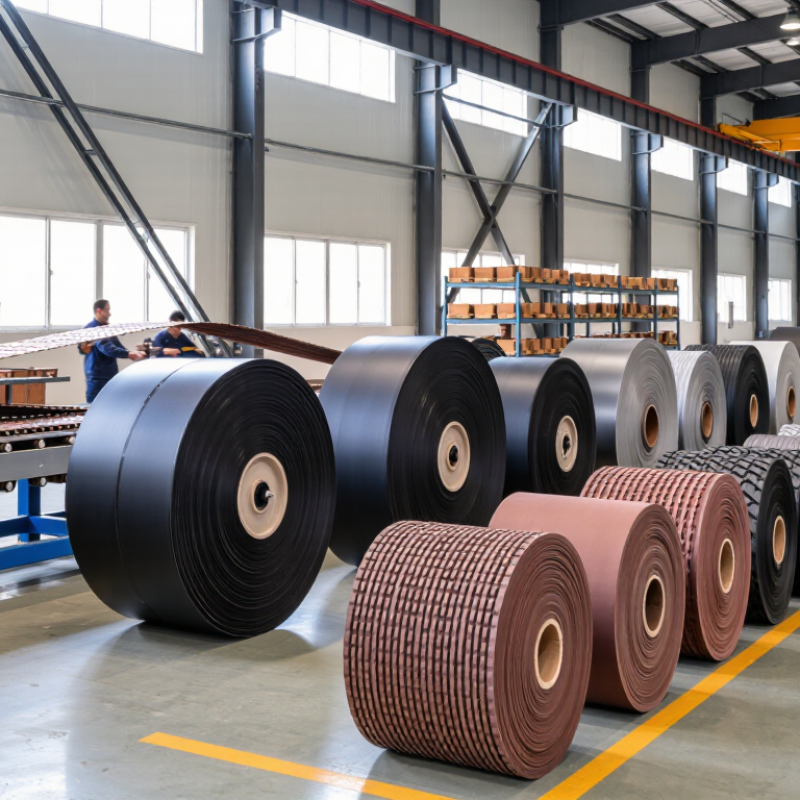
Top Patterned Conveyor Belts Manufacturers and Suppliers

What Are Patterned Conveyor Belts?

What Are Patterned Conveyor Belts?

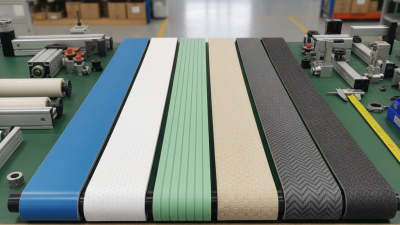
Patterned conveyor belts are belts with raised, recessed, or textured surfaces. These designs control how products move across the belt. Common profiles include chevrons, ridges, cleats, rough tops, and diamond patterns. Each pattern creates different grip, drainage, and load stability. A chevron belt can carry cartons up an incline. A rough-top belt can reduce sliding under moderate acceleration.

According to the MarketsandMarkets Conveyor System Market report, the global market was estimated at about USD 7.4 billion in 2023. The report projects continued growth through 2028, supported by automation and material-handling demand. This growth increases interest in belts that solve specific handling problems. However, the pattern is not automatically better. A deep profile may hold wet material, but it can also complicate cleaning. A fine texture may protect fragile goods, yet wear faster under abrasive loads.

In practical selection, engineers check product weight, incline angle, belt speed, temperature, and cleaning conditions. They also examine pulley diameter and splice strength. Food-processing applications often require documented material compliance and smooth, inspectable surfaces. Mining and aggregate operations usually need stronger rubber compounds and deeper traction profiles. The Global Conveyor Belt Market report by Research and Markets identifies mining, manufacturing, and logistics as major demand sectors. Field experience still matters. A belt may perform well in testing but fail when dust, oil, or uneven loading appears. That gap deserves honest review.

Common Surface Patterns and Their Industrial Uses

Patterned conveyor belts improve grip where smooth belts may allow products to slide. Raised diamond patterns handle cartons, sacks, and packaged food on moderate inclines. They also help workers spot belt wear during routine inspections. Small details matter.

Fine ribbed surfaces suit lightweight boxes and plastic trays. Their narrow grooves guide products without leaving deep marks. However, ribs can collect dust when materials are powdery. Regular cleaning becomes essential. Deep chevron patterns create stronger traction for gravel, coal, and recycled aggregates. They work well on steeper conveyors, but their edges may damage delicate packaging. The pattern must match both the load and the conveyor angle.

Strip Patterned Conveyor Belts use repeated transverse strips to stabilize bags, timber pieces, and wrapped bundles. These strips reduce backward movement during elevation. They are practical in warehouses and agricultural handling lines. Moisture changes the result. Wet produce may need a softer surface, while muddy bulk materials can clog narrow grooves. That mistake is common.

Selecting a pattern requires more than comparing photographs. Measure the product size, weight, surface texture, and expected incline. Ask suppliers for abrasion, oil, and temperature data. A short trial under real operating conditions is valuable. Observe slipping, noise, cleaning time, and edge wear. Some specifications look convincing on paper but perform poorly beside dust, vibration, and uneven loading. That is worth checking before installation.

Materials and Manufacturing Processes

Top Patterned Conveyor Belts Manufacturers and Suppliers

Materials and manufacturing processes determine how a patterned conveyor belt performs under pressure. Rubber offers strong abrasion resistance for aggregates and mining. PVC and TPU suit food, packaging, and lighter industrial lines. Polyester fabric provides dimensional stability, while aramid reinforcement reduces belt stretch. The pattern also matters. Chevron, cleated, and rough-top surfaces improve grip on inclines, but they can increase cleaning effort and energy demand.

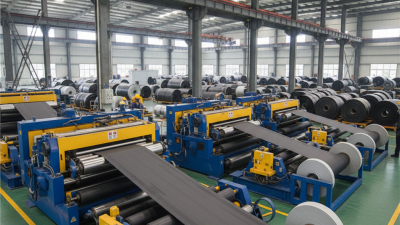
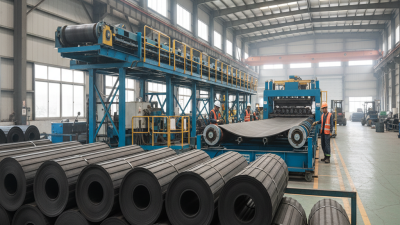
A 2024 MarketsandMarkets report projects the global conveyor system market to grow from about USD 10.6 billion in 2024 to USD 14.6 billion by 2029. This growth increases demand for belts with longer service life and reliable tracking. During production, manufacturers typically calender rubber or polymer compounds onto woven fabric. They then mold the surface profile and vulcanize the layers under controlled heat and pressure. Poor temperature control may create weak bonding. That defect can remain invisible until heavy loading begins.

Tips: Match the cover compound to the conveyed material, not only the belt price. Check tensile strength, abrasion data, splice design, and operating temperature. Ask suppliers for test records based on ISO 14890 or equivalent procedures. A low-friction pattern may reduce power use, but it can lose traction in wet conditions. No material is perfect. Field trials still matter, especially when dust, oil, or sharp edges change daily.

Top Patterned Conveyor Belts Manufacturers and Suppliers - Materials and Manufacturing Processes
Patterned Belt Type Common Surface Pattern Typical Belt Materials Manufacturing Process Typical Incline Capability Suitable Applications Key Selection Considerations
Chevron Belt V-shaped ribs arranged in a continuous or interrupted chevron pattern. Rubber, PVC, polyurethane, and thermoplastic elastomer. Rubber belts are commonly produced by calendaring, fabric assembly, molding, and vulcanization. PVC and PU belts are often produced by coating or thermoplastic extrusion. Commonly used for inclined conveying up to approximately 30°–35°, depending on material and cleat height. Coal, gravel, sand, aggregates, grain, fertilizer, and packaged goods. Rib height, conveyed material size, belt width, loading impact, abrasion resistance, and cleaning requirements.
Herringbone Belt Symmetrical angled ribs forming a repeated herringbone design. PVC, PU, rubber, and fabric-reinforced elastomer. Patterned covers are formed through embossed molds, patterned coating rolls, or molded rubber tooling, followed by curing or thermal bonding. Typically suitable for moderate inclines, often around 20°–30° depending on surface grip and load. Boxes, cartons, bags, agricultural products, and general bulk handling. Traction, product stability, noise level, belt flexibility, and compatibility with pulleys and scrapers.
Rough-Top Belt Textured or roughened top cover with a fine, non-directional surface. PVC, PU, rubber, and thermoplastic rubber. A textured top layer is created by embossing, coating, or molding. Multi-layer belts may include polyester or polyamide reinforcement. Generally used for low-to-moderate inclines, commonly up to approximately 20°–25°. Cartons, parcels, luggage, wood products, and unit-load conveying. Surface hardness, coefficient of friction, resistance to oil and abrasion, and ease of product release.
Diamond-Top Belt Raised diamond or rhombus-shaped relief pattern. Rubber, PVC, PU, and elastomeric compounds. The diamond profile is normally formed with a patterned press mold or an embossed thermoplastic coating line. Often applied to conveying systems with inclines of approximately 15°–25%, subject to product characteristics. Wood, paper products, recycling materials, cartons, and bulk materials requiring additional grip. Pattern depth, resistance to cutting and tearing, belt tracking, and the risk of product marking.
Lattice-Top Belt Open or semi-open grid pattern that provides drainage and reduced contact area. PVC, PU, synthetic rubber, and modular thermoplastic materials. Produced by molded thermoplastic forming, perforation, or patterned extrusion; belt edges may be sealed or mechanically finished. Usually selected for horizontal or gently inclined conveying, commonly up to approximately 15°–20%. Food processing, washing lines, cooling applications, and products requiring drainage. Open-area ratio, sanitation, mesh strength, small-product retention, and resistance to water, detergents, and oils.
Raised-Rib Belt Parallel transverse or longitudinal ribs that improve traction and product separation. Rubber, PVC, PU, and reinforced thermoplastic elastomer. Ribs are molded into the belt cover or thermally welded onto a base belt. Rubber versions are generally cured during vulcanization. Can support moderate-to-steep conveying, often approximately 25°–35% depending on rib orientation and product load. Bulk solids, agricultural products, recycling streams, and inclined feeders. Rib spacing, rib direction, impact resistance, carryback, and compatibility with belt cleaners.
Cleated Pattern Belt Transverse molded or attached cleats combined with a textured base surface. PVC, PU, rubber, and fabric-reinforced synthetic materials. Cleats may be molded as one piece, hot-welded, radio-frequency welded, or bonded to the belt surface. Frequently used for steep conveying, with practical angles often reaching approximately 30°–45% depending on cleat design and material flow. Bagged goods, boxes, food products, recycling materials, and bulk solids. Cleat height and spacing, sidewall requirements, product bridging, pulley diameter, and cleaning access.
Sidewall Pattern Belt Patterned base belt combined with corrugated sidewalls and transverse cleats. PVC, PU, rubber, and thermoplastic elastomer with textile reinforcement. Sidewalls and cleats are commonly welded, bonded, or molded onto the base belt. Final assembly includes edge alignment and joint finishing. Designed for steep or vertical conveying; system geometry and cleat configuration determine the usable angle. Bulk solids, chemicals, minerals, food ingredients, and space-constrained material transfer. Sidewall flexibility, attachment strength, minimum pulley diameter, material containment, and inspection access.
Oil-Resistant Pattern Belt Chevron, rough-top, diamond, or ribbed surface combined with an oil-resistant compound. Nitrile rubber, oil-resistant PVC, polyurethane, and specialty elastomer blends. Compound formulation is followed by calendaring, reinforcement assembly, pattern molding, and vulcanization or thermoplastic bonding. Incline capability depends primarily on the selected surface pattern and is commonly within approximately 20°–35°. Machined parts, oily aggregates, recycling materials, food oils, and industrial production lines. Oil type, temperature, abrasion, swelling resistance, tensile strength, and compliance requirements.
Heat-Resistant Pattern Belt Chevron, ribbed, or textured cover designed to maintain grip at elevated temperatures. Heat-resistant rubber compounds, silicone, fluoropolymer-coated fabrics, and high-temperature thermoplastics. Heat-resistant compounds are calendered and cured under controlled vulcanization conditions; specialty fabrics may be coated and laminated. Typically used at the incline supported by the selected pattern, often approximately 15°–30°. Cement, foundry materials, clinker, hot aggregates, glass, and metal-processing applications. Continuous versus peak temperature, thermal cycling, cover cracking, abrasion, and cooling time before belt contact.
Note: Incline figures are general engineering ranges rather than guaranteed limits. Actual performance depends on belt pattern geometry, conveyed material size and moisture, belt speed, loading method, tension, and conveyor design. Material and process descriptions represent commonly used industry practices and may vary by supplier and specification.

Key Performance Standards and Quality Factors

Top Patterned Conveyor Belts Manufacturers and Suppliers: Key Performance Standards and Quality Factors

Granular Patterned Conveyor Belts must match the conveyed material, incline, and loading cycle. ISO 14890 defines requirements for rubber conveyor belts used above ground, including dimensions, construction, and test methods. Buyers should request test records for tensile strength, elongation, adhesion, and abrasion. A belt may look durable yet fail at the splice.

Pattern height and spacing control grip. For steep conveying, a deeper pattern can reduce rollback, but it may increase cleaning difficulty. ISO 4195 abrasion testing helps compare rubber wear under controlled conditions. In practice, compound quality, curing consistency, and fabric alignment often matter more than appearance. Small production variations can create tracking problems.

A 2024 market analysis by IMARC Group estimated the global conveyor belt market at over USD 5 billion, with demand rising in mining, logistics, and bulk handling. Its findings also identify durability and reduced maintenance as major purchasing factors. Another 2024 report from Grand View Research links automation growth with stricter expectations for dimensional stability and uptime. These figures deserve careful reading; market estimates differ by scope and region. I would not approve a supplier from a catalogue alone. Check batch certificates, belt-cover hardness, splice performance, and field references. Ask for samples under real moisture and temperature conditions. Performance is proven under load.

Top Patterned Conveyor Belts Manufacturers and Suppliers — Key Performance Standards and Quality Factors

This chart presents standardized conveyor-belt tensile-strength classes used in ISO 14890 belt classifications. Higher tensile ratings generally support heavier loads and longer conveying distances, while actual belt quality should also be assessed through cover abrasion resistance, splice strength, adhesion, flexibility, tracking stability, and compliance with the applicable ISO, DIN, or ASTM test methods.

How to Evaluate Manufacturers and Suppliers

Evaluating patterned conveyor belt manufacturers starts with working conditions, not attractive catalog photos. Ask for tested data on tensile strength, cover grade, cleat height, pattern spacing, and operating temperature. A reliable supplier explains how the pattern affects grip, cleaning, noise, and product stability. Request a cut sample. Inspect the fabric, edge finish, splice area, and surface uniformity under normal light. Small defects matter.

Experience shows that technical answers should match the application. A supplier serving steep aggregate lines may not understand delicate packaging transfer points. Share material weight, incline angle, belt speed, pulley diameter, moisture, and cleaning method. Then compare the proposed construction against those details. Ask for test reports, batch traceability, warranty terms, and installation guidance. Vague promises are warning signs. So are unusually short lead times.

Assess manufacturing depth by visiting the facility virtually or in person. Check storage conditions, reinforcement handling, inspection records, and final testing equipment. Ask how rejected belts are isolated. This question can reveal real quality discipline. Contact recent customers, but request references from similar duty cycles. One honest limitation is valuable; inflated confidence is not. Price still matters, yet the cheapest offer may increase tracking problems, splice failures, and downtime. Leave room for revision. A first specification is rarely perfect, especially when operating data is incomplete. Good suppliers welcome measured questions and document every change before production.

Top Patterned Conveyor Belt Manufacturers and Suppliers

Top Patterned Conveyor Belt Manufacturers and Suppliers are being judged by more than price. Buyers now examine grip, belt life, hygiene, and technical support. MarketsandMarkets valued the global conveyor systems market at about USD 9.4 billion in 2023. Its report expects continued growth through 2028, driven by food processing, logistics, and mining. This demand favors suppliers that can document testing, not merely display attractive catalogs.

Pattern selection should match the product and incline. Fan-Shaped Patterned Conveyor Belts can improve traction when cartons or packaged goods move upward. However, pattern height, pitch, and cleaning access affect real performance. A belt that grips well may also trap crumbs or moisture. Experienced manufacturers provide tensile-strength data, temperature ranges, cover compounds, and splice guidance. They should also explain how the belt performs after repeated washing and loading cycles. That practical evidence matters.

Tips: Ask for a sample belt. Test it with your actual load, speed, and incline. Check certificates, traceability, and replacement lead times. The Global Conveyor Belt Market analysis from Fortune Business Insights identifies automation and material-handling efficiency as major growth factors. Still, market forecasts are not guarantees. A supplier may promise long service life, yet installation tension or poor tracking can shorten it sharply. I would compare at least three technical proposals and record failure risks before purchasing.

Industry Applications and Purchasing Considerations

Patterned conveyor belts are selected for controlled movement, not appearance. In recycling, aggregates, parcel handling, and food processing, raised profiles improve grip on inclines. MarketsandMarkets valued the global conveyor systems market at USD 10.6 billion in 2023 and projects USD 14.6 billion by 2028. This growth increases supplier choices, but complicates technical comparisons. Ep Conveyor Belts, commonly built with polyester warp and nylon weft, suit demanding loads when carcass strength matches the conveyor design.

Purchasers should record material, incline angle, belt speed, lump size, temperature, and cleaning chemicals. A 25-degree incline may need deeper cleats than a dry, horizontal line. Cover grade matters. Oil, abrasion, heat, and food-contact requirements can change the specification completely. For food lines, verify current regulatory documents, migration tests, and traceability. For mines and quarries, request abrasion data, splice procedures, fire-performance evidence, and pulley-diameter limits. Do not accept “heavy duty” as a test result.

A reliable manufacturer or supplier should provide drawings, compound certificates, sample sections, and measured tensile data. Ask for installation support and a realistic replacement schedule. The cheapest quote can become expensive after mistracking, edge damage, or premature cracking. Field experience repeatedly shows purchasing teams comparing price while ignoring cleaning downtime. That is a weak comparison. Yet specifications alone are not enough; dust, poor alignment, and rushed splicing can defeat a well-made belt. Review service records, warranty exclusions, response times, and local stock before ordering. No single pattern fits every application.

FAQS

What are patterned conveyor belts?

They have raised, recessed, or textured surfaces. Common designs include chevrons, ribs, cleats, rough tops, and diamonds. Each pattern changes grip and load stability.

Why use a patterned belt instead of a smooth belt?

Patterns reduce sliding on inclined conveyors. They can stabilize cartons, bags, timber, trays, and bulk materials. Small details matter. The wrong pattern may increase cleaning time or product damage.

Which patterns work well on inclined conveyors?

Chevron patterns suit gravel, coal, and recycled aggregates. Diamond patterns can carry cartons and sacks on moderate inclines. Strip patterns help stabilize bags and wrapped bundles. The conveyor angle still matters.

How do wet or muddy materials affect pattern selection?

Wet produce may need a softer surface for better contact. Muddy materials can clog narrow grooves. Deep profiles may hold moisture and debris. Cleaning requirements deserve careful attention.

Which industries commonly use patterned conveyor belts?

Common applications include recycling, mining, agriculture, logistics, manufacturing, and food processing. Mining often needs abrasion-resistant rubber and deep traction profiles. Food lines usually require smooth, inspectable surfaces and documented compliance.

What information should buyers collect before choosing a belt?

Record product weight, size, texture, incline angle, speed, temperature, and cleaning chemicals. Check pulley diameter and splice strength. Also review oil, abrasion, heat, and food-contact requirements. Do not accept “heavy duty” as test evidence.

Why might a belt fail despite having strong specifications?

Dust, oil, vibration, poor alignment, and uneven loading can change performance. A rushed splice may also shorten belt life. A photograph can mislead. Real operating conditions matter more than appearance.

How should a patterned belt be tested before installation?

Run a short trial with the actual material and conveyor settings. Observe slipping, noise, cleaning time, edge wear, and tracking. Test during dust, moisture, or uneven loading when possible. Trial first. Some assumptions will be wrong.

Conclusion

Patterned Conveyor Belts are engineered with raised, textured, or molded surface designs that improve grip, product stability, and material flow during conveying. Common patterns include diamond, chevron, ribbed, and herringbone surfaces, each suited to different industrial needs such as inclined transport, packaging, recycling, food processing, agriculture, and bulk material handling. Belt materials may include rubber, PVC, polyurethane, or other compounds selected for resistance to abrasion, oil, moisture, heat, and repeated flexing. Manufacturing quality depends on accurate pattern formation, uniform thickness, strong bonding, and reliable edge and splice construction.

When evaluating manufacturers and suppliers, buyers should compare belt performance standards, load capacity, traction, dimensional consistency, cleaning requirements, customization options, delivery capability, and technical support. Attention should also be given to operating temperature, conveyor speed, incline angle, material characteristics, and maintenance conditions. A suitable supplier should provide clear specifications, consistent quality control, application guidance, and practical after-sales support. Careful selection helps improve conveying efficiency, reduce product slippage, extend service life, and lower long-term operating costs across diverse industries.

Sophie

Sophie

Sophie is a dedicated marketing professional at Hebei Boao Rubber Technology Co., Ltd., a leading manufacturer in China's conveyor belt and machinery accessories industry. With an extensive background in product development and design, Sophie possesses a profound understanding of the company's......
Previous 10 Best Tubular Conveyor Belts for Global Buyers