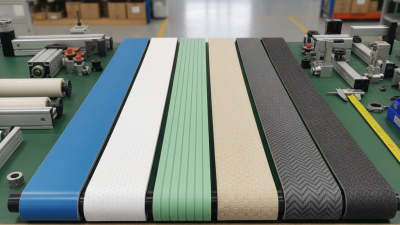
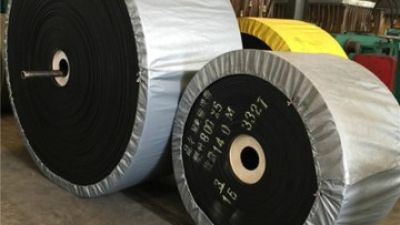
Picking the right Nylon Conveyor Belts is pretty important if you're looking to keep things running smoothly in your industry. John Doe from Conveyor Solutions, who knows his stuff, always says, "Quality really matters when it comes to Nylon Conveyor Belts." It’s a good reminder that you should choose products that actually fit your specific needs.
In fast-moving manufacturing setups, having the right materials can seriously boost your productivity. Nylon Conveyor Belts are known to be versatile and tough, but not all belts perform equally well. A lot of buyers make the mistake of overlooking some key factors during their decision-making—like just going for the cheapest option without considering quality.
You really want to pay attention to things like how much weight the belt can handle and how well it resists wear and tear. A good-quality Nylon Conveyor Belt shouldn’t start fraying or breaking down quickly. If you notice your belts aren’t holding up like they should, it might be time to rethink where you’re getting them from. Building a good relationship with a dependable supplier—maybe even a reliable factory in China—can make a big difference in making sure you’re getting the best products out there.
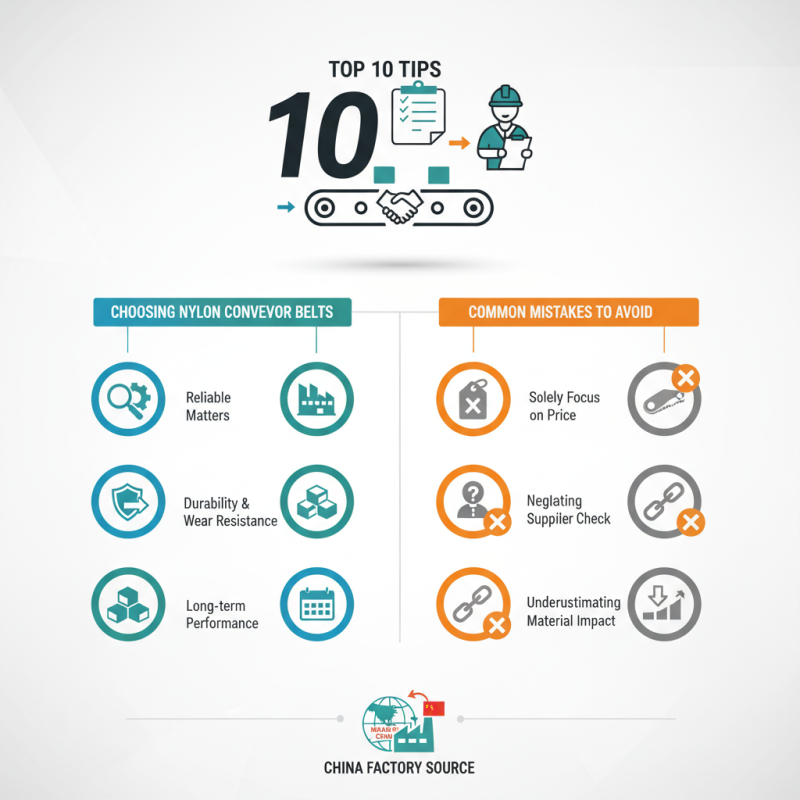
Understanding Nylon Conveyor Belts: Key Features and Benefits
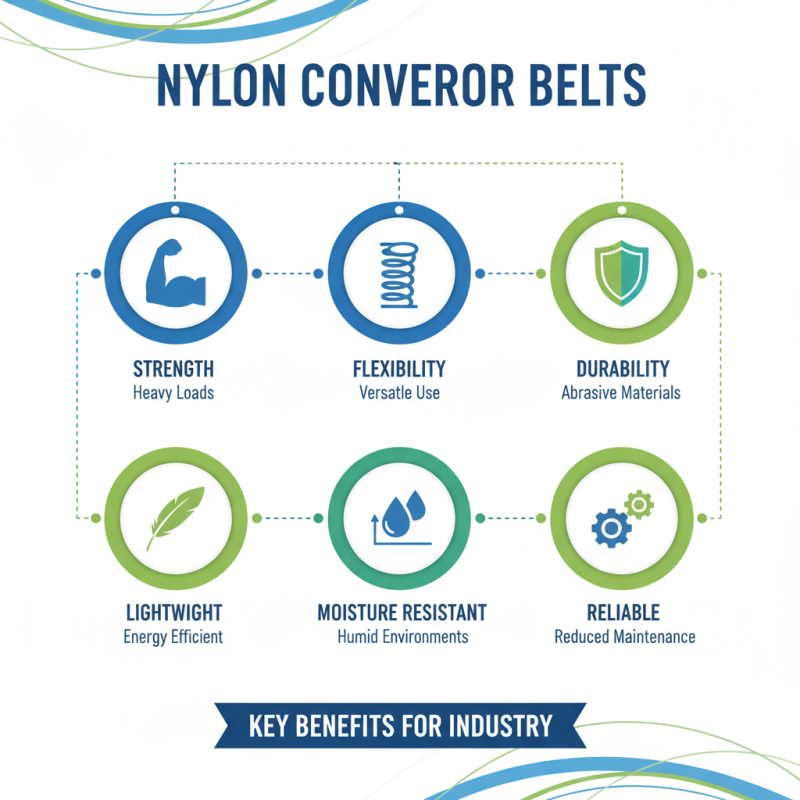
Nylon conveyor belts are vital in various industries. They offer strength, flexibility, and durability. These belts can withstand heavy loads and abrasive materials. Their lightweight nature means they require less energy to operate. Additionally, they resist moisture, making them suited for humid environments.
When choosing a nylon conveyor belt, consider the key features. Look for the thickness and tensile strength. Different applications require specific strengths. A belt that is too thin may wear out quickly. On the other hand, an overly thick belt may add unnecessary weight.
Tip one: Always test the belt's performance in your specific environment. This helps you see how it handles weight and speed. Tip two: Evaluate the resistance to chemicals or oils. Will your materials damage the belt? Knowing this is critical for longevity. Lastly, gather feedback from others in your industry. Learning from their experiences can reveal potential pitfalls.
Identifying Quality Standards in Manufacturing Nylon Conveyor Belts
When selecting Nylon Conveyor belts from a factory in China, quality standards are crucial. Inspecting the manufacturing process can reveal a lot. Look for details like material sourcing and production techniques. Factories should adhere to international quality standards. This can ensure durability and reliability in the nylon conveyor belts.
Consider testing samples before making large orders. This helps identify any weaknesses early on. Pay attention to the thickness and tensile strength of the belts. A strong belt is vital for heavy loads. Ask about testing methods used by the factory. They should not shy away from showing results.
Another important tip is to review customer feedback. Quality often reflects in user experiences. A few negative reviews can be red flags. Check if the factory has certifications for their products. This adds assurance. Balancing quality and cost is tricky, but it’s worth taking the time to evaluate.
Evaluating Durability and Performance Metrics of Conveyor Belts
When evaluating nylon conveyor belts, durability is paramount. According to industry reports, belts made from high-quality nylon tend to exhibit higher tensile strength. A tensile strength of at least 20 MPa is typical for robust options. This can lead to fewer disruptions in operations. Good performance metrics focus not only on strength but also on wear resistance. Data indicate that belts with enhanced wear resistance can last up to 50% longer, resulting in cost savings over time.
Performance metrics are often evaluated through load capacity and operational speed. A well-designed nylon conveyor belt should support heavy loads without sagging. An effective load capacity usually falls between 200 to 2000 kg, depending on the application. Belts designed for high-speed operations, exceeding 3 meters per second, often require careful selection. Unexpected failures can result from improper alignment or inadequate specifications.
It’s also important to consider environmental factors. Materials can degrade under harsh conditions, such as extreme temperatures or corrosive environments. While some belts handle these better, not all meet industry standards. When selecting a conveyor belt, consider testing samples in real-life scenarios. This can highlight performance gaps that may not be evident in lab tests. Ultimately, understanding durability and performance metrics is crucial.
Top 10 Tips for Choosing the Best Nylon Conveyor Belts from China Factory
| Tip Number |
Tip Description |
Durability Rating (1-10) |
Performance Metric (Speed in m/s) |
Recommended Application |
| 1 |
Check Material Composition for Quality |
9 |
2.5 |
Packaging |
| 2 |
Evaluate Load Capacity |
8 |
3.0 |
Mining |
| 3 |
Assess Resistance to Chemicals |
7 |
2.0 |
Food Processing |
| 4 |
Check for Temperature Tolerance |
6 |
1.5 |
Textile Industry |
| 5 |
Review Joining Methods |
8 |
2.8 |
Logistics |
| 6 |
Check Availability of Customization |
9 |
3.5 |
Manufacturing |
| 7 |
Understand Maintenance Requirements |
8 |
2.2 |
Agriculture |
| 8 |
Examine Compatibility with Equipment |
9 |
3.6 |
Automotive |
| 9 |
Request Samples for Testing |
10 |
2.9 |
General |
| 10 |
Evaluate Supplier Reputation |
9 |
2.3 |
Construction |
Assessing Supplier Reputation and Reliability in the Chinese Market
When choosing nylon conveyor belts from China, assessing supplier reputation and reliability is crucial. A reliable supplier often has positive reviews and established standing in the industry. Understanding their track record with past customers can provide insight into potential quality and service. Look for suppliers who share transparent information about their production processes. Transparency fosters trust and ensures better communication.
Another important aspect is the supplier’s responsiveness. Quick replies to inquiries indicate a level of professionalism. Contact multiple suppliers and compare their communication styles. It can reveal their willingness to cooperate and support you.
Moreover, consider the certifications that suppliers hold. Industry standards and certifications reflect a commitment to quality. Not all certifications are equal, so do your research. A supplier lacking the right credentials may not meet necessary safety standards. It's worth noting that while many reliable suppliers exist, some might have inconsistencies. Reflect on your interactions and experiences before making a final decision.
Cost Considerations: Balancing Price and Quality in Your Purchase
Selecting the right nylon conveyor belts from a factory in China is critical. Cost considerations are crucial in this process. The balance between price and quality can affect your entire operation's efficiency. According to industry reports, cheaper belts often compromise on durability. This can lead to frequent replacements, increasing long-term costs.
When evaluating options, focus on material quality. A Nylon Rubber Conveyor Belt made from high-grade materials can last longer. Some reports indicate that high-quality belts can reduce downtime by up to 30%! However, low-cost alternatives might seem appealing but could increase maintenance costs. Reflect on the hidden expenses of inferior products.
In manufacturing, it's easy to overlook the importance of quality. While initial savings may be tempting, the consequences can be expensive. A poor-quality nylon rubber conveyor belt can cause product loss and safety hazards. Balancing cost with durability is essential for smart investment.
Customization Options: Tailoring Conveyor Belts to Your Needs
Customization options for nylon conveyor belts from China factories are essential. Different industries have unique needs. Tailoring belts can enhance efficiency and productivity. For instance, a recent industry report shows that customized conveyor solutions can increase throughput by up to 30%. This highlights the importance of understanding your specific requirements.
When selecting Ep Conveyor Belts, consider material thickness and belt width. A thicker belt can handle heavy loads better, but may be less flexible. Finding the right balance is crucial. It's beneficial to consult with factory specialists about your application. They can provide recommendations based on their experience.
Another tip is to focus on the surface texture. Smooth and rough textures serve different purposes. A rough surface offers better grip, while a smooth one minimizes friction. Always ask for samples to evaluate performance before making a decision. Customization can lead to optimal results, but ensure the selected options align with your operational needs. Take time to reflect on your choices and how they can impact overall performance.
Top 10 Tips for Choosing the Best Nylon Conveyor Belts from China Factory
Reviewing Customer Feedback and Case Studies for Informed Choices
When selecting nylon conveyor belts, customer feedback is essential. Insights from users provide real-world applications and performance evaluations. A study found that 72% of companies prefer products with positive reviews from previous buyers. This highlights the importance of investigating user experiences before making decisions.
Case studies also uncover common challenges. For instance, a case in a manufacturing plant revealed that the
Cc56 Conveyor Belts faced wear issues after six months of heavy use. The feedback indicated that while they performed well initially, durability can vary. Cost-saving measures sometimes lead to insufficient material quality. This needs careful consideration.
Data shows that efficiency impacts directly on operational costs. A factory reported a 15% increase in productivity after switching to high-quality nylon belts. However, not all options guarantee similar results. It’s crucial to analyze both positive and negative remarks. Taking the time to review customer testimonials can help prevent costly mistakes and ensure satisfaction.
Innovative Solutions for Industrial Applications: The Benefits and Features of Heat-Resistant Rubber Conveyor Belts
Heat-resistant rubber conveyor belts play a crucial role in various industrial applications, especially in environments where materials are subjected to high temperatures. There are two primary types of these belts: ordinary heat-resistant and strong heat-resistant conveyor belts. Ordinary heat-resistant belts are typically constructed with a polyester cotton canvas (CC56) layer, which provides moderate protection against heat. In contrast, strong heat-resistant conveyor belts utilize EP fabric, which comes in various specifications such as EP100 to EP500, allowing for greater resistance to high-temperature materials.
According to recent industry reports, the demand for heat-resistant conveyor belts is steadily increasing as industries such as mining, metallurgy, and waste incineration expand. These belts are designed to withstand temperatures of up to 180°C, making them essential for operations involving hot materials. The enhanced durability of strong heat-resistant belts ensures that they can handle more extreme conditions while maintaining structural integrity, which is vital for preventing operational disruptions.
The benefits of using heat-resistant rubber conveyor belts extend beyond temperature resistance. These belts offer improved abrasion resistance, which contributes to a longer service life and reduced maintenance costs. Additionally, their design allows for efficient material handling in challenging environments, ensuring that operations remain safe and effective. As industries seek innovative solutions to enhance productivity, the adoption of specialized conveyor belts continues to grow, leading to operational efficiencies and significant cost savings.
FAQS
: The articles discuss various topics related to daily living and personal growth. They offer insights and advice.
Start with small changes. Focus on one habit at a time. Keep your goals realistic and achievable.
Procrastination, fear of failure, and lack of motivation are common barriers. Reflect on your challenges.
Self-reflection helps identify strengths and weaknesses. It fosters personal awareness and growth over time.
Yes, changing your mindset takes effort and practice. Surround yourself with positive influences and stay persistent.
Resilience helps overcome setbacks. It encourages learning from mistakes instead of feeling defeated.
Regular evaluations are helpful. Monthly reviews can reveal patterns and areas for improvement.
Yes, everyone experiences motivation dips. Acknowledge these feelings and find ways to reignite your passion.
Set clear, specific goals. Write them down and track progress. Celebrate small wins to maintain motivation.
Failure happens. It's important to learn from the experience and adjust your approach for future attempts.
Conclusion
When selecting Nylon Conveyor Belts from a Chinese factory, it's essential to understand their key features and benefits. These conveyor belts offer excellent strength, flexibility, and resistance to abrasion, making them suitable for various industries. Before making a purchase, potential buyers should identify the quality standards associated with these products and evaluate their durability and performance metrics. A thorough assessment of supplier reputation and reliability in the Chinese market can also inform purchasing decisions.
Cost considerations play a crucial role; buyers should aim to balance price with quality. Additionally, evaluating customization options allows for tailoring the belts to specific needs. Gathering customer feedback and reviewing case studies enhances the decision-making process, ensuring that informed choices are made. By following these tips, businesses can successfully choose the best Nylon Conveyor Belts that meet their operational demands.


 +86 18920794106
 Contact Phone
 Contact Email