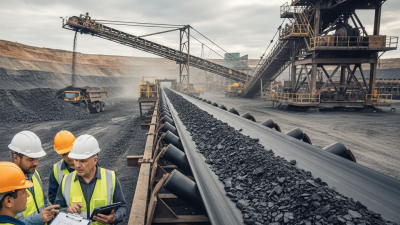
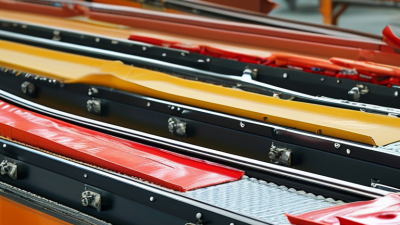
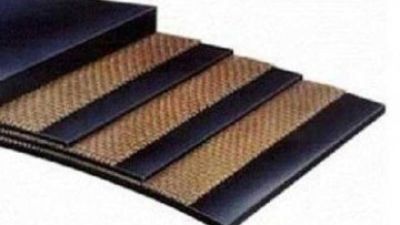
Hey, if you're looking into conveyor belts, you might wanna check out Raised Herringbone Conveyor Belts. They’re really good at what they do—designed for pretty much any industry that needs efficiency and reliability. One of the things people love about these belts is their special pattern, which gives them a really good grip. That means safer and smoother material transport, whether you're handling heavy parts or delicate food items. They’re pretty versatile, so they’re used a lot in manufacturing, logistics, and food processing—basically sectors where the flow of materials needs to be on point.
A lot of businesses go for raised herringbone belts because they’re tough and adaptable. They can handle all kinds of stuff—heavy machinery parts or even fragile food items—without breaking a sweat. That kind of flexibility can really help keep things running smoothly and cut down on downtime. Of course, it’s important to think about what your specific needs are before jumping in, so you get the most out of them.
Now, a quick heads-up—installing and maintaining these belts isn’t exactly a DIY kind of thing. You’ll want someone with experience to help out. If not handled properly, they might not perform as well as they should, which is kinda a bummer. So, it’s a good idea to assess your particular setup and maybe chat with some experts before making any big decisions.
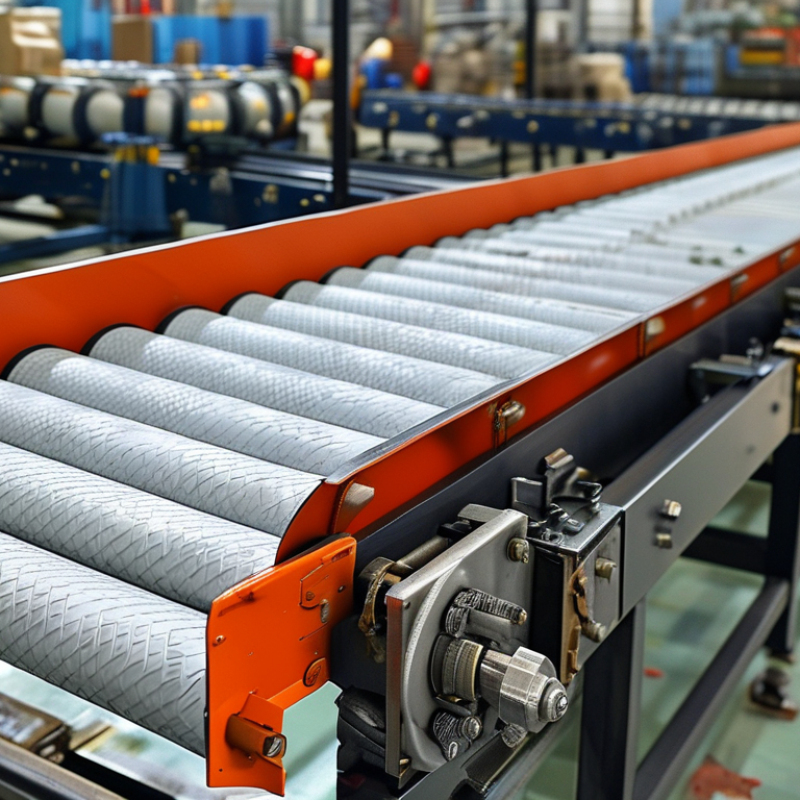
Overview of Raised Herringbone Conveyor Belts
Raised herringbone conveyor belts are known for their unique design. The raised pattern provides enhanced grip, making these belts ideal for transporting materials at inclines. Many industries, such as agriculture and mining, utilize these belts to optimize their operations. The herringbone pattern allows efficient movement of bulk materials like grains or sand.
These conveyor belts stand out for their durability and strength. Constructed from high-quality materials, they can withstand harsh environments and heavy loads. However, users should consider maintenance carefully. Wear and tear can affect performance and lifespan. Regular inspection is essential, though often overlooked.
Additionally, raised herringbone belts are versatile. They can be adapted for various applications beyond material handling. For instance, they can serve in packaging and assembly lines. This adaptability contributes to their growing popularity. Though highly effective, potential users must evaluate their specific needs to ensure the best fit for their operations. Balancing design with functionality remains a key consideration.
Key Features of Raised Herringbone Design
Raised herringbone conveyor belts are designed for effective material handling. Their unique pattern enhances grip and minimizes slippage. This design is ideal for transporting bulk materials across various industries. Gaps between the herringbone sections allow for efficient drainage, which is essential for wet environments.
One key feature of the raised herringbone design is its flexibility. It can adapt to different incline angles, making it versatile for various applications. The raised profile offers excellent load retention during movement. This is vital for maintaining product integrity, especially in food or fragile package handling.
Consider your material type when selecting a raised herringbone conveyor belt. Not all materials will perform well due to the specific design characteristics. Evaluate your conveyor system layout and potential environmental factors, like moisture, that could hinder efficiency. Concave Herringbone Conveyor Belts can provide solutions, but they might also pose challenges depending on usage. Always analyze your operations thoroughly for the best results.
Benefits of Using Raised Herringbone Conveyor Belts
Raised herringbone conveyor belts are designed with a unique pattern that significantly enhances material handling. The raised profile creates a better grip, reducing slippage during the transportation process. This feature is especially beneficial when moving items with irregular shapes or those prone to sliding. Industries such as packaging, food processing, and logistics often utilize these belts due to their efficiency.
In addition to improved grip, these belts are designed for durability. The materials used can withstand harsh conditions, providing a long lifespan. This means fewer replacements and reduced maintenance costs over time. However, it's worth noting that the initial investment can be higher. Companies need to weigh the benefits against expenses when considering this option.
Another advantage is versatility. Raised herringbone belts can be tailored for various applications, from steep inclines to flat surfaces. This adaptability means they can serve a wide range of processes. Yet, not every scenario may require such specialized belts. Businesses must assess their specific needs carefully to ensure they invest wisely in this technology.
Common Industries Utilizing Raised Herringbone Conveyor Belts
Herringbone Conveyor belts are popular in various industries for their unique design and functionality. These belts feature a raised herringbone pattern, providing better grip and stability for transporting goods. The enhanced traction minimizes slippage, making them ideal for heavy and bulky items. Industries such as food processing, logistics, and automotive manufacturing utilize these belts effectively.
In the food processing sector, herringbone conveyor systems are employed for transporting packaged products. Their easy-to-clean surfaces comply with hygiene standards. In logistics, these conveyors facilitate the movement of goods in warehouses. They allow smoother transitions between elevators and conveyor systems. The raised pattern ensures packages don’t shift during transport.
Here’s a tip: consider the environment where you will use the herringbone conveyor. For wet or slippery areas, these belts perform exceptionally well because they maintain grip. Additionally, regularly inspect the belts for wear. Taking time for maintenance can extend the life of your herringbone conveyor systems. Reflect on how your specific application might benefit from these adjustments. Understanding your needs will aid in selecting the right conveyor system.
Comparison with Other Conveyor Belt Types
Raised herringbone conveyor belts offer unique advantages in various applications. These belts feature a distinct pattern that enhances material movement, making them suitable for industries like food processing, packaging, and mining. Their design provides better traction, reducing the risk of slippage during operation. Compared to flat belts, raised herringbone belts can effectively transport bulkier materials due to their grooves and elevated structure.
While other conveyor types, such as modular belts, offer flexibility, raised herringbone belts excel in stability. They are often more cost-effective when transporting heavy loads over inclined surfaces. A potential drawback is their cleaning difficulty. Materials can get trapped in the grooves, requiring additional maintenance.
Tips for choosing the right belt: Consider the material flow and weight when selecting conveyor systems. Evaluate the environmental conditions as well. For example, if the area is humid, the raised herringbone design's drainage capability can mitigate issues. It's also essential to reflect on how your choices impact efficiency. Sometimes, opting for a belt like the Ep Conveyor Belts could enhance your overall system performance.
Maintenance Tips for Raised Herringbone Conveyor Belts
Raised herringbone conveyor belts offer several advantages in various industries. Their unique design promotes better grip and transport of materials. However, maintenance is crucial for optimal performance. Regular checks can prevent downtime, ensuring smooth operations.
Routine inspection plays a vital role in maintaining raised herringbone belts. Look for signs of wear and tear, especially in high-friction areas. According to industry reports, belts that are inspected biweekly experience up to 30% less wear than those checked monthly. Keeping the belts clean can also enhance their longevity. Material buildup can lead to slippage and damage.
Lubrication improves performance and reduces friction. Apply suitable lubricants at recommended intervals. However, over-lubrication can attract dirt, leading to premature failure. Additionally, if your setup experiences changes in load or speed, reassessing the system's alignment may be necessary. Monitoring these factors helps maintain the integrity of your Cc56 Conveyor Belts. Regular adjustments can lead to better efficiency and reduced operational costs.
What is Raised Herringbone Conveyor Belts Benefits and Uses? - Maintenance Tips for Raised Herringbone Conveyor Belts
| Feature |
Benefits |
Common Uses |
Maintenance Tips |
| Durability |
Resistant to wear and tear, leading to longer life. |
Material handling in heavy-duty industries. |
Regularly inspect for signs of wear; replace as needed. |
| Design |
Helps in moving materials more efficiently due to the raised pattern. |
Food processing, packaging, and assembly lines. |
Clean regularly to avoid buildup of material. |
| Flexibility |
Can be customized for different applications and layouts. |
Logistics and warehouse operations. |
Lubricate moving parts to ensure smooth operation. |
| Traction |
Offers better grip, reducing slip risks. |
Construction and mining industries. |
Monitor belt tension and alignment regularly. |
| Versatility |
Suitable for a wide range of materials and environments. |
Cement, aggregates, and recycling. |
Train operators on proper use to avoid damage. |
Future Trends in Conveyor Belt Design and Applications
The automation industry constantly evolves, influencing conveyor belt designs, including raised herringbone belts. These belts are notably efficient in transporting bulk materials. Their unique design reduces material slippage, ensuring a reliable flow during operations. With rising demands in manufacturing, the market for raised herringbone belts is anticipated to grow significantly. According to a recent report, the global conveyor system market is projected to reach $9.2 billion by 2025, indicating robust growth potential.
Future trends will focus on sustainability and innovative materials. Industry leaders are exploring eco-friendly materials to reduce environmental impact. Integrating smart technologies will also enhance conveyor systems. For instance, advanced sensors can monitor belt performance in real-time. Research suggests that smart conveyor belts can increase efficiency by 20%. This shift reflects a commitment to optimizing resources while maintaining reliability in design.
Addressing challenges is crucial for the conveyor belt industry's future. Ensuring durability and lower maintenance costs remains a priority. Manufacturers must balance quality and affordability. As raised herringbone belts gain traction, industries might face supply chain uncertainties. Continuous innovation and collaboration will be essential to navigating these complexities.
Exploring the Dynamics of China’s General-Purpose Rubber Conveyor Belt Market: Insights from Industry Report 2023
In the ever-evolving landscape of China's general-purpose rubber conveyor belt market, the demand for high-quality products that cater to various industries is on the rise. Our conveyor belts, manufactured within China, showcase exceptional versatility and reliability, making them indispensable across sectors such as building materials, chemicals, coal, power, and metallurgy. Designed specifically for transporting non-corrosive and non-sharp materials like coal, coke, sand, gravel, and cement at room temperature, these belts stand out for their efficiency and durability.
What sets our conveyor belts apart is their ability to handle bulk items with a stacking density ranging from 6.5 to 2.5 tons per cubic meter. This remarkable capability ensures seamless operations in heavy-duty conveying applications, where reliability is paramount. As prominent suppliers in the industry, we prioritize manufacturing standards that meet the stringent demands of our clients, providing solutions that not only enhance productivity but also ensure safety and longevity in material handling processes. In exploring the dynamics of the conveyor belt market, it is clear that the focus on quality and adaptability will continue to drive industry success.
FAQS
: They enhance material handling with a unique pattern that improves grip and reduces slippage.
It helps transport items with irregular shapes or those that slide easily, ensuring safer movement.
They can withstand harsh conditions, leading to a longer lifespan and lower maintenance costs.
Yes, companies may face higher upfront costs, so careful consideration is necessary.
Yes, they are versatile and can adapt to both steep inclines and flat surfaces.
Sustainability and innovative materials are becoming increasingly important in design and functionality.
Sensors can monitor performance in real-time, potentially increasing efficiency by 20%.
Balancing durability with affordability and addressing potential supply chain uncertainties is crucial.
Not necessarily. Companies should assess their specific needs before making this investment.
It’s essential for navigating complexities and ensuring the reliability of conveyor systems.
Conclusion
Raised Herringbone Conveyor Belts have emerged as a popular choice in various industries due to their unique design features and benefits. The raised herringbone pattern enhances grip and stability for transporting materials, reducing the risk of slippage. This design is particularly advantageous in environments where precise movement and control are essential. Industries such as food processing, packaging, and manufacturing frequently utilize these conveyor belts for their efficiency and reliability.
In addition to their functional advantages, Raised Herringbone Conveyor Belts require regular maintenance to ensure optimal performance. By following specific maintenance tips, users can prolong the lifespan of these belts. As technology advances, future trends in conveyor belt design are likely to focus on improving material durability and adaptability, further solidifying the role of Raised Herringbone Conveyor Belts in enhancing operational efficiency across various sectors.


 +86 18920794106
 Contact Phone
 Contact Email