Picking the right Pu Light-Duty Conveyor Belts isn't just a technicality—it's a big deal for keeping things running smoothly. I read somewhere that, according to the Conveyor Equipment Manufacturers Association (CEMA), the global market for conveyor systems is expected to grow about 4.5% every year. That’s pretty telling – more companies are on the lookout for effective belt solutions. Industry pro John Smith from Belt Dynamics even points out, “Choosing the right conveyor belt can really cut down on maintenance costs and boost productivity.” No joke about that.
Honestly, though, figuring out which Pu Light-Duty Conveyor Belts will work best can be kinda overwhelming. There are so many options—different materials, widths, lengths—you name it, and each one has a real impact on how well things perform. I’ve seen firsthand how a poor choice can lead to constant downtime, which nobody wants. For example, there was this case where a company ended up spending 20% more on maintenance because they mismatched their belts.
And here’s the thing: with so many options out there, you gotta really understand what your operation actually needs. Sometimes, manufacturers forget to consider weight limits or environmental conditions, and that’s when problems pop up. The main rule of thumb should be—match the belt to the task. Making a smart, informed choice when it comes to Pu Light-Duty Conveyor Belts can really give you an edge—saving you time, headache, and money in the long run.
Identifying Your Material Handling Requirements for Conveyor Belts
Selecting the right PU light-duty conveyor belt hinges on your specific material handling needs. Start by evaluating the types of materials you will transport. For instance, studies indicate that over 60% of conveyor belt failures stem from improper material compatibility. Understanding the physical properties, such as weight and abrasiveness, helps in making an informed decision.
Another aspect to consider is the operating environment. Factors like temperature variations and exposure to chemicals can drastically affect belt performance. According to industry reports, temperature fluctuations can reduce the lifespan of conveyor belts by up to 30%. Ensuring that the belt's material composition can withstand these conditions is crucial for durability.
Finally, take into account the expected load capacity and anticipated wear. Guidelines suggest that selecting a belt with a capacity 10-15% higher than your maximum anticipated load can improve longevity. Remember, frequent evaluations of wear patterns can help determine if the current choice of the conveyor belt meets your operational requirements effectively. The journey to find the best solution may not be straightforward, but careful consideration will lead to better performance.
Understanding the Key Specifications of PU Light-Duty Conveyor Belts
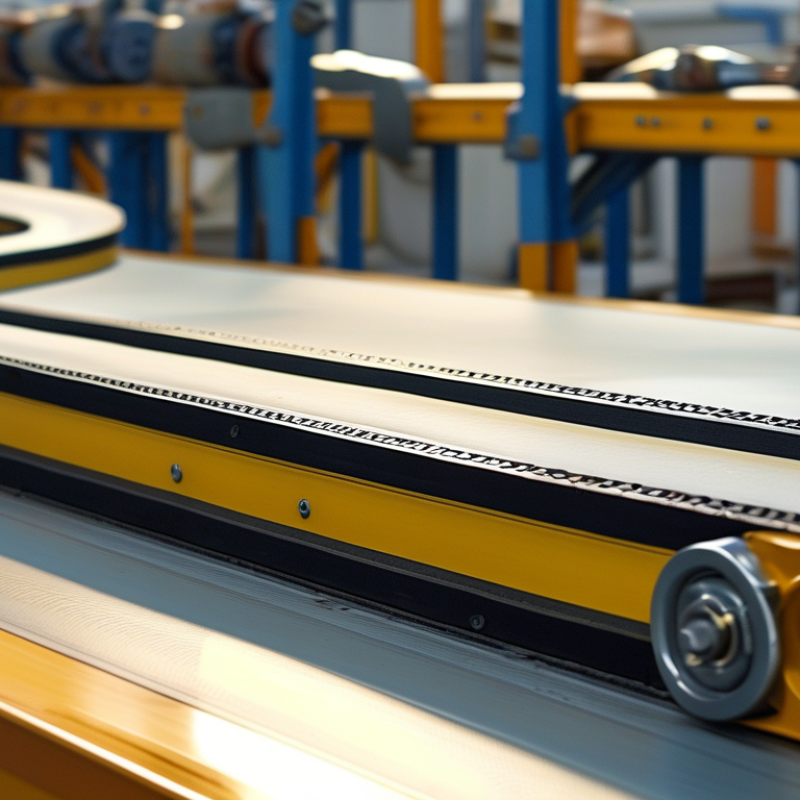
When selecting PU Light-Duty Conveyor Belts, understanding their key specifications is vital. Material composition is crucial; polyurethane provides durability and resistance to wear. Belts may feature different thicknesses, affecting their load capacity and performance. Consider the surface texture, as this impacts grip and material movement. Some belts come with a smooth surface, while others are textured for enhanced traction.
When examining the application, think about the environmental factors. Will the belt be exposed to chemicals or extreme temperatures? These elements impact the longevity and effectiveness of your conveyor belts. It's essential to match the belt's design to the specific tasks at hand. Be mindful of potential limitations in weight and size, as exceeding these can lead to premature wear or failure.
Consider maintenance requirements. Some light-duty conveyor belts require more upkeep than others. Regular checks for wear and tear can prevent costly downtimes. It's easy to overlook but essential for long-term efficiency. The choice of Light-Duty Conveyor Belts can significantly affect productivity. Always remember, a well-chosen belt enhances not just performance but also safety in your operations.
Evaluating Load Capacity and Durability for Optimal Performance
When selecting Pu Light-Duty Conveyor Belts, evaluating load capacity is crucial. Each belt can handle a different weight range. Knowing your specific needs helps avoid overloading, which can lead to faster wear. Look for belts made from high-quality materials that offer a balance between flexibility and strength. A belt designed for higher load capacities might be stiffer but will withstand more during operation.
Durability is another key factor to consider. A good belt should resist wear and tear, especially in high-traffic environments. Regular inspections can flag early signs of damage, allowing for timely replacements. While some options offer excellent durability, they may come with a higher initial cost. Reflect on the long-term savings versus upfront investment. Choosing the right Pu Light-Duty Conveyor Belts is not just about the price but also about ensuring they meet your specific performance needs.
Selecting the Right Belt Width and Length for Your Application
Choosing the right belt width and length is crucial for effective material handling. The dimensions of your Pvc Light-Duty Conveyor Belts should match your specific application requirements. Different industries have varying needs, so customization is key. A belt that is too narrow may lead to product spillage. Conversely, a width that's too wide can cause unnecessary wear and tear.
Length is equally important. A belt that's too short can lead to operational delays and inefficiencies. Assess the distance your materials need to travel. This step ensures that your conveyor system operates smoothly. Additionally, consider the weight of the products being transported. Heavier loads may require additional support features in your belt.
It’s not just about getting the measurements right. Reflecting on previous applications can help improve your choices. Have you encountered issues like material slippage or unexpected wear? These can serve as valuable lessons for future selections. Ultimately, investing time in choosing the correct width and length for your Pvc Light-Duty Conveyor Belts can significantly enhance your operational efficiency.
Analyzing Surface Textures for Improved Grip and Wear Resistance
When selecting the best PU light-duty conveyor belts, surface texture plays a crucial role. Textures designed for improved grip can significantly enhance performance. According to a recent industry report, belts with textured surfaces reduce slippage by 30%. This is vital in applications where consistent material movement is essential.
The choice of surface texture directly impacts wear resistance. A study from the Conveyor Belt Manufacturer Association showed that specific patterns can extend the lifespan of belts by up to 25%. However, not all surfaces provide equal benefits; analyzing the specific requirements of your operation is critical. Consider the type of materials being transported. For example, smooth surfaces may work better for light, delicate loads. In contrast, textured finishes might be necessary for heavier items or those prone to sliding.
When selecting PU light-duty conveyor belts, think about the specific conditions they will face. The right texture can optimize both efficiency and durability. Remember, regular assessments of your conveyor setup and belt condition may reveal areas for improvement. Knowledge is power in choosing the right components for your processes.
Considering Temperature Resistance and Chemical Compatibility
Choosing the right PU light-duty conveyor belt involves assessing two crucial factors: temperature resistance and chemical compatibility. These aspects significantly affect the belt's performance and longevity in diverse environments. Temperature extremes can compromise materials, while chemical interactions may weaken the belt over time.
For temperature resistance, consider the operational range your conveyor will face. If the environment fluctuates between high heat and cold, select a belt designed to withstand those extremes. Pay attention to the operating temperature specifications provided by the manufacturer. An unsuitable choice can lead to premature wear and unexpected failures.
Chemical compatibility is equally vital. Understand the substances your conveyor belt will encounter. Some materials react adversely, leading to degradation and failure. Conducting a thorough analysis of the chemicals involved minimizes risks. A belt that excels in one area may falter in another, so evaluating both factors is necessary.
Consider testing different belt samples in your specific environment. Observing how they perform under real conditions offers invaluable insights. Regular reviews of your conveyor system will help identify any issues early. Remaining adaptable will save time and money in the long run.
Assessing the Cost-Effectiveness of PU Conveyor Belts for Long-Term Use
When considering PU conveyor belts for light-duty applications, cost-effectiveness is a crucial factor. Pricing is not just about the initial investment. It involves gauging long-term value and performance. PU belts tend to offer excellent durability. They withstand wear and tear better than many alternatives. However, this durability may come with a higher upfront cost.
Evaluating how often a belt will need replacement is essential. Frequent replacements can add to overall expenses. Additionally, maintenance costs should not be overlooked. Some PU belts require minimal upkeep, making them a wiser choice down the line. When calculating total costs, consider productivity gains as well. Efficient belts can enhance workflow, potentially offsetting initial higher costs.
Yet, businesses may feel pressured to select the cheapest option. This can lead to compromising on quality and longevity. Users often regret such decisions when faced with breakdowns or lower efficiency. Reflecting on past experiences can guide better choices today. Instead of focusing solely on price tags, think about value.
How to Choose the Best Pu Light-Duty Conveyor Belts for Your Needs? - Assessing the Cost-Effectiveness of PU Conveyor Belts for Long-Term Use
| Feature |
Description |
Cost-Effectiveness Rating (1-5) |
Ideal Applications |
| Material Durability |
PU Belt offers high abrasion resistance and is suitable for various environments. |
4 |
Light manufacturing, packaging |
| Weight Capacity |
Designed to handle moderate weight loads effectively. |
4 |
Food processing, logistics |
| Temperature Resistance |
Can operate effectively in a range of temperatures, though not extreme. |
3 |
Warehouse, assembly lines |
| Maintenance Requirements |
Low maintenance, but periodic checks recommended. |
5 |
All environments |
| Cost |
Generally more affordable compared to other high-end materials. |
4 |
Budget-conscious projects |
Enhancing Material Handling Efficiency with Premium Suspended Conveyor Belt Rollers from Chinese Manufacturers
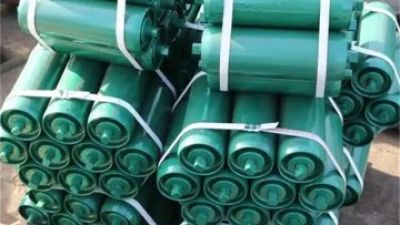
In the realm of material handling, the efficiency of conveyor systems largely depends on the quality of their components. Suspended conveyor belt rollers, commonly known as idlers, play a crucial role in this regard. These idlers are indispensable for maintaining the smooth operation of belt conveyors, which are widely utilized across various industries including mining, manufacturing, and logistics. According to recent industry reports, effective idler design can improve system efficiency by up to 15% due to reduced friction and enhanced load distribution.
Chinese manufacturers have emerged as leading suppliers of premium belt conveyor idlers, offering a diverse range of options to meet the specific needs of different belt conveyor models. Available types include groove, buffer, and parallel idlers, with specifications spanning 89mm to 219mm in diameter. The meticulous selection and installation of these idlers not only bolster operational performance but also extend the lifespan of the conveyor system. With options like iron, ceramic, and rubber rollers, these idlers cater to the varying demands of multiple industries, ensuring that businesses can maintain high operational standards without sacrificing reliability.
Moreover, the design of these conveyor idlers also prioritizes maintenance ease, an essential feature for logistics operations that require minimal downtime. Efficient idlers can significantly reduce maintenance costs and operational bottlenecks, allowing for faster material handling and improved overall throughput. As industries continue to embrace automation and efficiency in their material handling processes, the adoption of high-quality suspended conveyor belt rollers from reputable manufacturers is an investment in the future of operational excellence.
FAQS
: Evaluate material types, operating conditions, and load capacity. These factors are essential for making a wise choice.
Temperature variations can reduce lifespan by up to 30%. Chemicals may also impact the belt’s durability and performance.
Choose a belt with a capacity 10-15% higher than your expected load for better longevity and effectiveness.
Surface texture affects grip and product movement. Textured surfaces offer better traction compared to smooth ones.
Regular checks for wear and tear are crucial. Overlooking maintenance can lead to costly downtimes and inefficiencies.
A narrow belt may cause spillage, while a wide one can lead to premature wear. Both scenarios disrupt efficiency.
A too-short belt can create delays and inefficiencies. Ensure proper length to allow smooth operational flow.
Reflecting on past issues, like slippage and wear, aids in making better choices for conveyor belts.
Yes, matching the belt design to specific tasks enhances performance and overall safety in operations.
Yes, heavier loads often require additional support features. This consideration can prevent premature wear and failures.
Conclusion
Choosing the best PU light-duty conveyor belts requires a thorough understanding of your specific material handling requirements. Begin by identifying the types of materials you will be transporting and their respective weight, which will help determine the load capacity and durability needed for optimal performance. Additionally, it's crucial to evaluate the specifications of PU light-duty conveyor belts, including the appropriate belt width and length tailored to your application's dimensions.
Surface texture plays a vital role in ensuring better grip and wear resistance, while considering temperature resistance and chemical compatibility is essential for maintaining the integrity of the conveyor belts under varying operational conditions. Finally, assess the cost-effectiveness of PU conveyor belts for long-term use by comparing initial investment costs with performance and durability to ensure you make a wise decision that meets your needs efficiently.


 +86 18920794106
 Contact Phone
 Contact Email