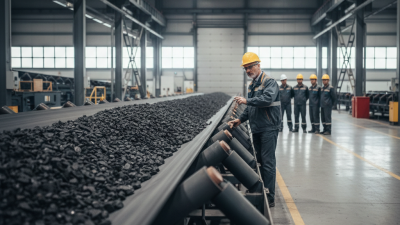
Picking out a conveyor belt isn't usually just about grabbing the one that looks the toughest. In manufacturing plants, for example, a belt might be used to transport cartons through a dry packaging setup or to move rough, abrasive materials under dusty transfer points. When it comes to Nylon Conveyor Belts, they’re popular because they’re strong, flexible, and can handle continuous movement. But honestly, the right choice isn’t just about the material label; you’ve got to consider the whole system setup.
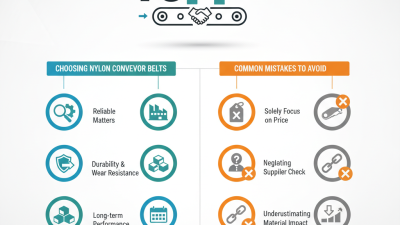
Henry Petroski, an engineer and author, drops a pretty handy reminder: “Form follows failure.” Basically, that means when you're choosing a belt, you should think about where things might wear out, develop tracking issues, or get damaged at splices—ideally before it actually causes a breakdown and halts production. In this guide, we’re looking at 10 nylon conveyor belts used in industry, comparing their construction, the conditions they’re best suited for, and other practical factors you should consider. We focus on details you can actually check yourself—like load capacity, belt width, pulley size, operating temps, and manufacturer info. Little mismatches can cause headaches later on; a belt that seems perfect on paper might not perform well in real life with different loads or speeds or if it's installed slightly differently.
Now, let’s be clear: no one-size-fits-all ranking can substitute for carefully reviewing your specific application. That’s why it’s crucial to check the actual materials—like the fabric type, cover compounds, and the belt’s design—as these vary from one manufacturer to another. Product claims should always be cross-checked against the technical specs and your site’s conditions. Also, we shouldn’t forget about ease of maintenance and what happens if you experience downtime—that’s often more important than just the initial cost. Basically, we’re aiming for a practical shortlist, not a single ‘best’ winner. Sometimes, the best choice isn’t obvious right away, so it’s worth asking all these questions before you go ahead and place an order.
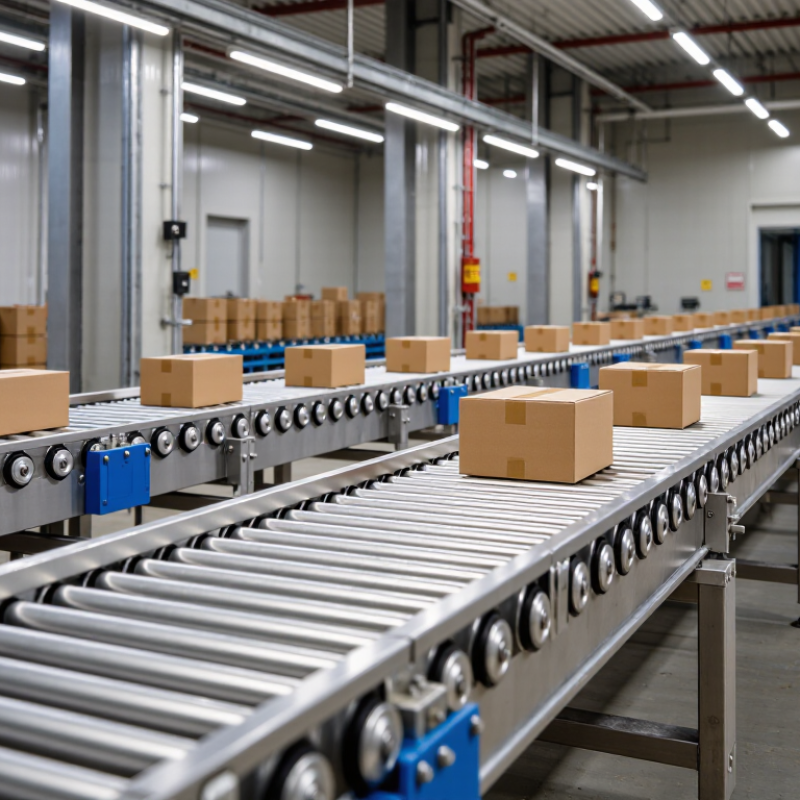
A nylon conveyor belt is a rubber-covered belt reinforced with woven nylon fabric, often called polyamide. The fabric carries tension; the outer covers protect it from abrasion, impact, and moisture. As the drive pulley turns, friction moves the belt and its load. Return idlers support the empty belt underneath. Simple in principle. Under load, though, belt tension, pulley diameter, and take-up travel all matter. Nylon’s flexibility helps belts pass around pulleys, while its stretch requires careful tension adjustment. A belt that sags can spill material; one pulled too tight may wear faster.
The Conveyor Equipment Manufacturers Association’s Belt Conveyors for Bulk Materials explains how engineers calculate belt tension and power using factors such as conveyor length, lift, speed, and material load. Those figures are not interchangeable across installations: wet ore, sharp aggregate, and packaged goods create different demands. ISO 14890 sets requirements and test methods for rubber- or plastic-covered textile conveyor belts, including dimensions and performance checks. It is a useful specification reference, not a guarantee that one belt suits every site. In practice, check the belt’s rated strength, cover grade, splice method, and operating temperature against measured conditions. I would also inspect tracking after startup; small alignment errors can become persistent edge damage. And the real load may vary more than the design sheet suggests.
Nylon Conveyor belts suit many industrial lines because their woven fabric layers combine tensile strength with flexibility. The fibers help carry heavy loads while resisting repeated bending around pulleys. That matters on long runs, where a belt may flex thousands of times each shift. The belt can also absorb impact from items dropped onto loading zones. Still, nylon is not a cure-all.
A useful property is its ability to handle shock loads without becoming brittle quickly. Its fabric construction can support stable tracking when the belt is correctly tensioned and aligned. Nylon also tolerates abrasion from packaged goods, aggregates, and other conveyed materials. In practice, the cover compound matters as much as the carcass. A rough, sharp product may wear through an unsuitable cover even when the fabric remains sound.
Moisture deserves attention. Nylon can absorb some water, which may affect belt dimensions and tension in certain operating conditions. Check the manufacturer’s specifications for temperature, load, speed, and cleaning exposure before selecting a belt. During inspection, look for frayed edges, uneven wear, and splice damage. Small signs can reveal a larger alignment problem. I would not choose by strength rating alone; pulley diameter and operating conditions matter, and they are easy to overlook.
Comparing the 10 best nylon conveyor belt options requires more than checking price or thickness. Start with the actual load, belt speed, and material shape. Sharp stone, warm packages, and oily parts demand different cover compounds. A Nylon Rubber Conveyor Belt may handle repeated flexing well, but its performance depends on the fabric layers and rubber quality. Ask for tensile strength, ply construction, minimum pulley diameter, and working temperature. These details reveal whether the belt suits your conveyor.
Look closely at joint design and edge stability. Poor alignment can damage even a strong belt. During a plant trial, watch for stretching, mistracking, surface cracking, and unusual noise. Record measurements after several operating shifts. Supplier test reports are useful, but your own conditions matter more. I once focused too heavily on breaking strength and underestimated pulley diameter. That mistake increased maintenance work.
Compare resistance to abrasion, oil, moisture, and impact using consistent test methods. Check whether replacement splices, technical support, and inspection guidance are available. A cheaper belt can become expensive after frequent stoppages. Calculate expected service life, energy demand, cleaning time, and installation labor. Do not trust impressive numbers without clear testing conditions. A careful comparison should also include safety documentation and traceable material information. Some choices look ideal on paper. Real conveyor behavior may disagree.
Nylon conveyor belts suit demanding industrial work because their fabric carcasses handle repeated bending and impact. The correct belt depends on load, speed, product shape, and operating temperature. Tensile strength matters, but it should not guide selection alone. A belt rated too high may still track poorly or require oversized pulleys.
For heavy stone, aggregate, or scrap, choose strong nylon plies and thick, abrasion-resistant covers. Check the belt’s minimum pulley diameter before installation. A 1,000-millimeter pulley can damage a belt designed for larger bends.
For packaged goods, moderate strength, smooth covers, and stable tracking may matter more. Food-handling areas also require cleanable surfaces and suitable joining methods.
Oil, moisture, and heat change the specification. Select resistant cover materials when greasy products reach the loading zone. Use heat-rated construction near ovens, dryers, or hot castings. Cleats and sidewalls help move loose material on inclined conveyors, but they increase cleaning and inspection needs.
Do not ignore splice strength. A strong belt with a weak splice remains unreliable. Maintenance records should track edge fraying, cover cuts, mistracking, and tension changes.
Some specifications look impressive on paper. Real conveyor conditions can disagree. Sample testing and a short monitored trial often reveal problems before full installation.
Selecting nylon conveyor belts starts with the worksite, not the catalog. A belt carrying crushed stone faces sharp impacts, dust, and sudden loading. A food packaging line needs cleaner surfaces and controlled temperatures. Moisture can reduce traction and change belt flexibility. Heat can harden the cover. Small details matter.
For long conveyors, Ep Conveyor Belts may provide useful dimensional stability because polyester reinforcement limits stretch. Nylon components still offer flexibility and impact resistance. Engineers should check belt width, tensile rating, pulley diameter, splice method, and expected load. A belt suited to a dry warehouse may fail near oil, steam, or abrasive dust. Measure actual conditions during peak production, not only during inspection.
In field reviews, selection errors often begin with one optimistic assumption: “the load is constant.” It rarely is. Starting torque, misalignment, and material buildup can create sudden stress. Tracking systems, cleaner design, and correct tension often protect performance better than a higher rating alone. Operators should record elongation, edge damage, and temperature changes each week. Yet no checklist catches everything. Recheck the choice after seasonal changes or process upgrades.
| Belt Type | Typical Construction | Suitable Applications | Operating Conditions to Consider | Selection and Performance Notes |
|---|---|---|---|---|
| General-purpose nylon fabric belt | Nylon fabric carcass with abrasion-resistant rubber covers | Packaged goods, general materials handling, and light-to-medium bulk conveying | Moderate load, ambient temperature, and limited impact | A versatile option for routine service. Select belt strength and cover thickness to match the conveyed load and expected wear. |
| Heavy-duty multi-ply nylon belt | Multiple nylon fabric plies bonded with rubber skim layers | Mining, aggregate, and heavy bulk-material transport | High tensile loads, long conveying distances, and frequent starts | Multiple plies can provide robust load support. Confirm that the belt rating, splice, pulleys, and take-up system suit the required operating tension. |
| High-impact nylon belt | Nylon fabric carcass paired with a thicker impact-resistant top cover | Transfer points handling rock, ore, or other large lumps | Material drop height, lump size, loading rate, and impact frequency | Impact performance depends on the complete system, including chute design and loading alignment; a thicker cover alone may not prevent carcass damage. |
| Abrasion-resistant nylon belt | Nylon carcass with a cover compound selected for abrasive service | Sand, gravel, crushed stone, and other abrasive materials | Particle sharpness, material speed, belt loading, and cleaning method | Cover abrasion resistance is a key factor. Correct belt tracking and loading help reduce uneven wear and edge damage. |
| Oil-resistant nylon belt | Nylon carcass with an oil-resistant elastomer cover | Conveying materials containing oils, fats, or greases | Oil type, concentration, contact duration, and temperature | Oil resistance varies by cover compound. Verify compatibility with the specific material because swelling or softening can shorten belt life. |
| Heat-resistant nylon belt | Nylon fabric carcass with a heat-resistant cover compound | Hot materials and processes with elevated ambient temperatures | Material temperature, exposure duration, cooling time, and ambient heat | Specify the actual temperature profile rather than a single peak value. Excessive heat can accelerate cover aging and affect adhesion between components. |
| Moisture-resistant nylon belt | Nylon carcass with a cover and construction suited to damp service | Outdoor conveying, wet processing, and washdown areas | Water exposure, humidity, drainage, cleaning chemicals, and freezing risk | Check the cover and splice for the full environment. Good drainage and suitable storage help limit moisture-related issues and corrosion of nearby equipment. |
| Cleated nylon belt | Nylon fabric carcass with molded or attached transverse cleats | Inclined conveying of packaged or bulk materials | Conveyor angle, material size, loading consistency, and return-side clearance | Cleat height and spacing should suit the material and incline. Confirm that the belt and cleats can pass over pulleys without interference. |
| Sidewall nylon belt | Nylon carcass with corrugated sidewalls, often combined with cleats | Steep-angle conveying where lateral containment is needed | Incline angle, feed rate, material behavior, and available conveyor space | Useful for containing material on steep routes. Sidewall and cleat dimensions must be coordinated with the conveyor layout and loading point. |
| Low-stretch nylon belt | Nylon fabric carcass engineered to limit elongation under working tension | Longer conveyors and applications requiring stable tracking or frequent cycling | Conveyor length, start-stop frequency, tension, and take-up travel | Working elongation depends on carcass design and operating tension. Correct tensioning and alignment remain essential for reliable tracking and splice life. |
Nylon conveyor belts perform reliably in demanding industrial applications, but maintenance determines their real service life. In daily inspections, check for frayed edges, exposed cords, surface cuts, and unusual shine from friction. A belt that drifts sideways often signals poor alignment, worn rollers, or uneven loading. Small defects deserve attention. They rarely remain small.
Keep the belt clean and dry, especially when dust, oil, or abrasive powder collects near pulleys. Use approved cleaners and avoid harsh chemicals that weaken the belt structure. Confirm proper tension with the equipment manufacturer’s procedure. Excessive tension strains splices and bearings, while low tension causes slipping. Inspect splices closely after heavy loads, temperature changes, or extended shutdowns. For Cc56 Conveyor Belts and similar nylon products, gradual acceleration can reduce shock loading. I have found that rushed adjustments often create new tracking problems. That mistake is easy to repeat.
Start with the worksite. Consider the material, load, dust, moisture, heat, oil, and expected production conditions. A belt handling crushed stone faces sharp impacts and abrasive dust.
Loads can change suddenly. Starting torque, misalignment, and material buildup may strain a belt more than a quiet inspection reveals.
Check belt width, tensile rating, pulley diameter, splice method, and expected load. Actual pulley measurements matter.
Watch for sideways drift, frayed edges, unusual surface shine, and uneven material loading. Drift can point to poor alignment or worn rollers.
A short check each shift can catch cuts, exposed cords, and buildup. Record condition and repairs weekly.
Keep it clean and dry, especially around pulleys. Use approved cleaners; harsh chemicals can weaken the belt.
Too much tension strains splices and bearings. Too little can cause slipping. Follow the equipment manufacturer’s procedure.
Use gradual acceleration, correct tension, and effective cleaners. These steps can help, though they cannot prevent every failure.
Keep them in a clean, dry place, support them without sharp bends, and rotate stored belts periodically. Small storage details are easy to overlook.
This article explores how Nylon Conveyor Belts move materials through industrial systems and why their strength, flexibility, abrasion resistance, and ability to handle repeated bending make them useful in demanding environments. It compares ten types of belt options by considering construction, load capacity, width, thickness, operating speed, and compatibility with different conveyor designs. The guide also explains how to match belt specifications to the materials being transported and the demands of applications such as manufacturing, processing, and material handling.
Operating conditions—including temperature, moisture, dust, impact, and continuous use—can influence belt performance and service life. The article outlines how to account for these factors when selecting a belt, as well as practical maintenance measures such as routine inspections, proper tensioning, cleaning, and timely repair. Together, these considerations help readers make informed choices and maintain reliable conveyor operation over time.