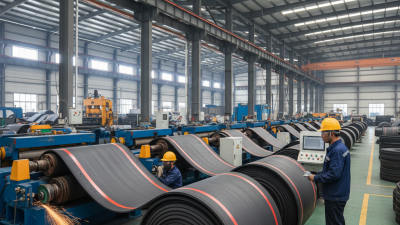
In today’s industrial world, safety really takes center stage. You’ve probably noticed the skyrocketing demand for fire-retardant conveyor belts — companies are putting more focus on managing risks. These belts are pretty much a must-have for reducing fire hazards during operations. They’re made with special materials that resist catching fire and even slow down burning if an incident occurs.
Picking the right supplier is super important here. Names like Belt Technologies and Habasit really stand out because they’ve got a solid reputation for making top-notch fire-retardant belts. Their products go through serious testing to make sure they meet international safety standards. Still, I get it — it can be confusing, with differences in performance and pricing throwing people off. Trying to understand all those specs can feel overwhelming, honestly.
Even with all the tech advancements, not all fire-retardant belts are created equal. Some just don’t cut it when it comes to specific safety requirements, which could be a real risk. That’s why it’s so vital to do your homework and chat with experts before pulling the trigger on a purchase. The key thing is to match the product features with your actual operational needs. Because at the end of the day, safety’s not the place to cut corners — making informed decisions protects your workers and your assets alike.
2026 Conveyor Belt Market Overview and Fire Retardant Trends
The conveyor belt market is evolving rapidly, particularly in fire retardant solutions. According to recent industry reports, the global fire retardant conveyor belt market is projected to grow by 4.5% annually through 2026. This growth reflects heightened awareness around safety standards and regulatory compliance across various industries.
In sectors like mining and manufacturing, Fire Retardant Belts are essential. They reduce fire hazards while maximizing production efficiency. One report noted that companies utilizing these belts noted a 20% decrease in fire incidents in the workplace. However, challenges exist. Many manufacturers struggle with sourcing high-quality materials that meet stringent safety standards. This raises questions about the reliability of some available options.
Ongoing research indicates that innovation in materials could enhance fire resistance properties. The need for sustainable and eco-friendly solutions is also emerging. Despite advancements, there remains a gap between technology and widespread adoption. Companies must weigh cost against safety. The right fire retardant belt can mean the difference between operational safety and catastrophic failure. This calls for a thoughtful approach from industry stakeholders to address both standards and material sourcing.
Importance of Fire Retardant Conveyor Belts in Industrial Safety Standards
Fire retardant conveyor belts play a crucial role in industrial safety standards. These belts are designed to withstand high temperatures and resist ignition. In facilities handling flammable materials, the importance of these products cannot be overstated. Standard conveyor belts may pose serious risks when exposed to heat or sparks. Fire Resistant Conveyor Belts provide an added layer of protection, minimizing fire hazards significantly.
Additionally, industries are under constant scrutiny regarding safety regulations. Compliance with fire safety standards is essential for operational integrity. The implementation of fire resistant conveyor belts can also lower insurance premiums. Companies may benefit from reduced risks and better compliance rates. Investing in quality fire resistant conveyor belts signals a commitment to safety. However, not all belts are created equal.
Various factors affect the performance of fire retardant conveyor belts. Material quality, thickness, and treatment methods vary, impacting durability. Some manufacturers might prioritize cost over safety, leading to subpar products. This serves as a reminder that diligence in selecting these belts is necessary. Transparency in sourcing and quality checks is critical. Ultimately, prioritizing safety with reliable fire resistant conveyor belts enhances workplace security for everyone.
Fire Retardant Conveyor Belts: Importance in Industrial Safety
Key Materials Used in Manufacturing Fire Retardant Conveyor Belts
Fire retardant conveyor belts are essential in various industries where flammable materials are handled. The key materials used in manufacturing these belts significantly influence their effectiveness. Polyvinyl chloride (PVC) and rubber are popular choices due to their flame-resistance properties. PVC provides a balance between flexibility and stability, making it ideal for certain industrial applications. Rubber, particularly when treated with fire retardant additives, can withstand higher temperatures and reduce combustion risks.
A study by the Conveyor Equipment Manufacturers Association (CEMA) indicates that around 25% of industrial fires start in conveyor systems. This highlights the importance of using appropriate fire retardant materials. The incorporation of aramid fibers and specialized coatings can further enhance the belt's fire resistance. These components greatly improve durability and create a safer working environment.
However, challenges remain in material performance under extreme conditions. While many belts meet safety regulations, ongoing testing is crucial. Some products may not perform consistently during extended use or under high-stress situations. Evaluating the long-term effectiveness of fire retardant properties is necessary to ensure reliability in industrial operations. The choice of materials is integral to achieving safety standards and minimizing risks.
Comparative Analysis of Global Fire Retardant Conveyor Belt Suppliers
When selecting fire retardant conveyor belts, buyers face an array of challenges. The market is flooded with various suppliers, each touting unique features. Navigating through these options requires diligent research and an understanding of specific needs. Certain suppliers excel in high-temperature applications, while others focus on chemical resistance. This diversity enhances the selection process but can also lead to confusion.
Evaluating the qualifications of suppliers is essential. Consider their industry experience, production standards, and client feedback. Many suppliers provide certificates and test results, which can help buyers make informed choices. However, it’s crucial to remember that not all certifications guarantee quality. A deeper inspection of their manufacturing processes and material sourcing can reveal underlying issues.
Pricing is another critical factor. While higher costs often correlate with better quality, it's not always the case. Some less expensive options may still meet safety standards effectively. Buyers must weigh cost versus performance carefully. Engaging with experienced professionals in the industry can provide invaluable insights into making the right decision. Balancing performance, safety, and budgetary constraints can lead to a wise investment in Fire Resistant Belt technology.
Regulatory Compliance and Certification for Fire Retardant Conveyor Belts
When selecting Flame-Retardant Conveyor Belts, regulatory compliance is crucial. Different industries face diverse fire hazards. Ensure your belts meet international fire safety standards. Certifications like ISO 340 and BS 6853 are common. These ensure the materials do not ignite easily and reduce flame spread.
Manufacturers must document compliance. Regular testing by third-party laboratories helps validate claims. Documentation builds trust with buyers. Many buyers overlook the importance of these certifications. It can lead to costly operational risks.
Awareness of regional regulations is also vital. Different countries have unique requirements. Understanding these can prevent delays. Continuous updates on regulatory changes may be necessary. Staying informed is essential for long-term safety and compliance.
2026 Best Fire Retardant Conveyor Belts for Global Buyers
| Type |
Material |
Temperature Resistance (°C) |
Width (mm) |
Length (m) |
Certification |
Applications |
| Fire Retardant |
Rubber |
120 |
600 |
50 |
ISO 340 |
Mining, Cement |
| Anti-static |
Polyester |
100 |
800 |
100 |
EN 14973 |
Food Industry |
| Heat Resistant |
Silicone |
200 |
1000 |
60 |
AS/NZS 1334 |
Textiles, Plastics |
| Oil Resistant |
Nitrile |
110 |
500 |
75 |
ISO 284 |
Automotive |
| Flame Proof |
PVC |
90 |
400 |
150 |
UL 94 V-0 |
Power Plants |
Cost-Benefit Analysis of Fire Retardant vs Standard Conveyor Belts
Fire retardant conveyor belts are becoming increasingly important in various industries. These belts are designed to resist ignition and slow the spread of flames. Choosing the right belt can have a significant impact on workplace safety and operational efficiency. While the initial costs of fire retardant options may be higher, the benefits often outweigh these expenses.
When comparing fire retardant conveyor belts to standard options, consider both safety and longevity. Fire retardant belts may prevent catastrophic losses from fires. The reduced risk of downtime due to fire damage can also lead to lower insurance premiums. However, the upfront investment can be a hurdle for some. It is crucial to analyze your industry's specific needs and potential fire hazards before making a decision.
In many cases, the cost-benefit analysis reflects long-term savings. Standard belts may seem cheaper at first, but they come with hidden costs. Frequent replacements and repairs can add up quickly. Companies should weigh these factors carefully, as investing in quality fire retardant belts can enhance safety and contribute to a more sustainable working environment. Each business must evaluate its unique situation to determine the best approach.
Future Innovations in Fire Retardant Technology for Conveyor Belts
Fire retardant conveyor belts are crucial for various industries. As we move towards 2026, innovations in fire retardant technology are promising. Recent studies indicate that effective fire-resistant materials can reduce fire risks by up to 70%. This statistic highlights an urgent need for improved safety measures in conveyor systems.
A focus on non-halogenated materials is evident in upcoming technologies. These materials are both safer for the environment and effective in fire resistance. Reports show that these innovations could expand the market share of fire retardant belts by an estimated 15% by 2026. Such advancements suggest a shift towards sustainable practices in manufacturing.
Despite these advancements, challenges remain. Engineers continue to face difficulties in balancing cost and performance. The integration of advanced polymer blends may enhance fire resistance but can lead to increased production costs. Ongoing research aims to address these concerns, searching for materials that maintain safety without excessive expenditure.
Analyzing the Growth and Advancements in Pipe Conveyor Belt Technology: Insights from Industry Reports and Market Trends
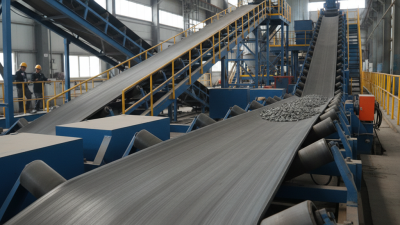
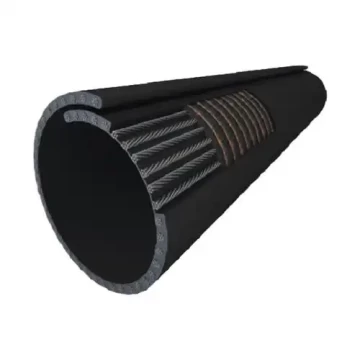
The advancement of pipe conveyor belt technology has been a significant focus in recent years, driven by the demand for more efficient and environmentally friendly transportation solutions in various industries. Recent industry reports indicate a growing trend towards the use of tubular conveyor belts, which encapsulate materials in a fully enclosed manner, minimizing dust emissions and spillage. This closed system not only protects the environment but also enhances the safety and efficiency of material handling processes, particularly for fine materials like powders or pastes.
A detailed analysis of production processes reveals that the tubular conveyor belt's core is typically made from high-strength canvas or steel wire rope, offering robust support while the specially engineered edges ensure a reliable seal. This innovative design allows for maximum conveying angles between 30 and 45 degrees, accommodating complex spatial arrangements including horizontal and vertical curves. Research shows that such systems can reduce energy consumption by up to 25%, showcasing the benefits of adopting modern conveyor belt technologies.
Furthermore, the adaptability of the tubular conveyor belt is noteworthy; modular design innovations allow for quick adjustments in width through a unique quick-lock mechanism, catering to diverse operational needs. Enhanced friction properties and resistance to various environmental factors, including fire, heat, and chemical corrosion, make these belts superior for a wide range of applications. Industry projections suggest that the demand for these belts will continue to rise as companies seek to improve their sustainability practices while maintaining operational efficiency.
FAQS
: Polyvinyl chloride (PVC) and rubber are popular due to their flame-resistant properties.
Around 25% of industrial fires start in conveyor systems, making safety a priority.
They improve fire resistance and durability, creating a safer work environment.
Some belts may not perform consistently under extreme conditions or stress.
Research supplier qualifications, industry experience, and client feedback are crucial.
Not necessarily; some cheaper belts still meet safety standards effectively.
They may require frequent replacements and repairs, increasing overall expenses.
They reduce fire risks and potential downtimes, enhancing productivity.
Evaluate industry needs, specific fire hazards, and budget constraints.
Yes, to ensure long-term effectiveness and reliability in industrial operations.
Conclusion
In 2026, the conveyor belt market is witnessing significant growth, driven by a rising emphasis on safety standards in industrial applications. Fire-retardant conveyor belts are becoming increasingly vital, as they help mitigate risks associated with fire hazards in various sectors. Key materials used in their manufacturing, such as aramid fibers and PVC compounds, enhance their flame-resistant properties, ensuring compliance with stringent safety regulations.
A comparative analysis of global suppliers highlights varying levels of certification and compliance with industry standards, emphasizing the importance of sourcing from trustworthy manufacturers. Moreover, a cost-benefit analysis reveals that while fire-retardant conveyor belts may have higher upfront costs, their potential to prevent catastrophic losses makes them a more prudent investment in the long run. Future innovations in fire-retardant technology are expected to further improve performance and safety, solidifying the role of fire-retardant conveyor belts in modern industry.


 +86 18920794106
 Contact Phone
 Contact Email