+86 18920794106
Leave Your Message
-
Contact WhatsApp
-
 Contact Phone
-
 Contact Email
The Philippines is currently undergoing a significant industrial transformation. Driven by massive national infrastructure projects under programs like "Build, Better, More," as well as a booming mining sector, the demand for reliable material handling equipment has skyrocketed. From the nickel-rich mountains of Surigao to the bustling ports of Manila and Batangas, modern factories and processing plants require high-performance conveying systems to maintain operational efficiency.
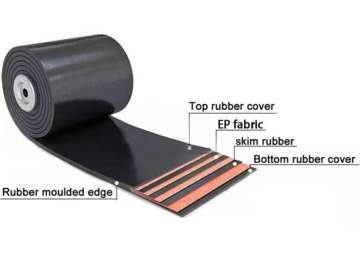
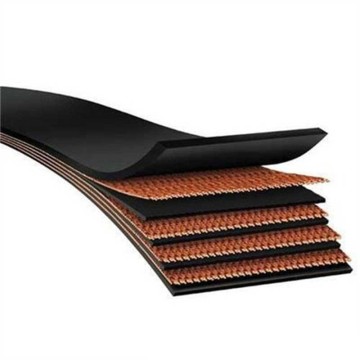
Among the key components of these systems, layered conveyor belts (also known as multi-ply conveyor belts) stand out as the backbone of bulk material transport. Engineered with multiple layers of high-strength synthetic fabrics like polyester (EP) or nylon (NN), these belts offer the perfect combination of structural stability, flexibility, and load-bearing capacity. Choosing a premier manufacturer and supplier that understands the unique geographical and environmental demands of the Philippines is crucial for minimizing downtime and maximizing productivity.
The Philippines experiences a tropical maritime climate characterized by high temperatures, extreme humidity, and heavy seasonal rainfall. Standard conveyor belts often suffer from rapid degradation, delamination, and mold growth under these conditions. Premium layered conveyor belts utilize advanced rubber compounding and moisture-resistant fabric plies to ensure long-lasting performance even in the harshest tropical environments.
Different regions in the Philippines present diverse industrial landscapes, each requiring specialized conveyor belt specifications to handle specific materials:
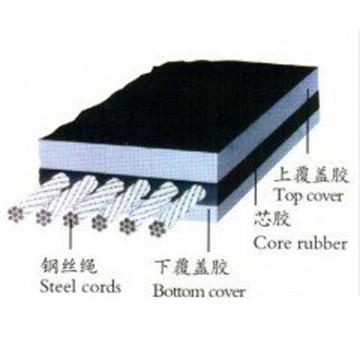
As one of the world's top nickel ore producers, mining operations in Surigao and Palawan demand heavy-duty conveyor belts capable of carrying abrasive ores over long distances. High-impact resistant EP layered belts and anti-tear steel wire rope core belts are critical here. These belts must withstand sharp rocks, heavy drop loads, and constant exposure to wet, muddy conditions during the monsoon season.
To feed the country's infrastructure pipeline, cement plants in Luzon and Visayas run continuous operations. Conveyor systems transport raw limestone, clinker, and finished cement. Heat-resistant and high-abrasion layered belts are deployed to handle materials at elevated temperatures directly from the kilns, preventing belt deformation and premature wear.
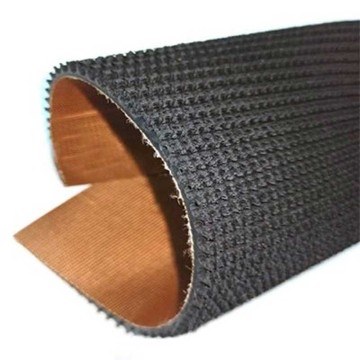
The agricultural heartlands of the Philippines process sugar cane, pineapples, bananas, and grains. In Negros, sugar mills rely on food-grade and chemical-resistant layered belts to transport sticky bagasse and raw sugar. In Davao, patterned conveyor belts are widely used for inclined transportation of packed agricultural products, preventing slippage during high-speed packaging processes.
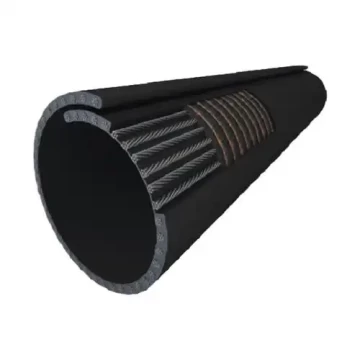
As an archipelago, maritime trade is the lifeblood of the Philippine economy. Mega-ports handle massive volumes of coal, grains, and minerals daily. Pipe conveyor belts and high-strength EP belts ensure dust-free, environmentally friendly, and rapid unloading of bulk cargo vessels, optimizing port turnaround times.
As Philippine enterprises strive for global competitiveness, the adoption of smart manufacturing and sustainable technologies is accelerating. Here are the key trends defining the future of conveyor systems in the country:
Partnering with a globally recognized manufacturer that offers dedicated supply chains to the Philippines guarantees access to high-quality rubber products. Key selection criteria should include:
Comprehensive Testing Facilities: Ensure the factory possesses advanced testing capabilities for tensile strength, elongation, adhesion, and abrasion resistance.
Customization Options: The supplier must be able to customize belt width, ply count, cover thickness, and rubber compound properties (heat-resistant, oil-resistant, acid-alkali resistant) to match your specific plant layout.
Efficient Logistics: Proven experience shipping to major Philippine ports (Manila, Cebu, Davao) with secure packaging to prevent transit damage.
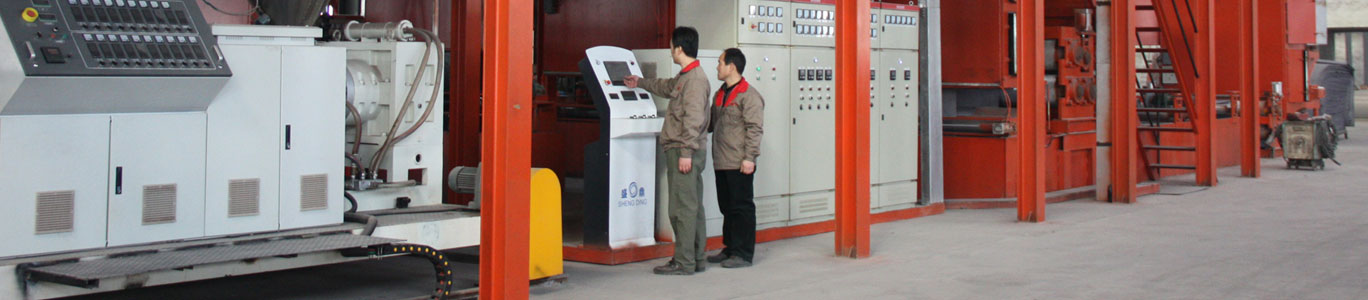
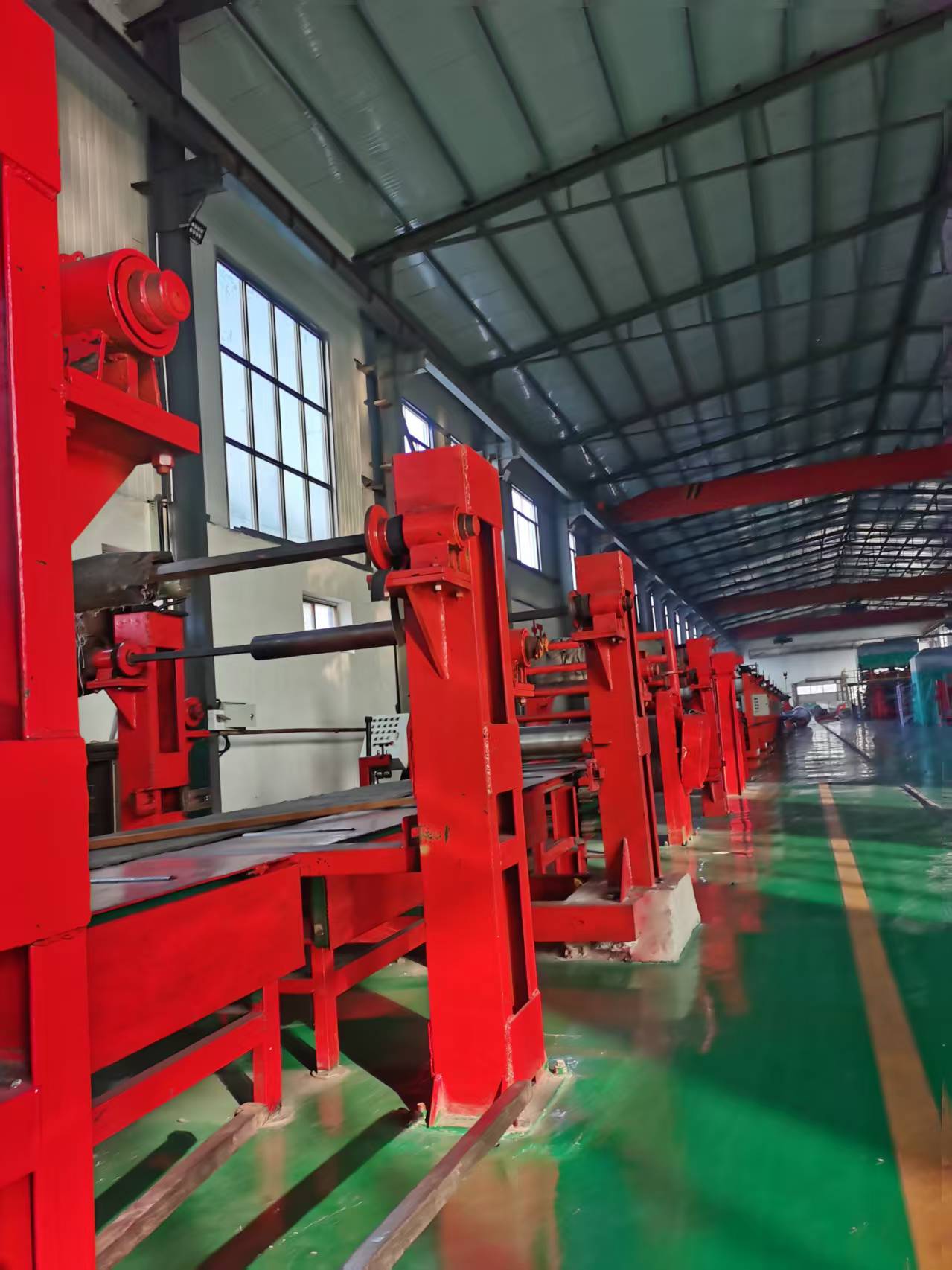
Heavy Duty Vulcanizing Press
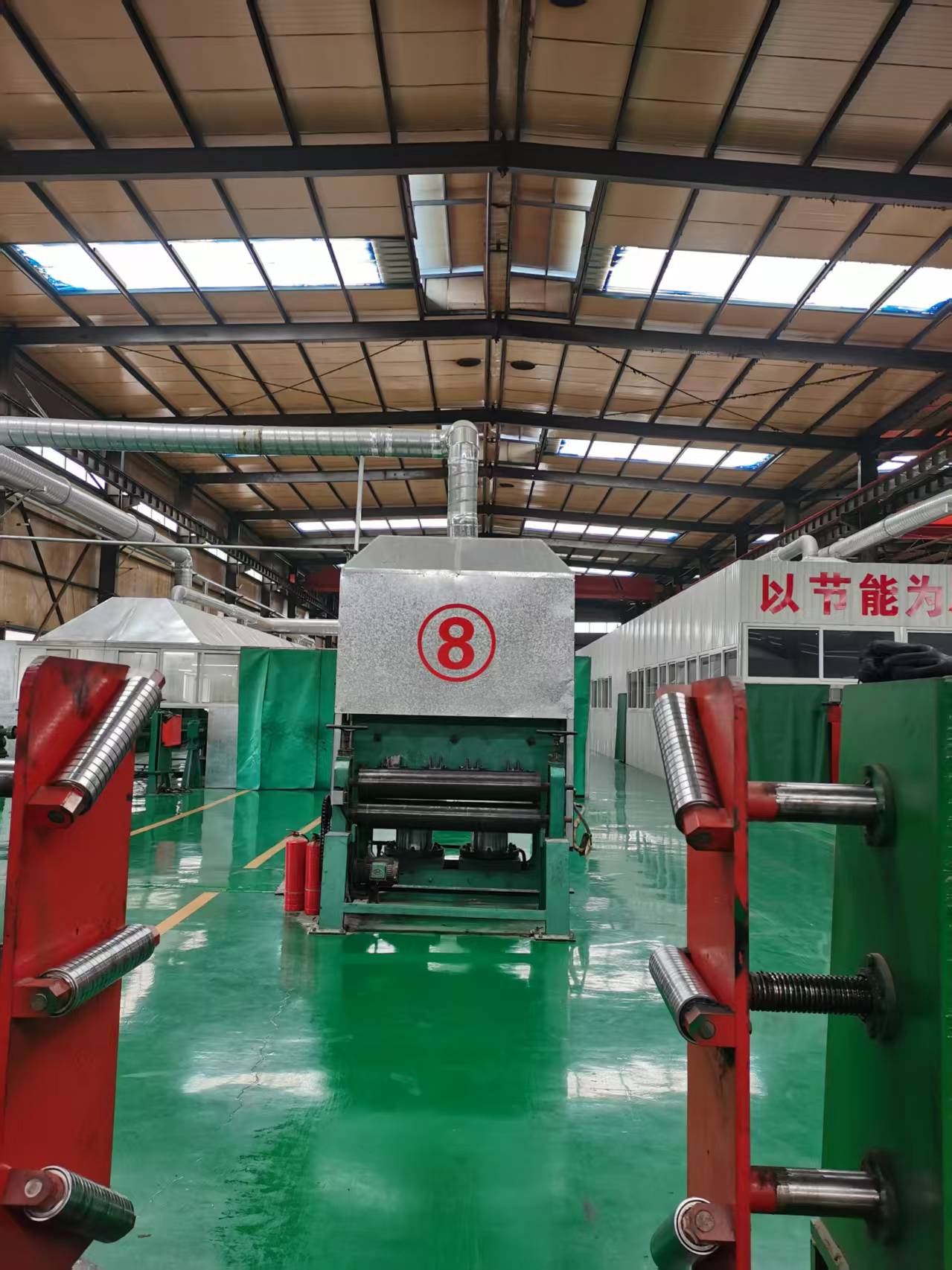
High Precision Calendering Line
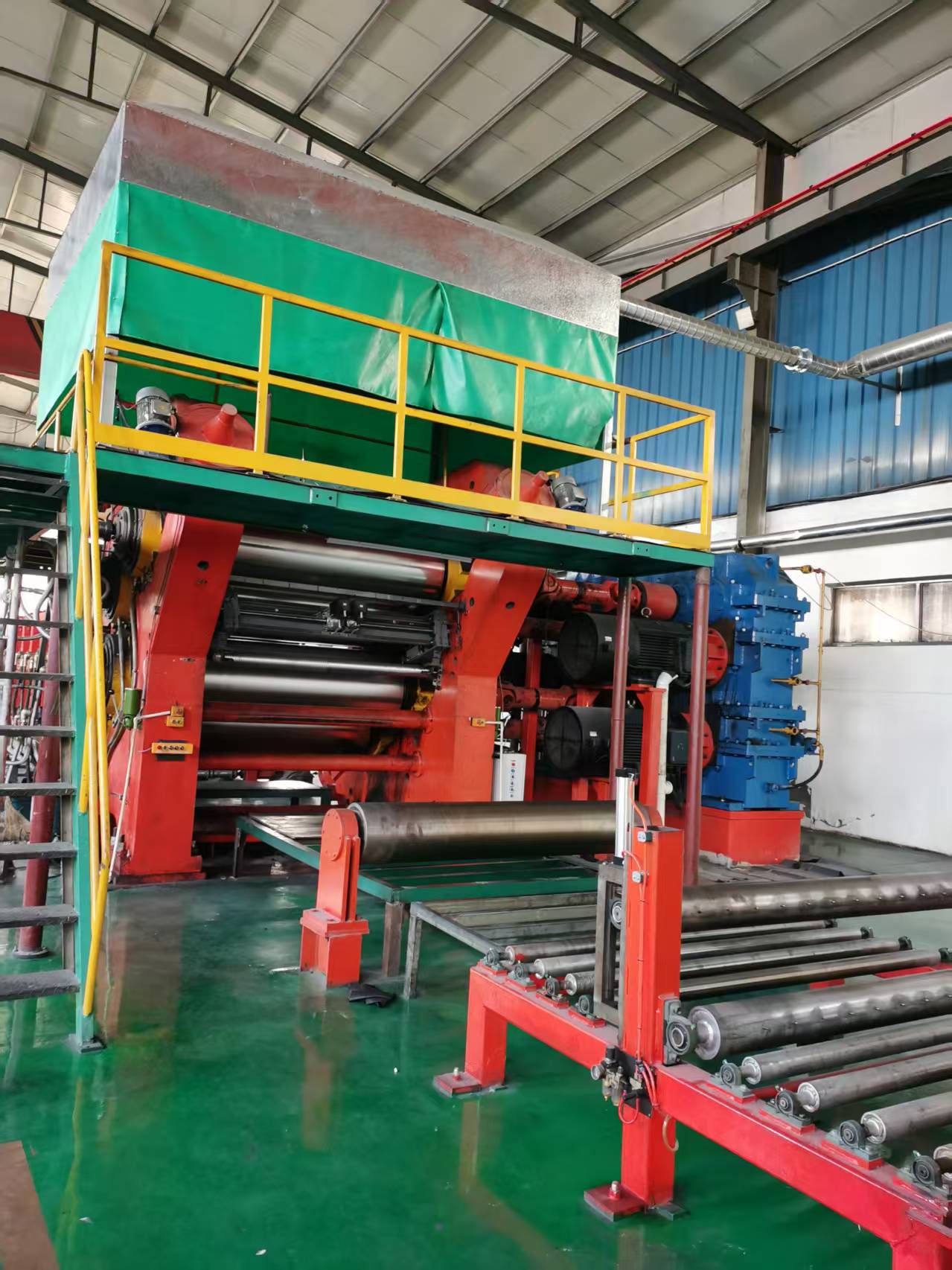
Automated Fabric Ply Builder
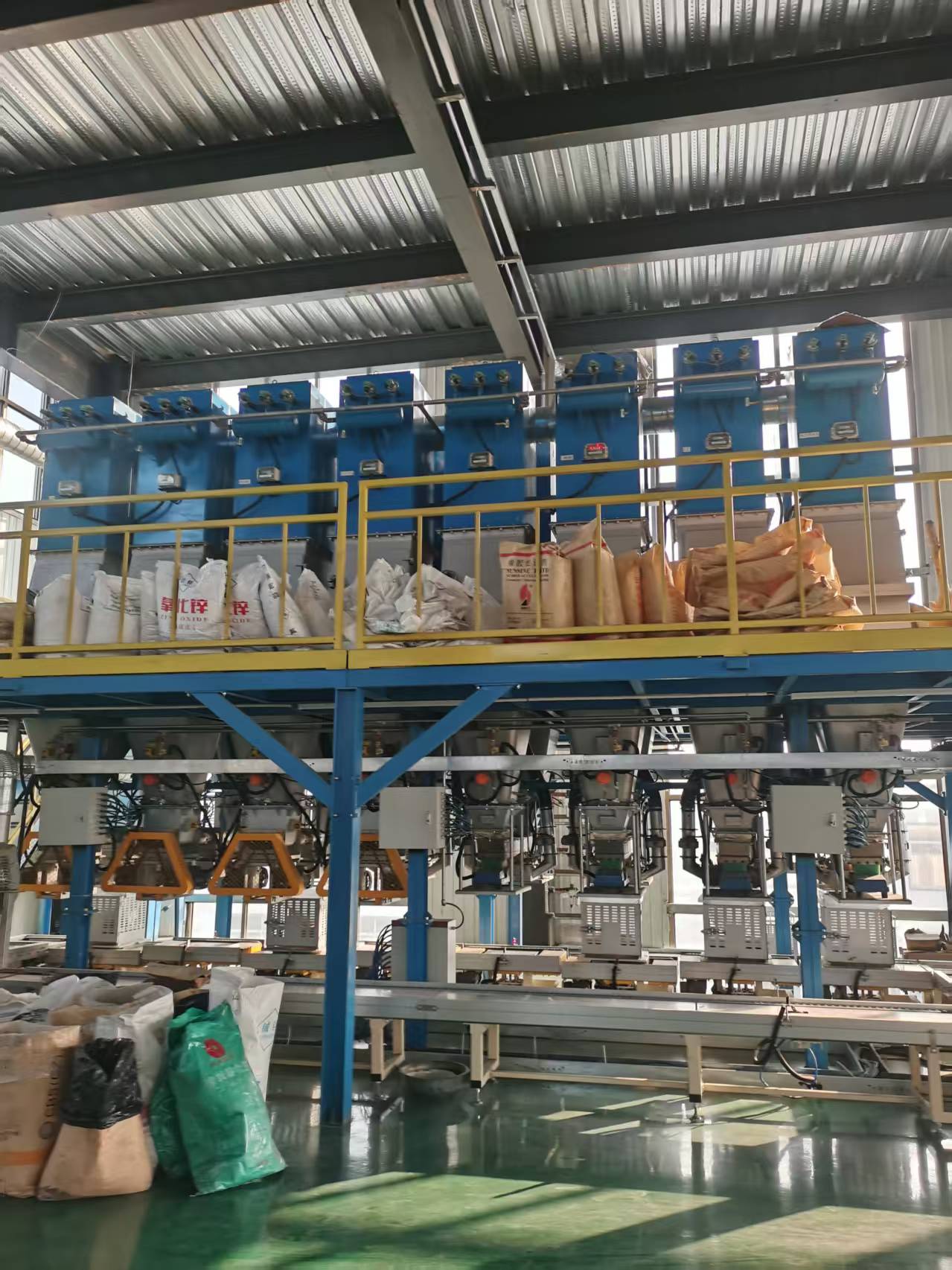
High-Speed Fabric Slitting Line
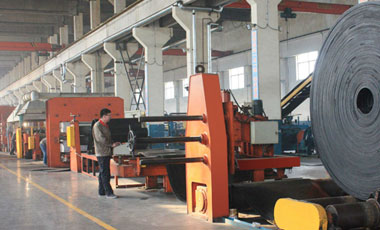
Production Line of Fabric Conveyor Belt
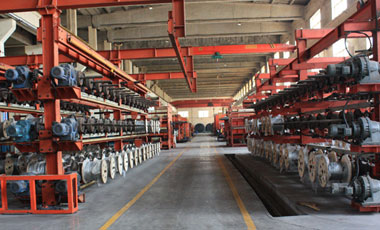
Production Equipment of Steel Cord Conveyor Belt
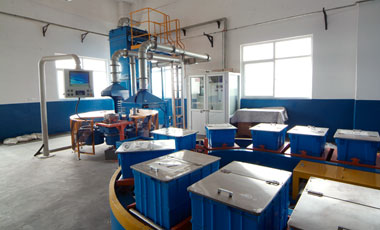
Proportioning Room of Mixing Center
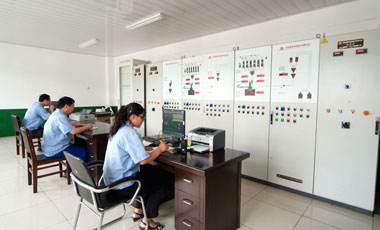
Proportioning System of Mixing Center
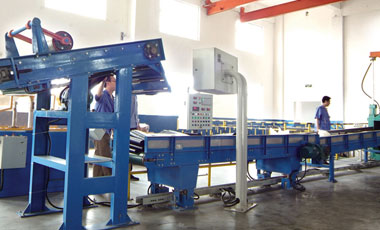
Feeding Device
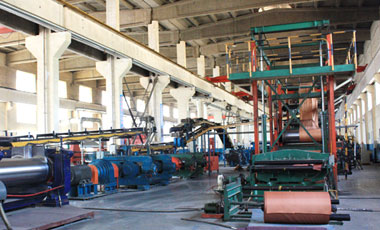
Calendering & Shaping Machine
Our testing laboratory is equipped with advanced instruments to execute rigorous quality checks on physical properties, including tensile strength, elongation at break, rubber-to-fabric adhesion, abrasion loss, and flame retardancy. This ensures that every conveyor belt dispatched to the Philippines complies with international standards such as DIN, AS, ISO, and JIS.