+86 18920794106
Leave Your Message
-
Contact WhatsApp
-
 Contact Phone
-
 Contact Email
The United States stands as one of the world's leading markets for anti-tear rubber conveyor belts, driven by robust industrial activity across mining, manufacturing, logistics, and agricultural sectors. With the American manufacturing renaissance and infrastructure modernization initiatives, demand for high-performance conveyor systems has experienced substantial growth. The U.S. conveyor belt market is valued at over $1.8 billion annually, with anti-tear variants representing a significant and growing segment.
Major industrial hubs including the Midwest's manufacturing corridor, Texas energy sector, Appalachian mining regions, and West Coast ports create diverse demand patterns. American manufacturers prioritize durability, safety compliance, and operational efficiency—qualities that anti-tear rubber conveyor belts deliver exceptionally well. The domestic market increasingly favors suppliers who can provide customized solutions, rapid delivery, and comprehensive technical support tailored to specific industrial applications.
The American conveyor belt industry is experiencing transformative changes driven by technological innovation and evolving operational demands. Smart conveyor systems integrated with IoT sensors for predictive maintenance are becoming standard in major facilities. Anti-tear rubber conveyor belts now incorporate advanced polymer compounds that extend service life by 40-60% compared to conventional alternatives, reducing total cost of ownership—a critical factor for U.S. operators focused on maximizing ROI.
Sustainability has emerged as a paramount concern, with manufacturers developing eco-friendly rubber compounds using recycled materials and bio-based components. The push toward carbon neutrality in American industry is driving innovation in energy-efficient conveyor systems and recyclable belt materials. Additionally, the reshoring of manufacturing operations to the United States has created new opportunities for domestic conveyor belt suppliers who can provide rapid response times and localized technical expertise.
Automation and Industry 4.0 integration represent another major trend. Modern anti-tear conveyor belts are designed to interface seamlessly with automated material handling systems, robotic loading/unloading stations, and real-time monitoring platforms. This technological convergence enables American facilities to achieve unprecedented levels of operational efficiency and safety compliance.
Coal mining in Kentucky, West Virginia, and Wyoming; copper mining in Arizona and Utah; iron ore extraction in Minnesota—these operations demand anti-tear conveyor belts capable of handling sharp, heavy materials in extreme conditions. American mining operations typically run 24/7, requiring belts with exceptional tear resistance and longevity.
Grain elevators in Iowa and Kansas, fruit processing facilities in California's Central Valley, and meat packing plants throughout the Midwest utilize anti-tear conveyor belts for efficient material handling. FDA compliance and food-grade materials are critical requirements in these applications.
Major ports in Los Angeles, Houston, New York/New Jersey, and Seattle handle millions of tons of containerized cargo annually. Anti-tear conveyor systems facilitate rapid loading/unloading operations, with belts designed to resist saltwater corrosion and handle diverse cargo types from bulk materials to packaged goods.
Automotive plants in Michigan, steel mills in Pennsylvania and Indiana, and electronics manufacturing facilities across the Sun Belt rely on precision-engineered conveyor systems. Anti-tear belts ensure continuous production flow, minimizing costly downtime in high-value manufacturing environments.
With increasing emphasis on circular economy principles, recycling facilities throughout the U.S. process construction debris, electronic waste, and municipal solid waste. Anti-tear conveyor belts handle abrasive, irregularly shaped materials while maintaining operational reliability in demanding sorting and processing environments.
Coal-fired power plants, biomass facilities, and renewable energy installations utilize specialized conveyor systems. Anti-tear belts transport fuel materials, ash, and biomass feedstock, often operating in high-temperature environments requiring heat-resistant rubber compounds.
U.S. industrial applications demand conveyor belts meeting rigorous standards including MSHA (Mine Safety and Health Administration) certification for mining operations, FDA compliance for food processing, and OSHA safety requirements across all sectors. Anti-tear rubber conveyor belts designed for American markets typically feature:
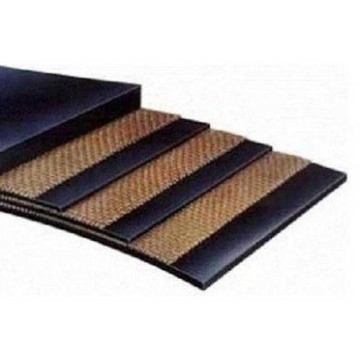
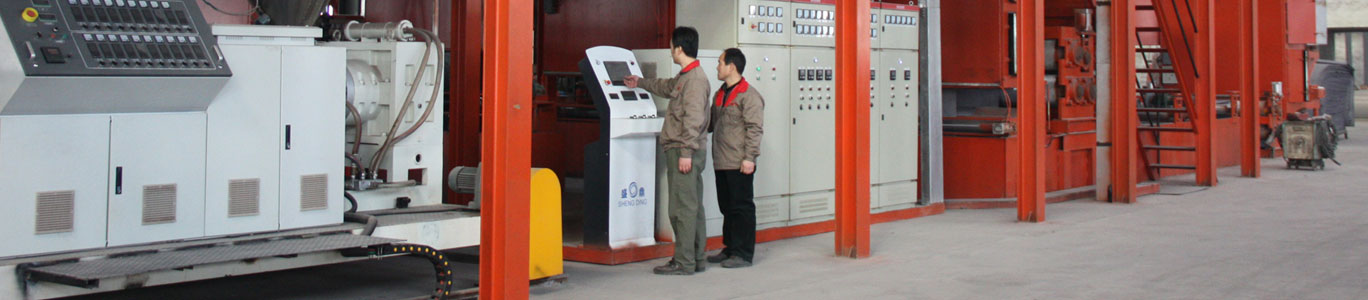
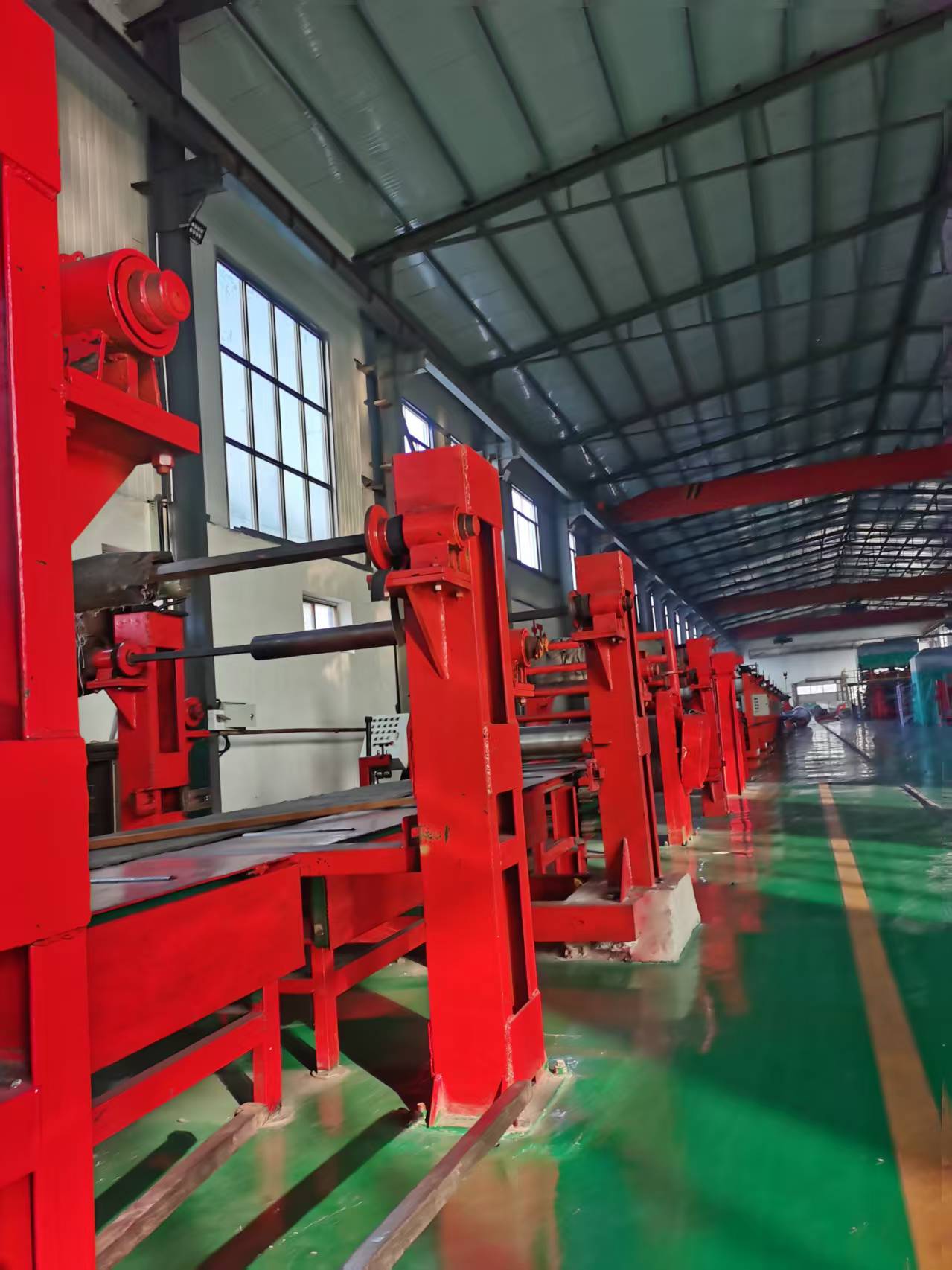
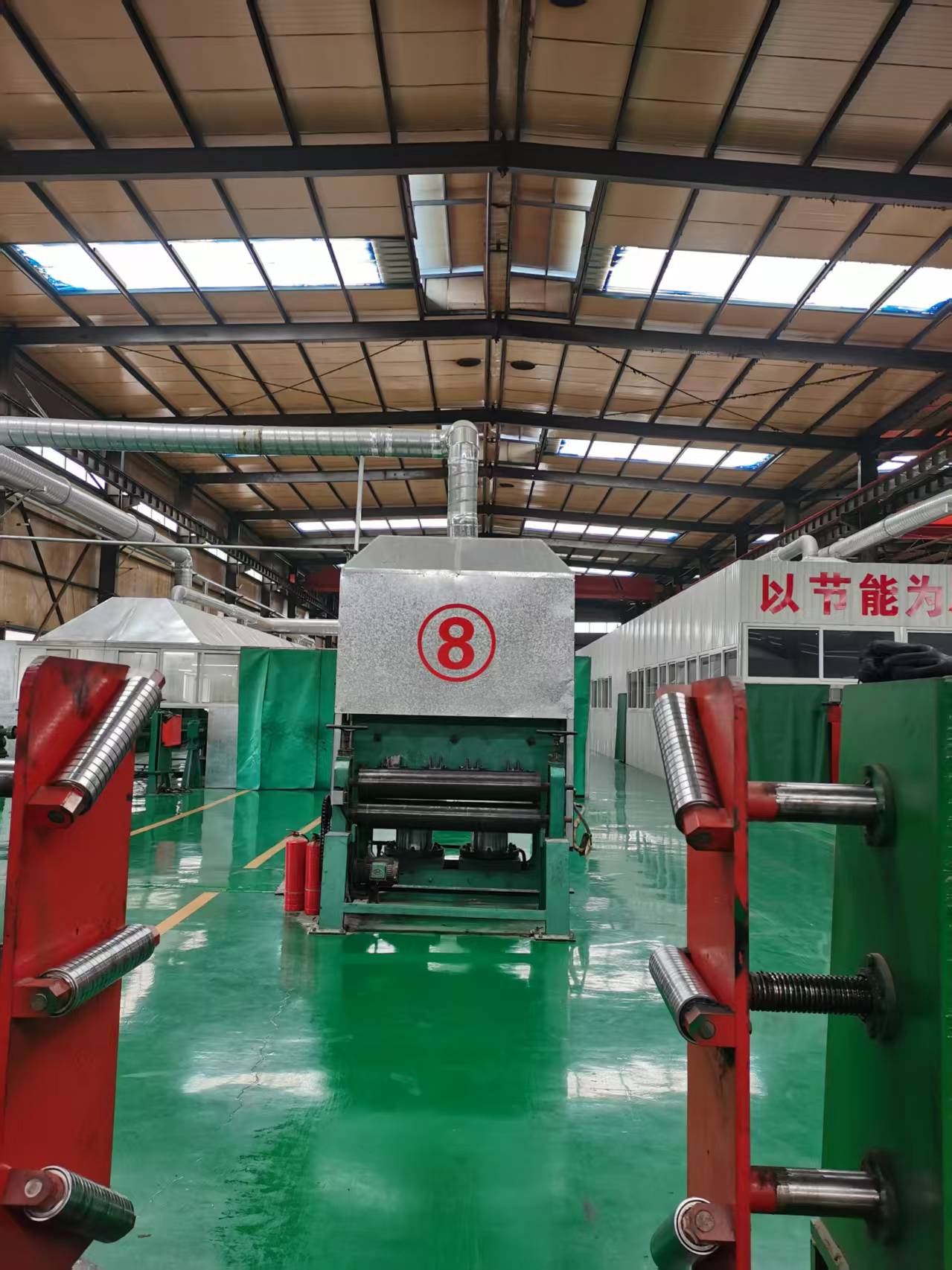
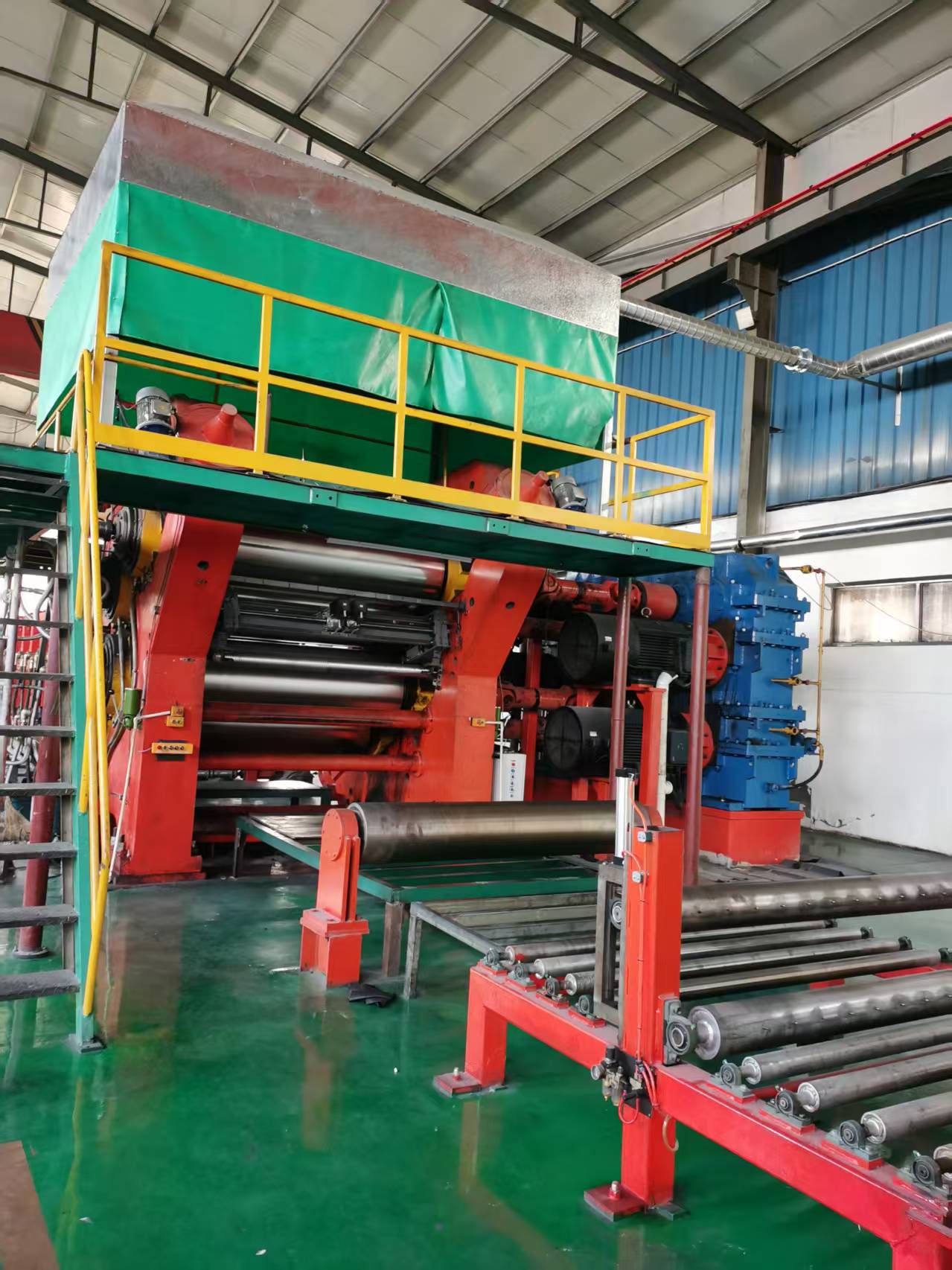
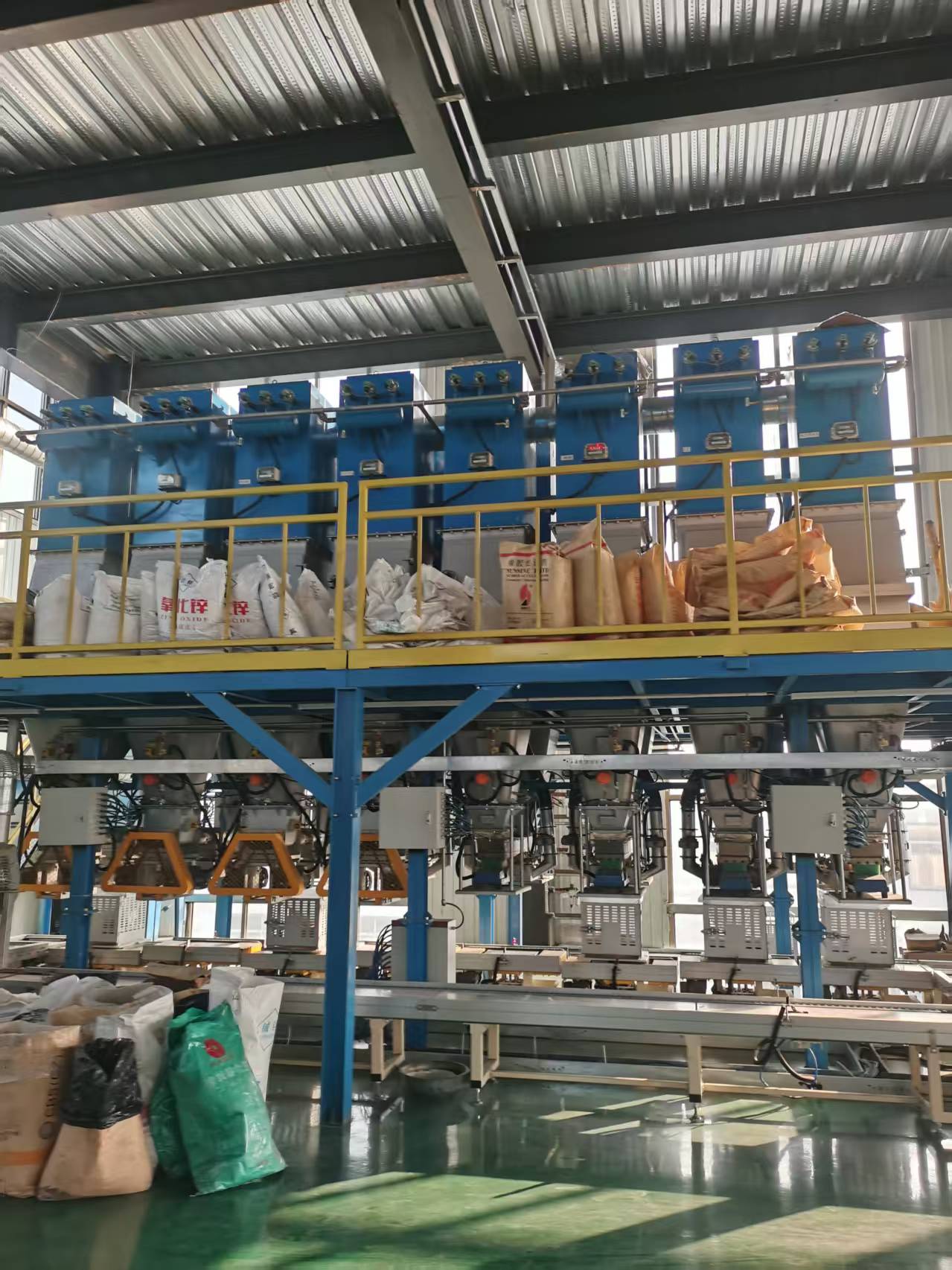
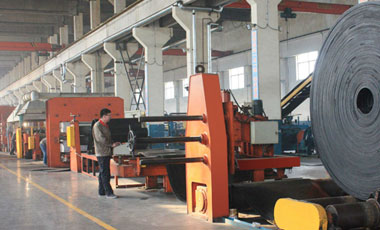
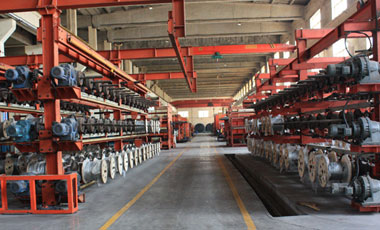
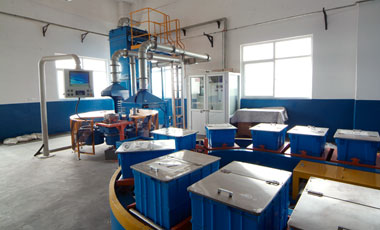
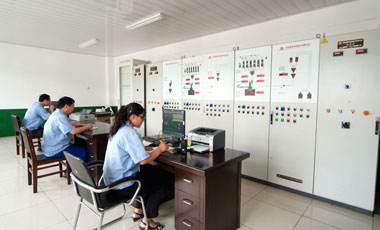
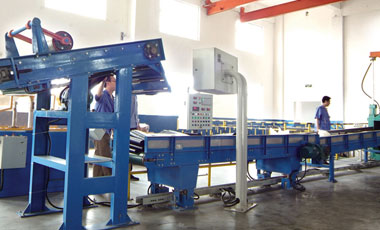
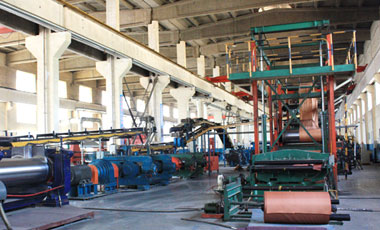
Leading anti-tear rubber conveyor belt manufacturers serving the U.S. market maintain state-of-the-art production facilities equipped with cutting-edge technology. Modern manufacturing processes include precision calendaring systems, multi-ply fabric laying equipment, and advanced vulcanization presses capable of producing belts up to 2,000mm wide and virtually unlimited lengths. Computer-controlled production lines ensure consistent quality and dimensional accuracy critical for American industrial applications.
Quality control protocols exceed international standards, with comprehensive testing at every production stage. Manufacturers employ advanced testing equipment including tensile strength analyzers, tear propagation testers, abrasion resistance machines, and dynamic fatigue simulators that replicate decades of operational stress in accelerated timeframes. This rigorous approach ensures that belts delivered to U.S. customers meet or exceed specified performance parameters.
Understanding that no two industrial operations are identical, manufacturers offer extensive customization options tailored to specific U.S. applications. Custom belt configurations can include specialized edge treatments, cleated surfaces for incline conveying, sidewalls for bulk material containment, and integrated monitoring systems. Engineering teams work directly with American facility managers to design optimal solutions considering factors such as material characteristics, environmental conditions, conveyor geometry, and operational requirements.
Rapid prototyping capabilities enable manufacturers to develop and test custom belt designs efficiently, reducing time-to-deployment for critical projects. This agility is particularly valuable in the fast-paced American industrial environment where minimizing downtime and accelerating project timelines directly impact profitability.
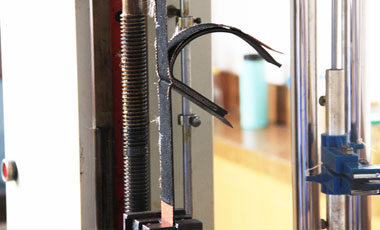
Peeling Test
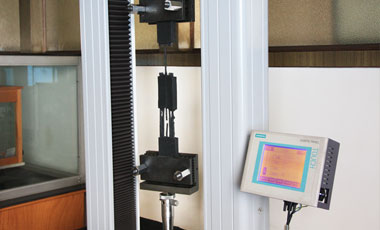
Steel Cord Pull-out Machine
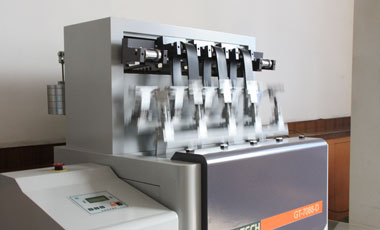
Dynamic Fatigue Tester
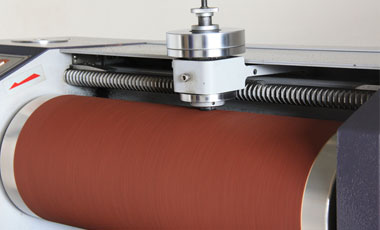
Abrasion Tester
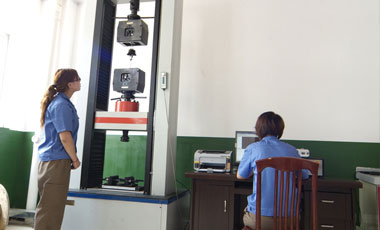
Abrasion Tester
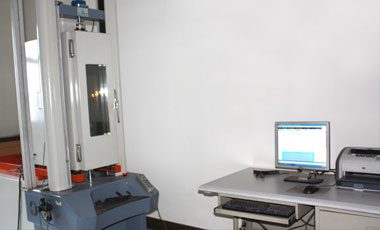
Physical Properties Testing
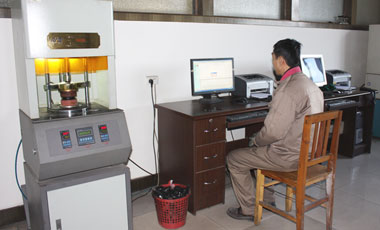
Test
The United States' diverse climate zones require careful consideration when selecting anti-tear rubber conveyor belts. Northern facilities in states like North Dakota, Minnesota, and Alaska face extreme cold conditions where standard rubber compounds can become brittle and prone to cracking. Specialized cold-resistant formulations maintain flexibility and tear resistance at temperatures as low as -40°F, ensuring reliable operation during harsh winter months.
Conversely, facilities in the Sun Belt—Texas, Arizona, Nevada, and Southern California—contend with intense heat and UV exposure. High-temperature rubber compounds and UV-resistant cover materials prevent premature degradation, maintaining belt integrity in environments where surface temperatures can exceed 150°F. Desert operations also benefit from dust-resistant designs that prevent particle infiltration into belt structures.
Coastal facilities face unique challenges from saltwater exposure and high humidity. Corrosion-resistant components, sealed edge treatments, and moisture-resistant adhesives are essential for conveyor systems in ports and marine-adjacent industrial facilities. Manufacturers serving the U.S. market provide region-specific recommendations based on decades of application experience across diverse American environments.
Successful conveyor belt implementation extends beyond product quality to encompass expert installation and commissioning. Leading suppliers provide comprehensive on-site services including belt installation, splicing (mechanical and vulcanized), alignment verification, and system commissioning. Experienced technicians ensure proper tensioning, tracking, and integration with existing material handling infrastructure, minimizing startup issues and accelerating time-to-full-production.
For complex installations in major American industrial facilities, project management services coordinate all aspects of belt replacement or new system implementation, working seamlessly with facility maintenance teams, contractors, and equipment suppliers to ensure on-time, on-budget project completion.
Preventive maintenance programs help American facilities maximize belt service life and minimize unplanned downtime. Regular inspections identify wear patterns, potential failure points, and optimization opportunities before they impact operations. Many suppliers offer predictive maintenance services utilizing thermal imaging, vibration analysis, and belt monitoring systems to detect issues in early stages.
Emergency response capabilities are critical in 24/7 industrial operations where unexpected belt failures can cost thousands of dollars per hour in lost production. Established suppliers maintain strategic inventory locations across the United States, enabling rapid deployment of replacement belts and technical personnel to minimize downtime during critical failures.
The American anti-tear rubber conveyor belt market is poised for continued growth driven by infrastructure investment, manufacturing expansion, and technological innovation. The Infrastructure Investment and Jobs Act allocates substantial funding for transportation, mining, and industrial facility upgrades, creating significant demand for high-performance conveyor systems. Additionally, the ongoing reshoring trend brings manufacturing operations back to the United States, requiring modern material handling solutions.
Emerging technologies including artificial intelligence for predictive maintenance, advanced materials science producing next-generation rubber compounds, and smart sensors enabling real-time performance monitoring will transform conveyor belt operations. American facilities adopting these innovations will achieve unprecedented levels of efficiency, safety, and sustainability.
Environmental considerations will increasingly influence purchasing decisions, with demand growing for recyclable belts, energy-efficient designs, and products manufactured using sustainable processes. Forward-thinking suppliers investing in green technologies and circular economy principles will gain competitive advantages in the evolving American market.