


 +86 18920794106

02/03





-
Comparison of Heat-Resistant Steep-Angle Conveyor Belts a...
-
-


Underground mining operations, tunnel construction projects, and subterranean material handling facilities present unique challenges that demand specialized safety equipment. Fire-risk underground environments are characterized by confined spaces, limited ventilation, accumulation of combustible materials, and the presence of potential ignition sources. These conditions create a perfect storm where traditional conveyor belts can become catastrophic fire hazards.
The mining industry has witnessed devastating fires caused by conveyor belt ignition, resulting in loss of life, equipment damage, and prolonged operational shutdowns. According to global mining safety statistics, conveyor belt fires account for approximately 30% of all underground mine fires, with repair costs often exceeding millions of dollars and recovery times spanning several months.
In underground environments with poor ventilation, a conveyor belt fire can produce toxic smoke that spreads rapidly through tunnels, creating life-threatening conditions within minutes. Anti-tear rubber conveyor belts with fire-resistant properties are not just equipment upgrades—they are essential life-saving investments.
The global market for fire-resistant conveyor belts in underground applications has experienced significant growth, driven by increasingly stringent safety regulations and heightened awareness of workplace safety. Major mining nations including Australia, Canada, South Africa, and China have implemented mandatory fire-resistance standards for underground conveyor systems.
Industry analysis reveals that the fire-resistant conveyor belt market is projected to grow at a CAGR of 6.8% through 2030, with underground mining applications representing the largest segment. This growth is fueled by the expansion of underground mining operations, modernization of existing facilities, and replacement of aging conveyor systems with advanced safety-compliant alternatives.
Modern anti-tear rubber conveyor belts incorporate specialized fire-resistant compounds that meet international standards such as ISO 340, EN 12882, and AS 1332.1. These compounds contain flame retardant additives that significantly reduce ignition probability and limit flame propagation.
The rubber formulation includes halogen-free flame retardants, ensuring that even in combustion scenarios, toxic gas emission is minimized. This is particularly critical in underground environments where smoke toxicity poses greater danger than the fire itself.
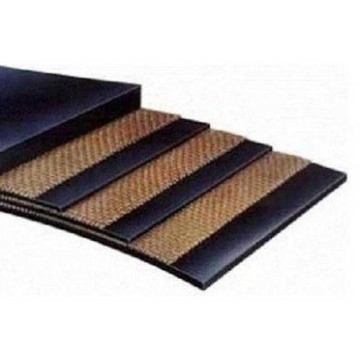
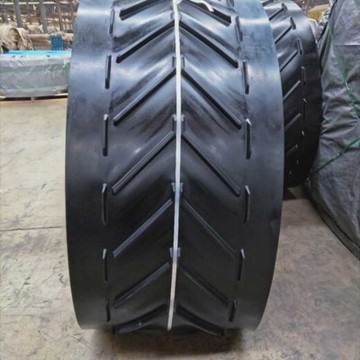
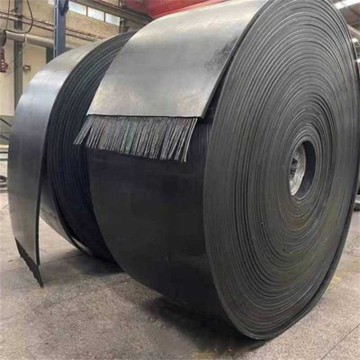
Anti-tear properties are achieved through multi-layer reinforcement structures incorporating high-tensile steel cables, aramid fibers, or polyester fabrics. These reinforcement layers provide exceptional longitudinal and transverse tear resistance, preventing catastrophic belt failures that could lead to equipment damage and fire hazards.
The reinforcement design also includes specialized tear-stop features that limit damage propagation if a tear does occur, maintaining operational integrity and preventing secondary hazards.
Premium anti-tear rubber conveyor belts feature self-extinguishing characteristics, meaning they will not sustain combustion once the ignition source is removed. This property is tested through standardized flame tests where the belt must self-extinguish within specified timeframes, typically 15-30 seconds.
Advanced formulations ensure that even if ignition occurs, smoke density remains minimal. This is measured through optical smoke density tests, with compliant belts producing significantly less smoke than conventional rubber products, maintaining visibility for emergency evacuation.
Underground conveyor belts accumulate static electricity through friction, creating potential ignition sources. Anti-tear fire-resistant belts incorporate conductive materials that dissipate static charges safely, eliminating this ignition risk while maintaining fire-resistant properties.
Coal mining represents the most demanding application for fire-resistant anti-tear conveyor belts. The presence of coal dust, methane gas, and high temperatures creates an environment where fire prevention is paramount. Modern underground coal mines utilize conveyor systems spanning several kilometers, transporting thousands of tons of material daily.
In these applications, anti-tear rubber conveyor belts must withstand abrasive coal materials while maintaining fire resistance throughout their operational life. The belts typically feature enhanced cover thickness (8-12mm top cover, 5-8mm bottom cover) to resist wear from sharp coal fragments while preserving the fire-resistant rubber layer.
Underground metal mines extracting copper, gold, nickel, and other minerals face different challenges. Sharp-edged ore pieces can cause severe belt damage, making tear resistance critical. These operations often involve long-distance conveying through complex tunnel networks where belt failure would result in costly downtime.
Fire risk in metal mines comes from friction heat, electrical equipment, and diesel-powered vehicles operating in confined spaces. Anti-tear fire-resistant belts provide dual protection: preventing fires caused by belt failure and resisting ignition from external sources.
Major infrastructure projects including railway tunnels, highway tunnels, and underground metros rely on conveyor systems for material removal during construction. These temporary installations still require maximum safety standards, as construction sites often have limited fire suppression capabilities and complex evacuation routes.
Modern underground storage facilities for grain, minerals, and strategic reserves use conveyor systems in environments with explosive dust atmospheres. Anti-tear fire-resistant belts in these applications must meet additional ATEX or IECEx explosion-proof certifications, combining fire resistance with dust explosion prevention.
The next generation of anti-tear rubber conveyor belts incorporates embedded sensors for real-time condition monitoring. These smart belts can detect temperature anomalies, mechanical stress, and early signs of wear, providing predictive maintenance data that prevents failures before they occur.
IoT-enabled conveyor systems transmit data to central control rooms, allowing operators to monitor multiple underground conveyor installations simultaneously. Machine learning algorithms analyze patterns to predict potential fire risks and schedule maintenance interventions proactively.
Research into advanced polymer compounds is producing rubber formulations with superior fire resistance without compromising mechanical properties. Nanotechnology applications are creating belts with enhanced tear strength, improved flexibility at low temperatures, and extended service life.
International safety standards continue to evolve, with newer versions of ISO 340 and regional standards imposing stricter requirements. Future regulations are expected to mandate temperature monitoring, require shorter self-extinguishing times, and establish lower limits for toxic gas emission during combustion.
These regulatory changes are driving innovation in belt design and manufacturing processes, pushing the industry toward even safer products that exceed current requirements.
The mining industry's commitment to sustainability is influencing conveyor belt development. Manufacturers are focusing on longer-lasting products that reduce waste, recyclable materials that minimize environmental impact, and energy-efficient designs that lower operational costs.
Anti-tear fire-resistant belts with extended service life (8-10 years versus traditional 3-5 years) represent significant sustainability improvements, reducing material consumption and disposal requirements while maintaining safety standards.
Verify that belts meet relevant standards for your region: ISO 340 for international applications, MSHA approval for US operations, AS 1332.1 for Australian mines, or EN 12882 for European installations. Request test certificates and ensure ongoing compliance monitoring.
Calculate required tear strength based on material characteristics, conveyor configuration, and potential impact scenarios. Underground applications typically require minimum longitudinal tear strength of 150 N/mm for coal mining and 200 N/mm for hard rock mining.
Select appropriate cover thickness based on material abrasiveness and impact loading. Fire-resistant compounds must be maintained throughout the belt's service life, requiring adequate initial thickness to accommodate wear while preserving safety properties.
Consider temperature ranges, humidity levels, and chemical exposure in your specific underground environment. Some fire-resistant compounds perform better in cold conditions, while others excel in high-temperature applications.
Proper installation and maintenance are critical to realizing the full safety benefits of anti-tear fire-resistant conveyor belts. Even the highest-quality belt will underperform if incorrectly installed or poorly maintained.
Underground conveyor installation requires specialized expertise due to confined spaces and challenging access. Vulcanized splicing is essential for fire-resistant belts, as mechanical fasteners create weak points that compromise both tear resistance and fire safety. Hot vulcanization creates seamless joints with properties matching the belt body.
Proper tensioning is crucial—excessive tension accelerates wear and increases tear risk, while insufficient tension causes slippage and potential friction fires. Modern installations use automatic tensioning systems that maintain optimal tension throughout the belt's service life.
Despite preventive measures, emergency preparedness remains essential. Underground operations should maintain detailed response plans addressing conveyor belt fires, including automatic fire suppression systems, emergency shutdown procedures, evacuation protocols, and communication systems that function in smoke-filled environments.
While anti-tear fire-resistant conveyor belts typically cost 30-50% more than standard belts, the total cost of ownership analysis consistently demonstrates positive ROI through reduced downtime, lower insurance premiums, extended service life, and most importantly, prevention of catastrophic fire events.
Case studies from major mining operations demonstrate payback periods of 18-24 months for fire-resistant belt upgrades, with ongoing annual savings of 15-25% compared to conventional belt programs when considering all factors including avoided fire incidents.