


 +86 18920794106
Leave Your Message
-
Contact WhatsApp
-
 Contact Phone
-
 Contact Email
Explore our top-rated conveyor belt solutions widely adopted across Algeria's industrial sectors, from phosphate mining in Tébessa to port logistics in Algiers.
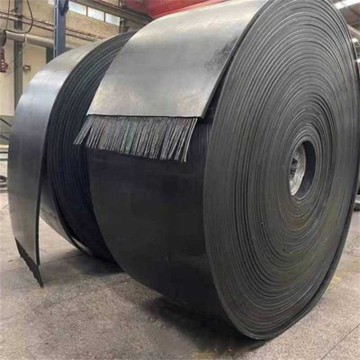
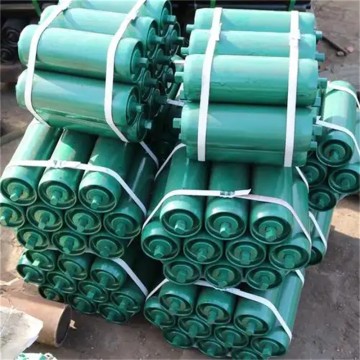
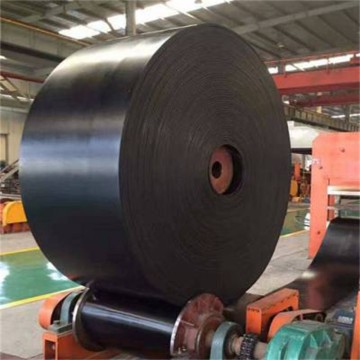
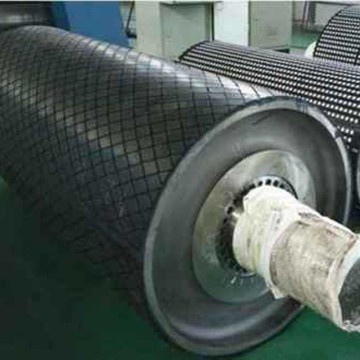
Understanding the industrial demand, local applications, and sourcing landscape for anti-slip conveyor belt systems in the Algerian market.
Algeria stands as one of Africa's most industrially active nations, driven by a powerful combination of hydrocarbon extraction, phosphate mining, cement production, and a rapidly expanding construction sector. As the country accelerates its industrial diversification agenda under the national development plan, demand for high-performance conveyor belt systems — particularly anti-slip conveyor belts — has surged across multiple sectors.
The Algerian conveyor belt market is estimated to grow at a CAGR exceeding 6% through 2030, fueled by infrastructure investment in the Hauts Plateaux region, expansion of the Tébessa and Annaba phosphate corridors, and growing cement plant capacity in Sétif, Béjaïa, and Oran. Anti-slip belt technology is at the center of this growth, addressing the unique challenges of Algeria's terrain — steep inclines, high ambient temperatures, and abrasive mineral loads.
International suppliers, particularly from China, have established strong footholds in the Algerian industrial supply chain. Chinese manufacturers offer certified anti-slip conveyor belts that meet ISO, DIN, and AS standards at competitive price points, making them the preferred sourcing destination for Algerian procurement teams and engineering contractors.
Algeria's unique industrial geography and climate create specific demands that standard conveyor belts cannot meet — anti-slip technology is the engineering answer.
Algeria's Atlas mountain mining operations and quarry sites require belts capable of handling inclines up to 35°, where anti-slip surface patterns prevent material rollback and belt slippage.
Saharan industrial zones experience temperatures exceeding 50°C. Anti-slip rubber compounds are formulated to maintain grip and elasticity without surface degradation under intense heat.
Phosphate rock, iron ore, and limestone — Algeria's primary bulk materials — are highly abrasive. Anti-slip belts with reinforced cover compounds dramatically extend service life.
Algerian occupational safety regulations (OSHA-aligned) increasingly mandate anti-slip belt certification for bulk handling lines, making compliant sourcing a legal requirement.
Port operations in Algiers, Oran, and Annaba expose belts to moisture and dust. Anti-slip surface textures maintain traction in wet conditions, reducing spillage and downtime.
Properly gripped anti-slip belts reduce motor load by minimizing slippage losses — a key factor for Algerian operators managing high energy costs in remote industrial zones.
Anti-slip conveyor belts serve a wide range of industries and regions across Algeria, from the Saharan south to the Mediterranean coast.
Algeria is the world's 3rd largest phosphate producer. Anti-slip conveyor belts transport raw phosphate rock across steep terrain from open-pit mines to processing plants, operating continuously in high-dust, high-load environments.
Major cement manufacturers including GICA group facilities rely on anti-slip belts for clinker and limestone transport. The belts must resist heat from kiln proximity while maintaining precise material flow.
Algeria's Mediterranean ports handle millions of tons of bulk cargo annually. Anti-slip conveyor belts on ship loaders and unloaders ensure safe, efficient transfer even in rain or sea spray conditions.
The Saharan oil fields require conveyor systems for drilling equipment logistics and material handling. Anti-slip, oil-resistant belt variants are essential in this chemically demanding environment.
The ArcelorMittal El Hadjar steel complex, one of Africa's largest, uses heavy-duty anti-slip conveyor belts for iron ore and scrap metal handling in its blast furnace and rolling mill operations.
Algeria's growing food processing sector uses food-grade anti-slip conveyor belts for grain, sugar, and packaging lines — where hygiene, slip resistance, and durability must coexist.
The Algerian industrial sector is evolving rapidly. Here are the key trends shaping the future of anti-slip conveyor belt adoption across the country.
Algerian mining operators are beginning to integrate IoT sensors into conveyor belt systems to monitor slip rates, belt tension, and wear in real time. Anti-slip belts with embedded sensor channels are becoming a competitive differentiator for suppliers targeting Algeria's modernizing mining sector.
Environmental regulations in Algeria are tightening, particularly around industrial waste. Suppliers offering anti-slip belts made from recycled rubber or low-VOC compounds are gaining preference in government-tendered infrastructure projects.
Direct sourcing relationships between Algerian industrial buyers and Chinese conveyor belt manufacturers have matured significantly post-2020. Suppliers offering full documentation (CE, ISO 9001, test reports) and localized after-sales support in Arabic or French are winning long-term contracts.
One-size-fits-all belts are giving way to custom-engineered solutions. Leading suppliers now offer Algeria-specific belt profiles — wider widths for phosphate handling, high-temperature covers for cement plants, and oil-resistant compounds for Saharan applications.
Algeria's 2024–2027 National Investment Plan includes major allocations for mining infrastructure, port expansion, and industrial zone development — all of which drive direct demand for certified anti-slip conveyor belt systems at scale.
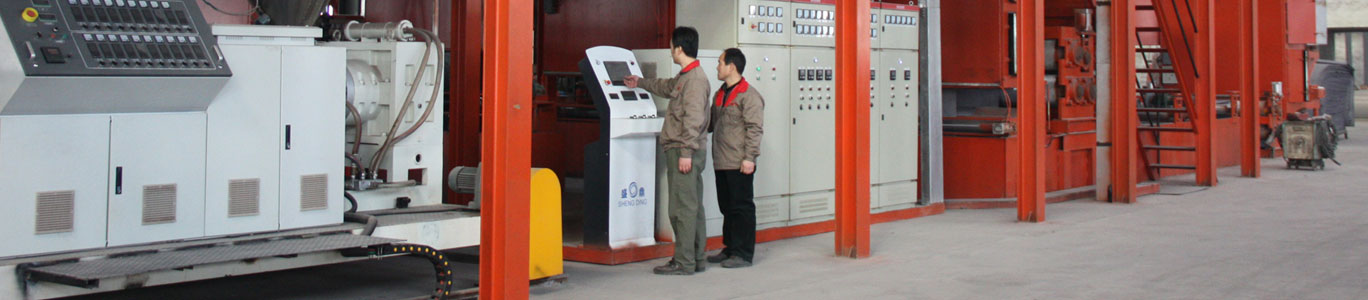
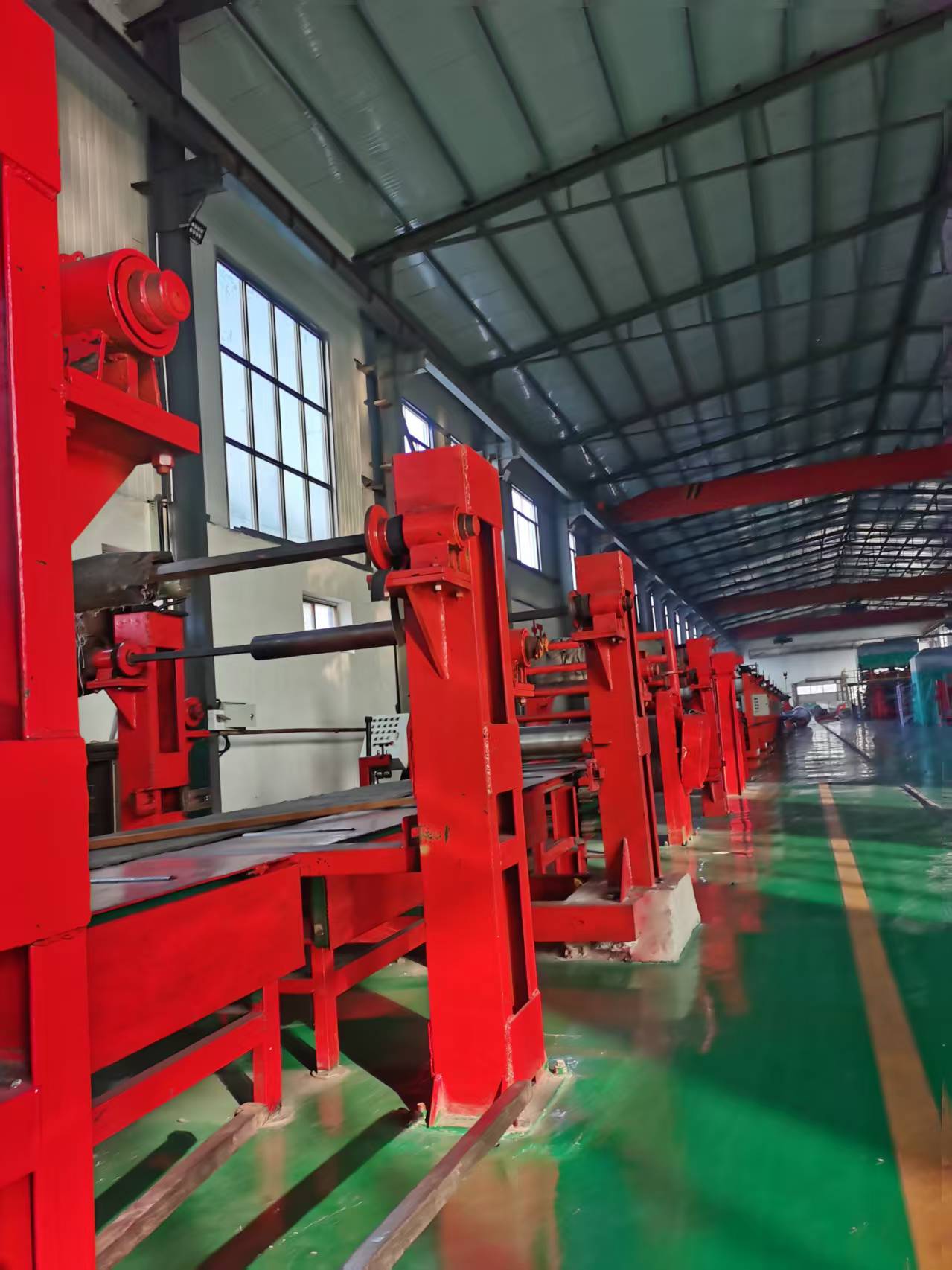
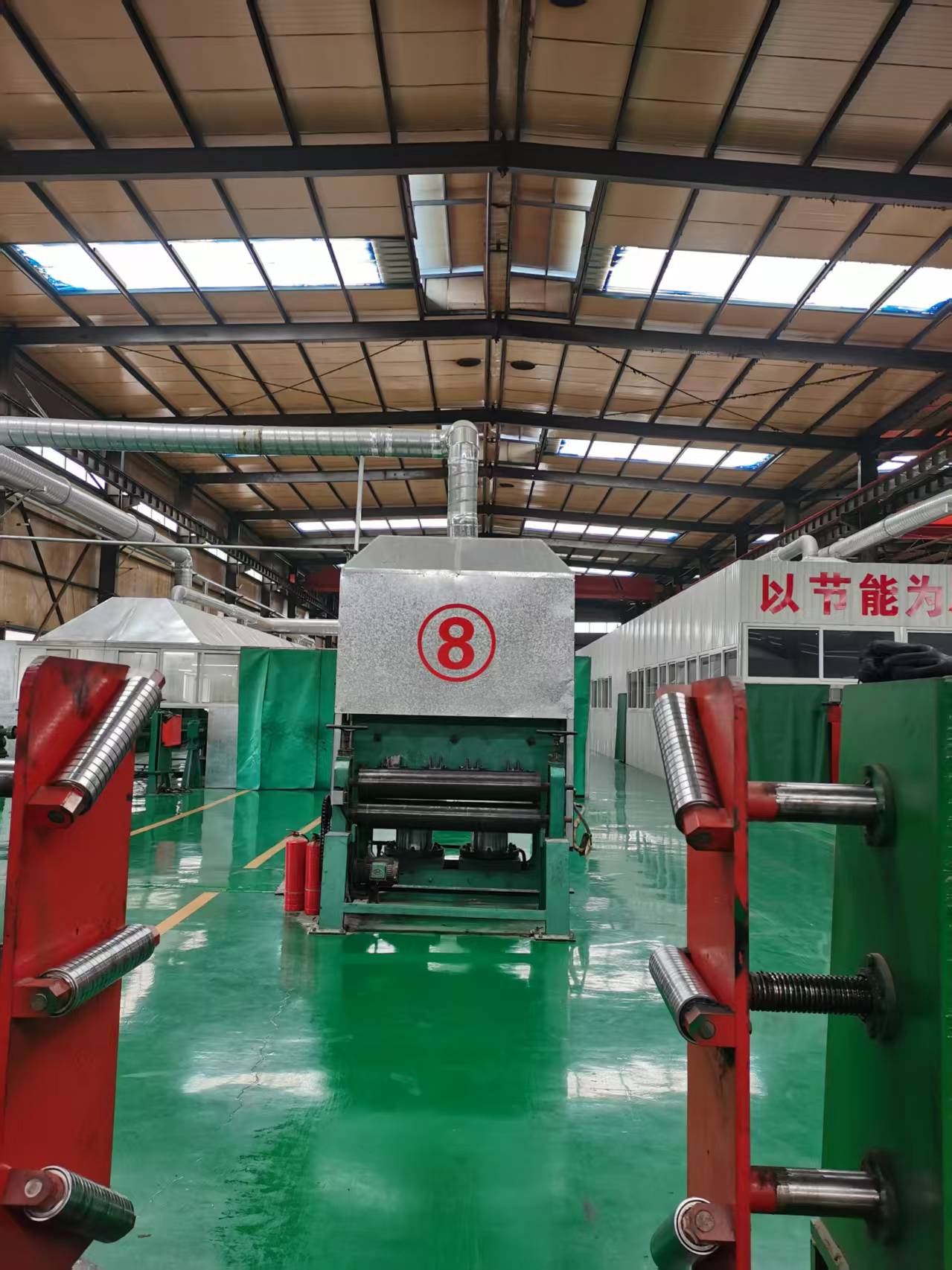
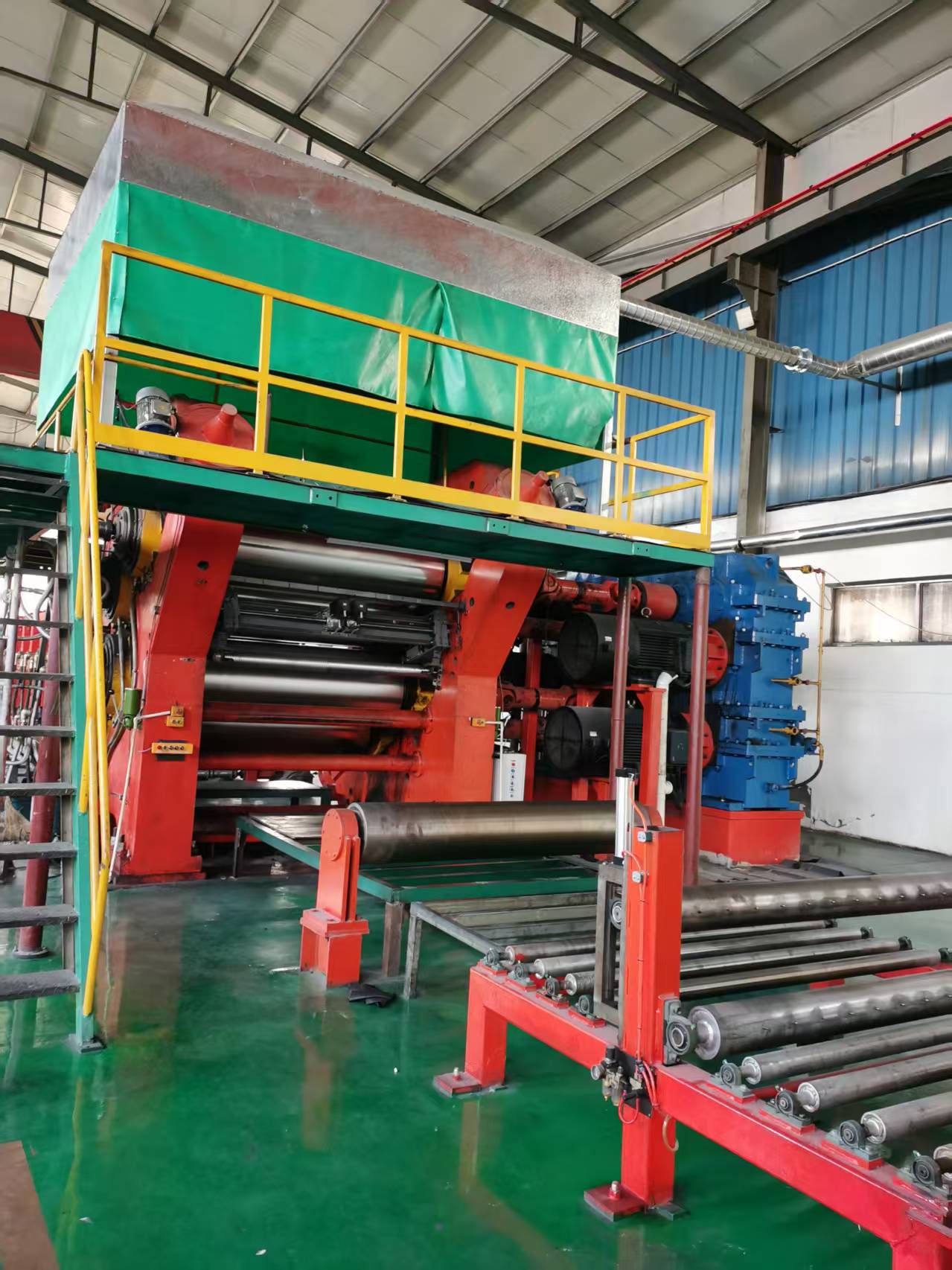
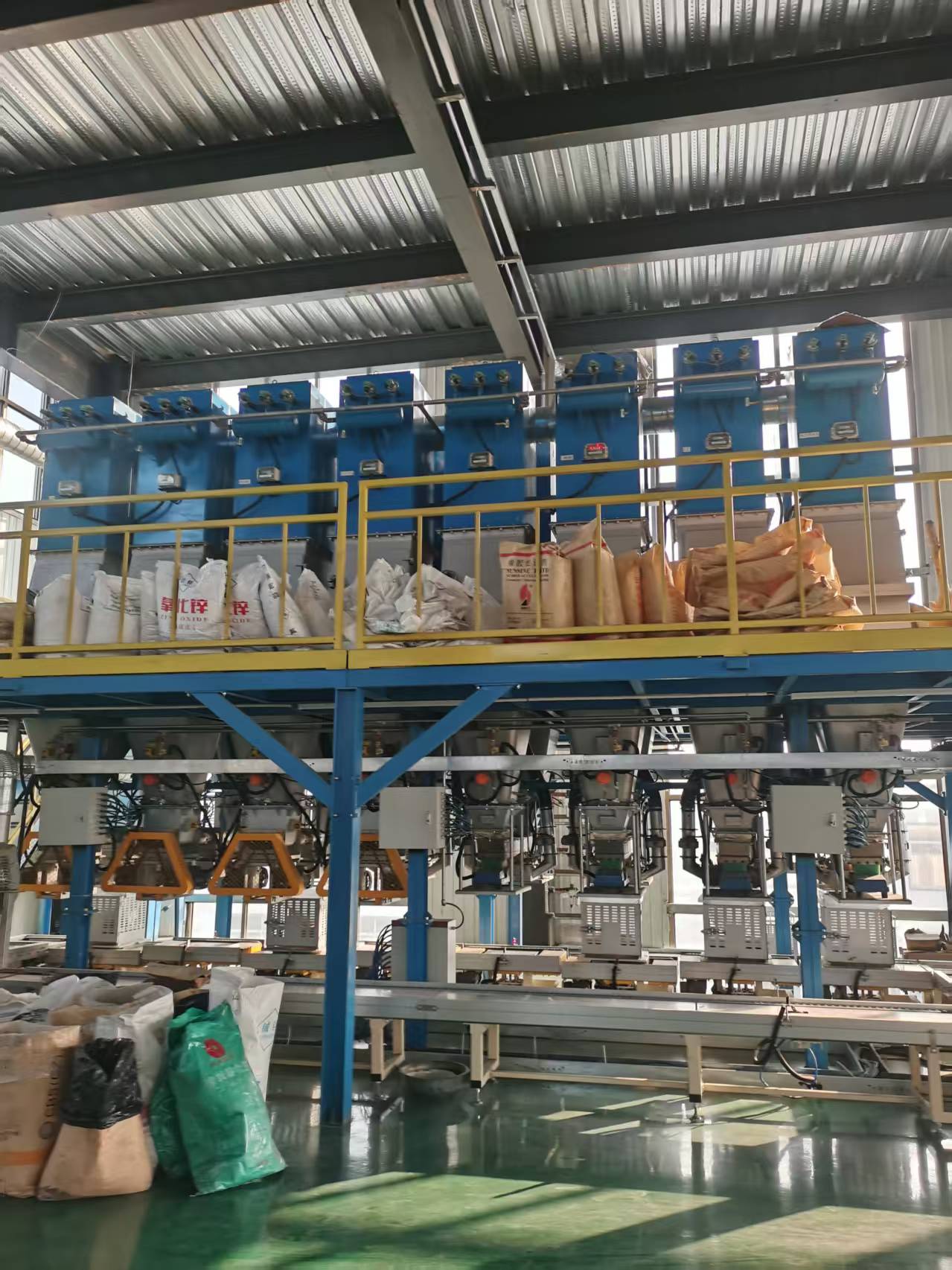
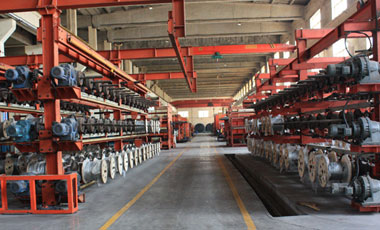
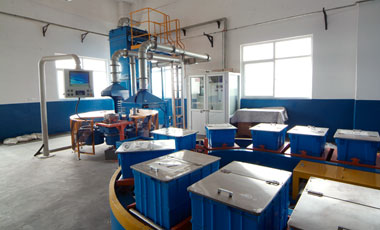
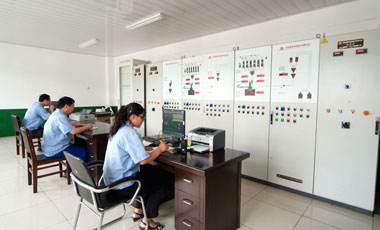
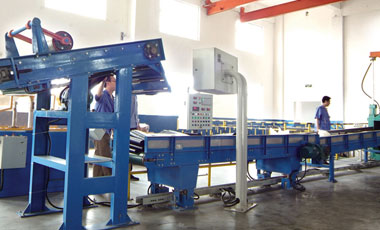
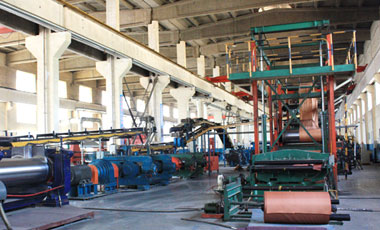
Our state-of-the-art production and quality testing infrastructure ensures every anti-slip conveyor belt delivered to Algeria meets the highest international standards.
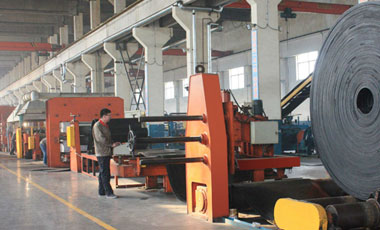
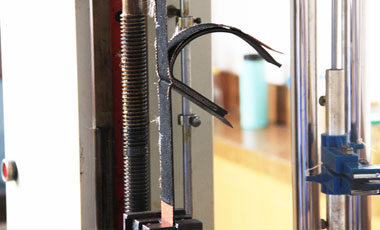
Peeling Test
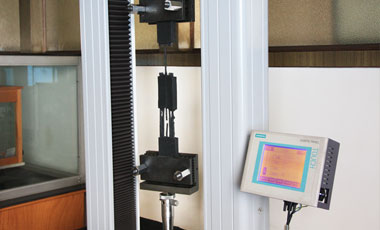
Steel Cord Pull-out Machine
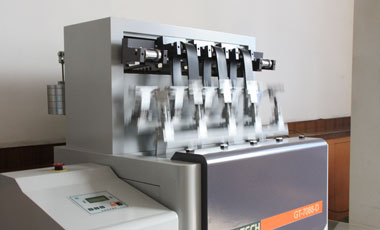
Dynamic Fatigue Tester
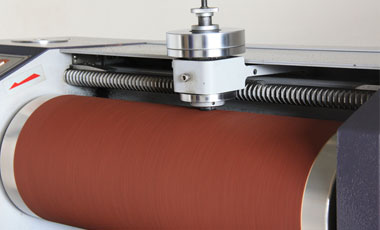
Abrasion Tester
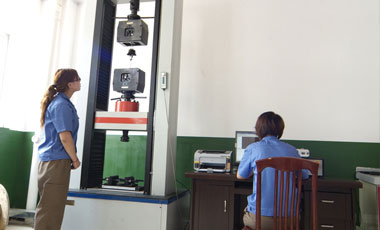
Abrasion Tester
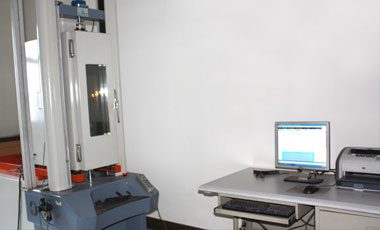
Physical Properties Testing
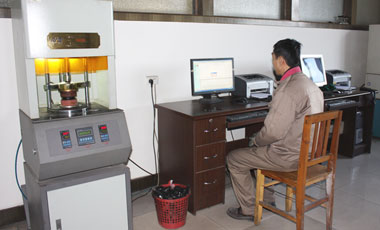
Test
We are a certified Chinese manufacturer with a proven track record of supplying anti-slip conveyor belt systems to Algeria's most demanding industrial environments.
All our anti-slip conveyor belts carry ISO 9001, CE, and relevant DIN/AS certifications — accepted by Algerian customs and procurement authorities without additional testing.
We engineer belt width, thickness, surface pattern, and rubber compound to your exact Algerian application — from phosphate conveyors in Tébessa to cement lines in Oran.
As a direct manufacturer, we offer the most competitive FOB and CIF pricing for Algerian importers, with full export documentation in English and French.
Standard anti-slip belt rolls ship within 15–25 days. Emergency stock is available for critical Algerian operations requiring rapid replacement.
Every belt undergoes peeling tests, abrasion testing, dynamic fatigue analysis, and physical properties verification before export — with full test reports provided.
Our team provides technical support in English and French, with experience navigating Algerian import regulations, port procedures, and industrial standards compliance.
Our full product portfolio covers every conveyor belt and component need for Algeria's industrial, mining, and logistics sectors.
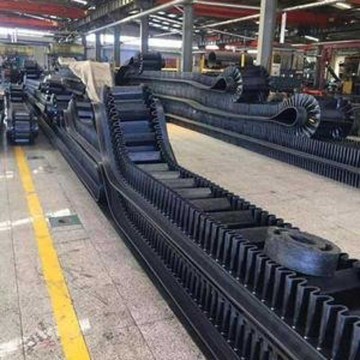
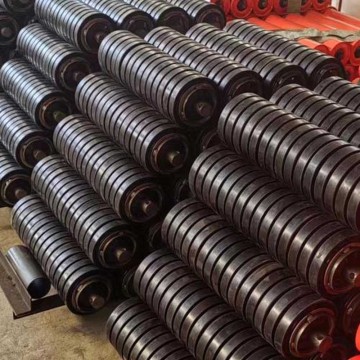
Connect with our engineering team to receive a customized quote, product specifications, and full certification documentation for your Algerian project.
Request a Quote for Algeria →