+86 18920794106
Leave Your Message
-
Contact WhatsApp
-
 Contact Phone
-
 Contact Email
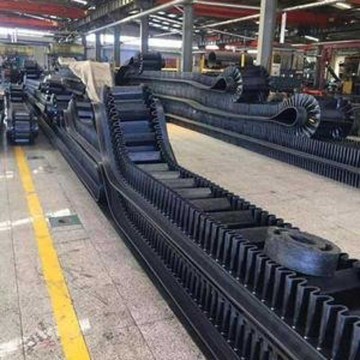
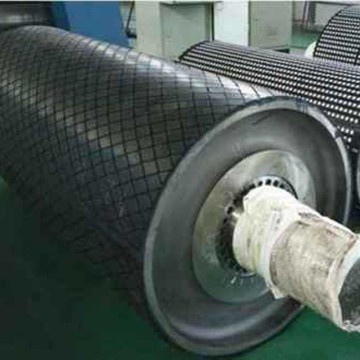
The operation of conveyor systems in modern industries relies heavily on the proper function of pulleys and drums, which are critical elements in redirecting and moving materials efficiently and safely. Among the diverse conveyor belt technologies available, Anti-Slip Conveyor Belts stand out as a specialized solution designed to provide exceptional grip, minimize belt slippage, and ensure seamless redirection in demanding industrial environments.
In this detailed overview, we will explore the industrial reality of anti-slip conveyor belts used specifically for pulley and drum redirection, their emerging market trends, innovative applications across various sectors, and the advantages they bring to modern manufacturing and material handling processes.
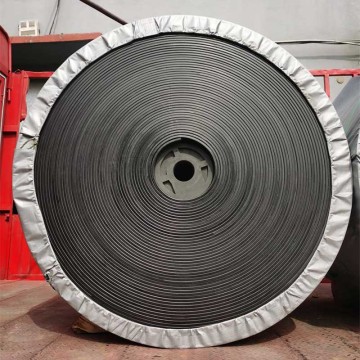
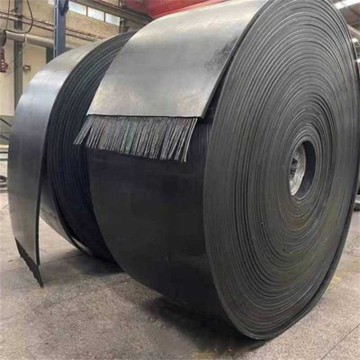
Conveyor belts are the circulatory system of large-scale production facilities, mining operations, logistics hubs, and many other industrial sectors. The belts must seamlessly cycle around drums and pulleys while carrying heavy loads, often under harsh conditions.
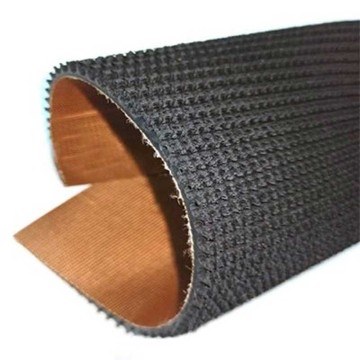
Traditional smooth surface belts sometimes experience slippage, especially on drive drums and idlers, leading to decreased operational efficiency, increased wear and tear, greater energy consumption, and costly maintenance downtime. Anti-slip conveyor belts are engineered with enhanced surface textures or specialized rubber compounds to increase the friction coefficient between the belt and pulley/drum surfaces.
Industries from mining to food processing, and logistics to chemical manufacturing, increasingly demand conveyor systems that are not only durable but also exceptionally reliable under diverse operational stresses such as wet, oily, or cold environments. Slip prevention at pulleys and drums is one of the most crucial factors impacting belt lifespan and system efficiency.
Many industrial sites face challenges related to slippage including increased downtime, belt mistracking, excessive pulley wear, and compromised safety. Effective anti-slip conveyor belts dramatically reduce these risks by optimizing traction and allowing systems to run at highest possible speed and load without compromising control.
Recent advances in materials science and manufacturing techniques have spurred the evolution of anti-slip conveyor belts. Below are some notable trends shaping the future of this vital component:
Anti-slip conveyor belts are indispensable in scenarios where pulleys and drums continuously redirect load-bearing belts through complex paths or sharp angle changes. These applications include:
Implementing anti-slip conveyor belts designed for pulley and drum redirection can lead to substantial commercial advantages:
The rise of Industry 4.0 calls for conveyor components that actively support automation and smart factory environments. Anti-slip belts integrated with sensors provide valuable data on real-time conditions, allowing systems to self-correct belt tensions and alert operators to early signs of slippage or wear. This integration leads to smarter maintenance, better resource allocation, and improved overall equipment effectiveness (OEE).
Anti-slip conveyor belts designed for industrial pulley and drum redirection represent a critical technology for enhancing the reliability, efficiency, and safety of material handling systems across sectors. Their development will continue to evolve with materials science innovations, digitization, and sustainability priorities, shaping the future of industrial conveyor applications worldwide.