+86 18920794106
Leave Your Message
-
Contact WhatsApp
-
 Contact Phone
-
 Contact Email
The global conveyor belt market has witnessed substantial growth in recent years, with anti-slip conveyor belts for high-angle incline applications emerging as a critical segment. As industries strive to optimize vertical space and improve material handling efficiency, the demand for specialized conveyor systems capable of handling steep inclines has surged dramatically. Current market analysis indicates that the anti-slip conveyor belt sector is experiencing a compound annual growth rate (CAGR) of approximately 5.8%, driven primarily by expansion in mining, construction, agriculture, and manufacturing sectors.
Traditional flat conveyor systems face significant limitations when dealing with inclines exceeding 18-20 degrees, as materials tend to slide backward due to gravitational forces. This challenge has catalyzed innovation in anti-slip conveyor belt technology, with manufacturers developing advanced surface patterns, high-friction materials, and specialized cleat designs that enable safe material transport at angles reaching up to 90 degrees. The industrial landscape is increasingly recognizing that efficient vertical conveying is not merely a convenience but a competitive necessity in space-constrained facilities and challenging terrain environments.
Several key factors are propelling the adoption of anti-slip conveyor belts in high-angle applications: urbanization and space constraints requiring vertical material handling solutions, increased focus on workplace safety and ergonomics, growing automation in material handling processes, expansion of mining operations in challenging terrains, and sustainability initiatives promoting energy-efficient transport systems.
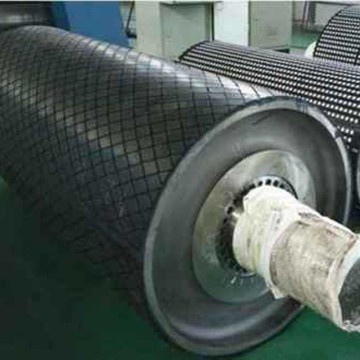
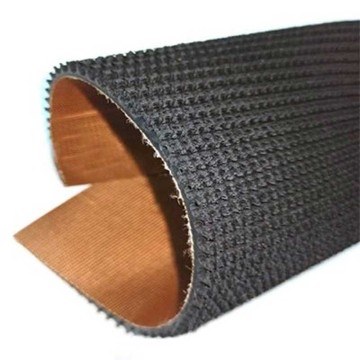
Chevron, diamond, and custom-designed patterns provide superior grip on materials, preventing backsliding even at extreme angles up to 40-60 degrees.
Specialized rubber formulations with enhanced coefficient of friction ensure reliable material retention across diverse environmental conditions.
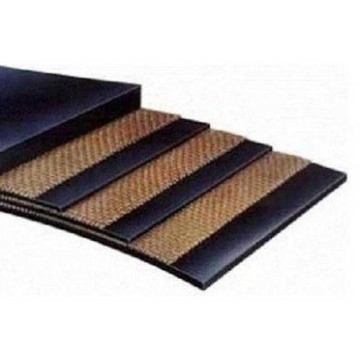
Multi-ply fabric or steel cord reinforcement provides exceptional tensile strength to handle heavy loads on steep inclines without stretching.
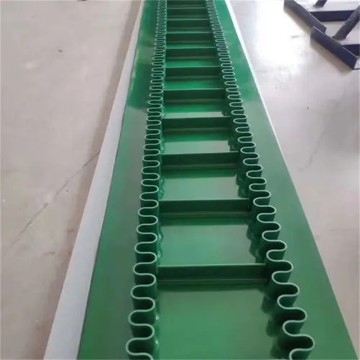
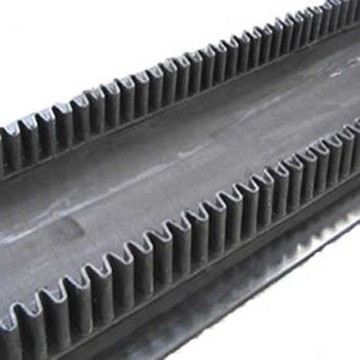
Integrated cleats and corrugated sidewalls create compartments that securely contain materials during vertical or near-vertical transport.
Engineered to withstand extreme temperatures from -40°C to +200°C, maintaining performance in harsh industrial environments.
Optimized belt design reduces rolling resistance and power consumption by up to 30% compared to conventional conveyor systems.
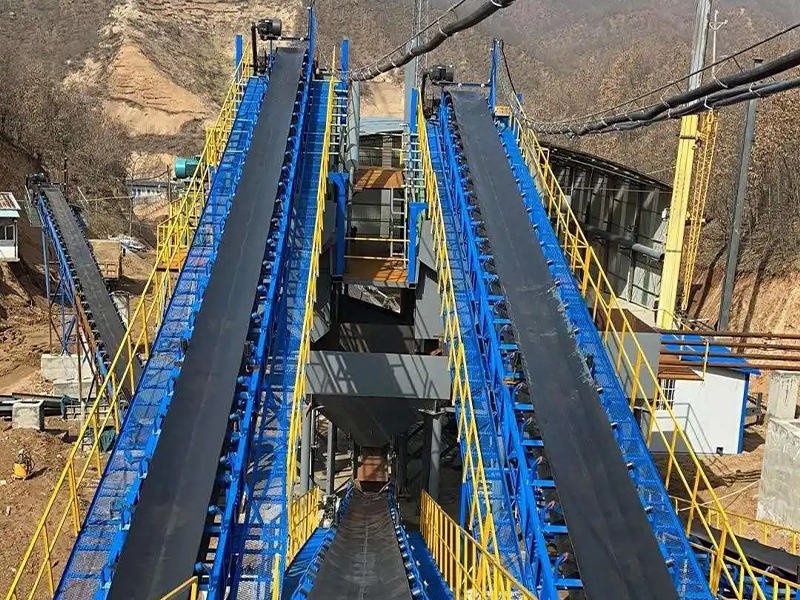
In mining environments, anti-slip conveyor belts revolutionize material extraction by enabling direct transport from pit floors to surface processing facilities. These systems eliminate the need for multiple transfer points and reduce operational costs by up to 40%. Modern mining operations utilize high-angle conveyor systems with angles reaching 35-45 degrees to navigate challenging topography, transporting ore, coal, aggregates, and overburden materials efficiently.
Port facilities leverage anti-slip conveyor technology for rapid vessel loading and unloading operations. Ship-to-shore conveyors with high-angle capabilities can transport bulk materials like grain, coal, and minerals directly from vessel holds to elevated storage facilities, significantly reducing turnaround times and labor costs.
Construction sites and cement plants utilize inclined anti-slip conveyor belts to transport raw materials, aggregates, and finished products to elevated mixing stations and storage silos. The ability to convey materials at steep angles is particularly valuable in space-restricted urban construction sites where traditional equipment cannot operate effectively.
Agricultural operations employ anti-slip conveyor systems for grain handling, livestock feed distribution, and harvested crop processing. These belts are designed with food-grade materials meeting FDA and EU regulations, ensuring product safety while maintaining high-angle conveying capabilities for silo loading and processing line integration.
The recycling industry benefits significantly from high-angle anti-slip conveyors that transport mixed waste, sorted materials, and processed recyclables to elevated sorting platforms and processing equipment. These systems handle diverse materials including plastics, metals, paper, and construction waste with varying sizes and weights.
Power plants, particularly coal-fired and biomass facilities, depend on reliable high-angle conveyor systems for fuel handling. Anti-slip belts transport coal, biomass pellets, and ash materials from ground-level storage to elevated boiler feed systems, operating continuously under demanding conditions with minimal maintenance requirements.
The anti-slip conveyor belt industry is experiencing transformative changes driven by technological advancement and evolving industrial requirements. Smart conveyor systems incorporating IoT sensors and predictive maintenance capabilities are becoming standard, enabling real-time monitoring of belt condition, load distribution, and operational efficiency. These intelligent systems can detect early signs of wear, misalignment, or overloading, reducing unplanned downtime by up to 70% and extending belt service life significantly.
Material science innovations are producing next-generation compounds with enhanced durability and environmental resistance. Nano-composite rubber formulations demonstrate superior abrasion resistance, extending belt life by 50-100% compared to conventional materials. Additionally, manufacturers are developing eco-friendly alternatives using recycled materials and bio-based polymers, aligning with global sustainability initiatives while maintaining performance standards.
Artificial Intelligence and Machine Learning: AI-powered systems optimize conveyor speed, tension, and load distribution in real-time, maximizing efficiency and minimizing energy consumption. Predictive algorithms analyze operational data to forecast maintenance needs and prevent failures before they occur.
Advanced Manufacturing Techniques: 3D printing and automated fabrication enable rapid prototyping and customization of belt patterns and cleat designs tailored to specific applications. This flexibility allows for optimized solutions that precisely match operational requirements.
Modular and Quick-Change Systems: Innovative connection methods and modular belt designs reduce installation and replacement time from days to hours, minimizing production disruptions and maintenance costs.
Looking forward, industry experts project continued growth in demand for high-angle conveyor solutions, particularly in emerging markets where infrastructure development and industrialization are accelerating. The integration of renewable energy sources to power conveyor systems, combined with advances in energy recovery technology, will further enhance the sustainability profile of these essential material handling solutions. By 2030, the global market for specialized incline conveyor belts is expected to exceed $4.2 billion, with anti-slip variants representing a substantial and growing segment.
Selecting the appropriate anti-slip conveyor belt for high-angle applications requires careful consideration of multiple factors to ensure optimal performance and longevity. Material characteristics including particle size, bulk density, moisture content, and abrasiveness directly influence belt selection. For instance, sharp, angular materials like crushed stone require belts with enhanced cut resistance, while sticky materials like clay necessitate specialized release coatings.
Operational parameters such as conveying angle, capacity requirements, belt speed, and environmental conditions must be thoroughly analyzed. Steeper angles require more aggressive surface patterns or cleat configurations, while higher capacities demand increased belt strength and width. Temperature extremes, chemical exposure, and outdoor weather conditions necessitate specific material formulations to ensure reliable operation.
Proper installation is critical for maximizing belt performance and service life. Key considerations include ensuring correct belt tension (typically 1-3% elongation), precise alignment of pulleys and idlers, appropriate loading point design to minimize impact damage, and proper training of operators and maintenance personnel.
Regular maintenance protocols should include daily visual inspections for damage or wear, weekly tension and alignment checks, monthly comprehensive condition assessments, and quarterly detailed examinations of splices and fasteners. Implementing a structured maintenance program can extend belt life by 40-60% while reducing unexpected failures.
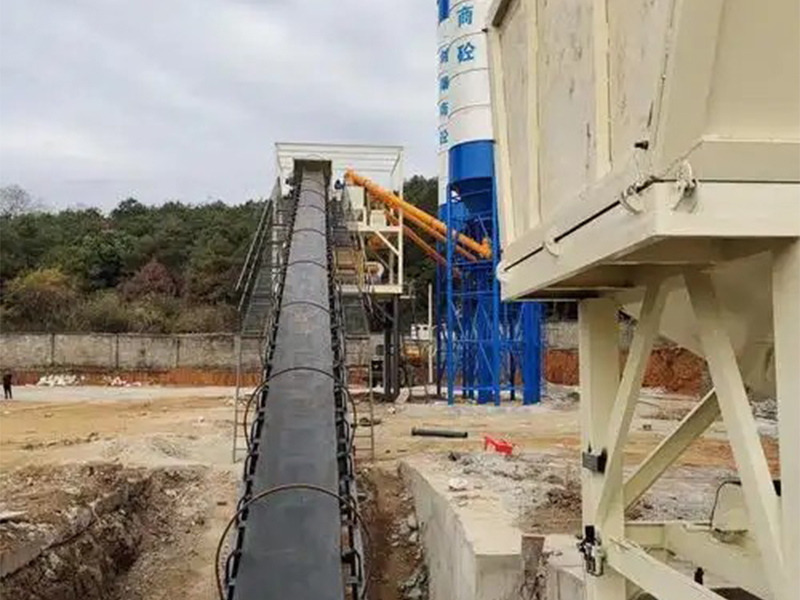
China Railway Group Mixing Plant

Conch Cement
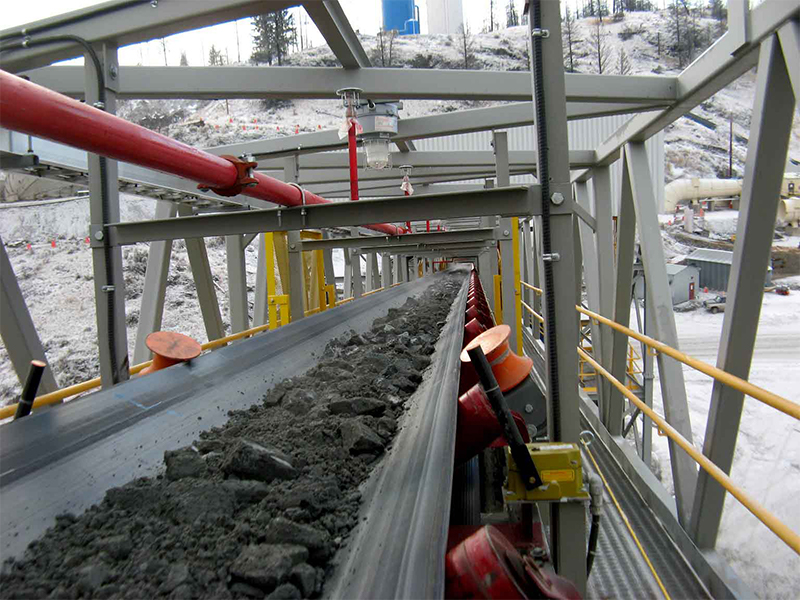
Datong Coal Group
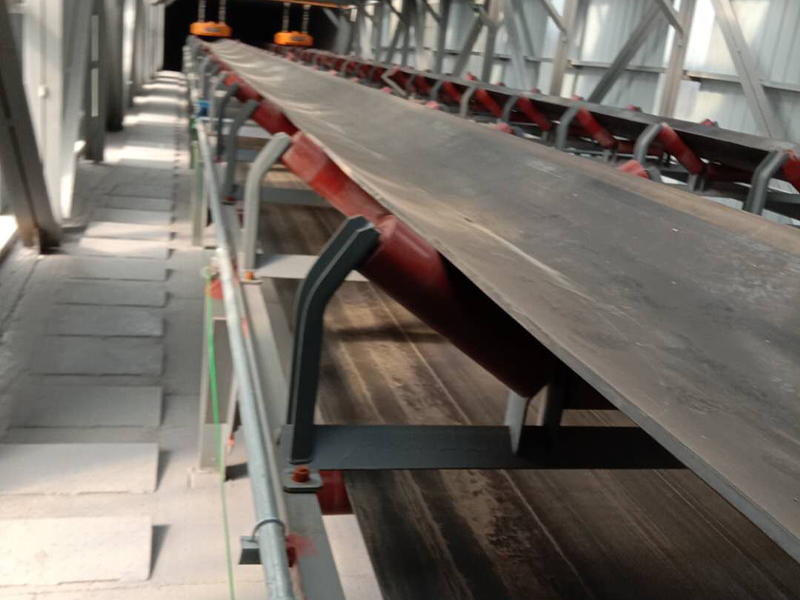
Taihang Steel
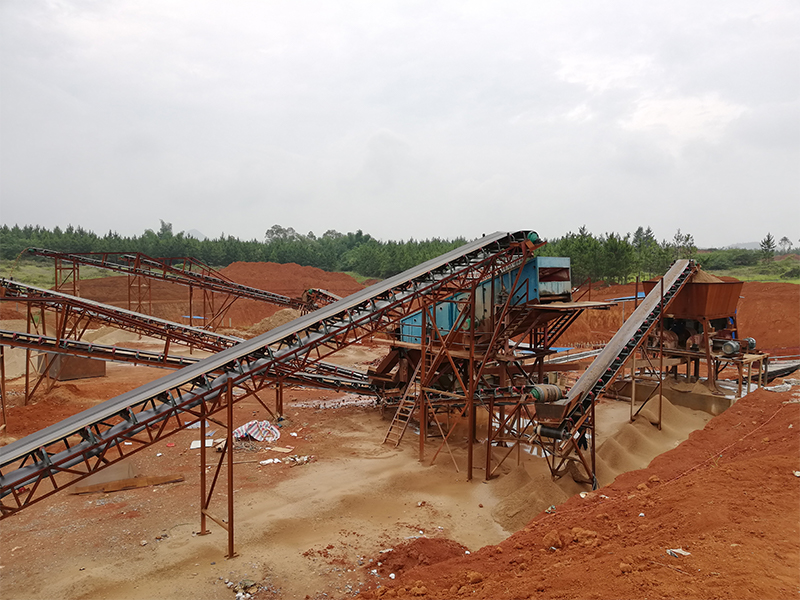
Tsingshan Group
Zijin Mining